REVIEW · TBILISI
Taste of Georgia. Cooking-Class Khinkali, Khachapuri and more
Book on Viator →Operated by Georgian Promenade · Bookable on Viator
A cooking class in Georgia beats most sightseeing days. You get hands-on help making Georgian khinkali and Adjarian khachapuri in a cozy home setting, with an English-speaking instructor and food that you actually cook yourself. This is the kind of experience that makes the country feel close, not distant.
I love that the lesson is practical, from dough texture to the right way to shape and seal dumplings. I also like the dinner-style pace, where you finish by tasting homemade dishes with alcoholic beverages. One thing to consider: it is only about two hours, so come hungry and ready to move fast.
You’ll likely be leaving with a new favorite meal and a better sense of how Georgian cooking actually works, not just what it tastes like.
In This Review
- Key highlights worth planning around
- Entering the family kitchen in Tbilisi
- What happens first: Georgian khinkali from dough to sealed dumplings
- The khinkali tasting moment (and why it feels different)
- Second act: Ajarian khachapuri and the magic of stretchy cheese
- Side benefit: you learn the logic behind Georgian dough
- Lunch-style flow: how the two-hour timing usually feels
- Price and value: what $98 buys you in Tbilisi
- Who this class suits best (and who should skip it)
- The smart way to prepare: make this class easier
- Should you book Taste of Georgia: Khinkali and Khachapuri in Tbilisi?
- FAQ
- How long is the cooking class?
- Is the class taught in English?
- What dishes will I learn to cook?
- How many people are in the group?
- What’s included in the price?
- What is the meeting point address?
- Is transportation included?
- Do I get a ticket on my phone?
- Can I cancel for a refund?
Key highlights worth planning around
- Hands-on khinkali steps: dough, filling, and turning techniques meant to keep them intact
- Adjarian khachapuri by method: dough handling plus cheese choice for melting and stretch
- Small group cap: a maximum of 8 travelers means less waiting and more personal guidance
- Family-kitchen setting: the class happens in a Georgian home, not a formal studio
- Chef Grisha’s table-side energy: attentive, friendly coaching that keeps the class moving
- You can request a style: one guest successfully asked for Imeruli khachapuri and got it
Entering the family kitchen in Tbilisi
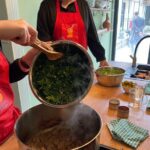
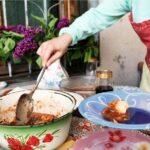
This experience starts in Tbilisi at Georgian Cooking Classes Chakandrila, 8 Merab Kostava St. The setup matters. You’re not crammed into a big room. Instead, you’re in a Georgian family-style environment that feels like someone opened their door for an evening.
The group is small, up to 8 people. That changes everything. You can ask questions without shouting over noise, and you get enough time with the dough and fillings to actually learn the process, not just watch it.
The class is also offered in English, which is a big plus if your Georgian language skills are still in progress. You’ll be able to follow ingredient choices and technique without guessing.
And yes, you’ll be tasting as you go. The included meal-style tasting turns it into a real evening, not a quick demo followed by walking away with recipes you’ll never use.
You can also read our reviews of more cooking classes in Tbilisi

What happens first: Georgian khinkali from dough to sealed dumplings
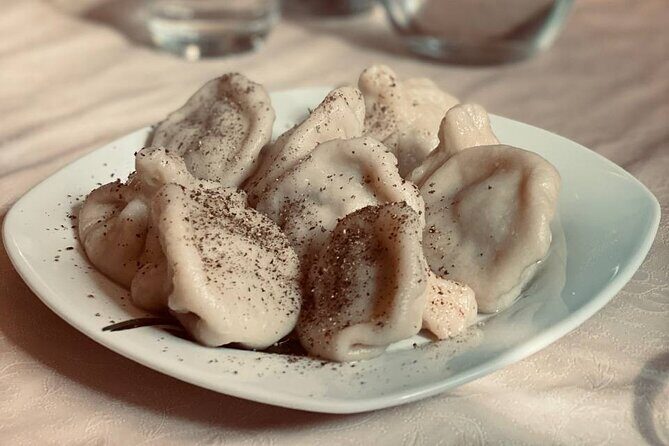
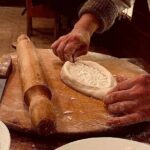
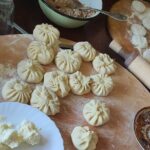
Khinkali are Georgia’s pride, and this class treats them like a craft. You begin with dough—because if the dough is right, the rest gets easier. You’ll learn how to select quantities and mix to get that elastic, soft feel you want in a dumpling that holds up in cooking.
Here’s why that matters for you. Khinkali look simple until you try to make them. Many people struggle because the dough ends up too thick, too stiff, or too fragile. Learning the texture target helps you understand what good dough feels like, not just what it should look like.
Next comes fixing—meaning the filling stage. You’ll find out what ingredients go inside, along with the same healing broth that’s part of the khinkali eating experience. The point is not just to add meat or cheese. It’s to balance flavors and keep the filling juicy so the bite is satisfying.
Then you get to the shaping and sealing part. You’ll learn how to turn your khinkali correctly so they don’t fall apart when cooking. That’s a practical skill, and it’s also the difference between dumplings that hold their shape and dumplings that end up messy in the pot.
If you’re the type who likes to cook at home, this is where the class earns its value. You’re not memorizing steps like a checklist. You’re learning technique you can repeat.
The khinkali tasting moment (and why it feels different)
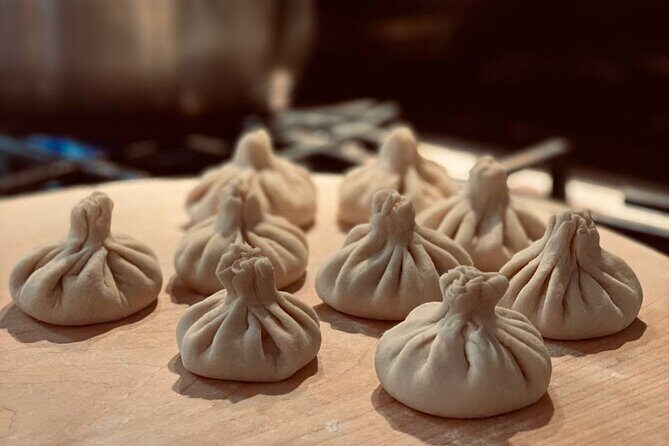
When you eat what you made, the experience clicks. Khinkali aren’t just food here; they’re proof. When you’ve sealed them well, you can taste that structural success. When the dough is elastic, the texture is right.
You’ll also have a glass or two with the meal. Georgian wine is a natural pairing for this kind of cooking evening, and the included alcoholic beverages help the class feel relaxed instead of overly formal.
A small bonus from the people who enjoy this class most: it becomes a fun group table moment. One guest described it as a highlight of a first cooking class, with a friendly, table-side chef named Grisha. That kind of coaching matters, because khinkali can be intimidating if you feel rushed or ignored.
Second act: Ajarian khachapuri and the magic of stretchy cheese
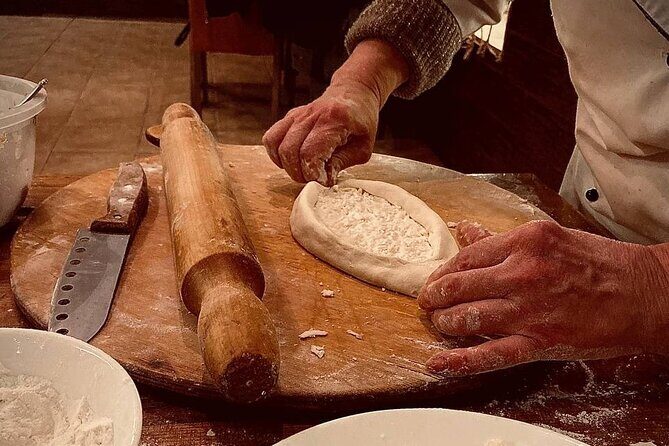
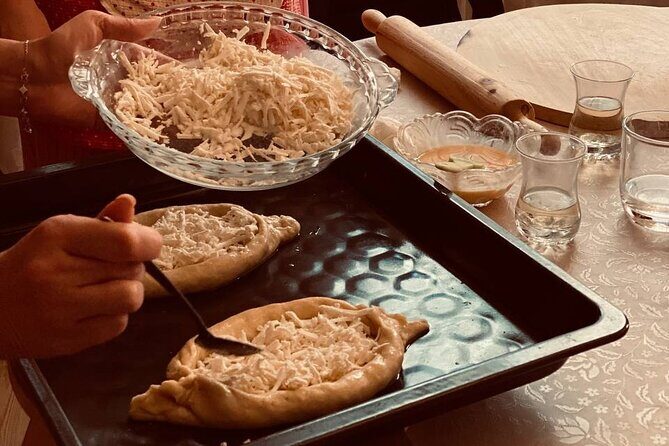
Then you shift to the second dish: Adjarian Khachapuri, the famous boat-shaped bread with a gooey center. You start with the dough and learn how to prepare it so it becomes tender, not chewy in the wrong way.
Most people think khachapuri is about cheese. Cheese matters, but dough matters too. If your dough isn’t tender, the whole bite feels heavy. If your dough isn’t handled well, the bread won’t form the right base texture for the melting center.
After that, you learn about cheese choice. The class focuses on cheese that melts and stretches—so you’re getting that signature pull without a greasy, flat result. You’ll also learn different ways of arranging this dish, which is helpful if you want more than one look or if you plan to recreate it for friends at home.
Finally, there’s the signature egg yolk finish. The sample menu for the main dish includes sticky cheese in dough and an egg yolk. Even if you’ve had khachapuri before, the real learning is watching how the build changes when cheese and egg meet at the end.
Side benefit: you learn the logic behind Georgian dough
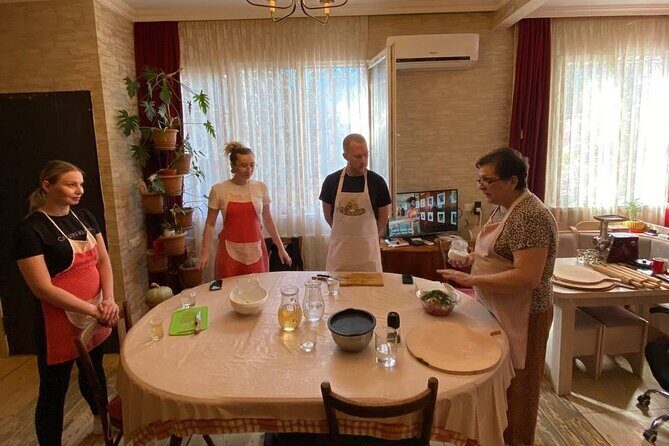
If you care about cooking beyond following recipes, this class teaches the logic. Dough in Georgian cuisine isn’t treated like a background detail. It’s part of the flavor system and part of the texture system.
From khinkali dough to khachapuri dough, you’ll see the same idea: quantity and mixing matter, and so does the feel of the dough. You’re basically training your hands, not just your brain.
That’s also why this class works well for people who have never cooked anything complex before. You’re guided step-by-step, and the outcomes are clear: dumplings that keep their shape, and bread that has the right softness with a melty center.
A few more Tbilisi tours and experiences worth a look



Lunch-style flow: how the two-hour timing usually feels
This is a 2-hour experience, about. In that timeframe, the pacing matters. You’ll be moving between techniques and getting practical time with ingredients, not sitting for a lecture.
Plan to arrive with some breathing room and come ready to participate. If you’re late, you’ll feel it fast. If you’re anxious about cooking, don’t worry, but do expect some hands-on work right away.
The meeting point is at Chakandrila (8 Merab Kostava St). It’s near public transportation, so you shouldn’t need a car or taxi just to get there—unless you want one for comfort.
Price and value: what $98 buys you in Tbilisi
At $98 per person for about two hours, you’re paying for a focused, small-group class plus a real meal. That sounds simple, but in practice it’s better value than you might think.
Here’s what’s included:
- A cooking master class on khinkali and khachapuri
- Tasting of the homemade dishes
- Alcoholic beverages
And the big hidden value: you get coaching. In cooking classes, the difference between good and great isn’t the recipe. It’s feedback on texture, shaping, and timing. With a maximum of 8 people, you’re more likely to get that feedback instead of waiting for someone to notice you.
Another value point is language support. English instruction reduces friction. When you understand ingredient choices, you can recreate them later without guesswork.
If you’re only interested in eating, you might decide you can do this cheaper at a restaurant. But if you want a skill you can bring home, the class price starts to make sense fast.
Who this class suits best (and who should skip it)
This experience is a strong fit if you want:
- A hands-on Tbilisi cooking class with practical technique
- An evening activity in a real home setting
- A small-group environment where you can ask questions
- A chance to learn two Georgian favorites in one go
It’s also great if you’re traveling with friends. Cooking at the same table turns into a shared project, and the included beverages help the mood stay easy.
You might want to think twice if:
- You hate active classes and prefer pure sightseeing
- You’re expecting a long, slow meal where everything is explained at leisure
- You need a class format with heavy dietary customization (the provided information doesn’t mention specific diet handling)
The smart way to prepare: make this class easier
To get the most out of your evening:
- Come hungry, because you’ll be tasting what you make.
- Wear something you can work in. Dough is messy in the best way.
- Be ready to learn texture. Even with instructions in English, dough is about feel.
- If you have a specific khachapuri style you want, ask. One guest successfully requested Imeruli Khatchapuri and got it, which suggests the instructors may accommodate certain requests.
Should you book Taste of Georgia: Khinkali and Khachapuri in Tbilisi?
Yes, if you want an authentic Georgian food experience that turns into a skill. The combination of khinkali craft (dough, filling, shaping) and Adjarian khachapuri technique (tender dough, stretchy melting cheese, egg yolk finish) makes this more than a one-time meal.
Book it if you like small groups, clear instruction in English, and an evening where the highlight is what you cook and eat together.
Skip it only if you’re mainly after a casual restaurant dinner with no cooking involvement. For hands-on learners, this is a solid bet.
FAQ
How long is the cooking class?
The experience runs for about 2 hours.
Is the class taught in English?
Yes. The experience is offered in English.
What dishes will I learn to cook?
You’ll learn Georgian khinkali and Ajarian (Adjarian) khachapuri.
How many people are in the group?
The group is limited to a maximum of 8 travelers.
What’s included in the price?
The price includes the cooking master class, tasting of the homemade dishes, and alcoholic beverages.
What is the meeting point address?
The start point is Georgian Cooking Classes Chakandrila, 8 Merab Kostava St, Tbilisi, Georgia.
Is transportation included?
Private transportation is not included, but the meeting point is near public transportation.
Do I get a ticket on my phone?
Yes. A mobile ticket is provided.
Can I cancel for a refund?
Yes. You can cancel for a full refund up to 24 hours in advance of the experience start time.