REVIEW · TBILISI
Day Trip to Mtskheta Gori and Uplistsikhe
Book on Viator →Operated by Gamarjoba Georgia Tours · Bookable on Viator
Rock-cut towns and big history, same day. This trip strings together UNESCO-listed Mtskheta with the cave-city feel of Uplistsikhe, plus a real dose of Soviet-era context in Gori. I especially like the setup: you get round-trip transport from Tbilisi and a guide who turns each stop into an actual story, not a checklist.
My other favorite thing is the pacing for a day trip. You get time to walk and look around, and the final religious sites in Mtskheta come with that late-day calm that makes photos and contemplation easier. One thing to plan for: Uplistsikhe involves uneven ground and lots of steps, so your shoes matter more than your fashion.
In This Review
- Quick hits: what makes this day trip work
- Why Uplistsikhe and Mtskheta belong on your Georgia checklist
- Price and value: what $29 covers (and what you’ll likely pay extra)
- Getting there smoothly: timing, group size, and road reality
- Uplistsikhe Cave Town: walking through iron-age-to-medieval rock culture
- What to expect on the ground
- Practical tips that actually help
- Gori for lunch or free time: your one flexible chunk
- If you choose lunch
- If you choose free time
- Stalin Museum in Gori: Soviet history, kept in Soviet style
- How to decide if it’s for you
- Jvari Monastery: the Cross monastery with river confluence views
- Svetitskhoveli Cathedral in Mtskheta: Living Pillar and royal burial meaning
- Church dress code and how to avoid last-minute stress
- How to get the most from the whole day
- Who this tour is best for
- Should you book this Uplistsikhe, Gori and Mtskheta day trip?
- FAQ
- How long is the day trip from Tbilisi?
- What does the $29 price include?
- Is lunch included?
- Do I need separate tickets for Uplistsikhe and the Stalin Museum?
- Are church sites included for free?
- What’s the church dress code?
Quick hits: what makes this day trip work
- Uplistsikhe Cave Town: rock-carved structures spanning the Early Iron Age to the Middle Ages
- UNESCO Mtskheta: Jvari and Svetitskhoveli give you the setting and the meaning behind Georgian Orthodoxy
- Real option in Gori: either the optional lunch or free time for your own exploring
- Stalin Museum stop: Soviet relics in the birthplace town, optional but memorable
- Round-trip transport: guided day trip logistics handled, so you focus on seeing places
Why Uplistsikhe and Mtskheta belong on your Georgia checklist
This route is basically Georgia’s “before and after” in one long day. Uplistsikhe shows you how people carved shelter, worship, and daily life directly into stone. Then you swing north to Mtskheta, where Christianity, kingship, and Georgian identity get stitched into major churches.
What I like is how the stops talk to each other. You see a society adapting to terrain at Uplistsikhe, then you see a society adapting to faith and power around Mtskheta. If you like history that feels physical—stairs, rock walls, river views—this format fits.
A few more Tbilisi tours and experiences worth a look
Price and value: what $29 covers (and what you’ll likely pay extra)
The base price is $29 per person, and that’s your core value: professional guide service plus round-trip transportation from Tbilisi. That matters because the sights are scattered and reaching them efficiently is hard without a car.
The key extras are optional entrance fees and the optional lunch. Uplistsikhe has an entrance fee (15 GEL), Stalin Museum has an entrance fee (15 GEL), and lunch is offered as an upgrade (45 GEL). If you skip both museum and upgrade lunch, your day stays closer to budget—but you’ll still spend time paying for the main cave-town entry.
Getting there smoothly: timing, group size, and road reality
Plan for a 10-hour day trip (approx.) starting at 9:00 am. Your meeting point is at M/S Avlabari in Tbilisi, and the tour comes back to the same general area around 7:00 to 7:30 pm.
Group size can be up to 100 travelers, so the exact vibe can vary by day. Still, you’ll feel the benefits either way: your guide keeps everyone together, and the driver handles Georgian traffic and mountain-road turns better than most self-planning attempts.
Also, this tour runs in all weather conditions, so don’t plan a photo strategy that depends on perfect skies. A light rain layer and quick-dry clothing are smart insurance.
Uplistsikhe Cave Town: walking through iron-age-to-medieval rock culture
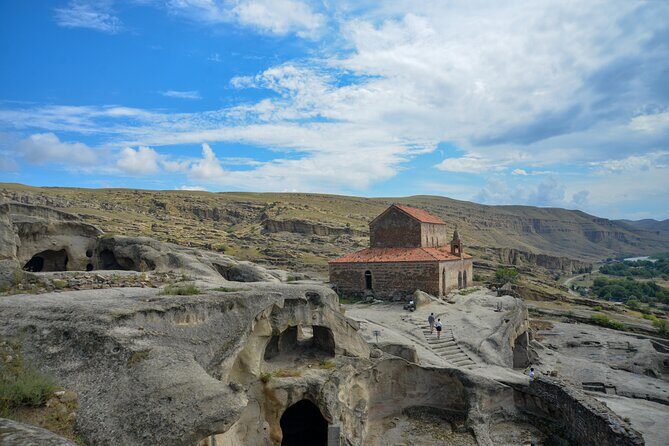
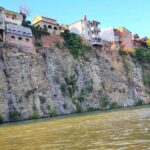
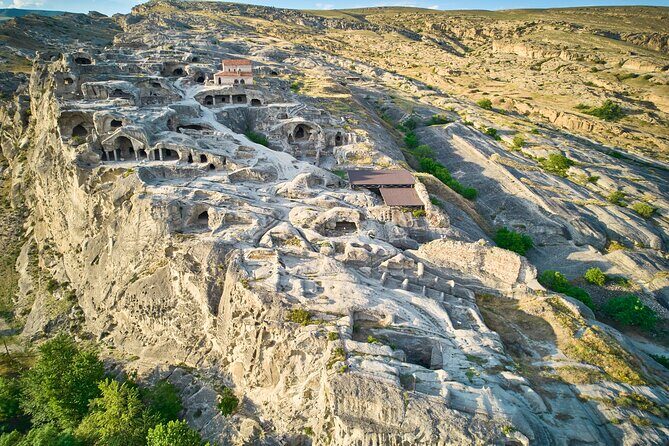
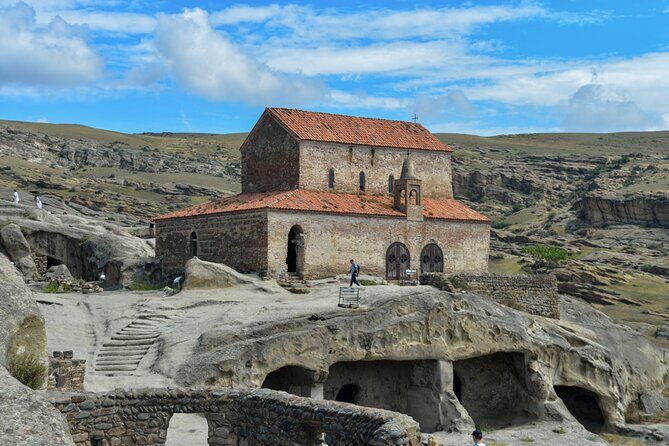
Uplistsikhe is one of those places that feels like it should come with a soundtrack. It’s an ancient rock-hewn town on the left bank of the Mtkvari River, with structures stretching from the Early Iron Age through the Late Middle Ages. What makes it interesting is the cultural mix: you get influences described as coming from Anatolia and Iran, plus a visible shift between pagan and Christian architecture.
What to expect on the ground
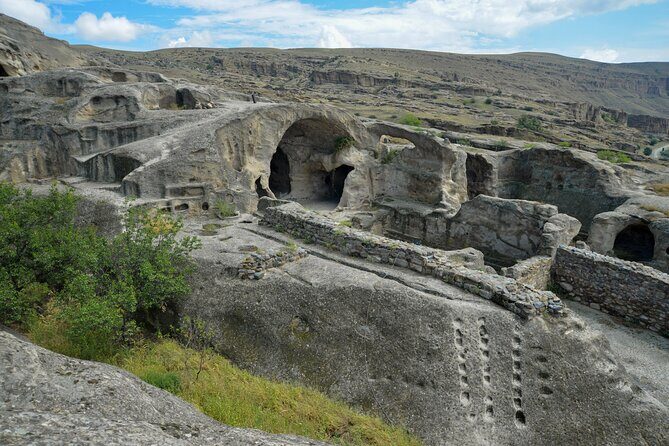
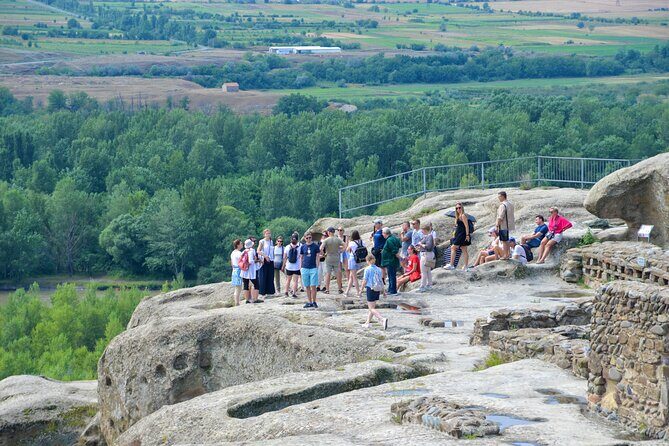
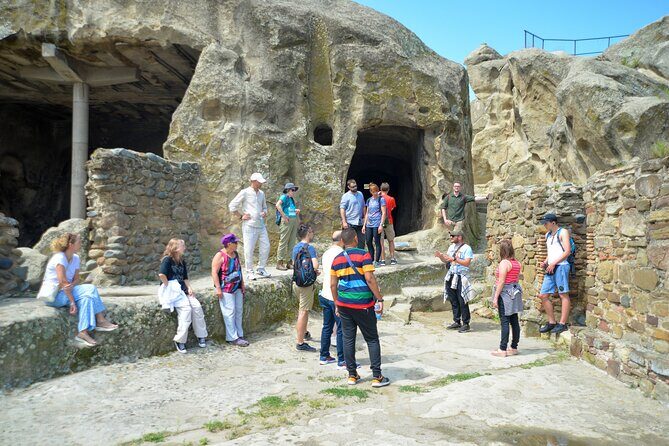
You’ll arrive around 11:00, then have about 1 hour 30 minutes to explore. Expect uneven surfaces, steps, and lots of “look up” moments. There are indoor-like rock spaces, open courtyards, and viewpoints that make the climb feel worth it.


Practical tips that actually help
- Wear grippy shoes. This is not the place for slick soles.
- Bring water if you run warm. Nothing is listed as provided at the entrance.
- Wear a hat in sun season. You’ll be outdoors a good chunk of the time.
If you’ve seen cave sites elsewhere, Uplistsikhe still has a different feel. Here, the rocks aren’t just a backdrop—they’re the entire town structure.
Gori for lunch or free time: your one flexible chunk
After Uplistsikhe, you move to Gori. Lunch is where you get choice. The tour offers a local restaurant lunch option as an upgrade, and it’s also possible to use the time as free time in Gori.
If you choose lunch
The optional lunch is priced at 45 GEL. This option is worth considering if you’d rather not think about finding a place during a tight schedule. Also, you get a more “local food in one sitting” experience instead of searching while your group waits.
If you choose free time
If you skip the lunch option, you’ll still have time in Gori—enough to look around on your own. Gori is populated since the early Bronze Age. Medieval sources attribute its founding to King David IV, and the fortress is described as being in use as early as the 7th century. There’s also the more recent historical context of the 2008 Russo-Georgian war, when the town faced aerial attacks at the start of conflict.
One good way to use this hour is to aim for the fortress views if you’re into panoramic photo moments and quick local atmosphere.
Stalin Museum in Gori: Soviet history, kept in Soviet style
Stalin’s birthplace town has a museum built around one central figure: Joseph Stalin. The stop is optional, with entry priced at 15 GEL.
If you go inside, you can expect a mix of Soviet-era display style plus specific preserved elements: Stalin’s original house is part of the experience, and the museum also retains his railway carriage. The result is less like a neat timeline and more like stepping into an era that still smells faintly of old institutions.
How to decide if it’s for you
If you’re curious about 20th-century history and how ideology shapes daily life, it’s a strong addition. If you’d rather keep the day more scenic and religious, you can skip the museum and use the time for other Gori exploring.
Jvari Monastery: the Cross monastery with river confluence views
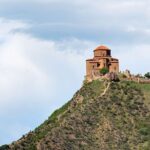
Next up is Jvari Monastery, also known as the Monastery of the Cross. You’ll arrive around 4:35 pm, and you’ll have about 30 minutes.
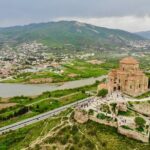
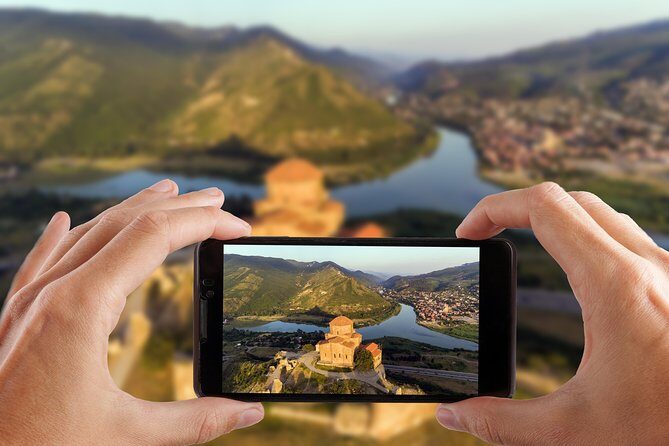
Jvari is a 6th-century Georgian Orthodox monastery near Mtskheta, and it’s part of the UNESCO World Heritage listing. It sits on a rocky hilltop at the confluence of the Mtkvari and Aragvi rivers, which is exactly the kind of setting that made sense for early monasteries: visibility, symbolism, and a sense of distance from daily noise.
When you’re there, don’t rush. This stop works best when you slow down and take in the river geography. The views aren’t a bonus. They’re part of the architecture’s original purpose.
Svetitskhoveli Cathedral in Mtskheta: Living Pillar and royal burial meaning
Your final major stop is Svetitskhoveli Cathedral in Mtskheta. You’ll arrive around 5:25 pm, with time to explore before heading back to Tbilisi.
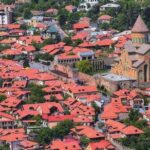
Mtskheta itself is one of Georgia’s oldest cities, founded by ancient Meschian tribes in the 5th century. It was the capital of the early Georgian Kingdom of Iberia from the 3rd century BC to the 5th century AD, and it served as a coronation and burial place for most Georgian kings until the 19th century. That “this mattered for centuries” feeling is hard to fake.
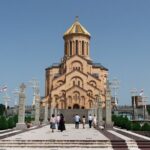
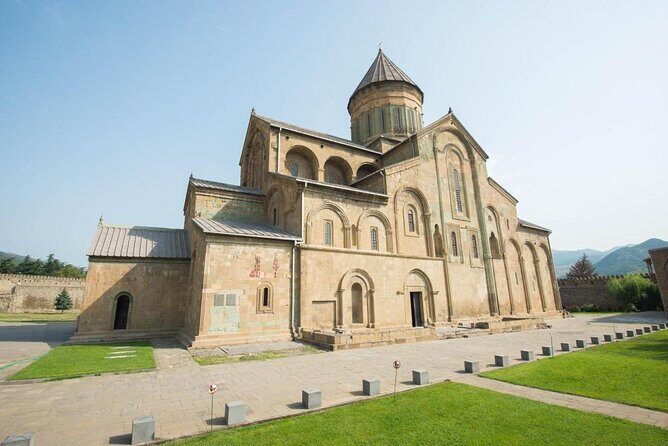
Svetitskhoveli is called the Cathedral of the Living Pillar. It’s the second-largest church in Georgia, after the Holy Trinity Cathedral. It’s also tied to a key Christian relic story: it’s venerated as the burial site of Christ’s robe. Even if you’re not deep into doctrine, the reverence is easy to feel, and the cathedral’s importance is built into how Georgia explains itself.
Church dress code and how to avoid last-minute stress
This tour includes church visits, and rules are real. You can’t enter a church in shorts, and women need to cover their heads. If you don’t travel with a scarf, bring one. It’s the simplest “yes, I planned ahead” item you can pack.
A practical hack: wear long pants and a lightweight layer you don’t mind taking off and putting on. Your day is long, and walking is involved, so comfort helps your focus.
How to get the most from the whole day
A good day trip is really about small decisions.
First, think footwear and water for Uplistsikhe. The cave town is the hardest walking segment. Comfortable shoes mean you see more and stop less from discomfort.
Second, treat Mtskheta as the emotional finish. Jvari and Svetitskhoveli are the places you’ll remember after the bus ride fades. If you’re tired, still do them. This is where the UNESCO context becomes personal.
Third, keep expectations flexible in Gori. You’ll get a block of time, and you can use it your way—lunch, museum, or a bit of independent exploring.
Finally, arrive a few minutes early at the Avlabari meeting area. The day is scheduled, but tour groups always run on real-time momentum.
Who this tour is best for
This day trip is ideal if you:
- Want major UNESCO stops near Tbilisi without dealing with transport planning
- Like history that mixes religion, everyday life, and political context
- Prefer a guided format where someone else handles timing and logistics
It’s less ideal if you:
- Have mobility limits that make steps and uneven surfaces hard (Uplistsikhe can be tough)
- Don’t want any extra ticket fees beyond the base price
Should you book this Uplistsikhe, Gori and Mtskheta day trip?
Yes—if you want the best “hit list” of central Georgia in one full day, this is a strong value. The $29 base price covers the hard part: getting you there with a guide and transport. Then you choose your level of extras with Uplistsikhe entry, possible Stalin Museum entry, and the optional lunch.
Book it if you’re excited by rock-carved history, river-confluence monasteries, and the meaning behind Mtskheta’s royal religious role. Skip it or adjust your expectations if you’re not comfortable with stairs and uneven ground.
If you want one practical move: bring grippy shoes, a head covering for women, and a little water patience for the cave-town walk. Do that, and you’ll leave with a day that feels like more than a drive-by.
FAQ
How long is the day trip from Tbilisi?
It runs for about 10 hours (approx.).
What does the $29 price include?
It includes a professional guide service and round-trip transportation.
Is lunch included?
Lunch in a local restaurant is optional. The lunch upgrade is listed at 45 GEL (about 17 USD per person).
Do I need separate tickets for Uplistsikhe and the Stalin Museum?
Yes. Uplistsikhe has an entrance fee (15 GEL) and the Stalin Museum in Gori has an entrance fee (15 GEL). These are not included in the base price.
Are church sites included for free?
Jvari Monastery and Svetitskhoveli Cathedral are listed with admission ticket free for this tour.
What’s the church dress code?
Shorts aren’t allowed. Women need to cover their heads.