REVIEW · TBILISI
8-Day Private Tour around Georgia
Book on Viator →Operated by TrekGeorgia · Bookable on Viator
Georgia feels like a shortcut through time.
This 8-day private tour strings together Tbilisi’s old streets, Kakheti’s qvevri wine culture, and the high-mountain views around Kazbegi, then adds UNESCO monuments and cave towns without making you plan anything. I especially like that wine tasting is built into the route, and that the trip is structured as an easy-to-follow circuit with entrance fees handled for the listed sights. The one thing to watch is the pace: you’ll spend long days driving between regions, so you’ll want to come ready for lots of van time and early starts.
It’s also a good value if your goal is variety—cities, monasteries, fortresses, and some of Georgia’s most famous scenery—while keeping logistics simple with an air-conditioned vehicle and a professional guide for the full 8 days. You also get practical perks like pickup, group discounts, and a mobile ticket. The possible drawback is that lunch isn’t included, so you’ll need to budget extra and plan for stop-and-go eating on the go.
In This Review
- Key highlights at a glance
- Georgia in 8 days: what this private route does best
- Price and value: what $1,950 buys you (and what it doesn’t)
- Day 1 in Tbilisi: old town streets and the sulfur-bath vibe
- Day 2 and 3: Kakheti wine country (Kvareli, Telavi) and Sighnaghi’s walls
- Kvareli and the Kakheti wine trail
- Sighnaghi: city-of-love energy and defensive walls
- Day 4: Mtskheta UNESCO, Ananuri, and Kazbegi’s Gergeti Trinity Church
- Mtskheta: Svetitskhoveli and Jvari
- Ananuri and the way to Kazbegi
- Day 5: Gori’s Stalin Museum and Uplistsikhe’s cave town
- Day 6: Kutaisi UNESCO, Okatse skywalk, and Martvili canyon by boat
- Kutaisi UNESCO stops: Bagrati and Gelati
- Okatse Canyon skywalk: walk on the cliff edge
- Martvili Canyon boat ride
- Day 7: Borjomi mineral waters and Rabati Castle in Samtskhe-Javakheti
- Day 8: Vardzia’s cave monasteries and the route back through Javakheti
- What the driving days really feel like (and how to make it easier)
- Private guide energy: what to expect from the human side
- Who should book this Georgia circuit?
- Should you book TrekGeorgia’s 8-Day Private Tour around Georgia?
- FAQ
- What time does the tour start?
- Is pickup offered?
- Is this a private tour?
- What’s included in the price?
- Are lunch and drinks included?
- How many nights are spent in each place?
- What luggage and dress code should I plan for?
Key highlights at a glance
- Wine-country culture in Kakheti with Qvevri Wine Museum visits and tastings in notable wineries
- Cave monasteries and cave cities including David Gareja and Uplistsikhe, plus Vardzia’s 600+ caves
- UNESCO stops without guesswork from Svetitskhoveli and Jvari to Bagrati and Gelati
- High viewpoints and canyon time with Gergeti Trinity and the Okatse skywalk plus Martvili canyon boat rides
- Comfort made practical with air-conditioned transport, hotel/guesthouse nights included, and entrance fees covered
Georgia in 8 days: what this private route does best
This isn’t a “one city” trip. It’s a Georgia sampler—in a good way. You get the capital first to get oriented, then you shift into wine country, then into mountain country, then into western Georgia’s UNESCO sites and canyons, and finally into medieval fortresses and cave monasteries. If your idea of a perfect trip is swapping settings every day or two (without having to stitch together tickets and transfers yourself), this style fits.
The best part is how the route balances big sights with regional character. You’re not only checking off famous names; you’re also moving through the areas that made Georgia what it is: the wine-making tradition, the religious architecture, and the cliffside geology that turned into homes and places of worship.
You can also read our reviews of more private tours in Tbilisi


Price and value: what $1,950 buys you (and what it doesn’t)
At $1,950 per person for a private 8-day tour, the cost only feels “high” if you’re comparing it to DIY travel with no guide or no admissions. Here, the deal makes sense because several big expense categories are folded in:
- A professional guide for 8 days
- Air-conditioned vehicle and fuel surcharge
- 3-star hotels and guesthouse stays (Tbilisi, Kvareli, Kazbegi, Kutaisi, Akhaltsikhe)
- Entrance fees included for sights listed in the itinerary
- Wine tasting included during the tour
- Breakfast for 6 days and dinner for 2 days
- Two airport transfers
What’s not included is also clear: lunch and alcoholic drinks. That means you should plan to spend extra for midday meals and any wine you want beyond what’s in the tasting portion.
My practical take: if you value time, comfort, and not wrestling with tickets, this price is competitive for a private, multi-region circuit that hits UNESCO, wine country, and cave sites.
Day 1 in Tbilisi: old town streets and the sulfur-bath vibe
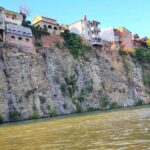
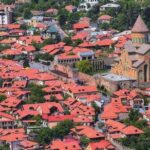
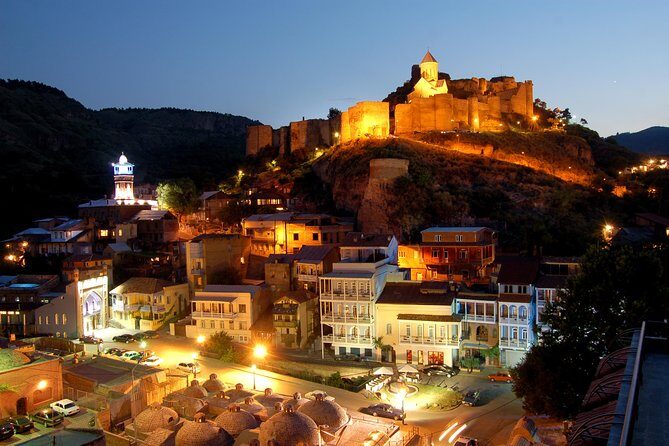
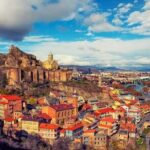
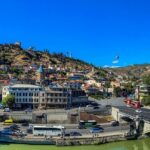
Your trip starts in Tbilisi, with a city tour focused on old neighborhoods and the mix of architecture you can’t fake. You’ll walk through narrow streets, see 19th-century houses with wooden balconies, and visit areas tied to the city’s religious and historic fabric. The mention of Sulphur baths is important, because it tells you the tone of the day: Tbilisi isn’t only about churches and viewpoints; it’s also about everyday Georgian culture and how old traditions still shape daily life.
One more practical note: the “10 hours” time block is long, but it usually works because the city sightseeing is walkable in parts and you’re not fighting long intercity transfers on day one. It’s a strong warm-up day.
Day 2 and 3: Kakheti wine country (Kvareli, Telavi) and Sighnaghi’s walls
Kvareli and the Kakheti wine trail
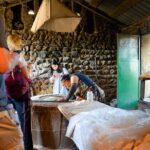
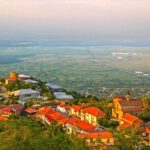
Kakheti is Georgia’s wine-making heartland, and this route makes you experience it in layers. You’ll start in the Kvareli area and visit the Qvevri Wine Museum, which matters because qvevri isn’t just a type of container—it’s a whole method and mindset. Then you’ll head to Winery Khareba, known for storing wine in cut-off tunnel spaces in the Caucasus mountain region. Even if you don’t consider yourself a “wine person,” this kind of location makes the tasting more interesting than a simple pouring session.
You also get historic architecture stops that explain why wine culture isn’t separate from religion and community life. In the Telavi area, you’ll see Batonis Tsikhe (Fortress of Master), plus stops including Ikalto monastery, Alaverdi Cathedral, and the Gremi complex.


Sighnaghi: city-of-love energy and defensive walls
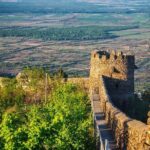
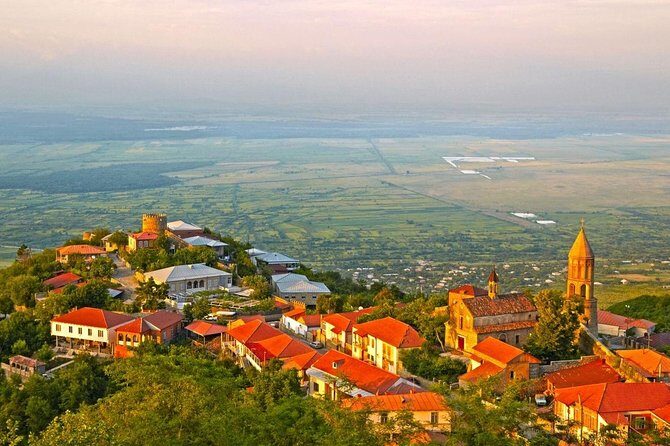
Then you shift to Sighnaghi, described as the city of love. The big draw here is how it feels built for wandering: narrow streets, old 19th-century houses with wooden balconies, and access to parts of the largest defensive walls in Georgia (about 4 km long). This is one of those towns where you’ll want comfortable shoes and a relaxed rhythm—views and streets come in quick bursts.
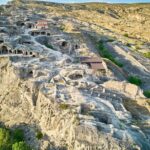
From Sighnaghi, you also travel to the David Gareja monastery complex, a medieval cave monastery site with caves connected to religious life going back to the 6th century. If you like places where geology and faith mix—caves carved over time—this is a highlight.
Day 4: Mtskheta UNESCO, Ananuri, and Kazbegi’s Gergeti Trinity Church
Day four gives you the best “classic Georgia” sequence: medieval capitals, UNESCO monasteries, a fortress by a reservoir, and then the high-mountain church.
Mtskheta: Svetitskhoveli and Jvari
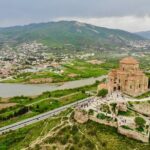
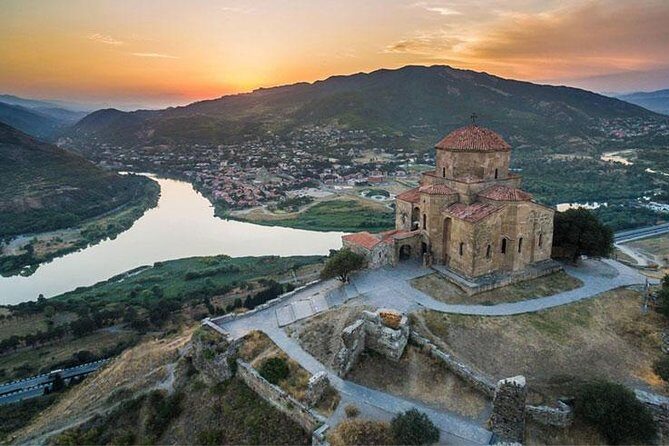
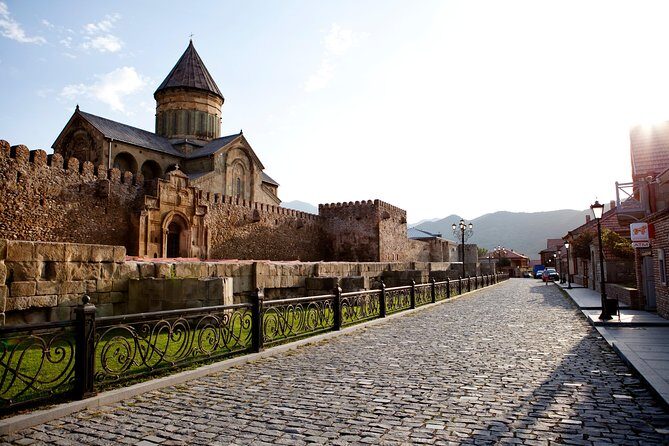
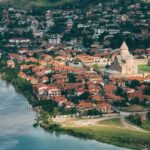
You’ll visit Mtskheta, an ancient capital, then see UNESCO sites like Svetitskhoveli and Jvari Monastery. These stops work well early in the day because they help you understand Georgia’s religious and historical center—before you go up into the mountains where the views can steal your attention.
Ananuri and the way to Kazbegi
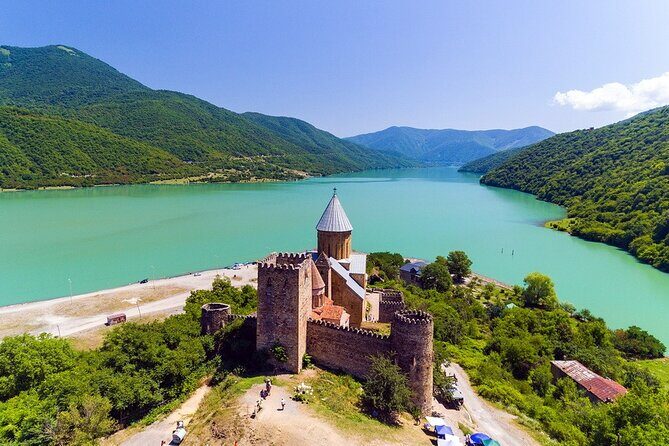
Next comes Ananuri, a castle complex with the kind of fortress layout that makes sense once you’ve seen enough monasteries to realize Georgia often built vertically—around defense and faith.
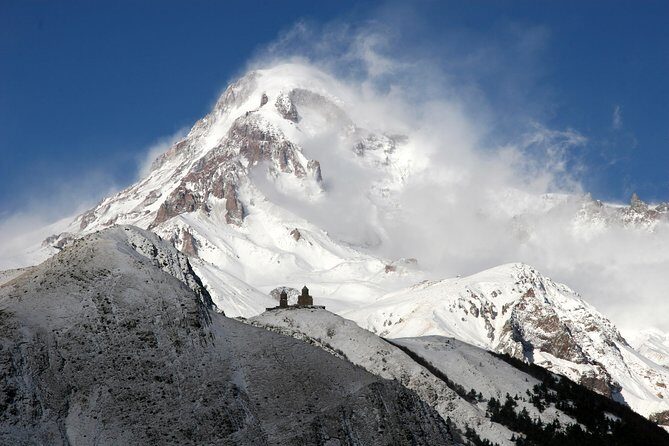
Then you arrive in Kazbegi in the evening and visit Gergeti Trinity Church, one of the most recognizable mountain-church images in Georgia. Timing matters here. The evening visit can feel dramatic, but it also means you’ll want to dress for temperature shifts—mountain air changes fast.
Day 5: Gori’s Stalin Museum and Uplistsikhe’s cave town
This day has a strong contrast. You start in Gori, visiting the Stalin Museum and learning about a chapter of the 20th century that still echoes across Georgia’s public history.
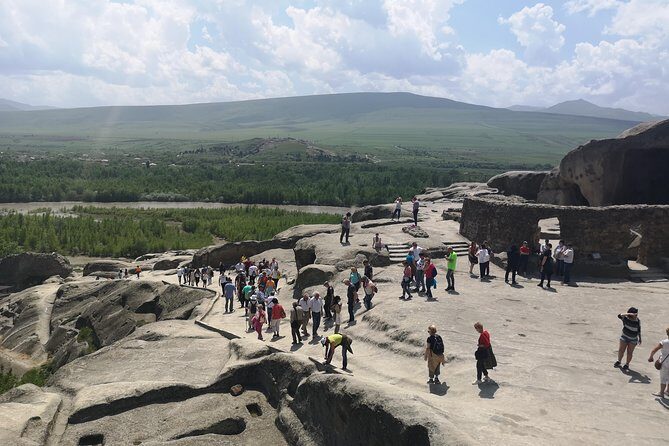
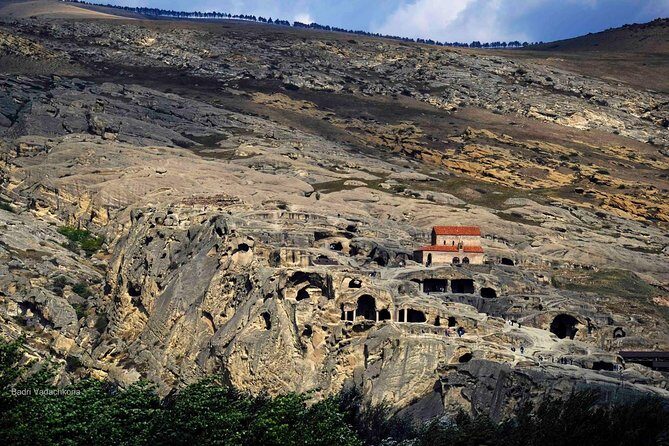
Then you switch gears to Uplistsikhe, a cave town carved in the 1st millennium BC, described as a fortress of the lord. The value of Uplistsikhe is that it’s not only “ancient caves”—it’s a whole built environment carved into rock, shaped for living and control. It’s one of the stops that helps you connect the dots between Georgia’s long timeline of settlement and its geography.
By the end of the day, you continue toward western Georgia, including Kutaisi. That transition is worth mentally preparing for: you’re still in sightseeing mode, but the scenery and architectural style will shift.
Day 6: Kutaisi UNESCO, Okatse skywalk, and Martvili canyon by boat
Kutaisi UNESCO stops: Bagrati and Gelati
You’ll visit Bagrati Cathedral (11th century) and Gelati monastery complex (12th century), both UNESCO sites. Even if your attention span is tired from early starts, UNESCO days are usually structured well: you get the key buildings, the reasons they’re famous, and time to walk and absorb.
Okatse Canyon skywalk: walk on the cliff edge
Then comes the day’s adrenaline: Okatse Canyon and a cliffside hanging path—the skywalk—where you get views over the canyon from above. This is an excellent stop if you like active sightseeing. If you have a fear of heights, give yourself extra caution. The benefit is huge: the canyon suddenly turns from “a place you pass by” into “a place you experience.”
Martvili Canyon boat ride
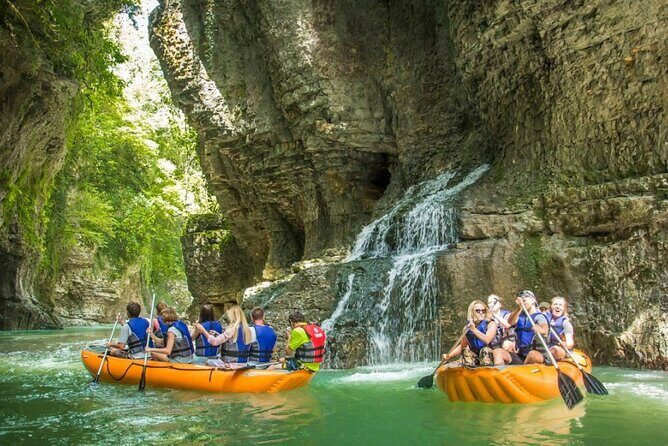
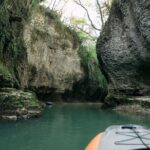
After Okatse, you go to Martvili Canyon and take a boat tour into the canyon. This balances the day: skywalk for height and walking, boat ride for slower, water-level perspective. It’s a good double feature and helps break up the physical strain of being in a vehicle all day.
Day 7: Borjomi mineral waters and Rabati Castle in Samtskhe-Javakheti
Day seven starts with Borjomi, famous for mineral waters. Even though you’re not guaranteed long free time for a mineral-water tasting here, this stop gives you the Georgian idea of rest and refreshment tied to geography.
Then you visit Rabati Castle in Samtskhe-Javakheti. The draw is the medieval fortress scale—walls, structures, and the sense of a stronghold built for survival. Rabati works especially well after the canyon and UNESCO days because it returns you to a different kind of Georgia: stone defense, layered architecture, and a region that feels more inland and rugged than coastal routes.
The itinerary includes an overnight in Akhaltsikhe, which is helpful for keeping the travel flow from turning into an all-day scramble.
Day 8: Vardzia’s cave monasteries and the route back through Javakheti
Your final full day focuses on a major spiritual-geologic site: Vardzia. You’ll explore the cave monastery complex, carved across the 12th centuries, and mentioned to include more than 600 caves. This is the kind of place where you understand why caves became churches and homes: the rock itself becomes shelter, storage, and identity.
After Vardzia, you travel back toward Tbilisi and stop along the way in Javakheti nature. You’ll also see Lake Paravani, described as the largest lake, and visit Foka convent.
That mix makes the ending feel gentler than a straight drive back. Instead of one last pile of monuments, you end with nature and a quieter stop at the convent before returning to Tbilisi.
What the driving days really feel like (and how to make it easier)
A tour like this is built around regions. That’s great for variety, but it also means:
- You’ll likely spend a lot of the day in the air-conditioned vehicle.
- Sightseeing blocks are long, including days with 10-hour time windows.
- You’ll want a flexible mindset: you’re moving through Georgia, not staying in one place long enough to fully slow down.
My advice: pack a day-bag with water (even if lunch isn’t included), layers for temperature changes, and comfortable shoes you can wear for uneven terrain—especially for canyon paths and cave sites. Also, Georgia’s road distances add up fast; the more you keep your expectations realistic, the more you’ll enjoy the constant scene changes.
If you’re lucky with timing and your guide manages the day well, the long schedule can feel like a series of “mini-quests” instead of fatigue.
Private guide energy: what to expect from the human side
This is a private tour, so you won’t be sharing your schedule with strangers. That matters because a guide can adjust pacing, answer questions, and help you get the most from short stops.
In the feedback tied to this provider, guides named Dimitri and Dito show up as helpful planners, with another guide referenced as Kate, and a driver named George mentioned with strong English ability. You can’t count on exact names, but the pattern is clear: the human support is treated as part of the value, not just a checkbox.
For you, the practical benefit is confidence. If something takes longer, or you want an extra photo minute near a viewpoint, a private setup makes that easier than fixed group tours.
Who should book this Georgia circuit?
This works best for you if:
- You want a structured route that includes UNESCO sites, wine country, and cave monasteries
- You prefer a professional guide and included entrance fees to reduce planning stress
- You like variety—churches, fortresses, canyons, and mountain views—without choosing between them
It may be less ideal if:
- You hate long days on the road
- You’re hoping for lots of free time in just one or two towns
- You want all meals included (lunch and alcohol aren’t included)
Should you book TrekGeorgia’s 8-Day Private Tour around Georgia?
I’d book it if your goal is to see a lot of Georgia in a single trip while keeping logistics straightforward. The inclusion list is strong: hotels/guesthouses, entrance fees, wine tastings, and multiple UNESCO and cave sites. For the price, you’re paying for time saved and for a route designed as a full regional circuit.
Before you book, check two things: make sure you’re okay with long driving days, and plan a budget for lunch and any extra wine beyond tastings. If that fits your travel style, this is a satisfying way to experience Georgia as more than just Tbilisi.
FAQ
What time does the tour start?
The tour start time is 9:00 am.
Is pickup offered?
Yes, pickup is offered, and the tour includes 2 airport transfers.
Is this a private tour?
Yes. It’s private, so only your group participates.
What’s included in the price?
Included are an air-conditioned vehicle, fuel surcharge, a professional guide for 8 days, lodging (3 overnights in Tbilisi at 3-star hotels plus guesthouse stays in Kvareli, Kazbegi, Akhaltsikhe, and a 3-star hotel in Kutaisi), entrance fees for listed sights, all wine tasting in the itinerary, breakfast for 6 days, and dinner for 2 days.
Are lunch and drinks included?
Lunch isn’t included. Alcoholic drinks are available to purchase, but they are not included.
How many nights are spent in each place?
You’ll have 3 overnights in Tbilisi, 1 overnight in Kvareli, 1 overnight in Kazbegi, 1 overnight in Kutaisi, and 1 overnight in Akhaltsikhe.
What luggage and dress code should I plan for?
Dress code is smart casual. Each traveler is allowed a maximum of 1 suitcase and 1 carry-on bag; oversized or excessive luggage may have restrictions, so it’s best to ask in advance.