REVIEW · TBILISI
Tbilisi Walking Tour Including Cable Car and Traditional Bakery
Book on Viator →Operated by Gamarjoba Georgia Tours · Bookable on Viator
Tbilisi by foot, with sky-high views. This tour strings together Old Tbilisi landmarks with a cable car ride to the famous Mother of Georgia statue, all in about four hours. You also get a classic food stop that feels very Georgian, not touristy filler.
I love two things right away: the pace feels manageable for first-timers, and the tour leans into stories that make the sites make sense. Guides named in guest feedback like Ana, Soso, Nika, and Elle come through as friendly and on-message, so you walk away with a clearer picture of how Tbilisi grew.
One thing to consider: the cable car can be paused during windy weather, even though the tour itself runs in all weather. If you’re visiting on a blustery day, I’d plan to stay flexible about that view.
In This Review
- Key things that make this tour worth your time
- A four-hour plan that helps you get your bearings fast
- Where the tour starts: Avlabari and that friendly pre-walk vibe
- Metekhi Cathedral and Vakhtang Gorgasali: Tbilisi’s origin stories in one line of sight
- Europe Square and Rike Park: modern context without turning it into a lecture
- Cable car to Mother of Georgia: the viewpoint payoff
- Kartlis Deda: the symbol you’ll keep noticing in the city
- Bridge of Peace: LEDs, design details, and a quick lesson in modern Tbilisi
- Patriarchate seminary pause: a calm moment near the center of faith
- Anchiskhati Basilica and Sioni Cathedral: where time layers stack up
- Rezo Gabriadze’s clock tower: a charming distraction that actually has meaning
- Toast tradition at the Tamada statue, then down to Shardeni Street
- Abanotubani bathhouse district: the smell of history
- Leghvtakhevi Waterfall: the break from stone and crowds
- Tone bakery stop: pie and lemonade that make the tour feel local
- Price and value: why $19 feels fair for what you get
- Who this tour suits best
- Guides make a big difference (and the names keep coming up)
- Should you book this Tbilisi walking tour?
- FAQ
- How long is the walking tour in Tbilisi?
- Where does the tour start and where does it end?
- Is the cable car ride included?
- What food is included during the tour?
- What language is the tour offered in?
- Are churches included, and is there a dress code?
- Is there a minimum age to join?
Key things that make this tour worth your time
- Cable car to Mother of Georgia for a big-city panorama in a short window
- Historic Old Town churches where legends and layers of time are part of the visit
- Street-level Tbilisi culture at places like Shardeni Street and the toast tradition stop
- Rezo Gabriadze’s clock-tower theater with a show schedule you can line up with
- A real bakery break with traditional Georgian pie and lemonade included
- Comfortable group logistics with a max size of 100 and a mobile ticket for easy entry
A four-hour plan that helps you get your bearings fast

If you land in Tbilisi with only a day (or just a half-day you refuse to waste), this is a strong way to orient yourself. You cover the central river-banks, climb to one of the city’s best viewpoints by cable car, and then work your way back through Old Town.
You’re not doing marathon distance. This is more about rhythm: short guided segments, quick sight stops, and enough pauses that you can look, take photos, and ask questions without feeling like you’re being dragged.
You can also read our reviews of more walking tours in Tbilisi


Where the tour starts: Avlabari and that friendly pre-walk vibe
The meeting point is at M/S Avlabari in Tbilisi. It’s described as a space where you can meet other people, play board games, listen to music, and even enjoy a glass of wine while you wait.
That might sound like a small detail, but it changes the mood. Instead of a stressed scramble outside a church, you start the walk calmer, and you get a chance to settle your feet before the sightseeing begins.
Metekhi Cathedral and Vakhtang Gorgasali: Tbilisi’s origin stories in one line of sight
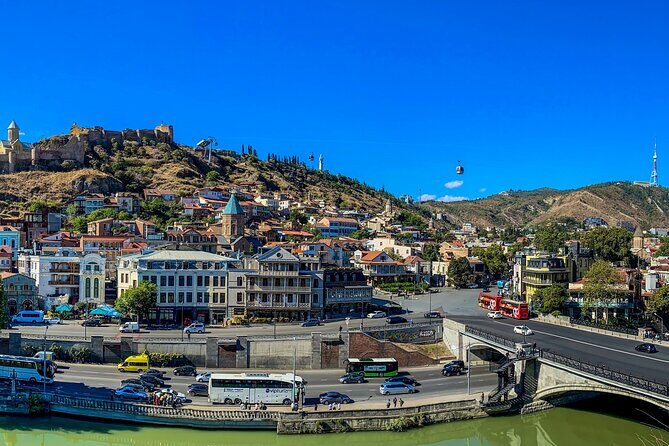
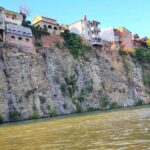
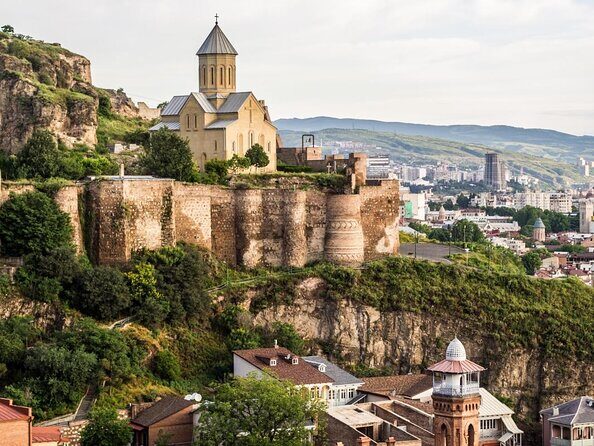
Your early stops center on the left bank and cliff plateau area. Metekhi Cathedral (Virgin Mary Metekhi church) is free to view, and the tour frames it with legend and history—like the idea that an early church may have been built there by Vakhtang Gorgasali, and the story about Saint Shushanik.
Next comes the Monument of King Vakhtang Gorgasali. Even if you’re not the type to memorize dates, the point here is clear: the guide connects the king to the wider struggle against bigger empires, plus the tradition that ties him symbolically to Tbilisi’s founding. This is how the city’s name and identity keep showing up in stone.
Europe Square and Rike Park: modern context without turning it into a lecture
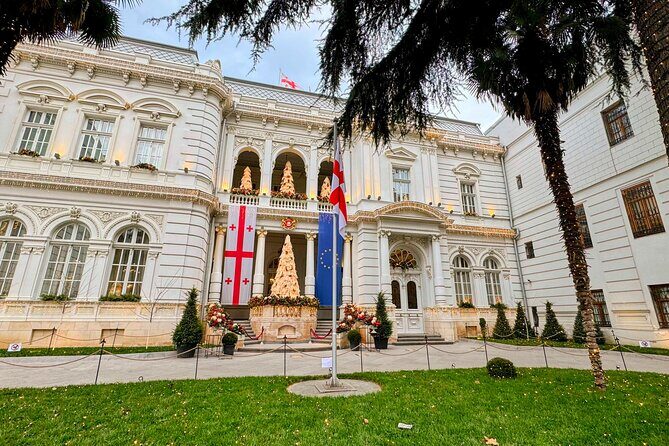
Then you cross over Europe Square, where you get a quick explanation of Georgia’s relationship with the European Union. The tour doesn’t bury you in politics; it gives you enough context to understand why locals talk about Europe in everyday ways.
From there, you move into Rike Park, a younger riverfront recreation area that’s easy to spot from the Bridge of Peace. This stop matters because it also sets up what comes next: the cable car start point for Narikala fortress is located here, so you’re not guessing how to get the famous views later.
Cable car to Mother of Georgia: the viewpoint payoff

The tour includes a ride on the Rike–Narikala cable car, with the upper station giving you access to the Mother of Georgia statue. The big value here is time. You get a viewpoint that normally takes more effort than it should on a tight schedule.
One practical note: cable cars won’t be operating during windy weather. The tour still runs, but this is the one part that can change your exact photo angles and timing, so it’s smart to go in with flexibility.



Kartlis Deda: the symbol you’ll keep noticing in the city

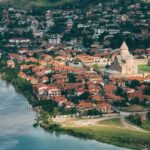
After the cable car, you reach Kartlis Deda (Mother of a Georgian) on Sololaki hill. The tour frames the statue as a city symbol: she holds a bowl of wine in one hand for friends and a sword in the other for enemies.
This description isn’t just poetic. Once you understand what she’s meant to represent, you start seeing that attitude reflected in how Tbilisi presents itself—hospitality paired with stubborn pride. It’s a short stop, but it sticks.
Bridge of Peace: LEDs, design details, and a quick lesson in modern Tbilisi
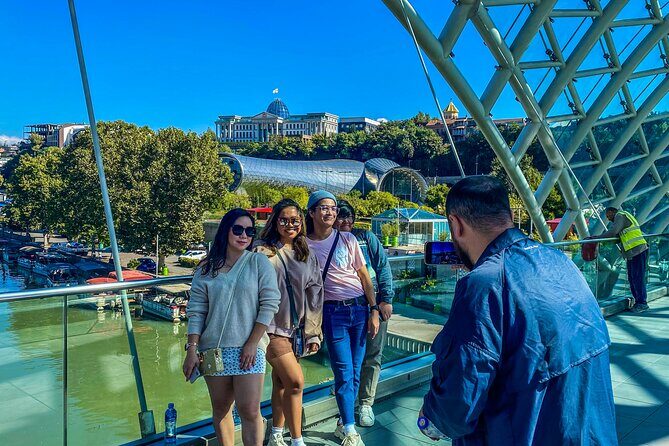
Next is the Bridge of Peace, a pedestrian bridge over the Mtkvari (Kura) river. It’s bow-shaped, glass-and-steel, and opened in May 2010. The tour also mentions that it came to Georgia from Italy in 200 unassembled components.
Even better, the bridge has built-in LED lighting—switched on daily about 90 minutes before sunset. That means it’s not only about daytime photos. If you’re doing an evening tour, you might catch the atmosphere shift.
Patriarchate seminary pause: a calm moment near the center of faith
You also stop at the Georgian Patriarchate of Georgia religious seminary. The tour calls out interesting facts about the place, and it works as a breather between big visual attractions.
This is one of those stops that can feel optional on a list—but it helps the rest of the religious Old Town sights land with context. You’re not just looking at architecture; you’re seeing how deeply religion is woven into public life.
Anchiskhati Basilica and Sioni Cathedral: where time layers stack up
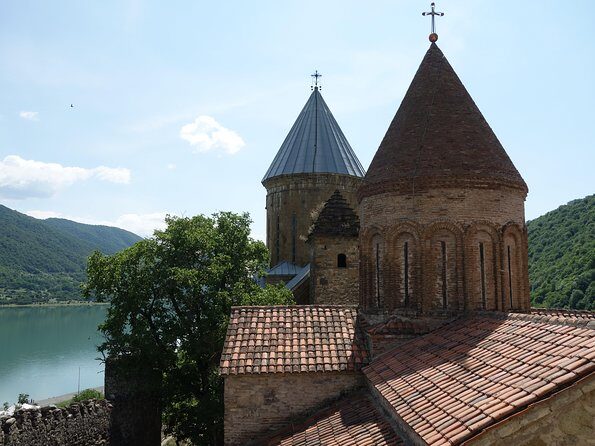
The tour then heads into historic church territory with Anchiskhati Basilica. The church is said to date back to the 6th century, with the tour connecting it to Dachi Ujarmeli and the Virgin Mary’s Birth. The name Anchiskhati came later, and the story about the movement of an image of Christ not made by hand is part of the explanation.
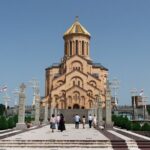
After that, you visit Sioni Cathedral Church in the oldest upper Kala district. The tour mentions a legend tying an early church on this spot to King Vakhtang Gorgasali in the 5th century.
Two practical things for church stops:
- Dress code matters. No shorts, and women need to cover their heads to enter churches.
- Even if you’re only stopping for a short look, it’s worth arriving ready so you don’t have to scramble mid-walk.
Rezo Gabriadze’s clock tower: a charming distraction that actually has meaning
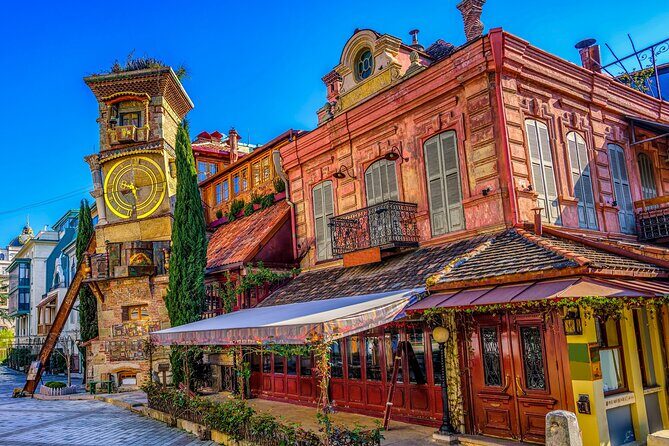
A highlight for many people is the Rezo Gabriadze Marionette Theater area. In 2010, a unique clock tower was built next to the theater, and every hour an angel appears with a hammer to ring the bell.
There’s also a small puppet theater inside the tower. The tour notes that at 12:00 and 19:00 you can see a show called The Circle of Life. Even if you’re not planning to catch both, the tower itself is a quick injection of playfulness into what can be a heavy historic walk.
Toast tradition at the Tamada statue, then down to Shardeni Street
Next is the Tamada (Toastmaster) Statue, paired with stories about Georgia’s tradition of toastmastering. This stop is about culture in motion—how social life works and why words at the table carry weight.
Then you walk through Jan Shardeni Street, a pedestrian street that’s one of the most popular and beautiful in Tbilisi. This is a smart pivot after churches and monuments: it puts you back on human scale. You’ll see the city’s energy at street level, and you can browse or snack if you have time.
Abanotubani bathhouse district: the smell of history
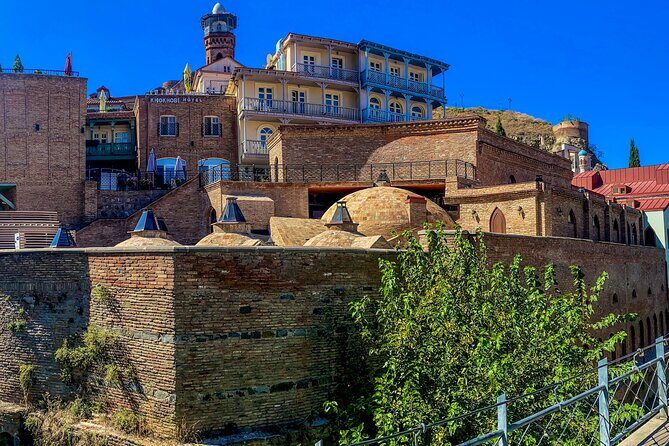
In Abanotubani, you’re in the Old Town zone of sulfur hot springs and public bathhouses. The tour points you to a street (Abanos Kucha) lined with bathhouses that use those hot springs.
This is one of those places where the sensory details matter. Even if you don’t go inside for a bath, the district gives you a very specific feel for how Tbilisi used warm water as part of daily life. It’s not just architecture; it’s a living tradition.
Leghvtakhevi Waterfall: the break from stone and crowds
Finally, you visit Leghvtakhevi Waterfall. The tour describes it as a popular spot where people chill, especially in hotter weather.
This last stretch gives you a change of pace. After churches, bridges, and statues, a waterfall moment feels like a reset for your legs and your eyes. It’s also the kind of stop that can make the entire walk feel more “Tbilisi” than “checklist.”
Tone bakery stop: pie and lemonade that make the tour feel local
Near the middle-to-late portion of the route, there’s a stop at Tone bakery. You get traditional Georgian pie and lemonade, with the food included in the tour price.
This is a big reason the tour works for first-timers. It’s not a generic snack stop; it’s a purposeful pause where you can sit, eat something warm and filling, and keep walking without feeling like you’re losing time.
Price and value: why $19 feels fair for what you get
At $19 per person for about four hours, the value comes from the mix. You’re paying for a professional guide, plus the tour includes the cable car ride and the bakery items (pie and lemonade).
Individually, the cable car plus a proper food stop can often eat up most of a small budget. Here, they’re bundled into a route that also includes major sights from cathedral stops to Old Town culture spots. That’s the math that matters.
Who this tour suits best
This tour is best if you:
- Are in Tbilisi for the first time and want a guided framework fast
- Prefer walking with a manageable pace and short sight explanations
- Want a mix of viewpoints, churches, and street culture in one go
- Like tours where food is actually part of the plan
It can be less ideal if you:
- Want to move quickly and never linger at stops
- Are highly sensitive to pacing differences between groups
One piece of feedback that fits right in: a small number of people felt the pace was slower than they personally preferred, with some stops taking longer than expected. If that’s your style, aim for an earlier start and be ready to ask your guide for what to prioritize.
Guides make a big difference (and the names keep coming up)
The strongest repeated theme from feedback is the guide experience. People praised guides including Ana, Soso, Nika, Elle, Mika, Nini, Iva, Dimitri, and Shoti, often citing clear English, friendly energy, and good explanations.
That matters because this route relies on context. The city is full of monuments and old churches. With a good guide, those stops don’t blur together.
Should you book this Tbilisi walking tour?
If you’re trying to do Tbilisi smart in a short time, I’d book it. The included cable car, the bridge-and-viewpoint sequence, and the bakery stop make it feel like more than just a stroll.
Book it especially if you want an easy first-day orientation. Pick the morning or evening option that matches your energy and light preferences, and keep your eyes on the weather so you’re not surprised if the cable car pauses.
If you hate slow pacing, consider whether a guided walk is your thing. But with strong guide feedback and a route that covers major sights without turning it into a sprint, this is a solid value buy for your first hours in Tbilisi.
FAQ
How long is the walking tour in Tbilisi?
The tour runs for about 4 hours.
Where does the tour start and where does it end?
It starts at M/S Avlabari, Tbilisi, Georgia and ends in the center of the old city near Meidan Bazar (MRQ5+VJQ, Tbilisi).
Is the cable car ride included?
Yes. The tour includes the cable car ride to the Mother of Georgia statue, but cable cars won’t be operating during windy weather.
What food is included during the tour?
You’ll stop at Tone bakery for traditional Georgian pie and traditional Georgian lemonade.
What language is the tour offered in?
The tour is offered in English.
Are churches included, and is there a dress code?
Yes, there are church stops. Shorts are not allowed for anyone entering a church, and women need to cover their heads.
Is there a minimum age to join?
The minimum age is 5.