REVIEW · TBILISI
Cook True Ajarian Khachapuri and Khinkali in Highlanders Style
Book on Viator →Operated by Chakandrila · Bookable on Viator
Cheese boats and dumplings in Tbilisi are surprisingly doable. This private cooking class at Chakandrila has you making Adjarian khachapuri and khinkali, then eating what you just made with homemade wine.
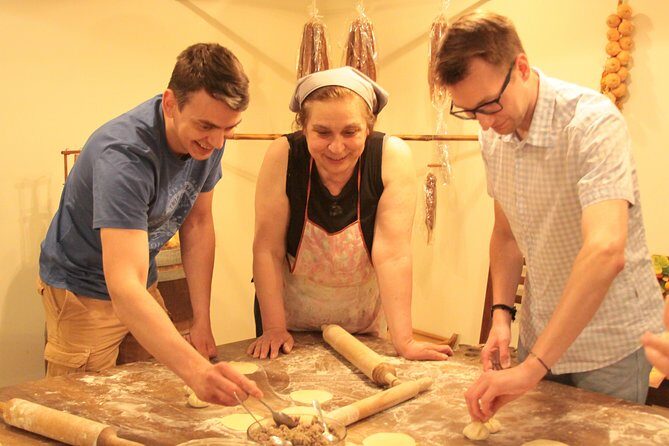
I love the hands-on, step-by-step teaching. The chef (often Irina, with helpers like Ella or Tamara showing up in some sessions) is patient, funny, and ready to correct your technique without making you feel silly. I also like that lunch is included: you skip the next restaurant stop and turn it into a meal with a story.
One thing to consider: the class uses cheese and eggs, and you’ll also need a bit of timing patience because the khachapuri dough needs rest time. If you’re allergic to eggs or cheese, this may not be a fit.
In This Review
- Quick Hits Before You Cook
- Meeting Chakandrila on Merab Kostava St
- Adjarian Khachapuri: The Boat-Shaped Cheese Pie Lesson
- Khinkali: Folding Dumplings Without Turning Into a Stress Case
- Homemade Wine, Non-Alcoholic Drinks, and Real Table Talk
- What Your 2 Hours 30 Minutes Actually Feels Like
- Price and Value: Why $39 Feels Fair Here
- Who This Class Is Best For
- Small Details That Matter More Than You Think
- Should You Book This Tbilisi Cooking Class?
- FAQ
- How long is the cooking class?
- What dishes do we cook and eat?
- What’s included in the price?
- Is there a vegetarian option?
- Is the class private?
- Is the class taught in English?
- Where do we meet?
- Does the class use eggs or cheese?
- Can I take photos or videos?
- Is cancellation free?
Quick Hits Before You Cook
- Private, home-style class at Chakandrila, not a mass-cooking factory
- Adjarian khachapuri plus 5–6 khinkali per guest, so you leave properly fed
- Homemade wine included, with non-alcoholic drinks available
- Step-by-step instruction aimed at helping you cook again at home
- English instruction plus extra support where needed (some sessions use more than one language)
- Vegetarian swaps possible if you ask (especially for meat-based dumplings)
Meeting Chakandrila on Merab Kostava St
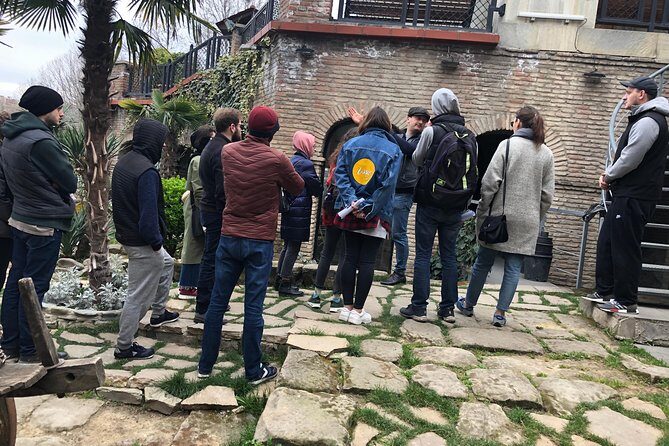
You’ll start at Biblusi #8 on Merab Kostava St, with the class based around Chakandrila, a cozy cooking workshop. It’s in a convenient area and you’re near public transportation, which matters in Tbilisi because street logistics can be a little chaotic.
From the start, the vibe is calm and local. You’re not just watching. You’re cooking. The class also feels personal because it takes place in a home-like setting rather than a public restaurant kitchen. That changes the energy. People talk. You ask questions. And yes, you can usually take notes and pictures while you cook (one of the nice touches highlighted in the feedback).
You’ll get confirmed info within 48 hours of booking (subject to availability), and you’ll use a mobile ticket. That keeps it low-drama on your end.
You can also read our reviews of more tours and experiences in Tbilisi.


Adjarian Khachapuri: The Boat-Shaped Cheese Pie Lesson
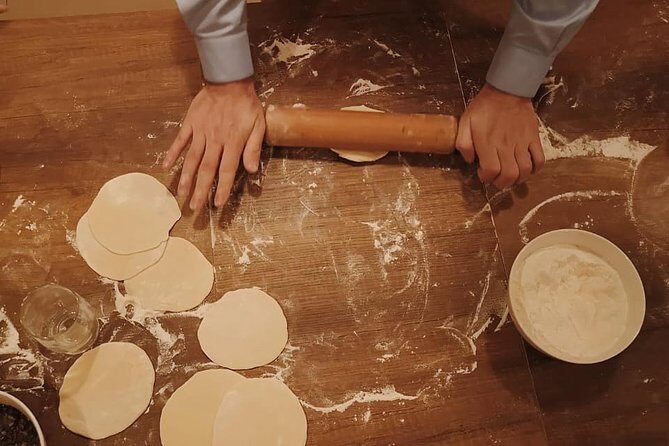
Khachapuri is one of those Georgia foods that sounds intimidating until you actually make it. This class focuses on Adjarian khachapuri, the famous boat-shaped cheese pie. You’ll work the dough and shape it into that signature form, then fill it with cheese.
What I like about this part is that the class doesn’t treat it like a magic trick. You get clear, practical guidance. In the feedback, the biggest compliment is how patiently the chef walks you through it—especially if your hands are more used to travel souvenirs than dough.
Two practical things to know before you go:
- The dough needs rest time. One review specifically called out a rest period of about two hours. You won’t be standing around bored, but you should expect some waiting built into the workflow.
- The class is cheese and egg inclusive. If you can’t eat eggs or cheese, ask ahead. The info you’re given also makes it clear that those ingredients are part of the standard cooking.
If you’re trying to understand Georgian comfort food fast, this is a strong starting point. Khachapuri is familiar enough to enjoy quickly, but the shaping and filling teach you technique you can repeat.
Khinkali: Folding Dumplings Without Turning Into a Stress Case

Then comes khinkali: Georgian meat dumplings. The class serves 5–6 khinkali per guest, which is important because it’s not a token taste. You actually learn the process and then you eat a satisfying amount of what you made.
The most useful thing here is the teaching style. Khinkali folding is the part that tends to scare people, and the chef feedback repeatedly praises how patient the instruction is—down to helping you fix mistakes without embarrassment. If you’ve ever tried dumplings at home and ended up with something that looked more like a dumpling idea than a dumpling, you’ll appreciate this.
Vegetarian option is also on the table. The class info says meat-based dishes can be switched to vegetarian options if you like. If vegetarian is your situation (or you’re cooking for someone who is), make it clear when you book or at the start of the class so they can plan the fillings.
One more thing I’d pay attention to: khinkali is food you learn with your hands. This is not sit-and-watch cooking. You’ll be doing the work while the instructor corrects your form and shows you what a good result looks like. The best part is leaving with the confidence that you can do it again later.
Homemade Wine, Non-Alcoholic Drinks, and Real Table Talk
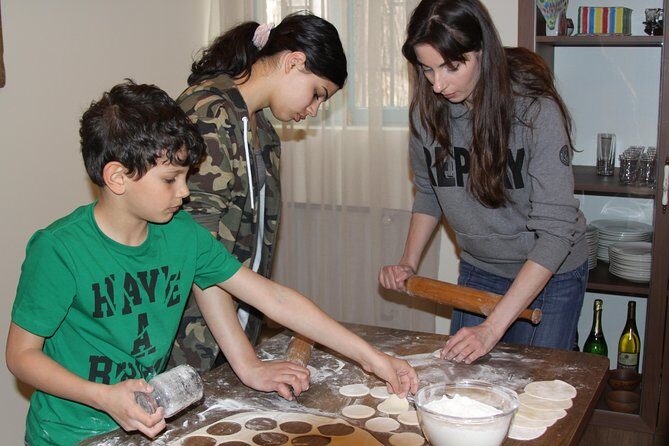
Food classes often include a drink, but this one pairs the tasting with homemade wine (a glass per person). You meet at Chakandrila, cook, and then taste what you made with the wine or non-alcoholic drinks.
This is where the experience becomes more than calories. The feedback highlights that the hosts share stories and keep the atmosphere warm and relaxed. Some people mention the conversation made the time fly, plus the humor and hospitality helped reduce the intimidation factor of cooking.
If you’re traveling with jet lag, this setup can work well. You’re indoors. You’re eating something you helped create. And you leave with a practical skill, not just photos.
What Your 2 Hours 30 Minutes Actually Feels Like
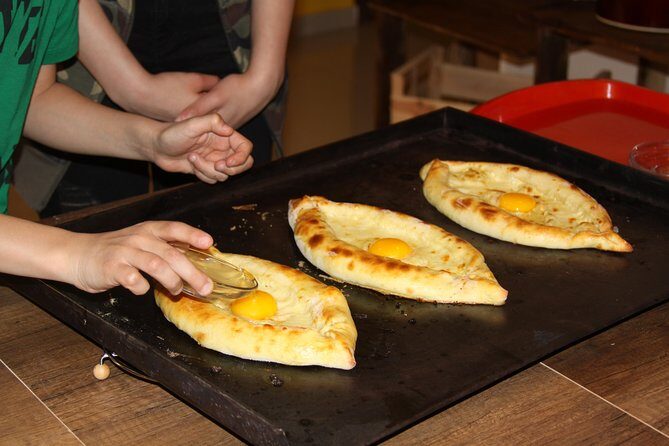
The class runs about 2 hours 30 minutes. That length is long enough to learn technique and eat, but short enough that you’re not carving a half-day out of your trip.
A typical rhythm feels like this:
- Meet and settle in at Chakandrila in the workshop/home setting.
- Cooking time for the two dishes: khachapuri first, then khinkali.
- Tasting and lunch together once the food is ready.
- Close-out with guidance so you can recreate it later.
In the feedback, multiple people praise how structured the class is and how the instructor works from start to finish. You also get recipes. Some sessions include sending recipes later via WhatsApp, and plenty of guests say they can actually make the dishes again at home because they received the instructions in a usable way.
Also note: instruction is listed as English. And in reviews, you’ll see that some instructors can support multiple languages, which is helpful if your group is mixed.





Price and Value: Why $39 Feels Fair Here
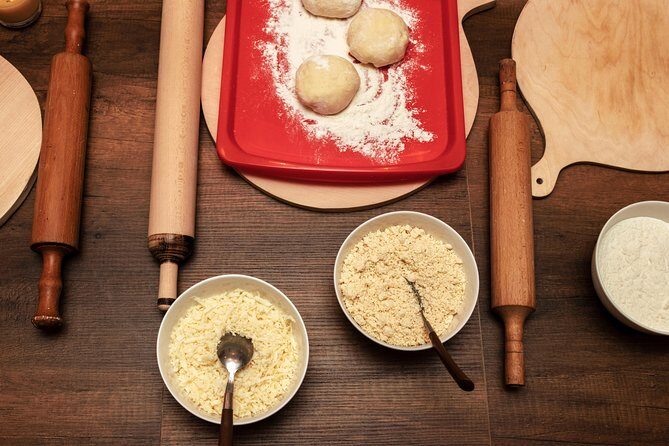
At $39 per person, you’re paying for three things at once: instruction, a real lunch, and drink.
Here’s the value breakdown:
- You get both Adjarian khachapuri and 5–6 khinkali per guest. That’s not just a snack portion.
- You also get a glass of homemade wine included.
- And you’re learning technique you can use again, not just eating.
Compare that to the cost of a good meal in central Tbilisi plus a cooking experience charge. This class replaces a restaurant lunch with a guided cooking session. So the price feels less like a fee and more like paying for a skill-and-meal package.
The only cost-related caveat is that snacks and other menu items are not included. If you want extra food beyond what’s part of the class, you’ll pay for that separately.
Who This Class Is Best For
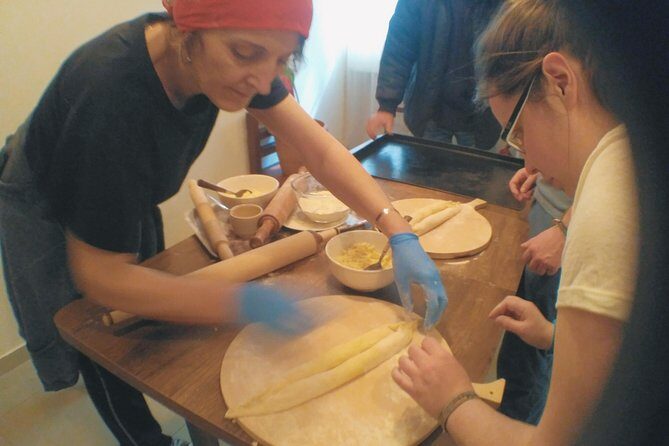
This is one of those experiences that works for a wide range of travelers, as long as you’re comfortable with food prep.
You’ll like it if:
- You want authentic Georgian food without guessing how to order or eat it safely.
- You enjoy learning by doing. This class is hands-on and gives feedback as you cook.
- You like small, warm interactions. The home-style setting and the instructor’s personality show up again and again in the feedback.
You might skip it if:
- You have egg or dairy restrictions, since the class uses cheese and eggs.
- You dislike cooking tasks at all. You don’t just watch; you cook.
If you’re traveling as a couple, this is also a great format. Several of the best comments describe couples having a memorable, heartfelt time—because you’re not rushed, and you get a shared activity that ends in shared lunch.
Small Details That Matter More Than You Think
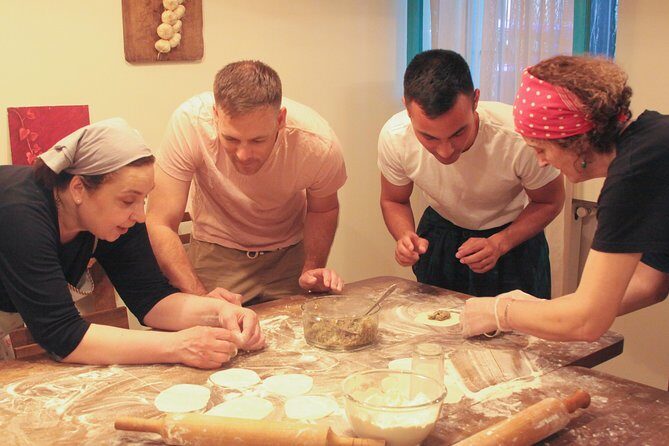
A few practical details can make or break a food class like this:
- Wear comfortable clothes. You’ll be working with dough and handling fillings.
- Plan to arrive hungry. The class includes lunch, but you’ll want your appetite for khinkali.
- Bring a notebook or use your phone for notes. People specifically mention how helpful writing down recipes is.
- Ask about vegetarian options early. The information is clear that swaps are possible for meat-based dishes.
- Know the khachapuri timing. The dough rest is part of the process, so don’t expect it to be a one-speed sprint.
The best part: because you cook in a home-like kitchen, the experience doesn’t feel like a performance. It feels like you’re learning from someone who actually cares that you succeed.
Should You Book This Tbilisi Cooking Class?
If you want a Tbilisi experience that feels local, practical, and genuinely useful, I’d book this. The standout strengths are consistent: patient teaching, a friendly atmosphere, and the kind of food that makes sense even after you leave the apartment.
I’d especially recommend it if you:
- want to learn two Georgian classics in one go
- prefer a private vibe over crowded group tours
- like hands-on skills you can repeat at home
The only real reason to hesitate is dietary limits around cheese and eggs, or if you’re expecting a purely observational experience. Otherwise, at $39 with lunch and homemade wine included, it’s a strong value and an easy “yes” for most travelers in Tbilisi.
FAQ
How long is the cooking class?
It lasts about 2 hours 30 minutes.
What dishes do we cook and eat?
You’ll cook and eat Adjarian (Adjaruli) khachapuri and Georgian khinkali.
What’s included in the price?
Lunch is included: khachapuri plus 5–6 khinkali per guest. A glass of homemade wine is also included.
Is there a vegetarian option?
Yes. Meat-based dishes can be switched to vegetarian options if you request it.
Is the class private?
Yes. It’s a private activity, and only your group participates.
Is the class taught in English?
Yes. The experience is offered in English.
Where do we meet?
You start at Biblusi #8, Merab Kostava St, Tbilisi, Georgia, and the activity ends back at the meeting point.
Does the class use eggs or cheese?
Yes. The class uses cheese and eggs.
Can I take photos or videos?
You can take pictures and videos, as mentioned in the feedback.
Is cancellation free?
Free cancellation is available up to 24 hours in advance for a full refund. If you cancel less than 24 hours before, the payment isn’t refunded.