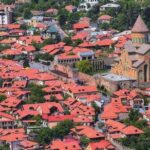
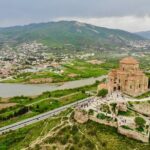
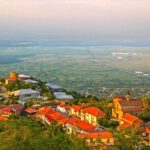
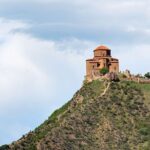
Tbilisi is better on foot. This walking tour strings together major landmarks like Freedom Square, the Bridge of Peace, and Narikala viewpoints, then adds a lot of street-level detail you’d miss alone. I particularly like that you get a real feel for the city’s layers, from a 6th-century church to an old Armenian presence, plus plenty of easy photo spots in between.
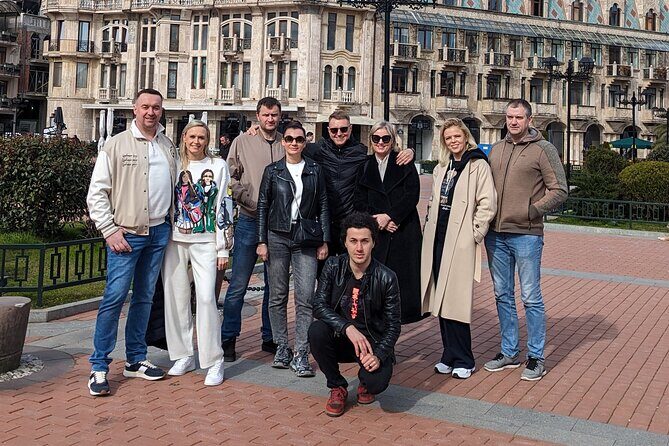
My second big win is the pacing. With a small group (the tour is described as up to 12 people, and the activity notes a maximum of 15), you can ask questions and actually hear the guide. One thing to watch: there’s a strict dress code for places of worship—no shorts or sleeveless tops, and shoulders plus knees must be covered—so plan your outfit early or risk being turned away.
In This Review
- Key things you will notice on this walk
- The value: $9 gets you orientation, not just sightseeing
- Svobody Square to the Tbilisi Wall Ruins: start in the center, then zoom out
- Anchiskhati Basilica: a 6th-century anchor for the whole route
- Bridge of Peace and Rike Park: modern design over the Mtkvari
- Shardeni Street and Old Town Tbilisi: where the walk turns into a mood
- Rezo Gabriadze Marionette Theater: a quirky cultural stop that makes Tbilisi feel specific
- Armenian monuments: Sayat-Nova and Parajanov give you different kinds of art
- Sioni Cathedral and Jumah Mosque: worship sites in the same walking day
- Kartlis Deda, the Great Synagogue, and the “Toaster” sculpture
- Sololaki hill views meet the Narikala connection via the tramway
- Meidan Bazaar and the Sulphur Waterfall: practical stops that feel real
- How the guides make or break this tour
- What to wear and bring so you don’t get stopped at worship sites
- Who should book this Tbilisi Old Town walking tour
- Should you book this tour?
- FAQ
- How long is the Discover Tbilisi walking tour?
- What is included in the price?
- Is the aerial tramway included?
- Is the tour offered in English?
- Where do I meet for the tour?
- What dress code do I need for religious sites?
- What group size should I expect?
- What if the weather is bad?
- What if I arrive late?
Key things you will notice on this walk
- Freedom Square to Old Town viewpoints: a smart start point that makes orientation fast
- Free highlights with zero ticket hassle: most stops are admission-free
- Religion across eras: Georgian Orthodox churches plus a mosque and a synagogue on one route
- Modern meets old: Bridge of Peace and Rike Park sit right beside older streets
- Story-focused monuments: Parajanov, Sayat-Nova, Kartlis Deda, and local legends
- Practical photo stops: courtyards, viewpoints, and street scenes built for snapshots
The value: $9 gets you orientation, not just sightseeing
At about $9 per person, this is one of those deals that only works because almost every stop is free. You’re paying mostly for one thing: a local guide who connects the dots between architecture, street names, and the city’s turning points.
You also get a low-friction format. No hotel pickup. No cable car included. Just a walk that brings you to the sites and tells you what to look for while you’re there.
And because it’s scheduled around 2 hours 30 minutes to 3 hours 30 minutes, it’s ideal as your first major Old Town activity. I’d treat it like your Tbilisi “map with stories.”
You can also read our reviews of more walking tours in Tbilisi


Svobody Square to the Tbilisi Wall Ruins: start in the center, then zoom out
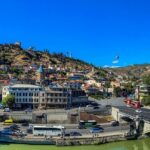
Most walks begin in one landmark and stay there. This one starts at Svobody Square (Freedom Square), the eastern end of Rustaveli Avenue, and uses it like a launchpad. Even before you move far, you get context for how the same central space has carried different names through different regimes, from Imperial Russia to the Soviet period.
From there you step toward the Old Town’s older edges with the Tbilisi Wall Ruins. This stop is short, but it’s useful because it reminds you that Tbilisi didn’t grow as a clean, planned grid. It grew in layers, and the stonework still hints at older boundaries.
What you should do here: slow down for photos, but also listen for how the guide explains what you’re actually looking at. Ruins can be confusing if you only see “old rocks.” With the story, they become a clue.
Anchiskhati Basilica: a 6th-century anchor for the whole route
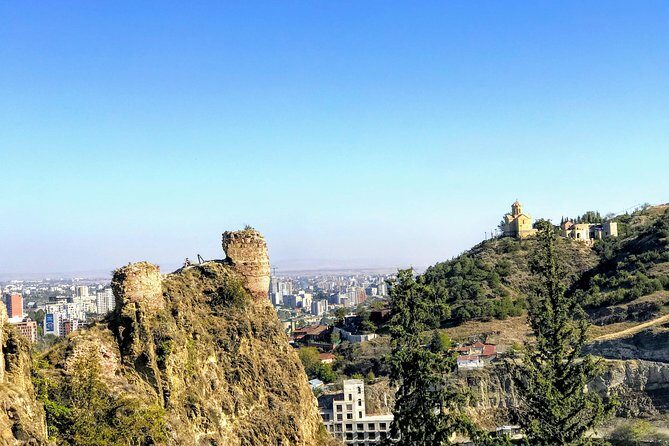
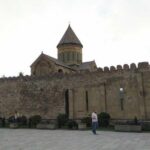
Anchiskhati Basilica of St Mary is the kind of stop that changes how you see everything after it. It’s described as the oldest surviving church in Tbilisi, dating from the 6th century, and that alone is impressive.
But the bigger payoff is how the guide connects age with meaning. A site like this isn’t just a building; it’s a timeline marker for the Georgian Orthodox tradition.
Practical note: this is also one of the places where the dress code matters. Shoulders and knees must be covered, and no sleeveless tops or shorts. Bring a light layer you can add quickly if you’re traveling in warm weather.
Bridge of Peace and Rike Park: modern design over the Mtkvari
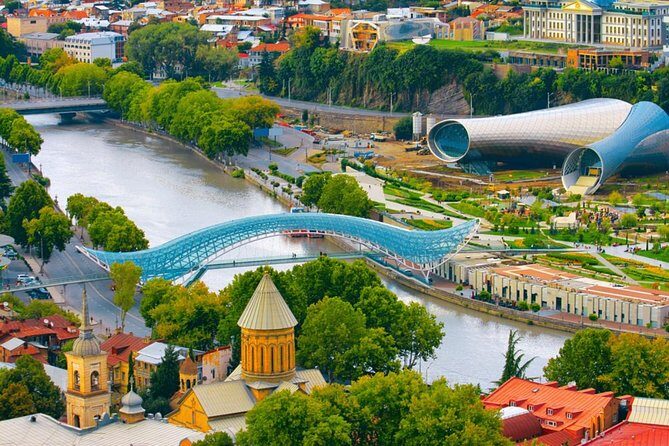
When you cross into the Bridge of Peace area, the city suddenly feels contemporary. The bridge opened in 2010 and spans the River Mtkvari (also known as the Kura).
I like this switch because it prevents “Old Town overload.” After centuries of churches, you get a wide view corridor and a clean modern silhouette—great for photos, and great for catching your bearings.
Then you finish that modern section in Rike Park, a public recreation area popular with families and strollers. It’s a nice change of pace at the end of the more intense walking legs. You can sit, people-watch, and reset your energy before the route continues back through cultural landmarks.
Shardeni Street and Old Town Tbilisi: where the walk turns into a mood
Shardeni Street is one of the best stops for atmosphere. It’s pedestrian-friendly, known for its beauty, and it’s the kind of street people don’t forget after one pass. This is where you start noticing small details: courtyards, storefront life, and the way narrow streets channel sound and light.
Old Town Tbilisi follows, and it’s exactly what you want from a Old Town section: theater, older buildings, and a mix of restaurants and eateries. This is the chunk of the tour where you’ll feel the city’s rhythm most clearly.
Two practical tips:
- Wear comfortable shoes here. This is where you’ll want to linger.
- If you’re thinking about food later, listen to guide suggestions at this stage. Several guides in past groups are known for recommending authentic Georgian meals like khinkali spots.


Rezo Gabriadze Marionette Theater: a quirky cultural stop that makes Tbilisi feel specific
The Rezo Gabriadze Marionette Theater opened in 1981 and has become part of Tbilisi’s cultural scene. Even if you don’t attend a performance, a short stop here adds flavor to the tour. It’s the reminder that Tbilisi isn’t just monuments and cathedrals—it also supports arts that are playful and local.
The best part is how a good guide uses it to build a picture of daily culture. You learn where a city spends its imagination.
Armenian monuments: Sayat-Nova and Parajanov give you different kinds of art
The tour includes two major creative memorial stops: the Sergey Paradzhanov Monument and the Monument of Sayat-Nova.
Parajanov is tied to internationally known film masterpieces, and the stop is framed around his original poetic film-language as well as his broader art interests. Even if you’re not a film person, the value here is how it shows Tbilisi as a cultural crossroads, not just a Georgian city with a few side streets.
Sayat-Nova’s monument is equally meaningful, with a specific location near the northern wall of St Kevork Armenian church. The information provided connects the monument to the poet-musician’s life story, including the moment of hiding during an attack and the fact that he was killed and buried there.
If that feels heavy, that’s normal. Some stops are meant to hit emotionally. The payoff is that you don’t just walk past Armenian influence—you understand why it’s present.
Sioni Cathedral and Jumah Mosque: worship sites in the same walking day
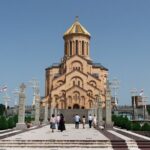
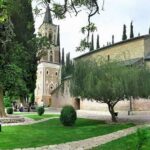
This route moves through multiple worship buildings, which makes the whole experience more balanced. First up is Sioni Cathedral of the Dormition, a Georgian Orthodox cathedral with a name tied to Mount Zion in Jerusalem.
Then comes Jumah Mosque (the Friday Mosque). It’s located in the heart of Old Town and has architecture that may not register as a mosque at first glance. The standout point is that it’s noted as one of the few mosques in the world where Shias and Sunnis pray together. The tour also notes that the mosque is open for visitors of all religions or beliefs.
What you should do: treat dress code as non-negotiable. This is the one spot where the tour’s rules can ruin your day if you ignore them.
Kartlis Deda, the Great Synagogue, and the “Toaster” sculpture
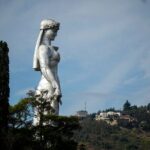
Kartlis Deda is a huge landmark on Sololaki hill: a 20-meter aluminum statue erected in 1958 for Tbilisi’s 1500th anniversary. It’s one of those monuments that you can’t miss once you know it exists, and it adds a strong symbol of national identity to your mental map.
Then you visit the Great Synagogue of Tbilisi (also called the Georgian Synagogue). It was built from 1895 to 1903 in an eclectic style by Georgian Jews from Akhaltsikhe. This is a short stop, but it gives you a concrete sense of who has lived here over time.
After that, you meet the Sculpture the Toaster, modeled on an ancient Colchian statuette and nicknamed tamada. It’s an amusing little break from heavier architecture—and it’s exactly the kind of quirky detail guides are good at pointing out.
Sololaki hill views meet the Narikala connection via the tramway
The tour includes the Aerial Tramway in Tbilisi connecting Rike Park with Narikala, which overlooks the city. The info provided is clear: the tramway costs extra and is not included.
This is the part where you get a choice. If you want the big views without rushing, you can add the tram. If you’d rather keep costs down and stick to the walking route, you can skip it and still get the Old Town orientation value.
My rule: if you like skyline photos and want a better angle on Narikala, add the tram. If you’re done with climbing for the day, don’t force it.
Meidan Bazaar and the Sulphur Waterfall: practical stops that feel real
Meidan Bazaar is included as a quick “shop and browse” moment. Even if you don’t buy anything, it’s useful for understanding how people run errands and pick up daily items. If you’re short on time, this is a smart alternative to wandering without direction.
Then the tour caps off with Dzveli Tbilisi Sulphur Waterfall, described as a real waterfall right in the city center. This is one of those Tbilisi details that makes you say, okay, this place has personality. It’s also a fun photo stop because you’re mixing motion (water) with historic streets.
How the guides make or break this tour
This walk succeeds or fails based on storytelling, and the guide comments in the experience record point to a repeat theme: guides focus on clear explanations, patience with questions, and practical recommendations.
Names that appear in the provided experience feedback include Jonah, Salomea, Oksana, Tamara, Nini, Gio, Koba, Aleksi, Sofa, and others. Across those accounts, you’ll see the same strengths: guides who point out details you’d never notice on your own, answer questions without rushing, and suggest where to eat Georgian food afterward.
One more small but important point: a few guides are specifically praised for photo help and for making the tour feel relaxed even when the pace is active. That matters. Old Town photos go badly when you’re stressed and sweaty. A good guide keeps things moving without making you feel chased.
What to wear and bring so you don’t get stopped at worship sites
This tour includes churches, a mosque, and a synagogue. The dress code rule is strict: no shorts or sleeveless tops, and knees plus shoulders must be covered for both men and women. If you don’t meet the requirement, you may be refused entry.
So here’s the simple packing logic:
- Wear long pants or bring a light cover for knees.
- Bring a thin layer for shoulders if your shirt is sleeveless.
- Wear shoes good for uneven Old Town streets.
Also plan for walking. The route is described for moderate physical fitness. You’ll be fine if you can handle a few hours on foot, but this isn’t a sit-down museum tour.
Who should book this Tbilisi Old Town walking tour
This is a great choice if:
- you’re visiting Tbilisi for the first time and want orientation fast
- you like walking routes with story connections, not just photo stops
- you want a mix of major landmarks and smaller cultural moments in one outing
- you’re on a budget and want most admissions included as free stops
It’s less ideal if you hate walking, or if you know you won’t be able to follow the worship dress code.
Should you book this tour?
Yes, I’d book it if you want the best “first chapter” of Tbilisi Old Town without spending a pile on tickets. At $9, the value is driven by how much you can see for free, plus the guide’s role in making the city’s layers make sense.
If you plan your outfit for places of worship and you’re comfortable walking for a few hours, you’ll walk away with a clearer mental map. And you’ll have those anchor landmarks—Freedom Square, Bridge of Peace, Narikala connection, and the big monuments—locked into place for the rest of your trip.
FAQ
How long is the Discover Tbilisi walking tour?
The tour runs about 2 hours 30 minutes to 3 hours 30 minutes.
What is included in the price?
A local guide is included. Most stops list free admission, but the aerial tramway is not included.
Is the aerial tramway included?
No. The aerial tramway in Tbilisi is not included, so you’d pay separately if you choose to ride.
Is the tour offered in English?
Yes. The tour is offered in English.
Where do I meet for the tour?
The meeting point is Freedom Square, შალვა დადიანის ქუჩა, Mtawminda 0105, Georgia.
What dress code do I need for religious sites?
You must have shoulders and knees covered. No shorts or sleeveless tops are allowed, and you may be refused entry if you don’t comply.
What group size should I expect?
It’s described as a maximum of 12 people, and the activity also notes a maximum of 15 travelers.
What if the weather is bad?
The tour requires good weather. If it’s canceled due to poor weather, you’ll be offered a different date or a full refund.
What if I arrive late?
There is a 10-minute waiting time at the meeting point. If you’re late or can’t join the tour, you’ll need to book again.