REVIEW · TBILISI
7-Day Georgian Wine and Culinary Private Tour with Cooking Class
Book on Viator →Operated by Traffic Travel LLC · Bookable on Viator
Georgia tastes better with a guide. This private 7-day route from Tbilisi links well-known wineries with family cellars, plus a hands-on cooking class, so you learn what you’re eating as you go. I love how the tastings don’t sit in a vacuum—they connect to local dishes and real production culture.
I also like the sense of place across regions. You’ll move from Tbilisi into Kakheti wine country and keep heading toward Racha, with monasteries, cave towns, and mountain stops breaking up the schedule. That travel rhythm makes the food and wine feel earned, not just sampled.
One consideration: it’s a lot in a week. Between road time, tastings, and sightseeing, you’ll want to pace yourself, and you may still pay for food and drinks that aren’t listed as included.
In This Review
- Key highlights you’ll care about
- A 7-day route built around Georgia’s wine-and-food logic
- Getting oriented: start time, group size, and what private really means
- Day one in Tbilisi: Sarajishvili brandy, vineyard dining, then the master cooking class
- Kakheti: Telavi to Signaghi, with estates, monasteries, and underground wine
- Churchkhela, Teliani Valley, and the Signaghi reset
- Kutaisi and the western curve: family cellars, cave towns, and monastery views
- Racha: mountain cellars, Barakoni Monastery, and the drive to Oni
- Shaori Lake, Nikortsminda Cathedral, and Prometheus Caves before another Kutaisi night
- Final loop back to Tbilisi: Katshki Pillar, Mtskheta churches, and a folk-show gala dinner
- What you’ll learn about Georgian wine and cuisine (and how to use it later)
- Price and value: what $784.62 buys you here
- Tips to make this week easier on you
- Who should book this tour
- Should you book this Georgian Wine and Culinary Tour?
- FAQ
- Where does the tour start?
- How long is the tour?
- Is this a private tour?
- What kind of transportation is included?
- What’s included in the price?
- What meals are included?
- What wine and food experiences are included?
- What kind of accommodation will I stay in?
- What is not included?
- What is the cancellation policy?
Key highlights you’ll care about
- Small group, private pacing (max 6 people) with a local guide and a professional guide.
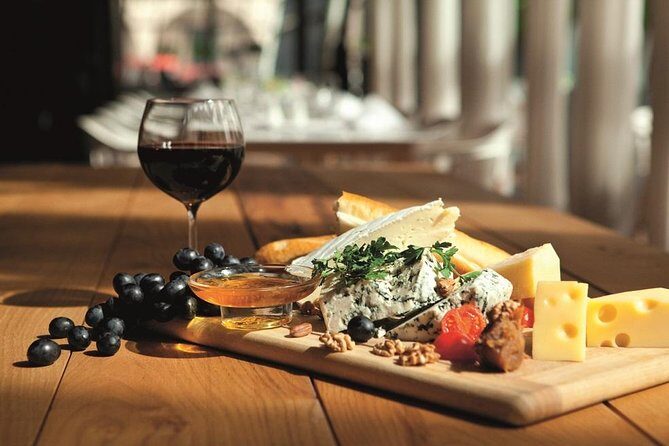
- Wine + cooking, tied together, including a master cooking class and regional food lessons.
- Big variation in tastings, from family cellars to a winery set in a former bomb shelter.
- Historical stops built into the route, like monasteries, cave towns, and major churches.
- Hotel nights included (3-star hotels or guesthouses) plus breakfast and dinner.
A 7-day route built around Georgia’s wine-and-food logic
This is the kind of tour I’d recommend if you want more than a list of wineries. Georgia’s food culture isn’t separate from its wine culture. On this trip, you see how the landscape, farming, and hospitality all feed the same story—grape to glass, plus grape to the table.
The whole week runs as a private experience in a climate-controlled minivan. That matters, because you’ll cover a lot of ground across eastern and western Georgia, with long driving days that would feel rough if you were relying on public transport or hopping between taxis.
And yes, there’s a cooking class. Not as a quick add-on, but as a real part of the flow—right when you’re already learning how wine and traditional dishes fit together. If you like being taught by doing, you’ll appreciate that.
You can also read our reviews of more private tours in Tbilisi



Getting oriented: start time, group size, and what private really means
Your tour starts in Tbilisi at 9:00 pm, with start point listed as Tbilisi, Tbilisi. That late start can be surprising at first, but it usually works in a way that keeps the itinerary moving efficiently—think of it as a night launch, then the main touring builds from there.
The group size is capped at maximum 6 people per booking, and the tour is explicitly private. In plain terms: you’re not getting shuffled with strangers and you’re less likely to lose your place at tastings or while the guide is explaining what you’re seeing.
Transport is included as a round-trip private transfer and air-conditioned minivan with hotel pickup and drop-off. You also get bottled water, which sounds basic until you’ve been walking around monasteries and caves in warm weather.
Day one in Tbilisi: Sarajishvili brandy, vineyard dining, then the master cooking class
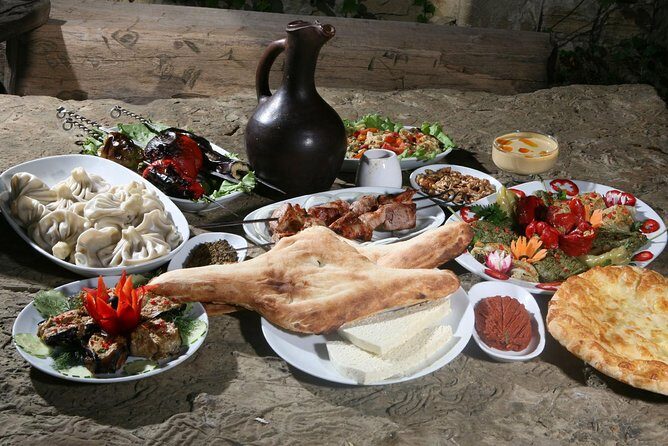
You begin in Tbilisi and get a quick hit of Georgia’s spirits story at the Sarajishvili brandy factory. Even if you’re more of a wine person, starting here gives you context for Georgia’s grape-to-alcohol tradition.
Next comes a meal with wine attached at Chateau Mukhrani, a restaurant with its own vineyard. This is one of the smart moves in the itinerary: you’re eating where the wine world is physically present, not just tasting it somewhere separate. Expect a lunch experience built around local cuisine and their wines.
Then you shift from eating to learning with a culinary masterclass. This is where the tour earns its name. Instead of only collecting flavors by memory, you practice Georgian cooking methods and learn how classic ingredients work together. If you’ve ever cooked after a trip and realized you forgot what you actually ate, this part helps you lock it in.
Kakheti: Telavi to Signaghi, with estates, monasteries, and underground wine
The second day takes you out of Tbilisi into Kakheti, eastern Georgia’s best-known wine region. You stop in Telavi and visit the Alexander Chavchavadze Estate Museum. That’s your history and aristocratic-era context—Georgia didn’t always do wine as a simple backyard thing. It also developed through estates, landowners, and formal traditions.
From there, you add two key monastery stops: Alaverdi Monastery and Gremi Monastery. These aren’t “bonus photo stops.” Monasteries often sit at crossroads of culture and travel routes, so they fit the theme of how food and wine traditions traveled, too—through communities that fed travelers and locals alike.
Then the day moves into very hands-on tasting mode. You’ll visit Twins Wine Cellar in Napareuli, described as a rustic vineyard and museum. That’s a great setup if you like your tastings with a story—seeing how a place preserves wine culture in its own way.
Lunch lands at Ikano Winery, with another wine tasting after you eat. After that, you go even more unusual at Khareba Winery, located in a former bomb shelter, where you get a special tasting in an underground tunnel. Underground tastings are popular for a reason: the cool, stable conditions can change how aromas come through. It also makes the whole day feel cinematic, and it breaks up the otherwise “straight line” winery visits.
Churchkhela, Teliani Valley, and the Signaghi reset
On the third day, the itinerary gives you an instant Georgian snack: churchkhela, a traditional sweet made from grape juice. If you’re used to dessert coming after the meal, this is a reminder that grapes show up in multiple forms, not just in wine.
You then taste at Teliani Valley Winery. After that, you get another chance to learn with a masterclass at Shumi Winery—so you’re not only tasting. You’re building skills tied to the foods Georgia is known for.
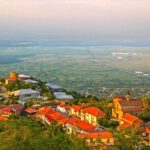
The tour then heads to Signaghi, the red-roofed town in the heart of wine country. Signaghi is a nice mid-week change of pace: you’re still in wine territory, but you’re also getting a town feel rather than constantly being inside production spaces.
After Signaghi, you visit Pheasant’s Tears Winery, known for interpretive modern cuisine and a rich wine selection. Even if you prefer old-school flavors, I like having one stop that shows how Georgian wine culture is adapting—not just repeating what was done decades ago.
In the afternoon, you sample local bread and cheese, a practical reminder that Georgian meals aren’t only about grand dishes. Then you return to Tbilisi in the evening and end with a classic meal: dinner at Barbarestan, a home-style style restaurant with seasonal ingredients in a stylish district. This is a good closing note for the day because you’re finally back in the city energy after all the countryside tastings.
You can also read our reviews of more cooking classes in Tbilisi





Kutaisi and the western curve: family cellars, cave towns, and monastery views
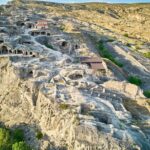
Day four shifts you west to Kutaisi. You start with a tasting in a family wine cellar—one of those stops where you often learn more about the people than the brand. The itinerary also keeps history in play with visits to Uplistsikhe, the ancient cave town, and Stalin’s museum.
Uplistsikhe is the kind of place where you can feel how travel routes shaped communities. Cave towns like this weren’t just housing—they were built for defense and survival, and that long timeline helps explain why regional food traditions can be so stubbornly consistent.
You also visit Gelati Monastery, a medieval highlight. Monasteries here give you a visual anchor for the week: architecture, stone, and the long view. It’s a good counterweight to wine tastings, because it slows your pace for a bit.
Then you spend the night in Kutaisi, which is practical. It reduces the pressure of driving late after you’ve been drinking tastings and walking around.
Racha: mountain cellars, Barakoni Monastery, and the drive to Oni
Next you move into Racha, northern Georgia, where the wine story feels more rugged and remote. The itinerary starts with tasting at Bugeuli Winery, then later at a family wine cellar near Ambrolauri.
Between those two wine stops, you visit Barakoni Monastery, tucked between wild green mountains. This is a great “reset” stop. If you feel like your senses are overloaded from tasting, you’ll appreciate the pause—fresh air, a different kind of quiet, and scenery that isn’t just vines.
You stay overnight in Oni, giving you a more local, less touristy base for the region. That’s a good value move, too: it keeps the trip feeling like a journey rather than a series of day trips.
Shaori Lake, Nikortsminda Cathedral, and Prometheus Caves before another Kutaisi night
On the next morning, you head to Shaori Lake, described as a clear body of water high in the mountains. Then you visit Nikortsminda Cathedral, listed as 11th-century, which adds real medieval depth to the day.
You also get Prometheus Caves. Caves pair well with the earlier underground Khareba stop, because you’re getting variety in environment while still staying in Georgia’s “stone and story” theme.
Later, you return to Kutaisi for a city tour and then spend another night there. This is helpful because it gives you room to absorb what you’ve learned before the final push back toward Tbilisi.
Final loop back to Tbilisi: Katshki Pillar, Mtskheta churches, and a folk-show gala dinner
Your last day takes the scenic route back via the upper Imereti Road. Along the way, you stop at the Katshki Pillar, a natural limestone formation with a church perched on top. It’s an unusual stop and one that reminds you Georgia isn’t only about food—it’s also about how people built places of worship on dramatic landforms.
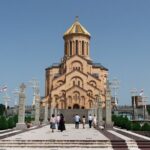
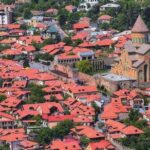
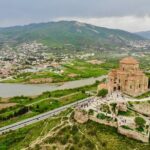
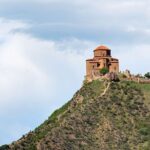
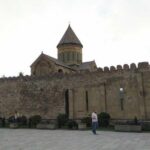
You then stop in Mtskheta, Georgia’s ancient capital. You visit Svetitskhoveli Cathedral and Jvari Monastery. Both stops are big, iconic church experiences, and they add weight to your understanding of Georgian identity. When you’ve spent days tasting grapes and listening to local explanations, it feels more meaningful to see how faith and culture have shaped everyday life.
Back in Tbilisi, you finish with a gala dinner and a national folk show. This final evening is more than entertainment. It’s a way to stitch the week together—food, wine, and cultural expression in one night.
What you’ll learn about Georgian wine and cuisine (and how to use it later)
This tour is built to teach you in layers. You don’t just walk into tastings and hope you remember. You learn alongside a guide and connect the production to the dining table.
By the time you’re through Kakheti and back into Tbilisi, you’ll have seen multiple styles and settings:
- larger established production sites
- rustic wineries with museum-like elements
- underground or cave-based tasting spaces
- family cellars where tradition is handed down
On the food side, the big learning tool is the cooking class. You’ll also experience regional foods like churchkhela, plus stops for bread and cheese. These are the kinds of items that help you build a mental map of how Georgian meals work day to day.
If you’re the type who likes to order differently after a trip—asking for the house wine, choosing dishes that match the grape profile, or remembering that certain sweets come from grape juice—you’re set up to do that.
Price and value: what $784.62 buys you here
At $784.62 per person, this isn’t a budget hop. But it’s also not just “wine tastings in fancy places.”
You’re paying for a full private logistics package:
- 6 nights in 3-star hotels or guesthouses
- breakfast and dinner included
- food and wine tastings as part of the itinerary
- local guide plus a professional guide
- private transfers and air-conditioned minivan
- bottled water
- and key sights are already slotted around the wine stops
That combination is where the value lives. A week of private driving, multiple tastings, and structured meals would cost much more if you tried to build it yourself with separate tickets and guides.
The one place to be smart: remember that food and drinks aren’t included unless specified. The itinerary clearly includes some meals and tastings, but lunches or extra drinks beyond what’s named could raise your total spend. If you drink a lot of wine at tastings, also plan for the possibility of additional purchases that aren’t covered.
Tips to make this week easier on you
Wine-and-food tours go smoother when you plan like an adult about pacing.
- Bring a good day bag for tastings and quick stops. You’ll move between wineries, monasteries, caves, and towns.
- Wear shoes you can trust on uneven sites, especially around older stone areas like cave towns and monasteries.
- If you’re sensitive to alcohol, take smaller pours during tastings and eat the food offered. Tastings are a lot easier when you keep your stomach balanced.
- Expect cool nights in mountainous regions like the Racha area, then warmer days in the wine valleys. Pack layers.
Finally, with a group limit of up to 6, you’ll get more personal attention. Use it. Ask your guide what to look for in the next tasting, not just what the wine is called.
Who should book this tour
I’d book this if you want:
- a private Georgian experience without the stress of planning daily routes
- a mix of wine, food, and cultural sights (monasteries and cave towns matter here)
- a week where learning is built in, especially through master cooking classes
- a small group feel with guides who can explain what you’re seeing
This is less ideal if you want a slow vacation with lots of free time. The schedule is structured and packed with tastings and stops.
Should you book this Georgian Wine and Culinary Tour?
If your dream trip is Georgia through wine, cooking, and people-centered culture, this is a strong match. The balance of tastings plus hands-on cooking gives you more than memories—you end the week with skills and context.
I’d only hesitate if you dislike structured itineraries or you’re trying to keep spending ultra-low beyond what’s included. If that’s you, adjust your expectations on extra drinks and meals.
For everyone else, this private week is a well-built “Georgia sampler” that actually teaches you how the flavors connect.
FAQ
Where does the tour start?
The tour starts in Tbilisi, Tbilisi, with a start time listed as 9:00 pm.
How long is the tour?
The duration is listed as 7 days (approx.), with 6 nights of accommodation included.
Is this a private tour?
Yes. The experience is described as a private tour, with a maximum of 6 people per booking.
What kind of transportation is included?
You’ll travel in an air-conditioned minivan, with hotel pickup and drop-off and round-trip private transfer included.
What’s included in the price?
Included items list 6 nights of accommodation, breakfast and dinner, bottled water, food and wine tastings, local and professional guides, and multiple transfers and activities. All taxes, fees, and handling charges and a fuel surcharge are also included.
What meals are included?
Breakfast and dinner are included. The itinerary also notes meals and activities per day, but the only explicitly included meals in the package details are breakfast and dinner.
What wine and food experiences are included?
You’ll have multiple food tastings and wine tastings across wineries and cellars, plus master cooking classes. The itinerary also includes items like churchkhela and bread and cheese samples.
What kind of accommodation will I stay in?
Nightly accommodation is included in 3-star hotels or guesthouses.
What is not included?
Food and drinks are not included unless specified in the itinerary details.
What is the cancellation policy?
Free cancellation is available. You can cancel up to 24 hours in advance for a full refund, and cancellations made less than 24 hours before the start time are not refunded.