REVIEW · TBILISI
3-Day Private Mestia and Ushguli Tour from Tbilisi
Book on Viator →Operated by ushba travel · Bookable on Viator
A long drive, then unforgettable Svania. This private 3-day tour from Tbilisi takes you into western Georgia’s big highlights—Kutaisi, Prometheus Cave, and Martvili Canyon—before you settle into Mestia and continue on to Ushguli. I like that it’s private, so your day doesn’t feel like a cattle schedule. I also like the mix of famous sights and on-the-ground time, like your free walk through Mestia streets in the evening and exploring Ushguli’s towers at your own pace.
The big thing to watch is this is mostly transport, not a full package: you book meals and hotels yourself, and several attractions cost extra tickets. Also, this kind of route depends on weather in the mountains—so plan to be flexible.
In This Review
- Key things to know before you go
- Why this 3-day Mestia and Ushguli route feels worth it
- Price and logistics: what the $460 buys (and what it doesn’t)
- Day 1: Kutaisi myths, cathedral stonework, and the cave-and-canyon combo
- Stop 1: Kutaisi (the arrival moment)
- Stop 2: Bagrati Cathedral (architecture you’ll actually recognize)
- Stop 3: Prometheus Cave (Amirani) and the 1,700-meter walk
- Stop 4: Martvili Canyon (bridges, platforms, and optional river time)
- Stop 5: Patara Enguri River (a quick mountain interlude)
- Stop 6: Mestia (evening walk time)
- Day 2: Svan museums, Hatsvali tram views, and Ushguli’s tower-filled UNESCO streets
- Mikheil Khergiani Historic House Museum (tower-museum time)
- Svaneti Museum of History and Ethnography (manuscripts and Svan-style icons)
- Hatsvali Ski Resort and Kanatka aerial tram (views toward the Ushba glacier)
- Ushguli: highest permanently inhabited village in Europe
- Shkhara Glacier walk (3 hours toward the foothills)
- Day 3: Mestia morning freedom, Zugdidi’s Dadiani Palace, then Rikoti Pass back to Tbilisi
- Mestia free walk until noon
- Dadiani Palace Historical Museum and botanical garden in Zugdidi
- Rikoti Pass lunch time and the drive home
- Comfort on the road: A/C Jeep, long days, and how to keep it smooth
- Weather, walking, and what to pack for Svaneti days
- Who should book this private tour (and who should rethink it)
- Should you book the 3-Day Private Mestia and Ushguli Tour from Tbilisi?
- FAQ
- What’s included in the 3-day tour price?
- Are meals and hotel stays included?
- What time does the tour start and how does pickup work?
- Which attractions require extra tickets?
- Is this a private tour or a group tour?
- What happens if the weather is bad?
Key things to know before you go
- Private A/C Jeep: you’re not sharing rides with strangers for this big jump to Svaneti
- UNESCO Ushguli: highest permanently inhabited village in Europe, with Svan defensive towers to wander
- Shkhara Glacier walk: a real 3-hour hike toward the foothills (good shoes matter)
- Two museum stops in Mestia: tower-museum in the region, plus Svan culture items like manuscripts and icons
- Extra tickets add up: Prometheus Cave, Martvili Canyon, and several Mestia/Zugdidi admissions are not included
Why this 3-day Mestia and Ushguli route feels worth it
Georgia’s western half can be a lot to plan. One day you’re dealing with city logistics near Tbilisi, then suddenly you’re crossing mountain passes and dropping into Svaneti, a region with its own look, language feel, and stone-tower vibe. This tour puts that whole arc on rails for you. You start at 7:00 am, and you keep moving with an A/C vehicle, instead of piecing together drivers and schedules like a full-time job.
Two parts make it especially appealing if you care about efficiency without losing the personal touch. First, it’s private, so your guide can adjust the pace of stops. Second, the itinerary actually gives you small pockets of breathing room: free time in Mestia during the first evening and another morning walk there, plus time to explore Ushguli once you arrive.
The tradeoff is time and stamina. It’s not a slow scenic cruise. You’re driving long days and stacking multiple sights, including caves and canyons. If you’re the type who needs a relaxed, low-effort trip, this may feel like too much on day one and day two.
You can also read our reviews of more private tours in Tbilisi


Price and logistics: what the $460 buys (and what it doesn’t)
At $460 per person for an approx. 3-day private experience, the value comes from transportation and route organization. You’re paying for a vehicle (with A/C), pickup from your address, and an itinerary that strings together several major stops across western Georgia.
What you should budget separately:
- Hotels and meals (not included)
- Entrance fees for key stops listed as not included, including Prometheus Cave, Martvili Canyon, Mestia Museum, Kanatka (the aerial tram), and Dadiani Palace
If you take the ticket list at face value, you’re looking at an extra set of admissions that totals roughly $39 across the named paid stops. That’s not ruinous, but it’s worth planning for so you’re not making last-minute decisions.
Because it’s private, you also get something you can’t easily price: less waiting. Group tours often mean you spend time stuck while people finish buying tickets or photo-stops drag. Here, your time usually belongs to your group. That said, the itinerary is still structured, so you won’t magically turn this into a lazy weekender.
Day 1: Kutaisi myths, cathedral stonework, and the cave-and-canyon combo
Day one is where you feel the ambition. You leave Tbilisi early and head west, traveling about 220 km toward Kutaisi. On the way, you cross the Rikotski Pass and move through the Kolkheti lowlands, a region tied in legend to the Argonauts and the golden fleece—and to Prometheus, who, in myth, ends up chained to a rock.
Stop 1: Kutaisi (the arrival moment)
Kutaisi itself is a useful reset. You get there early enough to still treat the day as “journey plus sights,” not just “long car ride with one token stop.”
Stop 2: Bagrati Cathedral (architecture you’ll actually recognize)
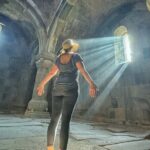
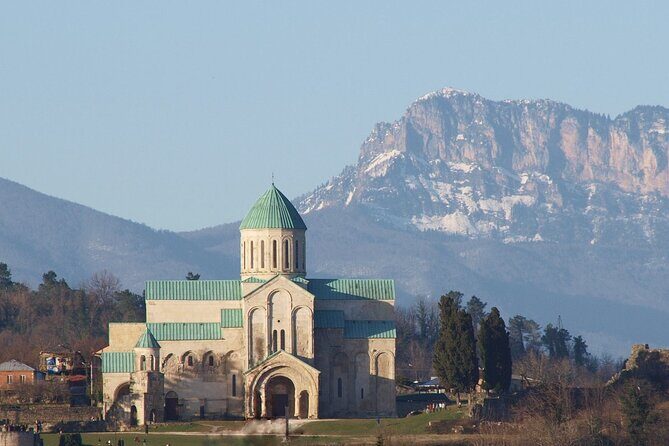
The Bagrati Cathedral stop is straightforward: you see impressive Georgian architecture from a thousand years ago. Admission is included, so you can spend time looking rather than figuring out ticketing.
A few more Tbilisi tours and experiences worth a look
Stop 3: Prometheus Cave (Amirani) and the 1,700-meter walk
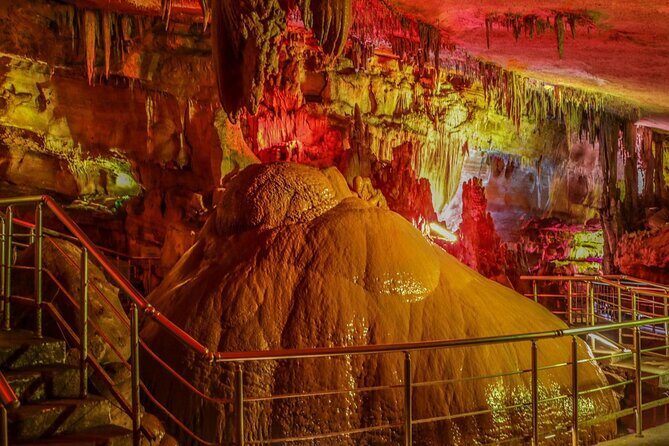
Then comes the main event: Prometheus Cave Natural Monument (also called Amirani). You do a 1,700-meter walking trail through grottoes. The description is specific, and it matters: you’ll pass stalactites and stalagmites, underground waterfalls, underground rivers and a lake. It’s the kind of place where you keep thinking, okay, now it’s just a cave—then the next stretch does something dramatic.
This stop has a separate ticket cost, not included, and the walk itself is the product. If you’re prone to feeling claustrophobic, go in with calm expectations and pace yourself.
Stop 4: Martvili Canyon (bridges, platforms, and optional river time)
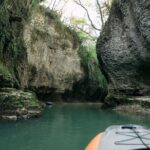
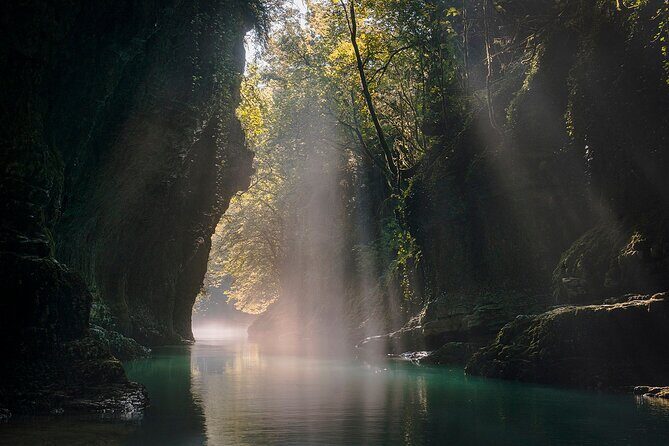
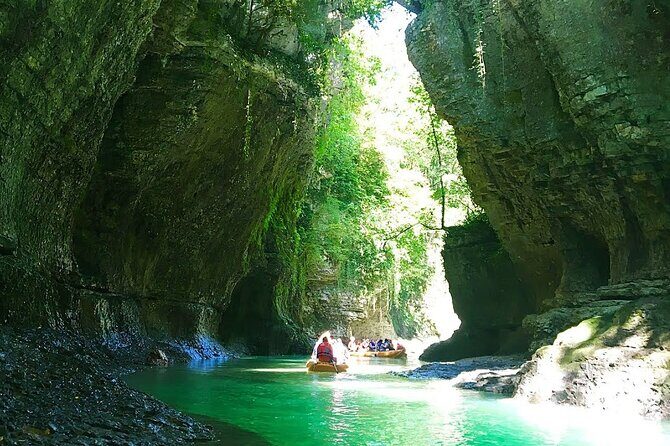
After the cave, you switch to the canyon. Martvili Canyon uses a 700-meter paved circular route that goes across the Dadiani historical trail. You’ll see two bridges, three platform views, and 30 limestone steps built into the canyon.
There’s also an option for a 300-meter boat tour on the river Abasha, described as part of the experience. Again, this is ticketed and not included, so you’ll likely be deciding on the spot whether the boat adds to your day.
A practical note: doing cave + canyon back to back is intense. It’s not about difficulty as much as your attention span. Bring water and save your big energy for the Ushguli day to come.
Stop 5: Patara Enguri River (a quick mountain interlude)
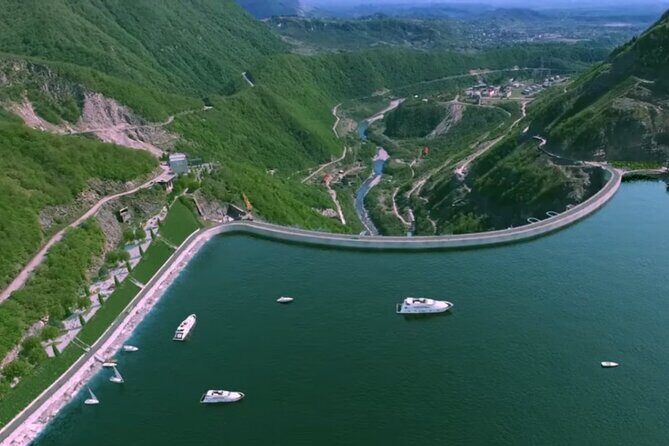
You also stop at the Patara Enguri River, described as the reservoir of Engurpes, stretching through the mountains. It’s shorter—about 30 minutes—but it gives your eyes a break from enclosed spaces.
Stop 6: Mestia (evening walk time)
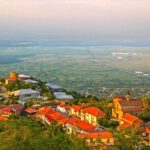
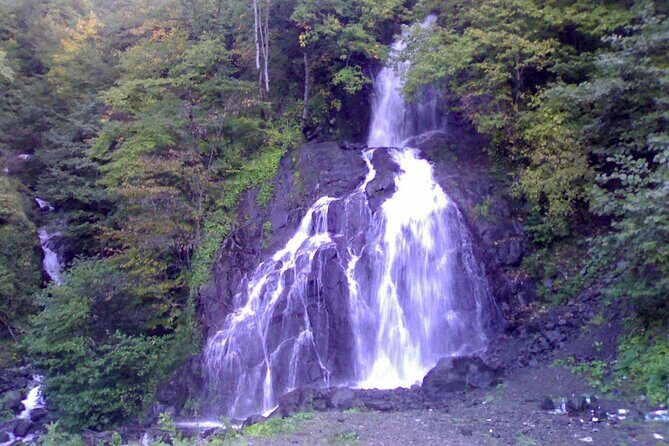
By the time you reach Mestia, you’re done with the heavy structured part of day one. You’ll get stops on the way for waterfalls and other viewpoints, then arrive with about one hour of free time to walk Mestia’s streets, where you’ll find traditional cafes.
This is a key value moment. You don’t just arrive and rush to dinner. You get enough time to get your bearings and start absorbing the Svan tone of the town.
Day 2: Svan museums, Hatsvali tram views, and Ushguli’s tower-filled UNESCO streets
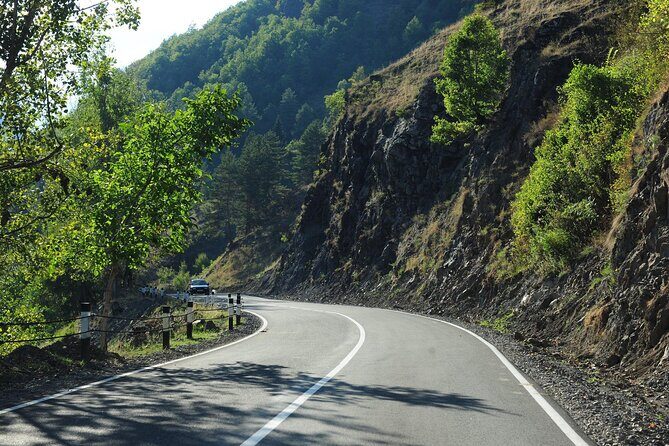
Day two is about Svan culture and the long, unforgettable setting of Ushguli. It’s also the day with the most varied pacing: museums, a scenic aerial tram, then real walking in the mountain air.
Mikheil Khergiani Historic House Museum (tower-museum time)
You start with Mikheil Khergiani Historic House Museum and, in the schedule, a tower-museum connected to the Margiani family, described as dating back to the 12th century. Even if you’re not a museum superfan, the point here is atmosphere: you’re seeing how the Svan world organized itself around stone towers and family compounds.
This stop isn’t included ticket-wise.
Svaneti Museum of History and Ethnography (manuscripts and Svan-style icons)
Next is the Svaneti Museum of History and Ethnography. The key details you’re going for are the types of objects: archaeological and ethnographic materials, Georgian manuscripts, and Orthodox icons painted in Svan style. It’s a good complement to Ushguli later. You’ll understand more about why the towers and religious art look the way they do.
Again, ticket is not included.
Hatsvali Ski Resort and Kanatka aerial tram (views toward the Ushba glacier)
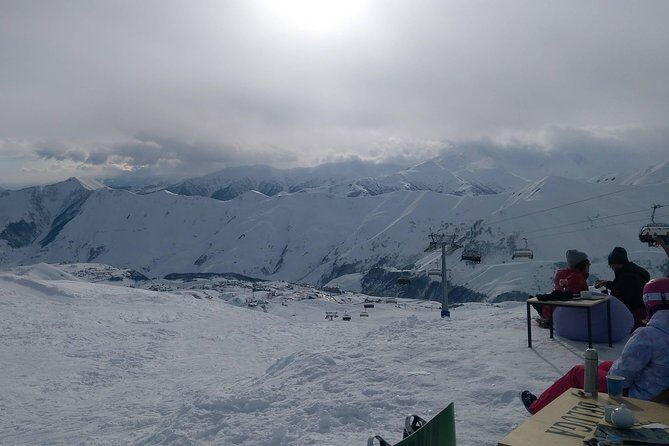
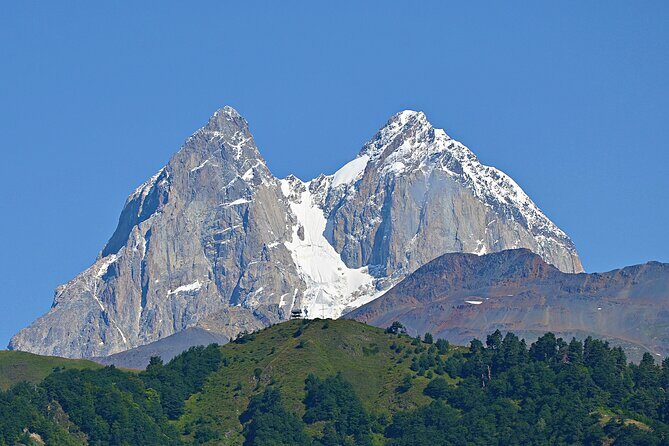
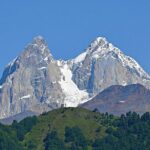
Then you take the aerial tram at Hatsvali Ski Resort. The highlight is the panoramic view over the mountains and the Ushba glacier. This is Kanatka time, and it has a separate ticket cost.
Even if you’ve seen mountain views before, this one has two advantages. You get a high vantage without burning the whole day hiking upward, and it sets the stage for the glacier walking you do later.
Ushguli: highest permanently inhabited village in Europe
After all that culture and views, you reach Ushguli. The itinerary emphasizes what matters: Ushguli is described as the highest permanently inhabited village in Europe and it’s UNESCO World Heritage. You’ll also see Svan defensive towers.
Then you get two hours to explore the village. This is where private touring pays off. You can wander at a human pace and pause whenever you want to look at tower shapes, stone patterns, or the way the village sits against the slopes.
Shkhara Glacier walk (3 hours toward the foothills)
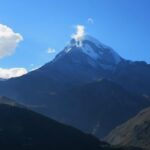
The last stop on day two is walking toward the foothills of Shkhara Glacier, connected to Georgia’s highest peaks, including 5204 m Shkhara. The time block is about 3 hours, and it’s marked free.
This is the part to plan for. Bring proper footwear. Dress for mountain weather changes. Even on days that seem sunny, conditions can shift fast. If you don’t like hiking, you can still enjoy the view energy from a shorter stop, but the tour’s schedule expects you’ll do the full walking block.
Day 3: Mestia morning freedom, Zugdidi’s Dadiani Palace, then Rikoti Pass back to Tbilisi
Day three keeps things lighter, at least in structure. You start with an easy morning, then finish with a museum stop in Zugdidi and a return drive.
Mestia free walk until noon
You get a free walk in Mestia streets until 12:00. This is a smart buffer. It lets you repeat what you liked from day one—maybe a cafe, a photo angle, or just the pacing of the town.
If you’re traveling with someone who wants to shop or snack, this is the window.
Dadiani Palace Historical Museum and botanical garden in Zugdidi
Next you drive to Zugdidi for Dadiani Palace Historical Museum and botanical garden. The museum stop is not included ticket-wise, and the schedule gives you about two hours.
The palace angle is useful because it connects western Georgia’s power story—family dynasties, estates, gardens—with the mountain culture you’ve been seeing in Svaneti. It also gives you a break from natural sights on the return side of the trip.
Rikoti Pass lunch time and the drive home
Finally, you head back toward Tbilisi, with free time to have lunch at the Rikoti Pass area. The itinerary lists about two hours for this stretch.
It’s a good ending: you’re not arriving back in Tbilisi at an awkward hour with zero food options planned.
Comfort on the road: A/C Jeep, long days, and how to keep it smooth
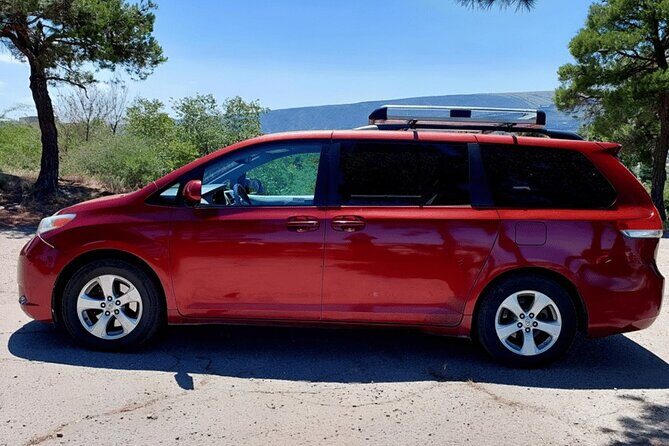
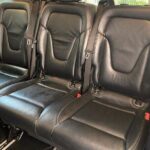
A lot of people underestimate the “transport quality” factor on road trips in Georgia. Here, the tour uses an air-conditioned vehicle, which is genuinely helpful once you’re dealing with hours of driving, especially in warmer months.
That said, these are still long-distance days. Your start time is early, and the schedule packs multiple stops. The only way this stays pleasant is if your group keeps expectations realistic: you’ll see a lot, but you won’t have a slow, private, no-clock day in every single place.
One real-world note: I saw the provider mention a guide named Nono in their response to a difficult situation involving a driver and tense communication. That’s a hint about what matters most for a good trip—respectful, calm interaction with staff. If you’re frustrated by timing, say it gently. The driver isn’t the villain; the mountains are the schedule.
Weather, walking, and what to pack for Svaneti days
The tour requires good weather, with the option of a different date or full refund if it’s canceled due to poor conditions. Even when it runs, mountain weather can still shift minute by minute.
For the walking portions, you should plan for real terrain:
- Prometheus Cave walking route: expect a prepared walking path through grotto areas
- Martvili Canyon route: paved but still canyon steps and viewpoints
- Shkhara Glacier foothills: the longest hike in the schedule, about 3 hours
Pack like you’re going for shoes + layers, not like it’s a city museum day. If you’re sensitive to altitude, take it slow at the start of your walk segments and drink water.
Who should book this private tour (and who should rethink it)
This tour fits best if you want:
- A private route from Tbilisi with no group-rush energy
- A solid sampler of western Georgia icons: Kutaisi, caves, canyon scenery
- Svan-specific experiences: museums, Hatsvali tram views, and Ushguli UNESCO towers
- A mix of structured time and free exploration windows in Mestia and Ushguli
You might rethink it if you hate road time, dislike early starts, or want a trip where meals and lodging are handled for you. Since meals and hotels are booked independently, you’ll do more planning than with a fully packaged tour.
It’s also best for people comfortable with multiple stops in a day. Even with private touring, day one and day two are packed.
Should you book the 3-Day Private Mestia and Ushguli Tour from Tbilisi?
If you’re excited by the idea of going from Tbilisi to Svaneti without the hassle of arranging transportation yourself, this tour makes strong practical sense. The price covers the vehicle and the route, and the itinerary hits the big-name places you’d otherwise spend days trying to coordinate. You also get real time on the ground in Mestia and Ushguli, not just photo flashes.
My main caution is planning your budget and energy. Expect extra ticket costs at several stops, and accept that you’ll be driving most of the day one and day two. If that feels workable, you’ll likely love how the trip strings together myths, caves, canyon views, tower villages, and glacier walking into one clear story.
FAQ
What’s included in the 3-day tour price?
The tour includes air-conditioned vehicle transportation. It’s a transit-focused private experience, with meals and hotels booked independently.
Are meals and hotel stays included?
No. Meals and accommodation are not included. The schedule leaves time for you to eat on your own and explore places like Mestia.
What time does the tour start and how does pickup work?
The start time is 7:00 am. Pickup is offered, and you’re asked to write your address so the team can come to you.
Which attractions require extra tickets?
Prometheus Cave, Martvili Canyon, Mestia Museum, Kanatka (aerial tram), and Dadiani Palace are listed as not included and require separate tickets.
Is this a private tour or a group tour?
It’s a private tour/activity. Only your group participates.
What happens if the weather is bad?
The tour requires good weather. If it’s canceled due to poor weather, you’ll be offered a different date or a full refund.
If you tell me your travel month and whether you plan to hike Shkhara at full length, I can suggest a simple packing + pacing plan to make this trip feel smooth.