REVIEW · TBILISI
Small-Group Khinkali and Khachapuri Cooking Class in Tbilisi
Book on Viator →Operated by Discover local wine and food · Bookable on Viator
A Tbilisi food class that’s actually fun. You learn how to make two Georgian icons—khinkali and Imeretian khachapuri—in a small group, with wine and plenty to eat. It’s built like a cozy restaurant workshop, so you’re cooking (and chatting) without the stress of a behind-the-scenes kitchen sprint.
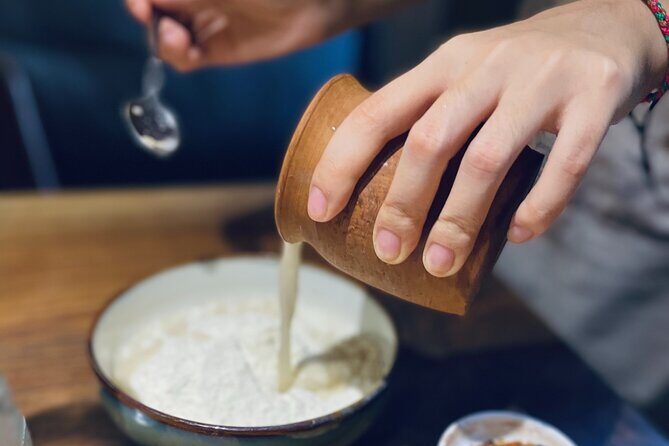
I especially liked the hands-on format: you work dough, filling, and shaping steps yourself, then sit down for the results. I also liked the pace and storytelling—your instructor talks you through the “why,” not just the steps.
One thing to consider: this workshop is not held in the kitchen, so you won’t handle every hot-cooking step. For most people that’s fine; for the “I want to do everything myself” crowd, it may feel a bit limited.
In This Review
- Key highlights worth planning for
- A Downtown Class Where Georgian Dumplings and Cheese Bread Become Real
- First Sip and First Bites: Wine, Salad, and Cheese Set the Mood
- Where You’ll Cook: A Restaurant Hall Workshop (Not a Kitchen)
- Khinkali Folding 101: Dumpling Secrets in Plain Terms
- Making Imeretian Khachapuri: Dough, Filling, and Cheese Readiness
- The Storytelling Part: Why the Chef’s Comments Make It Worth It
- Meal Time: What You Actually Get to Eat
- Price and Value: Why This Workshop Tends to Feel Like a Deal
- Who Should Book This Khinkali and Khachapuri Class?
- Practical Tips Before You Go
- Should You Book This Tbilisi Cooking Workshop?
- FAQ
- How long is the khinkali and khachapuri cooking class?
- Where does the class start and where does it end?
- Is the class small-group or larger?
- What dishes do I learn to make?
- Is the class held in a kitchen?
- What’s included with the class?
- What language is the class taught in?
- Can I bring a service animal?
- Can I get a full refund if I cancel?
Key highlights worth planning for
- Small-group vibe (up to 6 people) that feels more like a shared meal than a demo
- Wine, salad, and farm cheese set the tone before your hands even get doughy
- Restaurant-hall class format instead of a full kitchen setup
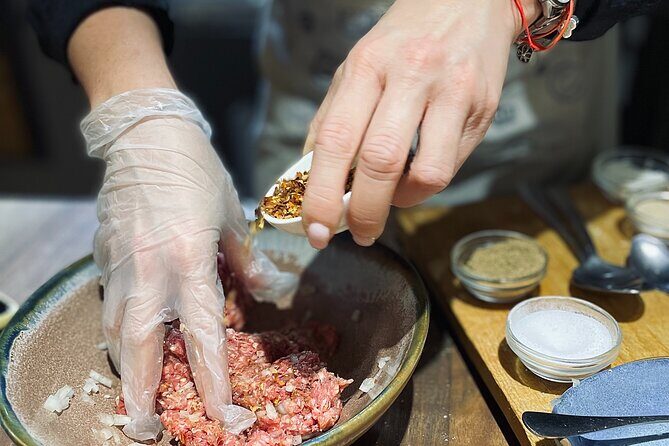
- Hands-on skills: dough/filling work for khachapuri and classic khinkali folding
- Instructors with humor and patience, often including names like Vladimir, Artem, or Seva
- You leave with recipes, so you can recreate the dishes at home
A Downtown Class Where Georgian Dumplings and Cheese Bread Become Real
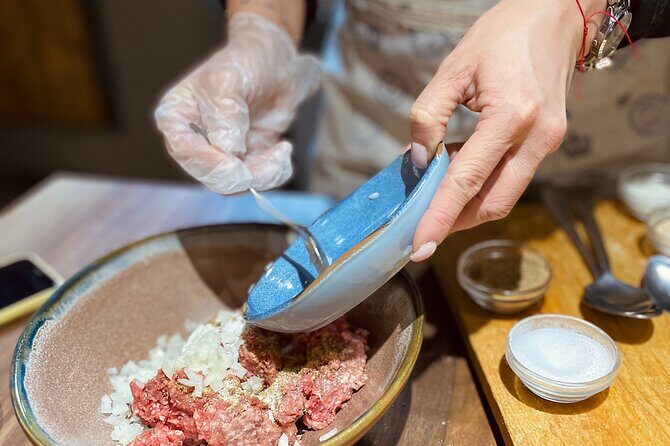
If you want Tbilisi in one meal, this is a smart pick. In about two hours, you go from learning basic technique to shaping dumplings and preparing cheesy khachapuri—then eating what you made. The class happens in central downtown, so it’s easy to plug into a normal sightseeing day without timing gymnastics.
What makes it work for real travelers is the balance. You get instruction and a clear structure, but it never feels like a school assignment. The atmosphere is casual and friendly, and the group size keeps things social. Solo travelers often like this format because you can talk with other people while you cook, without needing to “perform” a conversation.
Also, the class is offered in English and you’ll receive confirmation at booking. In other words: you can show up ready to eat and learn, not ready to figure out logistics in a foreign language.
You can also read our reviews of more cooking classes in Tbilisi

First Sip and First Bites: Wine, Salad, and Cheese Set the Mood
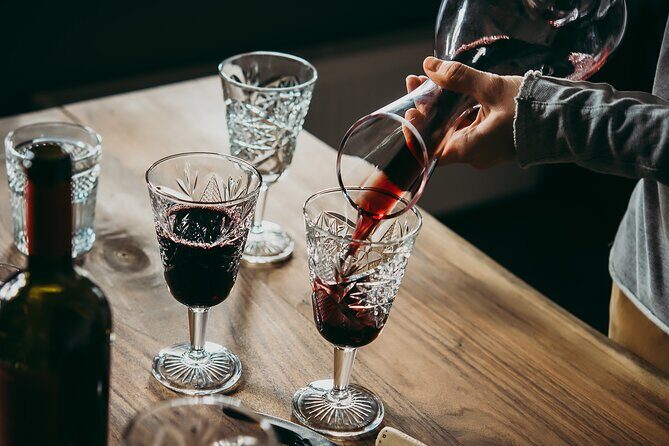
Your experience starts with a welcome that makes it feel like you’ve been invited to a Georgian table. Before the cooking gets serious, you’re treated to Georgian wine, a vegetable salad built around memorable tomatoes, and a platter of farm cheeses.
This matters more than it sounds. It lowers the intimidation factor. When you’re comfortable and fed, you’re more likely to pay attention to the technique—how dough should feel, how filling should be portioned, how the shaping should look. It’s not just free food while you wait; it’s a setup for a shared meal.
The wine is part of the included experience. One practical note from real-world experience: some groups have been served red wine only, with no option to switch to white. If that’s important for you, it’s worth checking in when you book.
Where You’ll Cook: A Restaurant Hall Workshop (Not a Kitchen)
This class is designed to be hands-on, but it isn’t staged in a commercial kitchen. You’ll work inside the restaurant hall, seated at a setup that supports instruction, tasting, and group interaction. Cooking happens behind closed doors, so you won’t stand over hot ranges or cook in real time.
That setup has tradeoffs:
- You won’t do every single step from start to finish.
- You do get supervised hands-on work where it counts—mixing, prepping, and shaping.
This is one of the most consistent themes in the experience: the chef teaches the process, then you practice key parts yourself. Some steps are prepared ahead so the class stays on time and you still end up with a full, satisfying meal.
Khinkali Folding 101: Dumpling Secrets in Plain Terms
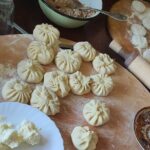
Khinkali are the headline. These dumplings are famous for their pleated “cinched” top and their careful balance of dough and filling. In your workshop, you’ll learn how to get that signature look while the chef explains the finer points.
Here’s how it usually plays out:
- The chef walks you through the approach to khinkali dough and technique.
- Then the class shifts into practical shaping: you practice sculpting the khinkali with step-by-step guidance and stories.
Even though the event is not in a kitchen, you still get to do the most recognizable part—the folding and shaping. That’s the bit that makes the meal feel earned, not ordered. And it’s also the bit that’s fun to learn. Everyone starts slightly awkward with the pleats, then improves fast when the instructor shows the rhythm.
In conversation, the chef also adds extra context. You’ll hear historical and cultural details about Tbilisi, plus humor along the way. Names you might encounter from instructor rosters include Chef Vladimir, Artem, or Seva, depending on the day.
Practical tip: wear sleeves you don’t mind getting a little dough-sticky. Even a “light touch” shaping session can leave your fingers with that unmistakable paste feeling. It washes off, but don’t plan on immaculate hands.
Making Imeretian Khachapuri: Dough, Filling, and Cheese Readiness
If khinkali are the dumpling skill, khachapuri are the cheese-bread comfort. Your class focuses on Imeretian-style khachapuri, which is known for its cheese-forward character and round, savory shape.
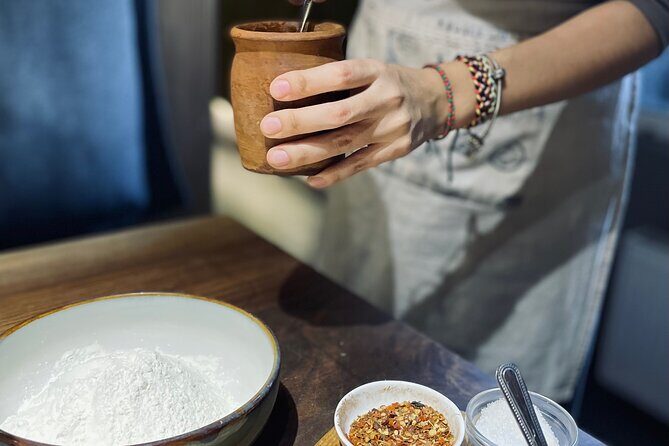
You’ll take part in the hands-on portion here in a more direct way than you might expect. The chef explains the method, and you’ll prepare:
- the dough for khachapuri
- the filling
- the spreading of cheese and getting it to the right readiness
The goal is simple: understand the feel of the dough and the logic of the filling, so you can repeat it later. A lot of cooking classes teach you what to do once. This one helps you learn why the dough behaves the way it does and what “done” should look and feel like.
One reviewer phrased it well: the class isn’t just about cooking, it’s about learning a few secrets so you can make it again at home. You’ll likely pick up those secrets through repeated practice—mixing, portioning, and shaping in a guided sequence.
After your preparations, the cooking team handles the hot process out of sight, and your khachapuri arrives as part of the meal.
A few more Tbilisi tours and experiences worth a look



The Storytelling Part: Why the Chef’s Comments Make It Worth It
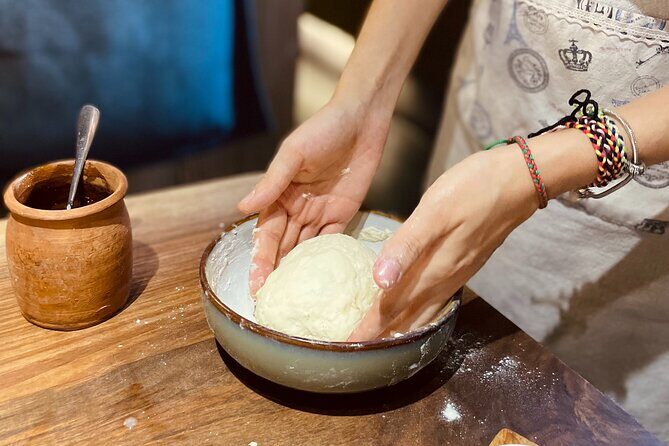
Cooking classes can be dry if all you do is repeat motions. This one adds flavor in the best way: by turning technique into stories. As you sculpt khinkali and work on khachapuri, the chef fills the room with explanations, historical tidbits about Tbilisi, and jokes.
That matters because it keeps you engaged during the moments when you’re waiting for dough to be prepped or for the next step to happen. Instead of standing around, you’re learning what you’re doing and why it matters to Georgian food culture.
You’ll also get a more social experience out of it. Since you’re seated and working in a shared space, it’s easy to chat with the other participants while you wait for your table’s next turn.
And it’s not just atmosphere. At the end, you’ll have recipes to take home. That turns the session from a one-off entertainment event into something you can use.
Meal Time: What You Actually Get to Eat
The best part of any cooking class is the moment you taste your results. Here, you’re not leaving hungry. The experience includes a meal built around what you cook and what you’re served alongside it.
Expect to eat:
- khinkali, the classic dumplings you shaped
- khachapuri, your Imeretian cheese bread
- salad and cheese as part of the meal structure
- wine as a included welcome and throughout the experience
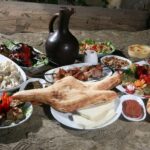
In other words, you’re getting a full Georgian food moment: savory dumplings plus cheesy bread plus fresh tomatoes plus farm cheese. Even if you’re not the kind of person who usually signs up for cooking classes, you’re still getting value because the food is abundant and varied.
One small reality check: because the class isn’t in a kitchen, some “active cooking” steps may be limited. A couple of people noted that not every element is made from scratch at your station (especially for khinkali dough), and that khinkali may be assembled with dough that’s already prepared. That’s not unusual for a restaurant-hall format. The part that matters most—the shaping and the technique you learn—is still hands-on.
Price and Value: Why This Workshop Tends to Feel Like a Deal
At $27.50 per person for about two hours, this is priced like a food experience, not a big-ticket excursion. The value comes from what you get for that money:
- instruction in two Georgian dishes
- an included wine-and-cheese start
- a meal you build around your work
- recipes to take home
The best way to think about value is this: you’re paying for a guided dinner experience where you’re not just eating, you’re participating. If you’ve ever been tempted by Georgian food but didn’t know where to start, this class gives you a guided entry point—fast.
The other value piece is the social format. You get a table, a small group, and an instructor with humor. That often makes the evening feel warmer than a typical food tour where you mostly stand and listen.
One consideration: group sizes are advertised as small, but busy season can change the reality. If you’re sensitive to crowding, plan a little extra flexibility. Still, the class format is built to keep everyone involved, even if the room gets more crowded.
Who Should Book This Khinkali and Khachapuri Class?
This is a strong fit if you want:
- a fun, low-pressure cooking activity
- hands-on practice with real Georgian dishes
- a central Tbilisi experience that works in an afternoon or early evening
It’s especially good for first-timers. You don’t need cooking skills to succeed here. The instructor’s style is often described as patient and step-by-step, with humor that helps beginners keep moving.
It also works well for families. One experience included kids (an adult with a 2-year-old and an 8-year-old) and still delivered a meal with included wine for adults. If you’re bringing kids, just plan for slightly different attention spans during instructions, and accept that the best part will be the hands-on bits.
If you’re a serious foodie who wants full kitchen control—mixing everything from scratch, cooking in real time, and managing multiple pans—you may want to look elsewhere. This is more “guided table workshop” than “full chef apprenticeship.”
Practical Tips Before You Go
A few small things will make the class smoother:
- Show up hungry. You’ll eat what you make, plus salad and cheese.
- Wear something you can roll up a bit. Dough sticks to sleeves faster than you expect.
- Be ready to follow instructions and laugh while you learn. The experience leans casual.
- If you’re particular about wine, ask about options ahead of time since some sessions have only offered red.
Also, since you’ll be seated in a restaurant hall, you’ll be comfortable and near amenities. It’s close to public transportation, and the activity meets and ends back at the starting point on Griboedov St.
Should You Book This Tbilisi Cooking Workshop?
Yes, I’d book it if you want a hands-on, affordable way to learn two of Georgia’s most iconic dishes without complicated planning. The combination of khinkali shaping, Imeretian khachapuri prep, and the included meal makes it feel like an efficient use of time in Tbilisi.
I’d pause only if you hate the idea of not cooking in a kitchen or you need a quiet, ultra-controlled setting with the smallest possible group every time. Even then, you’ll still likely come away with a new skill and a full belly.
If you’re in doubt, this is the kind of class where you don’t need a big appetite for “food knowledge.” You need curiosity, willingness to get a little flour on your hands, and a couple of hours to enjoy Georgia at the table.
FAQ
How long is the khinkali and khachapuri cooking class?
It lasts about 2 hours.
Where does the class start and where does it end?
The meeting point is St.Bunny31 Griboedov St, Tbilisi, Georgia, and the activity ends back at the meeting point.
Is the class small-group or larger?
It has a maximum of 6 travelers.
What dishes do I learn to make?
You’ll work on khinkali and Imeretian khachapuri.
Is the class held in a kitchen?
No. The master class takes place inside the restaurant hall, not in the kitchen.
What’s included with the class?
Wine, cheese, salad, and the dishes you prepare are included.
What language is the class taught in?
The class is offered in English.
Can I bring a service animal?
Service animals are allowed.
Can I get a full refund if I cancel?
Free cancellation is available up to 24 hours before the experience start time for a full refund.