REVIEW · TBILISI
Enjoy a Traditional Georgian Cooking Class and Meal with a Local in Tbilisi
Book on Viator →Bookable on Viator
Cook Georgian comfort food in a family kitchen. This is a home-based class with Tina and daughter Teo, where you get hands-on cooking and then sit down to eat what you made. I like the warm, relaxed setup—Tina lives with her parents and six siblings, so the atmosphere feels lived-in, not staged. I also like the family-table finish, with a full traditional meal served right after the cooking work is done.
The main drawback is simple logistics: there’s no hotel pickup, so you’ll need to reach the meeting point on your own and be ready to start on time.
In This Review
- Key highlights you’ll actually care about
- Why a Tbilisi home kitchen feels more real than a “class”
- Meeting Tina (and Teo): what the welcome is really like
- The 3-hour rhythm: from prep to cooking to eating
- 1) Get oriented in the kitchen
- 2) Cook 2–3 typical dishes
- 3) Sit down together for the meal you made
- What you’ll likely cook: dishes, feel, and small techniques
- Fresh tomato and cucumber salad
- Chakhokhbili: chicken stew with fresh herbs
- Khachapuri: cheese-filled bread
- Khinkali: Georgian dumplings
- Eating what you made: the Lechkhumi and Samegrelo centerpiece
- Churchkhela: the sweet finish you’ll remember
- Price and value: what you’re really paying for at $152
- Who should book this cooking class (and who should think twice)
- Practical tips to make your night smoother
- Should you book this Georgian cooking class in Tbilisi?
- FAQ
- Is this class private?
- How long does the cooking class last?
- What dishes will I learn to cook?
- Is lunch or dinner included?
- What’s included with the meal?
- Do they pick you up at the hotel?
- Can you accommodate allergies or dietary restrictions?
- What’s the cancellation window for a full refund?
Key highlights you’ll actually care about
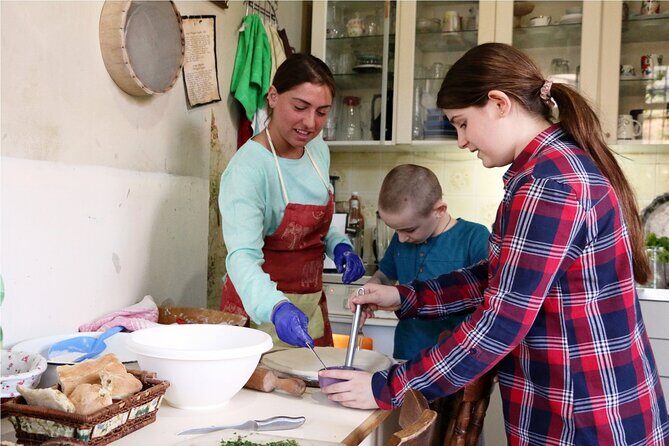
- Hands-on, not a show: cook along with Tina in her kitchen while learning 2–3 typical Georgian dishes.
- A meal built from Lechkhumi and Samegrelo: the menu reflects the region where Tina’s parents grew up.
- You’ll taste the classics: fresh tomato-cucumber salad, chakhokhbili, khachapuri, khinkali, and finished with churchkhela.
- Seasonal flexibility: the exact menu can shift depending on what’s best when you go.
- Alcohol and drinks are included: expect 1–2 glasses of local alcohol plus non-alcoholic beverages.
- Market knowledge may be part of it: some sessions include time with Tina learning about cheeses, herbs, and sweets.
Why a Tbilisi home kitchen feels more real than a “class”
Most cooking classes teach technique. This one teaches context.
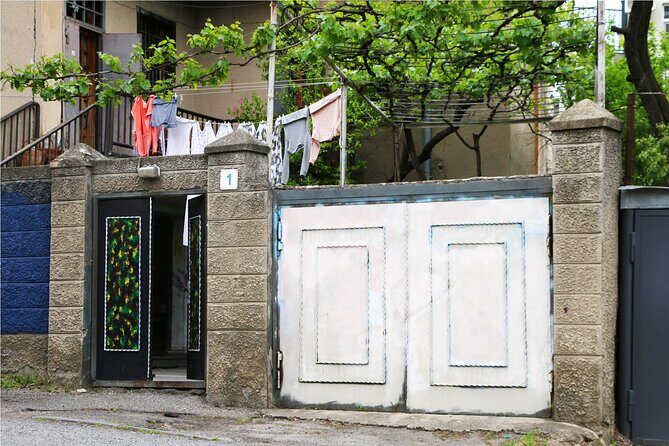
You’re not in a sterile studio with matching aprons and a timeline that feels like a clock. You’re in Tina’s real home, where family life is the background music—sometimes literally, with other children around depending on the day. That matters because Georgian food is not just recipes. It’s rhythm: herbs chopped close to the moment, sauces simmered until they smell right, bread handled with care, dumplings pinched by hand.
The best part is that you’re not only tasting. You’re doing the work first, then eating the payoff. That’s why the experience can feel personal even though it’s built for visitors: you learn, you share, and you sit at the same dining table as the people hosting you.
Also, the “from-scratch” vibe here is practical. A lot of restaurant experiences sell you an idea of Georgian food. This one gives you a small toolkit—how the dishes come together, what ingredients matter, and why the meal ends with something like churchkhela, not just dessert-as-an-afterthought.
You can also read our reviews of more cooking classes in Tbilisi

Meeting Tina (and Teo): what the welcome is really like
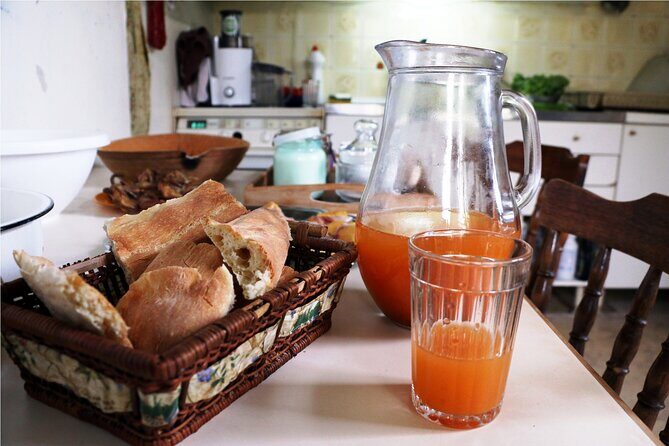
You’ll be greeted warmly when you arrive in Tbilisi. The tone is friendly right away, with smiles from Tina, and her daughter Teo or other children depending on who’s around that day.
In a place like Tbilisi, you’ll see plenty of history and viewpoints. This class is about a different kind of immersion: seeing how people live, eat, and talk when the doorbell rings. Tina typically walks you through what you’ll make and how the kitchen will flow. If you’re curious, this is also where conversation tends to pick up—food questions lead to family stories, and family stories lead to food tips.
One practical point: this is a private, group-only experience. Only your group participates. That keeps the energy from turning into a crowd choreography, and it usually means Tina can slow down when you need help—especially when your hands are learning something new like shaping dumplings or handling a cheesy bread.
The 3-hour rhythm: from prep to cooking to eating
The whole experience runs about 3 hours, which is perfect for a day where you want something memorable without burning an entire afternoon or evening.
Here’s how it generally plays out, in a way you can expect to feel on the day:
1) Get oriented in the kitchen
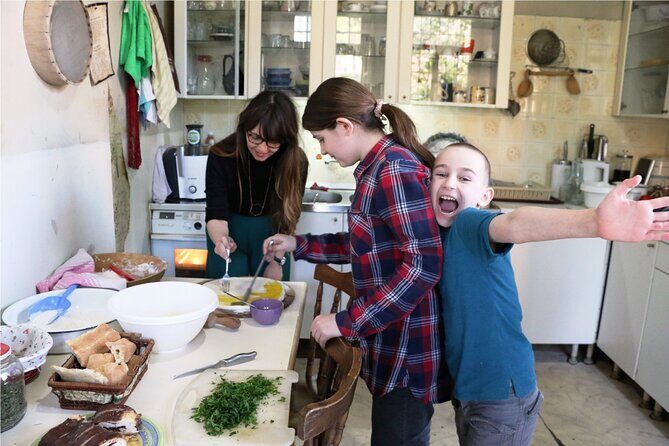
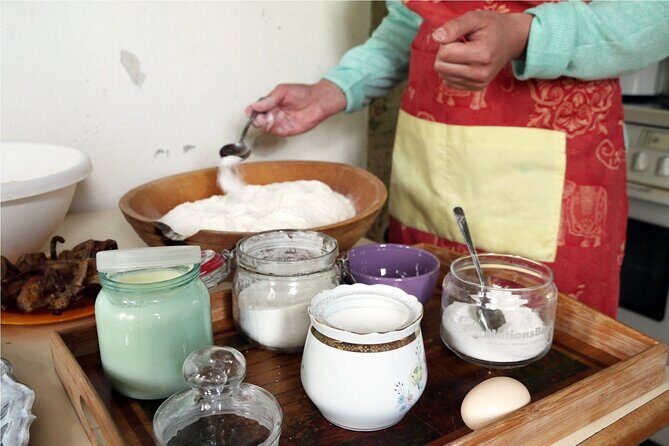
You start with a warm welcome and a quick sense of the workspace. Tina’s guidance is hands-on, meaning you’ll cook along with her rather than just stand by. You’ll likely see the ingredients laid out and get a feel for what gets cooked first versus what needs to be prepared closer to serving time.
This matters because Georgian meals often hit multiple textures: stewed and saucy, bread-and-cheese warm, dumplings bouncy, and a fresh salad to cut through everything.
2) Cook 2–3 typical dishes
Tina will guide you through making two or three dishes. The exact combo can vary with the season, but the class menu is built around Georgian comfort staples. In many sessions, you’ll touch dishes like:
- Fresh tomato and cucumber salad
- chakhokhbili (stewed chicken with fresh herbs)
- khachapuri (cheese-filled bread)
- khinkali (Georgian dumplings)
The pacing is usually forgiving enough that you can learn by doing. You’ll get Tina’s explanation, then repeat the steps with her correcting in real time—like how to adjust the herb load, how to tell when something is cooked through, or what “right” texture looks like for dough-based items.
A few more Tbilisi tours and experiences worth a look



3) Sit down together for the meal you made
Once the cooking is done, the setup changes from kitchen mode to dining mode. This is not a grab-and-go buffet. You join Tina at the family dining table and eat what you helped prepare.
That’s one of the most satisfying parts: your plate isn’t just food. It’s evidence you did it.
What you’ll likely cook: dishes, feel, and small techniques
Even if the menu shifts, you can expect the day to follow the Georgian pattern: fresh to start, rich and herby in the middle, dough and cheese and dumplings as the centerpieces, and a sweet finish.
Fresh tomato and cucumber salad
This starter is simple on paper, but it teaches an important Georgian lesson: freshness isn’t optional. Expect flavors that taste bright and clean, often with herbs and a simple dressing. It’s a palate reset—especially if you’re about to eat heavier things like khachapuri and khinkali.
Chakhokhbili: chicken stew with fresh herbs
Chakhokhbili is the “warm bowl” dish. The key is the balance: stew depth from cooking, then the lift from fresh herbs. Tina’s guidance helps you understand the moment when herbs go in—because adding them at the wrong time can dull the flavor.
If you’ve never cooked something like this before, this is where you’ll learn that Georgian stews aren’t just about heat. They’re about timing.
Khachapuri: cheese-filled bread
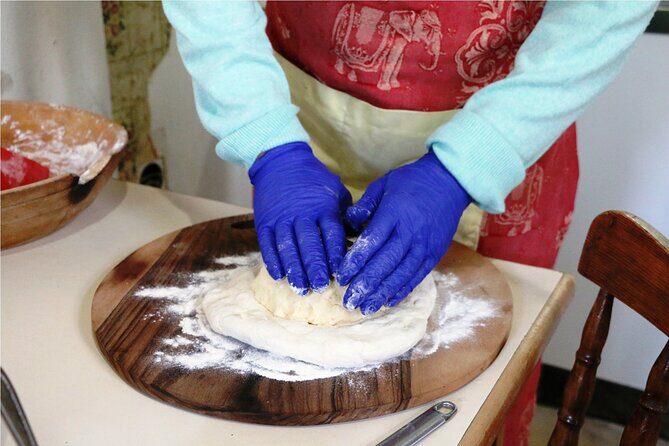
Khachapuri is the dish that makes people understand why bread matters in Georgia. You’re not just making something edible—you’re making something fragrant and shareable. Tina’s class style gives you a chance to handle dough and see how cheese behaves when it cooks.
This is a great dish for first-timers because it gives quick feedback. If your bread looks right and smells right, you’re usually on track.
Khinkali: Georgian dumplings
Khinkali can feel intimidating because it’s a skill dish. The good news: in a home kitchen, the learning curve is softened by practical coaching. You’ll likely work on shaping or filling, then see how dumplings come together in the pot.
Even if you don’t get dumpling perfection on your first try, you’ll leave with something valuable: how to think about filling distribution and closure, and what “done” looks like when they’re cooked properly.
Eating what you made: the Lechkhumi and Samegrelo centerpiece
Here’s the reason this meal feels special: it’s not just a generic Georgian menu. The food served at Tina’s dining table comes from Lechkhumi and Samegrelo, the regions where her parents grew up.
That regional angle matters because Georgia is not one single style. Even classics can vary in how they feel—herb emphasis, stew style, bread tendencies, and which sides show up on the table.
During the meal, you’ll likely see a table that follows comfort logic:
- something fresh to start
- something stewed and herby
- bread-and-cheese warmth
- dumplings as the hands-on centerpiece
And because this is a family meal, the experience is less about “courses” and more about sharing.
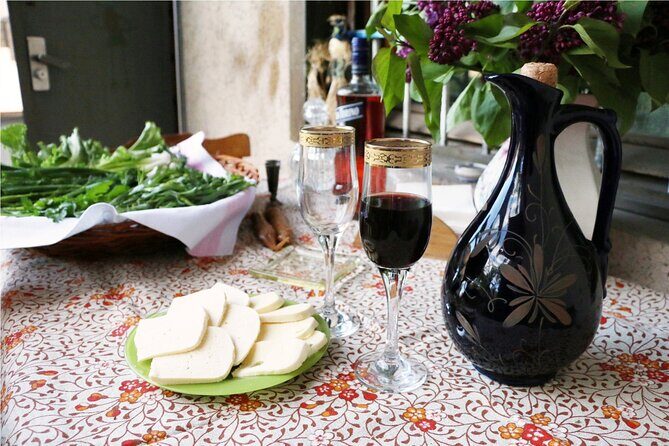
You’ll also get local alcohol (1–2 glasses) if you want it, plus non-alcoholic beverages. That’s a nice touch because it matches Georgia’s food culture—wine (and local spirits) aren’t treated like a separate activity.
If you prefer not to drink, you can still enjoy the experience; the beverages are included either way.
Churchkhela: the sweet finish you’ll remember
Most cooking classes end with dessert that feels like an afterthought. Here, the ending is a traditional ritual: churchkhela.
Churchkhela is made by repeatedly dipping a long string of nuts in tatara—a mixture of flour, sugar, and badagi (concentrated grape juice) or sometimes dry fruits. The process creates a sweet, chewy coating that’s part candy, part treat.
What I like about ending with churchkhela is how it rounds out the meal. The saltiness from dumplings and cheese gets balanced by something sweet and nutty, and the texture feels satisfying rather than sticky-sugar only.
Also, because it’s traditional and regional, it feels earned. You’re not finishing on something random. You’re finishing on Georgian food identity.
Price and value: what you’re really paying for at $152
At $152 per person, this class isn’t a budget option. But it can be good value if you judge it like a local dinner plus a learning session, not like a cafeteria ticket.
Here’s why the price can feel fair:
- You’re in a private home experience with your host (and her family atmosphere).
- The meal is included, with items like khinkali/khachapuri/chakhokhbili and the churchkhela finish.
- Taxes, fees, and handling charges are included.
- You also get local alcohol (1–2 glasses) and non-alcoholic beverages.
- Gratuities are included, which removes the awkwardness of figuring out what’s expected.
What to watch for: there’s no hotel pickup or drop-off. So if you’re far from public transportation, factor in time and cost to get to the meeting point.
If you like food experiences where the main event is real cooking, not just eating, this price tends to make sense. If you’re trying to do a full “Georgia sampler day,” you might feel it’s heavy for the time. But for a dedicated night of learning and eating, it’s solid.
Who should book this cooking class (and who should think twice)
This is a great fit if you:
- want hands-on Georgian cooking rather than a watch-and-hope experience
- enjoy conversation with locals during meals
- like regional food stories tied to family background
- want a 3-hour activity that still feels meaningful
It may not be the best choice if you:
- need a highly structured, scheduled itinerary with lots of sightseeing stops (this is a kitchen-centered night)
- dislike spending time in a working kitchen environment, even though it’s friendly and coached
It’s also a smart option for couples or small groups because the “only your group” format keeps it intimate.
Practical tips to make your night smoother
- Plan your route to the meeting point ahead of time. No hotel pickup means you’ll want to arrive ready, not rushing.
- If you have dietary restrictions or allergies, tell the host when booking. The class is designed to be personalized, but they can only adjust if they know early.
- Choose lunch or dinner based on your energy. Lunch can feel more leisurely; dinner slots often pair well with a slow Tbilisi evening after.
- Wear clothes you don’t mind getting a little cooking-life on them. Even with care, kitchens are… kitchens.
- Come hungry and curious. You’ll be cooking and then eating a full meal, including churchkhela.
Should you book this Georgian cooking class in Tbilisi?
Yes, if you want an evening where you learn real Georgian dishes and then enjoy them at a family table. The combination of hands-on cooking, the warm home setting with Tina and Teo, and a meal that reflects Lechkhumi and Samegrelo flavors makes this more than a cooking demo.
Book it especially if you’re the type who remembers meals from the way you learned them—chopping herbs, shaping dumplings, tasting right after you’ve helped make it. If you prefer a low-effort “just tell me what to eat” experience, you may feel the kitchen work is the whole point. But if you’re game for that, this is the kind of Tbilisi night that sticks with you long after the last bite.
FAQ
Is this class private?
Yes. It’s a private, personalized experience, and only your group will participate.
How long does the cooking class last?
It lasts about 3 hours (approx.).
What dishes will I learn to cook?
You’ll learn to cook two or three typical Georgian dishes. The exact menu can vary by season, but it may include items like tomato-cucumber salad, chakhokhbili, khachapuri, and khinkali.
Is lunch or dinner included?
Yes. Lunch or dinner classes are available, and you’ll share the meal you help prepare at the family dining table.
What’s included with the meal?
You’ll get local alcohol (1–2 glasses), non-alcoholic beverages, and the traditional meal plus churchkhela. Taxes and gratuities are included too.
Do they pick you up at the hotel?
No. Hotel pickup and drop-off are not included.
Can you accommodate allergies or dietary restrictions?
You can. If you have any allergies, dietary restrictions, or cooking preferences, you should advise the host at time of booking.
What’s the cancellation window for a full refund?
You can cancel up to 2 days in advance of the experience for a full refund.