REVIEW · TBILISI
David Gareji and Real Rainbow Mountains Off-Road adventure + hike
Book on Viator →Operated by Friendly.ge: Transfers & Tours in Georgia · Bookable on Viator
A salt-and-cave day outside Tbilisi. This off-road hike-and-monastery trip links Georgia’s semi-desert views with cave churches at Natlismtsemeli and David Gareji, then finishes with colorful mountain terrain.
I especially love the real 4×4 driving through rough roads, not just a quick photo stop. I also like the mix of short hiking plus two monastery visits, so your day has movement and meaning.
One drawback to plan for: the ride is bumpy and the walking can get slippery, so bring sturdy, closed-toe shoes and skip it if you’re prone to motion sickness.
In This Review
- Key highlights in plain English
- What this David Gareji and Rainbow Mountains day really feels like
- Europe Square pickup and the Rustavi contrast
- Rainbow Mountains and Mravaltskaro: colors, walking, and big skies
- Natlismtsemeli Monastery: caves, frescoes, and monastery life
- David Gareji Monastery Complex: rock churches in the semi-desert
- Udabno lunch, Kubdari, and the Patardzeuli wine tasting
- Kapatadze Lake: salt, color, and a calmer ending
- Price and logistics: what you’re really paying for
- Comfort, timing, and the “bumpy but safe” factor
- Practical tips: shoes, heat, and church rules that actually matter
- Should you book this David Gareji and Rainbow Mountains off-road tour?
- FAQ
- How long is the David Gareji and Rainbow Mountains off-road tour?
- What does the tour cost?
- Where do I meet the group?
- Is hotel pickup included?
- How much walking is involved?
- Is lunch included in the price?
- Is wine tasting included?
- What should I wear for this tour?
- What happens if the weather is bad?
Key highlights in plain English
- Real off-road route: 4×4 travel through Rustavi area, desert terrain, and backcountry viewpoints
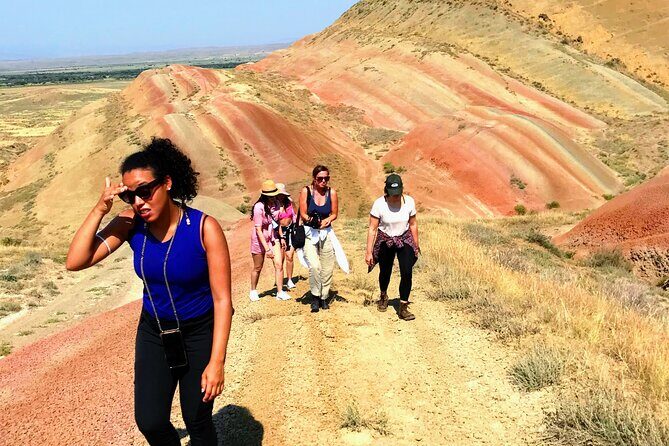
- Rainbow Mountains walk time: around 4 km total on foot, with a chance to hike photo slopes
- Cave monastery atmosphere: cave temples and church interiors with old frescoes at Natlismtsemeli
- David Gareji’s rock-church complex: monastery spaces carved into dramatic desert rock
- Udabno lunch plus optional wine: traditional Georgian food, and a short wine tasting stop
- Small group size: up to 12 people, usually guided in English (Russian may be mixed in)
What this David Gareji and Rainbow Mountains day really feels like
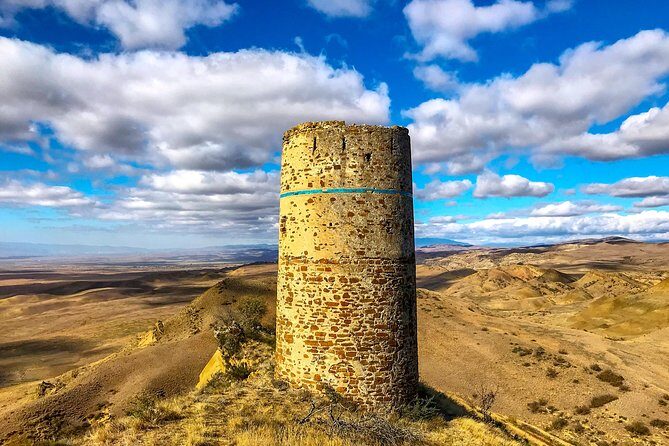
This is the kind of day trip that changes pace a few times on purpose. You start in the city, then you’re rattled off-road into a place that feels wide open and hard to pin on a map.
The best part is the pairing: colorful mountain terrain for your photos, then monasteries carved into rock for your understanding of why this region mattered to Georgia. The day is long (about 9 to 11 hours), but it stays active.
You’ll get plenty of time outdoors, including a hike portion and multiple viewpoint breaks. If you like your sightseeing with some effort and a driver who actually knows how to handle rough ground, this fits.
You can also read our reviews of more hiking tours in Tbilisi
Europe Square pickup and the Rustavi contrast
Your tour kicks off at Europe Square with a meeting spot at the taxi parking. Plan for a 15-minute waiting window so you don’t stress the schedule.
From there, you head toward Rustavi. It’s a post-Soviet city vibe: big roads, Soviet-era buildings, and plenty of industrial-era remnants—then, gradually, the scenery starts to turn dustier and more rural. The drive time matters because it sets expectations: you’re not doing a “sit on a bus and see stuff” trip.
You’ll travel in a 4×4 vehicle, which is a big deal for comfort and timing. Even when the roads look manageable on a map, off-road routes can take longer, so a later arrival back to Tbilisi is normal.
Rainbow Mountains and Mravaltskaro: colors, walking, and big skies
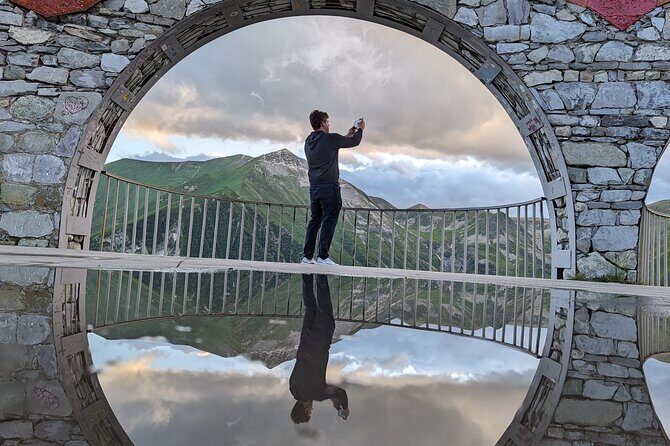
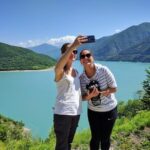
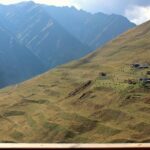
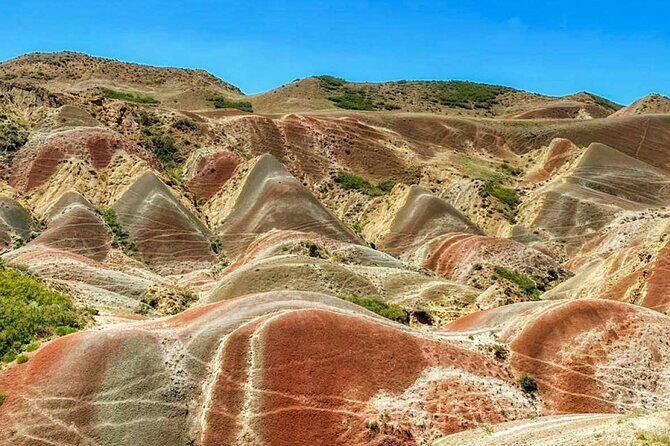
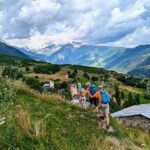
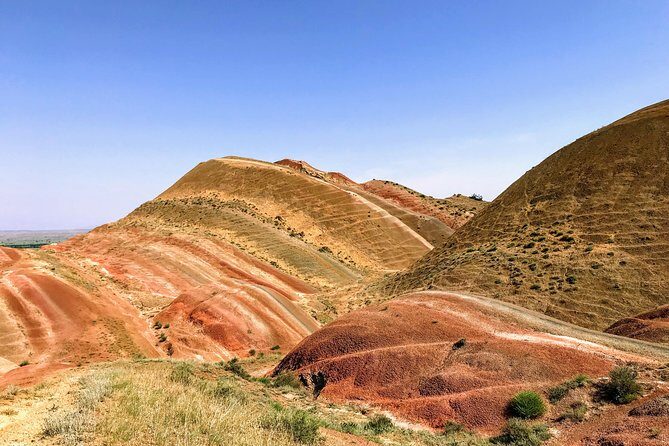
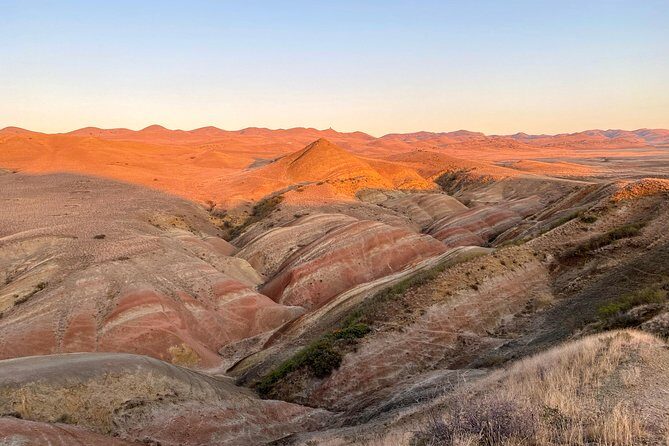
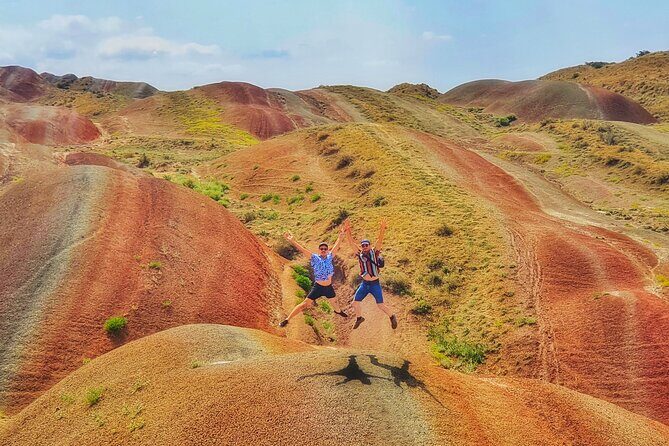
The first big outdoors hit is the Mravaltskaro colored mountains area and the nearby lake viewpoint. The place gets described as surreal for a reason: unusual rock colors and patterns make it feel like you’re somewhere else.
Expect photo opportunities on slopes, which means some walking even before you settle into the main viewpoints. It’s not a marathon hike, but it’s enough that muddy patches or sharp grasses can turn a casual stroll into a “move carefully” moment.
This area can be a good birdwatching stop, too. Depending on the season, you might spot herons, eagles, falcons, magpies, and even some rarer animals like turtles—so keep your eyes up, not just on the colors.
Natlismtsemeli Monastery: caves, frescoes, and monastery life
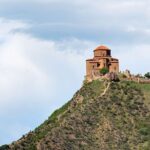
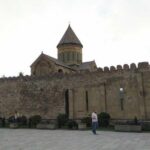
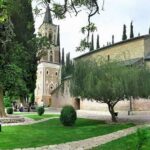
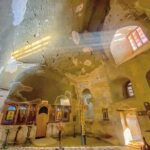
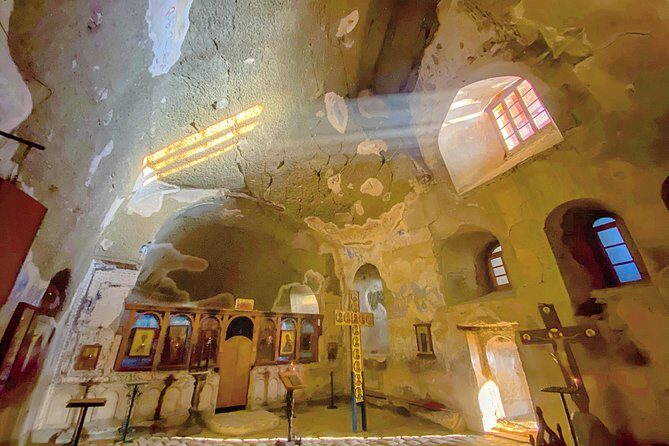
Natlismtsemeli Monastery sits in rugged terrain and feels like it belongs to a much older rhythm. The monastery is active, so you’re not just sightseeing buildings—you’re visiting a living religious site.
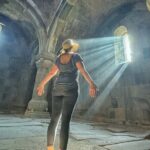
What makes the stop special is the cave-temple setup and the central church with frescoes dating to the 12th century. That combination gives you both the “wow” factor of rock-carved spaces and the human detail of art that survived centuries.
The time here is shorter than David Gareji, so you’ll want to focus. Look for the cave interiors and the church details, and ask questions about what you’re seeing—guides here tend to explain daily life and the monastic setting in a way that makes the architecture click.
If you’re sensitive to church dress rules, prep your outfit ahead of time. For Orthodox churches, women are required to cover their heads and wear skirts, and men should wear pants.
David Gareji Monastery Complex: rock churches in the semi-desert
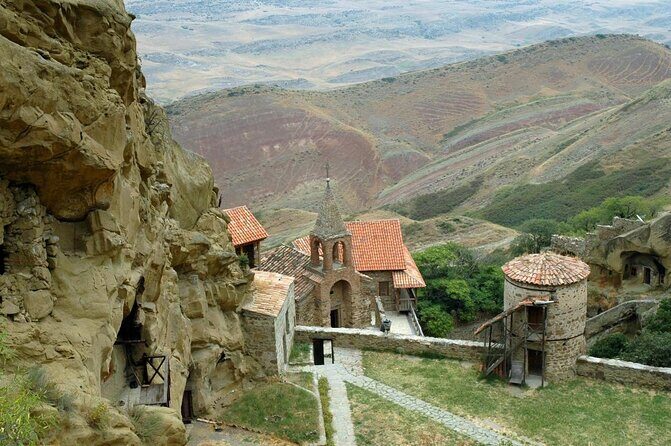
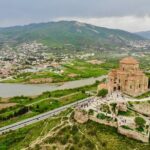
David Gareji is the reason many people book this exact day trip. The monastery complex is set in Georgia’s southeastern semi-desert, with cave churches and monastic cells carved directly into a rock formation.
This stop gives you the “history meets terrain” feeling. The desert around you isn’t just scenery; it’s part of how the monastery made sense. Walk the cave churches, take in the views over the dry hills, and you’ll see why monks and pilgrims kept returning here.
One practical detail: conditions can make certain paths feel uneven or steep. Some people also mention viewpoints near the Azerbaijan border, where you might be able to see border patrol activity from both sides depending on the route and sightlines.
Time-wise, it’s a focused visit (around 40 minutes). That’s enough for the main cave churches and key areas, but not enough to wander without purpose—so keep your questions ready and move at a steady pace.

Udabno lunch, Kubdari, and the Patardzeuli wine tasting
Next up is Udabno, where you pause for a traditional Georgian lunch. This is the meal portion that keeps the rest of the day from feeling like “just walking and looking.”
The food is described as authentic, with a highlight called Kubdari—a hearty meat-filled bread linked to the Svaneti region. There are also vegetarian options available at the local restaurants, so you’re not locked into only one style.
Lunch is not included in the base price. Budget about 30 GEL per person without beverages, and plan to use cash or card since this stop can require quick payment on-site.
Then there’s a short wine tasting stop at a local winery area called Patardzeuli. The tour notes it as optional, and some situations can affect whether it runs exactly as planned, so it helps to stay flexible. When it does happen, it’s usually a smooth closer: a small tasting and a chance to talk shop about Georgian wine culture before you roll back toward Tbilisi.
Kapatadze Lake: salt, color, and a calmer ending
After lunch and your winery stop, the day turns scenic again with a quick look at Kapatadze Lake. This salty lake sits in the semi-desert region near the David Gareji area, and its colors change with the season.
In summer, it can partially dry, revealing white salt patches that look almost unreal on camera. In spring, nearby almond orchards can bloom, bringing softer pink and white tones to the dry surroundings.
This isn’t a long stop, but it works as a finale. You’ll get a chance to sit with the wide-open sky for a moment and take those last photos without the pressure of rushing to the next monastery.
Price and logistics: what you’re really paying for
The listed price is $51.50 per person, with tours averaging about 42 days in advance. For this area, that’s the kind of price point that can feel like a bargain when you compare it to the effort involved: long drive time, off-road vehicle work, guides, and multiple sites in one day.
What helps the value is that admission tickets are listed as free for the stops, and you get bottled water included. If you book a private tour, you also get hotel pickup and drop-off. Group tours don’t promise pickup, so you’ll meet at Europe Square.
The small group size (max 12) is another value driver. Less crowding makes monastery visits feel quieter, and it’s easier for your guide to manage off-road logistics and keep the hike portion safe.
You may also see an optional front-seat upgrade for $30, limited by availability. If you get carsick or just want less jostling, this can be worth considering.
Comfort, timing, and the “bumpy but safe” factor
This is not a sit-back, smooth-highway kind of tour. The entire point is the 4×4 off-road route, which means you should expect vibration, dust, and occasional jolt moments.
The upside is that the drivers are central to the experience. Reviews repeatedly highlight drivers who handle rough terrain professionally, which is exactly what you want here. A skilled driver reduces stress and keeps everyone moving steadily, even when roads look like they shouldn’t exist.
Timing wise, expect heat to matter. May to October can bring temperatures over 30°C (86°F). The altitude is about the same as Tbilisi (around 350 m / 1150 ft), so altitude sickness isn’t the main issue—heat and sun are.
Also note this: the tour mentions about 4 km (2.5 miles) of walking. That’s manageable for many people, but it’s still a “bring the right footwear” day, not a sneakers-only stroll.
Practical tips: shoes, heat, and church rules that actually matter
You’ll have the most comfortable day if you prepare like a hiker, not like a museum visitor. Wear closed-toe, sturdy shoes because terrain can be muddy and steep. Some walking happens on slopes, and at least one review calls out slippery spots—so treat it as real trail time.
Dress for heat. In warm months, long pants can protect your legs from sharp grasses, and layers help if mornings or shade feel cooler. If you’ve got motion sickness, skip this one or plan extra caution, since the off-road driving can trigger symptoms.
For Orthodox churches, pack or plan clothing. Women should cover their heads and wear skirts. Men should wear pants. If you don’t meet the dress code, you might have trouble entering some spaces.
Finally, keep a little cash handy. Lunch is paid on-site, and you might want cash for restrooms and tips. Coffee and personal expenses can also come up during a full-day schedule.
Should you book this David Gareji and Rainbow Mountains off-road tour?
Book it if you want a day that feels like Georgia beyond the main road. This works best for people who like active sightseeing, can handle uneven ground, and want two monastery stops that are more than “look at the building and leave.”
Skip it if you need smooth transport, prefer a fully flat route, or you get carsick easily. Also, if you’re expecting only big viewpoint photos from a distance, you might feel like the hiking portion is too much. The good news is the walk portion is short, but it still requires real shoes.
If you want your day trip to combine colorful mountain terrain, cave churches, desert viewpoints, and a traditional meal, this is a strong match—and the overall rating (4.9) backs up that most people leave feeling it was worth the long day.
FAQ
How long is the David Gareji and Rainbow Mountains off-road tour?
It runs about 9 to 11 hours.
What does the tour cost?
The listed price is $51.50 per person (the exact price can vary based on date, group size, season, and promotions).
Where do I meet the group?
The meeting point is Europe Square (taxi parking). For private tours, you’ll get hotel pickup.
Is hotel pickup included?
It’s included only for private tours. Group tours start from the Europe Square meeting point.
How much walking is involved?
You’ll explore about 4 km (2.5 miles) on foot, plus some extra walking for photo spots depending on conditions.
Is lunch included in the price?
Lunch is optional and is paid on-site (about 30 GEL per person without beverages). You’ll need cash or a card.
Is wine tasting included?
Wine tasting is described as optional. Availability can affect whether it happens exactly as planned.
What should I wear for this tour?
Wear closed-toe, sturdy shoes. The route can include muddy and steep areas, and the weather can be hot.
What happens if the weather is bad?
This experience requires good weather. If it’s canceled due to poor weather, you’ll be offered a different date or a full refund.