REVIEW · TBILISI
Sacred Sites and Ancient Wonders: Jvari, Mtskheta and Uplistsikhe
Book on Viator →Operated by BB Georgia Travel · Bookable on Viator
A hilltop monastery sets the tone fast. This day trip from Tbilisi strings together Jvari, Mtskheta, Gori, and Uplistsikhe—so you get faith, power, and stone-carved history in one smooth arc.
I especially love how the views at Jvari make the whole region click, since you can see how Mtskheta sits near the Aragvi–Mtkvari meeting point. I also like the mix of eras here: a UNESCO cathedral tied to Georgia’s royal story, then a hard pivot to the Stalin Museum in Gori.
One thing to consider: two of the four main stops require paid tickets on the spot (Stalin Museum and Uplistsikhe), and the day is structured with enough walking and terrain changes to wear you out if you’re not used to steps and uneven ground.
In This Review
- Key highlights you’ll feel right away
- Jvari Monastery: The Hill Stop That Makes Everything Make Sense
- Svetitskhoveli Cathedral in Mtskheta: UNESCO Power and a Sacred Clue
- Gori and the Stalin Museum: A Tough Turn in the Story
- Uplistsikhe Cave City: Rock-Hewn Streets from the Ancient Silk Road
- Price and Logistics: What You’re Really Paying For
- Who This Tour Fits Best (and Who Might Skip It)
- FAQ
- FAQ
- How long is the tour from Tbilisi?
- What time does the tour start?
- Is hotel pickup and drop-off included?
- Is this a private tour or shared?
- Are tickets included for all stops?
- What are the entrance fees for the paid sites?
- Is lunch or food included?
- Does the tour include a guide?
- Is the tour near public transportation?
- What if my plans change?
- Should You Book This Tour?
Key highlights you’ll feel right away
- Hilltop Jvari views that help you understand why this site mattered
- Svetitskhoveli Cathedral (UNESCO) and the belief that Christ’s robe lies beneath
- Gori’s Stalin Museum with the added detail of his armored train
- Uplistsikhe’s rock-hewn streets from the ancient Silk Road world
- Guide-led storytelling (Irakli and Davit are specifically praised) that keeps the day lively
- Private-group feel with hotel pickup and drop-off in Tbilisi
Jvari Monastery: The Hill Stop That Makes Everything Make Sense
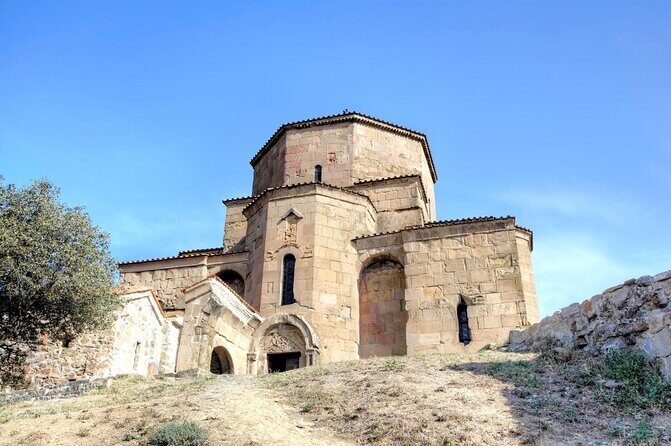
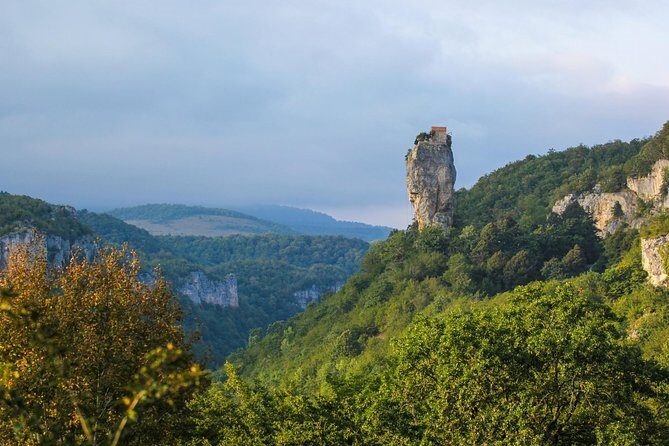
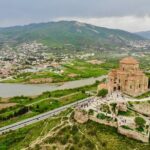
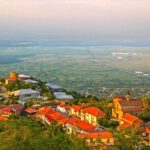
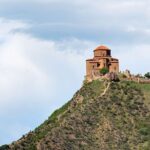
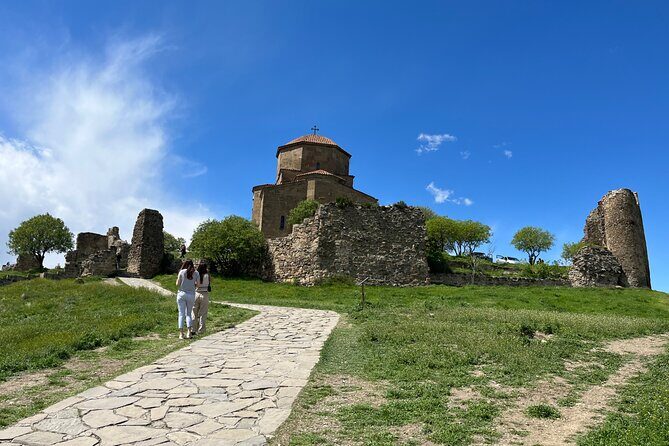
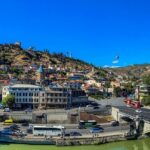
Jvari Monastery sits above Mtskheta, in the way a lot of great sacred places do: high enough that you can read the geography with your eyes. From up there, you get the eye-catching view over the city and the Aragvi–Mtkvari meeting place. That single sight explains why monasteries like this were never only about prayer—they were about being in the right place, watching the world and the routes through it.
You’ll spend about 30 minutes here, and admission is free. For me, the value is timing. This is the kind of stop where you don’t need to overstay. You take in the panorama, absorb the setting, and then move on while the day still feels fresh.
Practical note: churches and monasteries can be cool and breezy, even when Tbilisi is warm. A light layer can save you. Also, expect some uneven ground on approaches; it’s a hill site, and Georgia doesn’t do flat sidewalks everywhere.
You can also read our reviews of more tours and experiences in Tbilisi.


Svetitskhoveli Cathedral in Mtskheta: UNESCO Power and a Sacred Clue
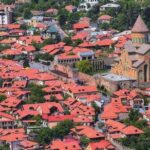
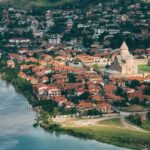
Then you roll into Mtskheta, the older heart of Georgia’s story. This city was founded long before modern Tbilisi rose to prominence, and it served as the capital of the early Kingdom of Iberia from the 3rd century BC to the 5th century AD. Later, when the capital moved to Tbilisi, Mtskheta still kept a special role—especially for coronations and royal burials. It’s history with continuity, not just a stack of ruins.
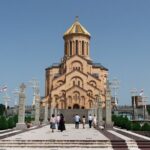
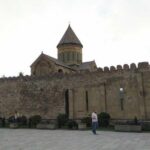
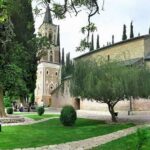
The star is Svetitskhoveli Cathedral, recognized by UNESCO. The cathedral is described as a masterpiece of the Early Middle Ages, and it’s not shy about meaning. One of the most distinctive beliefs tied to this site is that Christ’s robe is believed to lie beneath the cathedral. Even if you treat that story as faith rather than fact, it’s still a powerful way to understand why pilgrims and kings cared so much about this exact spot.
You’ll have about one hour here, and admission is listed as free. That hour is enough to see the core of the cathedral experience without feeling like you’re trapped. Still, if religious sites are your priority, go slower: spend a few extra minutes just looking at how the space is used, not only what you can photograph.
A small consideration: interior time can be emotionally and spiritually intense, and you’ll be switching gears later to Gori and Stalin’s history. If you’re sensitive to that kind of subject matter, pace yourself and take short breaks when you can.
Gori and the Stalin Museum: A Tough Turn in the Story
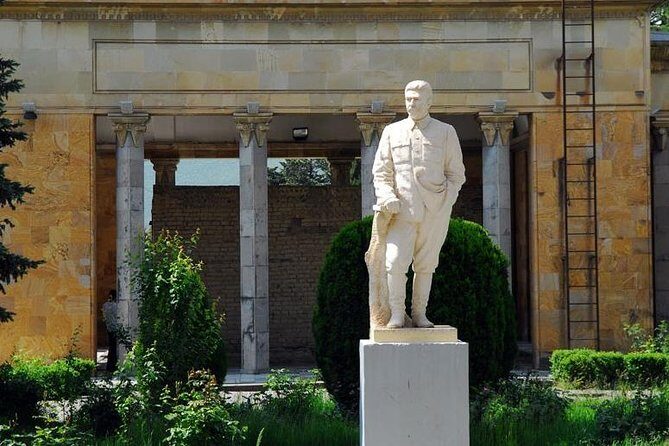
Next comes Gori, known as the birthplace of Stalin. The day trip doesn’t treat this as a shallow stop; it gives you a real museum visit—about one hour—where you can see the house where he was born and grew up. There’s also mention of his armored train, which adds a very concrete visual layer to the political history.
The ticket for the Stalin Museum is not included and costs 15 GEL. In value terms, that price matters less than what you’re choosing to learn. This stop can feel heavy compared with the earlier sacred sites. But that contrast is exactly what makes the full tour work. You’re seeing two different kinds of authority: religious legitimacy on one side, Soviet power and propaganda machinery on the other.
If you’re on the fence about visiting a museum connected to such a difficult figure, I’d think of it like this: you’re not just collecting information. You’re visiting a place that shaped how Georgia was viewed from the Soviet era. Even a brief visit can help you frame what you’re seeing elsewhere.
Also, the guides here are praised for storytelling and for helping the day feel meaningful rather than rushed. Names that show up in the experience feedback include Irakli and Davit, and that kind of guidance matters when you move from stone churches to modern ideology.
Uplistsikhe Cave City: Rock-Hewn Streets from the Ancient Silk Road
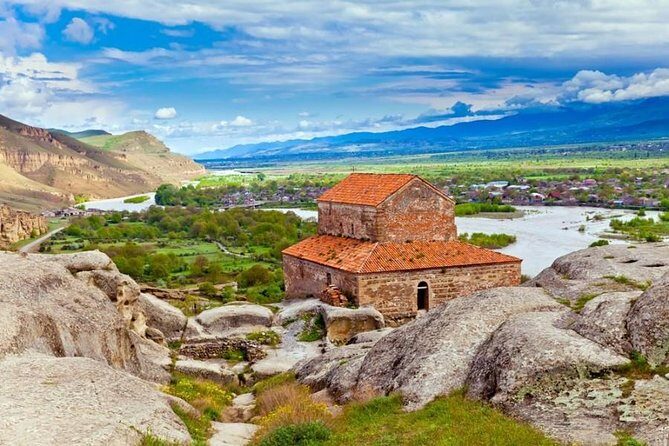
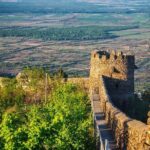
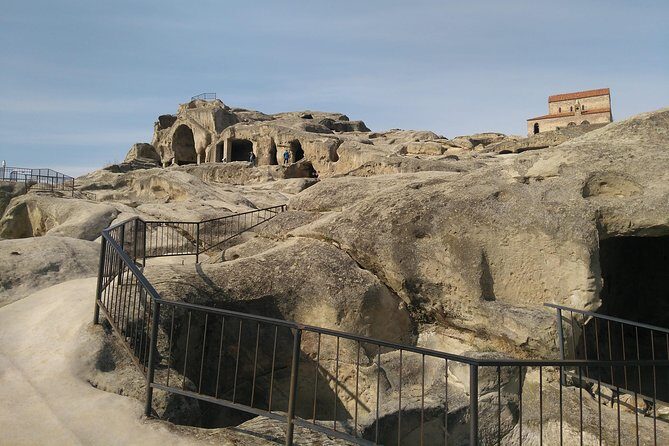
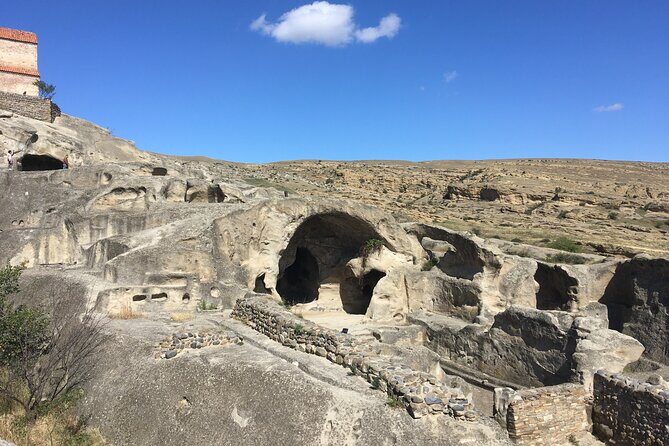
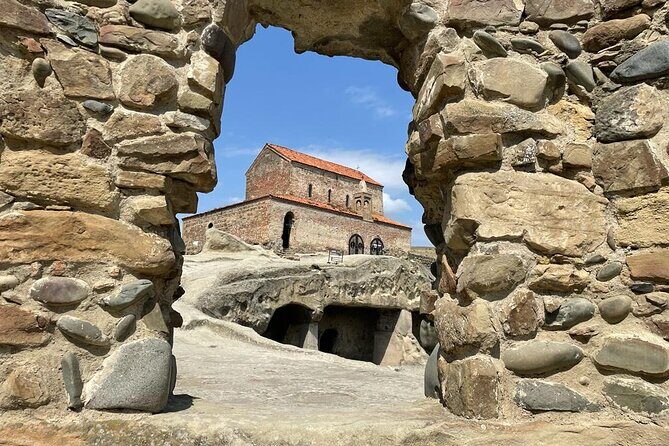
Then you get one of the most physical stops of the day: Uplistsikhe Cave Town. The name is often explained as Fortress of the Lord, and the site is an ancient rock-hewn town. It sat directly along the old Silk Road, which is why it functioned as a strategic and commercial center. At its peak prosperity, the city reportedly had around 20,000 residents.
You’ll have about one hour here. The ticket is not included, and Uplistsikhe costs 15 GEL. For me, the best value of Uplistsikhe is that it feels built, not just preserved. You’re walking through structures carved into stone that once held daily life—business, movement, and survival along a major trade corridor.
Because the complex is rock-hewn, you should expect uneven ground and stair-like sections, depending on which areas your route covers. Comfortable shoes matter. If you’re sensitive to tight spaces or sudden changes in footing, go slow and pause when you need to.
Compared with the cathedral, which asks for quiet attention, Uplistsikhe asks for curiosity and orientation. Your guide’s stories are useful here because the place can look like a “cool set of caves” until someone connects it to the Silk Road and the city’s role.
Price and Logistics: What You’re Really Paying For
The tour is listed at $100 per person and runs about 7 hours. That’s not a cheap day trip, so I’d judge it by what’s included rather than the sticker.
Here’s what you get:
- Hotel pickup and drop-off in Tbilisi
- A private vehicle and fuel surcharge
- A driver/guide
- Group discounts are mentioned, and you’ll have only your group on the tour
- Mobile ticket is available
What you don’t get:
- Food and drinks and lunch
- Any extra entrance fees beyond the two free stops
- Tickets for Stalin Museum (15 GEL) and Uplistsikhe (15 GEL)
When you add up the paid entrances, your “out of pocket” is still fairly predictable. The real value is that you’re not spending the whole day coordinating transport between distant sites. This is the kind of itinerary where independent travel can turn into a patchwork of timing issues. Here, the day stays stitched together.
One more practical thought: since admissions are free at Jvari and Svetitskhoveli, your day costs become more manageable, and your money goes where it counts—into the museum and the cave city.


Who This Tour Fits Best (and Who Might Skip It)
This tour suits you if you like seeing a region’s story through multiple lenses in one day. You’ll get religious architecture, royal-era significance, Soviet-era history, and then a Silk Road site shaped by commerce and survival.
I’d also recommend it for first-time visitors to Georgia who want to get out of Tbilisi without losing the day to logistics. The itinerary is focused. You’re not bouncing through a dozen tiny stops.
Consider skipping or picking a slower option if:
- You don’t handle politically charged history well (Stalin Museum is part of the package)
- You hate uneven surfaces and stairs
- You expect lunch to be included (it isn’t)
FAQ
FAQ
How long is the tour from Tbilisi?
It’s listed as about 7 hours.
What time does the tour start?
The start time is 10:00 am.
Is hotel pickup and drop-off included?
Yes. Hotel pick up/Hotel drop-off is included.
Is this a private tour or shared?
It’s private—only your group will participate.
Are tickets included for all stops?
No. Stalin Museum and Uplistsikhe have tickets that are not included. Jvari Church and Svetitskhoveli Cathedral are listed as free.
What are the entrance fees for the paid sites?
Stalin Museum: 15 GEL and Uplistsikhe: 15 GEL.
Is lunch or food included?
No. Food and drinks / Lunch are not included.
Does the tour include a guide?
Yes. A driver/guide is included.
Is the tour near public transportation?
Yes, it’s described as near public transportation.
What if my plans change?
You can cancel for a full refund up to 24 hours before the experience starts.
Should You Book This Tour?
If you want one day that gives you four distinct eras—hilltop monastery, UNESCO cathedral, Stalin-era history, and a Silk Road cave city—this is a strong pick. The biggest plus is the way the day is structured with pickup, a private vehicle, and a guide who can connect sites into a coherent story. The other standout is guide quality: Irakli and Davit are called out for communication and for bringing the stops to life.
Book it if you’re comfortable paying a couple of extra tickets (15 GEL each) and you can handle a day of walking on real terrain. Skip it if you only want relaxed sightseeing and don’t want a politically heavy museum stop in the middle of the day.