REVIEW · TBILISI
Four Historical Places: Mtskheta-Gori-Uplistsikhe-Jvari Monastery- Private Tour
Book on Viator →Operated by Levan Tours · Bookable on Viator
Four monuments, one efficient day. This private tour strings together Georgia’s big spiritual site at Jvari, the UNESCO story of Mtskheta, the alien rock-city of Uplistsikhe, and an optional stop in Gori for Stalin history.
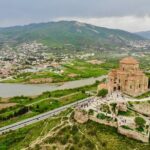
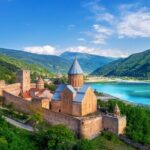
I like the way the day is built for comfort and flow: hotel pickup and drop-off in Tbilisi, air-conditioned private cars, and guided commentary that keeps each stop understandable (and not just a list of stones). I also really love the views from Jvari—standing high above the confluence of the Mtkvari and Aragvi rivers is the kind of perspective you remember long after you leave.
One thing to plan for: it runs about 7 to 8 hours, and lunch is not included, so you’ll want to handle food on your own and keep your energy up between sites.
In This Review
- Key highlights you’ll feel right away
- How this route makes sense: Mtskheta, then rock-hewn Uplistsikhe
- Entering Jvari Monastery: the view does the storytelling
- Stalin Museum in Gori: optional, but payoff depends on your mood
- Uplistsikhe cave town: walking through Late Bronze Age to medieval Georgia
- Mtskheta and the UNESCO core: Svetitskhoveli Cathedral’s powerful backstory
- Price and logistics: what $113 buys you in a day that actually runs
- Comfort details that matter more than you think
- Who should book this tour, and who should skip it
- Should you book Four Historical Places: Mtskheta–Gori–Uplistsikhe–Jvari?
- FAQ
- What is the duration of the tour?
- Is hotel pickup and drop-off included?
- Which tickets are included, and what costs extra?
- Is the Stalin Museum stop required?
- Do I need cash during the day?
- Is lunch included, and is there a vegetarian option?
Key highlights you’ll feel right away
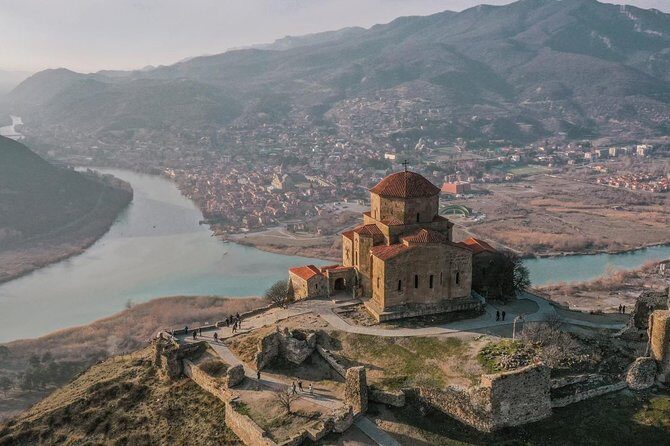
- Jvari’s river confluence view from a 6th-century monastery spot on the rocky ridge
- Private, air-conditioned transport plus hotel pickup and drop-off in Tbilisi
- Uplistsikhe cave town tickets included, with about two hours on site
- Stalin Museum is optional (you pay the ticket on the day if you choose it)
- Fresh Georgian water included to keep you comfortable in between stops
- Friendly, prompt driver/guide Levan vibe, plus clean and spacious minivan comfort
How this route makes sense: Mtskheta, then rock-hewn Uplistsikhe
This is a long but logical day trip: you move from the old heart of eastern Georgia (Mtskheta) to the mountain-church viewpoint (Jvari), then out toward Gori for the optional Stalin stop, and finally to Uplistsikhe, the rock-hewn town that feels like you’re walking inside history.
Why that sequencing works: the sites teach different chapters of the same region. Mtskheta anchors the early Christian story of Georgia, Jvari gives you the geography that explains why this area mattered, and Uplistsikhe shows how people lived in carved stone centuries before the Christian era shaped everything else. If you want one day that gives you both meaning and variety, this route does that well.
You can also read our reviews of more private tours in Tbilisi



Entering Jvari Monastery: the view does the storytelling
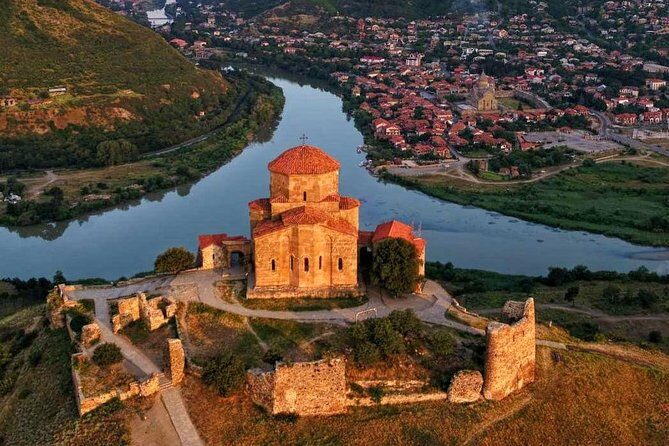
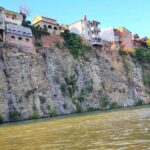
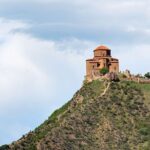
Jvari Monastery is a 6th-century Georgian Orthodox site, and it’s also recognized as a UNESCO World Heritage property. You reach it at the top of a rocky spot where the Mtkvari and Aragvi rivers come together, and that alone makes it worth the climb.
Here’s what I’d focus on when you’re there. First, look at the river shapes and how the waterways funnel movement. You can feel why rulers and religious leaders cared about this location. Second, pay attention to the church setting—Jvari isn’t just a photo stop. It’s a working spiritual site in the Georgian Orthodox tradition, so the mood is different from what you might expect at a purely museum-style stop.
Timing tip: this is where having a guide matters. You’ll get more out of the view when you understand what you’re looking at and how the Christian story connects to the broader Georgian past.
One more practical note: the tour marks the Jvari admission as free, so you’re not juggling ticket costs there. Still, bring good walking shoes. The ground can be uneven around rocky viewpoints, and you’ll want sure footing for the best angles.
Stalin Museum in Gori: optional, but payoff depends on your mood
Gori sits in the middle of the day, and this stop is optional—you choose whether it fits your interests. The museum is dedicated to Joseph Stalin, who was born in Gori. It also includes items that people often remember from the propaganda-era fascination, like Stalin’s garden/home and mentions of his bulletproof train.
Is it worth your time? If you like Soviet-era history, want context for how one man became a whole political system, or you simply find 20th-century history hard to ignore, you’ll probably enjoy it. If that topic isn’t your thing, skipping this part can make the rest of the day feel less rushed.
Cost-wise, the tour doesn’t include Stalin Museum entry. There’s a ticket fee of 15 Gel per person (about $6 USD). The tour also notes that for additional options you’ll need cash, so if you think you might do this stop, plan ahead and carry some Georgian lari.
Uplistsikhe cave town: walking through Late Bronze Age to medieval Georgia
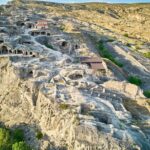
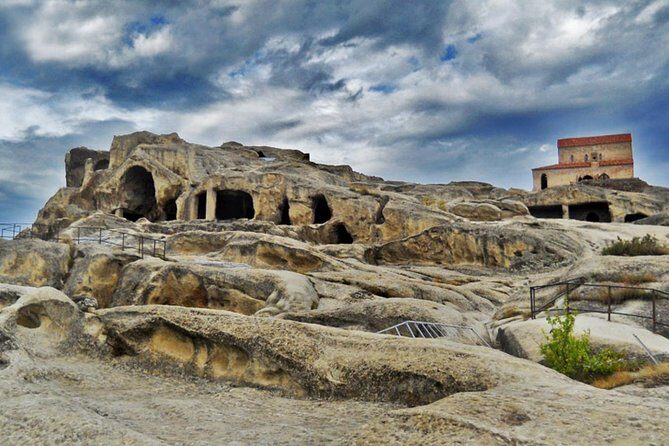
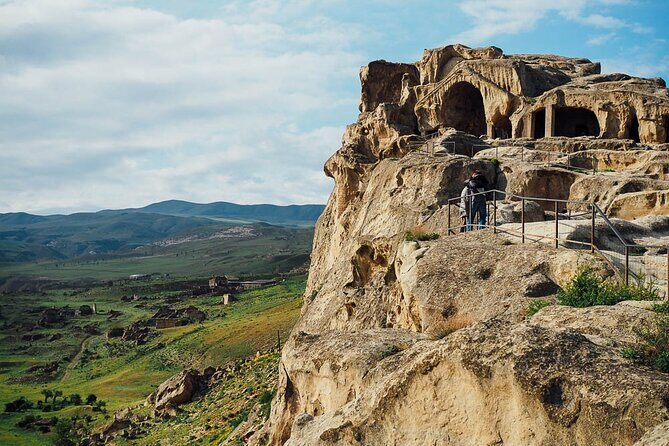
Uplistsikhe is one of those places that’s hard to describe until you see it: an abandoned rock-hewn town that stretches into the past. It’s literally founded around the Late Bronze Age, about 1000 BC, and it stayed inhabited until around the 13th century AD.
The feel here is different from typical “ruins.” You’re not only looking at stone walls; you’re moving through spaces that were carved out of rock for daily life. Even if you don’t remember every historical date, you can still sense the practical logic—shelter, fortification, and the ability to build within a rugged environment.
The tour gives you about two hours here, and tickets for the Uplistsikhe caves are included. That matters for value and stress. You don’t want your best part of the day to depend on ticket lines, language confusion, or last-minute money math.
What you should do at Uplistsikhe: take it slow for your first 20–30 minutes. That’s when the place starts to click. Then focus on viewpoints and doorways cut into rock. Those small architectural clues tell you how the city functioned—where people gathered, where movement mattered, and how the settlement used its natural terrain.
Mtskheta and the UNESCO core: Svetitskhoveli Cathedral’s powerful backstory
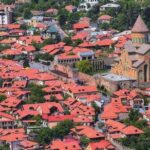
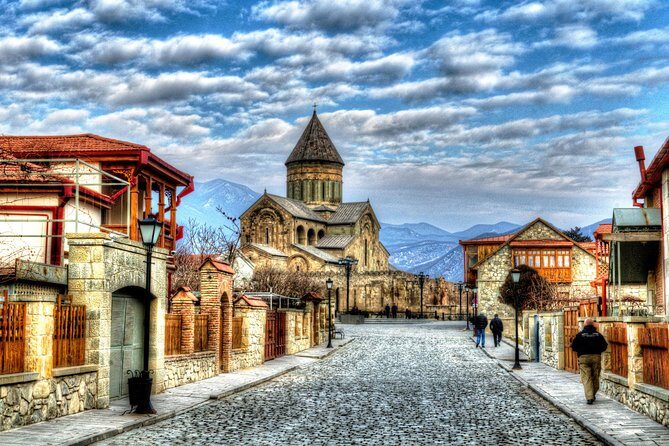
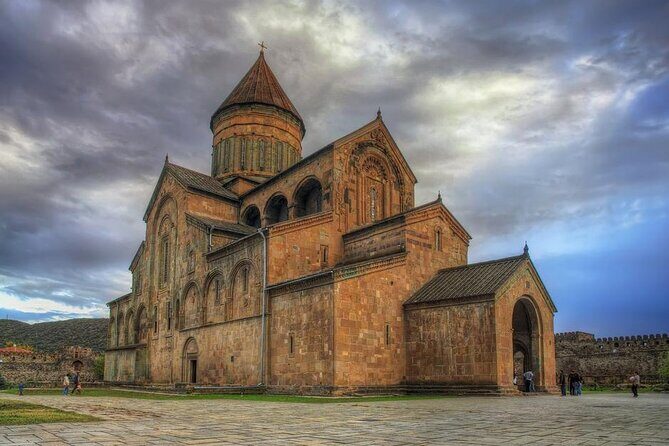
Mtskheta is called the old capital of Kartli and it anchored east Georgian power for centuries, from around the 3rd century BC to the 5th century AD. It’s also strongly tied to the early Christian story in Georgia: Christianity was proclaimed the official religion of Georgia in 337.
In the tour, you spend time in the Mtskheta-Mtianeti region with two big anchors: Svetitskhoveli Cathedral and the wider UNESCO-area setting.
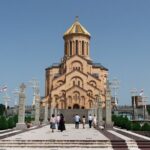
Svetitskhoveli is one of the main churches for Christians in Georgia, and an extraordinary detail is part of why people travel here: it’s described as containing the buried mantle of Jesus Christ. Whether you approach this as a believer or as a cultural historian, this kind of belief-and-art history connection is exactly the sort of detail that makes the building feel more than architectural wallpaper.
How to enjoy this stop: let the guide connect the cathedral to the meaning of Mtskheta itself. When you understand why this city mattered politically and spiritually, the cathedral stops being just impressive and becomes understandable.
Also, note how the tour returns you again to the classic Jvari viewpoint as part of the Mtskheta segment. You’ll get that river confluence context again, which is helpful. It reinforces the idea that you’re not seeing random sights—you’re seeing a region where geography and belief locked together.
You can also read our reviews of more historical tours in Tbilisi
Price and logistics: what $113 buys you in a day that actually runs
At $113 per person, this tour is priced like a serious time-saving package. You’re paying for private transport, professional guiding, and the ticket coverage that matters most on the day.
Here’s how the value breaks down:
- Transport and guiding included: hotel pickup and drop-off in Tbilisi, plus a private air-conditioned vehicle and petrol/car service costs. This is the difference between spending your day wrestling with routes and actually enjoying the stops.
- Uplistsikhe tickets included: that’s a meaningful part of what you’d otherwise have to organize.
- Fresh Georgian water included: small detail, but it helps on a full-day schedule.
- Main optional cost: Stalin Museum entry is not included. If you do it, budget 15 Gel per person for the museum ticket (and there may be train-related ticketing too, since the stop mentions Stalin’s bulletproof train).
Two small logistics notes that affect your day:
- The tour specifies clean, safe cars running on petrol (not natural gas). That’s mostly reassurance for comfort and safety expectations.
- For additional options, you’ll need cash. Even if you’re not sure you want Stalin, having some cash available avoids last-minute friction.
Also, lunch is not included. That’s typical on day tours, but you should plan for it. Treat the day like a sightseeing marathon with snacks, not like a meal-and-museum combo.
Comfort details that matter more than you think
This is a private tour, so the main comfort advantage is control. You’re not sharing space with strangers, and you can move at the pace your guide sets for your group.
Based on the kind of feedback this tour gets, people really appreciate punctuality and vehicle comfort. One recurring theme is that Levan (driver/guide) shows up promptly, stays friendly, and the minivan is clean, comfortable, and spacious—a big deal when you’re spending hours in transit and you have kids or just want extra legroom.
If you’re a family, this style of private day works well because you’re not trying to herd everyone through multiple lines and meeting points. You can ask the guide for timing adjustments, and you’re not stuck waiting for other groups to finish photo stops.
Who should book this tour, and who should skip it
Book it if you want:
- a single day that covers UNESCO Mtskheta, Jvari, and the rock-city of Uplistsikhe without fuss
- private comfort starting with hotel pickup in Tbilisi
- a guide who helps you connect the dots between Christianity, regional power, and everyday life in carved stone
Consider skipping or modifying if:
- you only want one or two stops and you hate full-day schedules
- you’re not interested in Stalin history and you’d rather spend that time somewhere else (in that case, use your optional choice to protect your energy for Uplistsikhe and the cathedral)
This tour fits especially well for people who like history but also want real scenery, not just indoor exhibits.
Should you book Four Historical Places: Mtskheta–Gori–Uplistsikhe–Jvari?
I’d book it if you want value through organization: private transport, guiding, a ticket-included highlight at Uplistsikhe, and the kind of geographical viewpoint at Jvari that makes the entire day feel meaningful.
Do it with eyes open: plan for no lunch, bring cash if you might add the Stalin stop, and expect a 7 to 8 hour sightseeing day. If that sounds like your kind of pace, this tour is a strong way to cover Georgia’s past in one smooth loop around Mtskheta and Gori.
FAQ
What is the duration of the tour?
The tour runs about 7 to 8 hours.
Is hotel pickup and drop-off included?
Yes. Pickup and drop-off in Tbilisi are included.
Which tickets are included, and what costs extra?
Tickets for Uplistsikhe caves are included. Stalin Museum entry is optional and not included, with a 15 Gel per person ticket fee mentioned for the museum and train-related tickets. Jvari admission is listed as free.
Is the Stalin Museum stop required?
No. The Stalin Museum stop in Gori is optional and depends on your interests.
Do I need cash during the day?
Yes. The tour notes that additional options require cash.
Is lunch included, and is there a vegetarian option?
Lunch is not included. A vegetarian option is available if you request it at booking.
If you want, tell me your travel dates and whether you’re interested in the Stalin Museum, and I’ll help you decide how to pace the day so you don’t feel rushed.