REVIEW · TBILISI
Half-Day Famous Georgian Supra Feast
Book on Viator →Operated by Georgian Promenade · Bookable on Viator
Dinner comes with a history lesson. This half-day Tbilisi experience mixes an old-city walk with a real Georgian supra atmosphere, then puts you at the table for a hands-on khinkali and khachapuri master class before the meal turns into singing, toasts, and dancing. I especially like how the evening treats food like culture, not just dinner, and how the host guides the group into the rhythm of Georgian feasting from the start.
One thing to consider: English support can depend on the mix of guests. If the group leans heavily Russian, you may get less English translation than you expect, even though the tour is offered in English.
In This Review
- Key highlights
- Starting at 5:30 PM: Why This Half-Day Format Works
- Old Tbilisi Walk: Meidan Bazaar to the Holy Trinity Cathedral
- The Hereditary Winemaker House: Where the Photos and Atmosphere Happen
- Master Class Time: Making Khinkali and Khachapuri Like You Mean It
- The Supra Feast: Snacks, Wine, Chacha, Toast Rules, and the Horn
- Songs, Dances, and UNESCO Polyphony: Participation, Not a Spectator Show
- Price and Value: Is $150 Worth It in Tbilisi?
- Who This Works Best For (And Who Should Think Twice)
- Should You Book It?
- FAQ
- What time does the tour start?
- Where does the tour meet?
- What are the main stops during the old Tbilisi portion?
- What food and drinks are included?
- Is there a cooking lesson?
- Is the tour offered in English?
- How many people are in the group?
- Is there free cancellation?
Key highlights
- Old Tbilisi sights with context before you eat, so the evening feels meaningful, not random
- Hands-on khinkali and khachapuri lesson tied to what you’ll actually eat later
- Hereditary winemaker household vibes, with time to look around and grab photos
- A taught supra format: toast order and even how to drink from a horn
- Music and movement with professional dancers and UNESCO-listed Georgian polyphony
- Small group size (max 8) makes it easier to connect and follow along
Starting at 5:30 PM: Why This Half-Day Format Works
A 5:30 pm start is a smart choice for Tbilisi. You get enough afternoon daylight for the key viewpoints, but you still roll into dinner while the city is in that pre-evening mood. The whole program runs about 4 hours, and it finishes back at the same meeting spot, so you’re not scrambling for your next plan.
The schedule also matches the vibe of a Georgian evening feast. You begin with a walking tour, then you move into the family setting where cooking and food preparation happens. By the time the supra officially starts, you’re already warmed up with stories, traditions, and a basic sense of how the evening flows.
One more practical win: this is designed as a small-group experience. With a maximum of 8 travelers, you’re more likely to actually participate in the master class, follow toast instructions, and get attention when questions come up. It also helps with group energy—less “tour bus herd,” more shared evening.
A few more Tbilisi tours and experiences worth a look
Old Tbilisi Walk: Meidan Bazaar to the Holy Trinity Cathedral

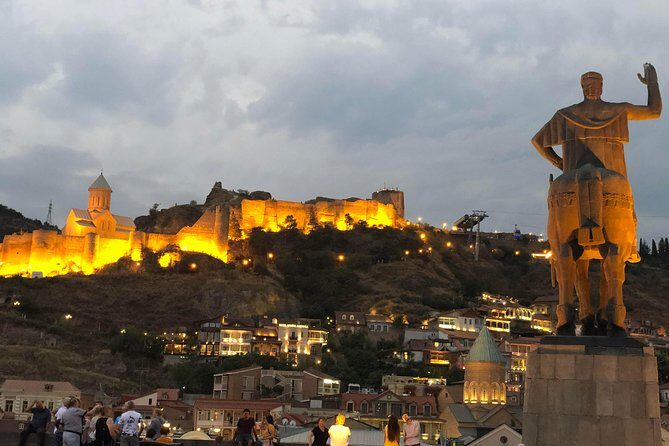
Before you touch the food, you get a guided feel for the city. The walk focuses on classic landmarks and the stories behind them, which is exactly what you want before a culture-and-food evening. It turns the meal into something you understand, instead of just something you eat.
You’ll start at Meidan Bazaar, a historic market area where Tbilisi’s trading life is part of the scenery. This is a good place to get your bearings fast, because bazaars show you how the city once worked: the paths, the social pace, and why these neighborhoods matter.
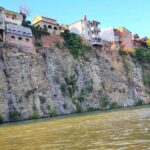
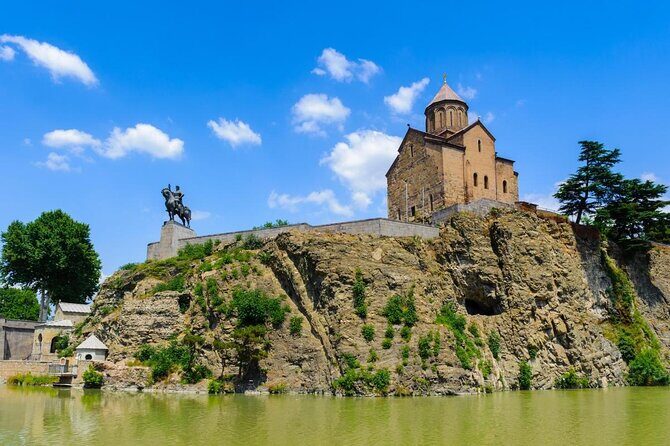
Next comes Metekhi Cathedral, which anchors one of the city’s most recognizable spiritual and legendary viewpoints. Expect the guide to connect the place to Georgian traditions and local lore—useful, because later in the evening you’ll hear about customs that aren’t just food-related.
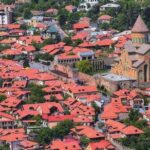
Then you head to Rike Park, a scenic stop that’s handy for photos and for seeing how old Tbilisi sits alongside newer areas. Rike helps you understand the city’s layout at a glance, especially the way the river and bridges shape movement.
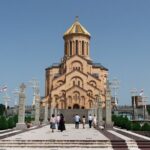
Finally, you visit Tbilisi Holy Trinity Cathedral. It’s a big sight with a powerful presence, and the timing often makes it more photogenic as the light shifts toward evening. Just keep in mind that cathedral viewing can involve some stairs and walking, so wear comfortable shoes.
The Hereditary Winemaker House: Where the Photos and Atmosphere Happen
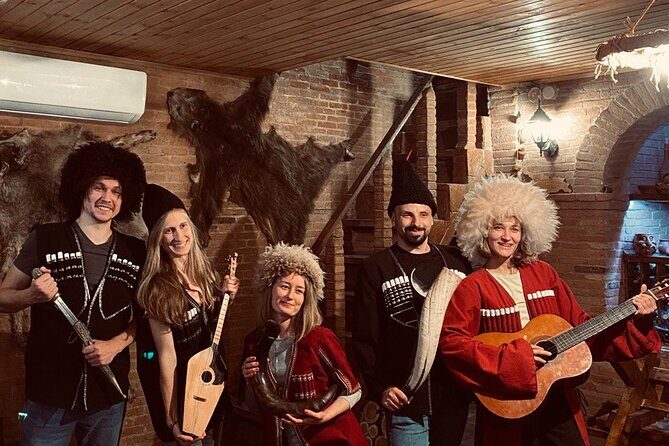
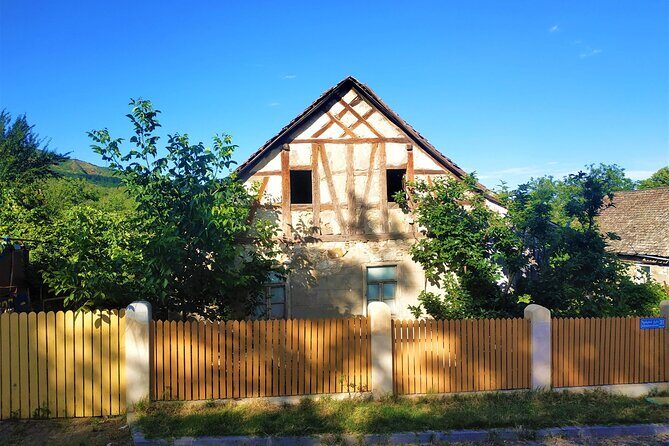
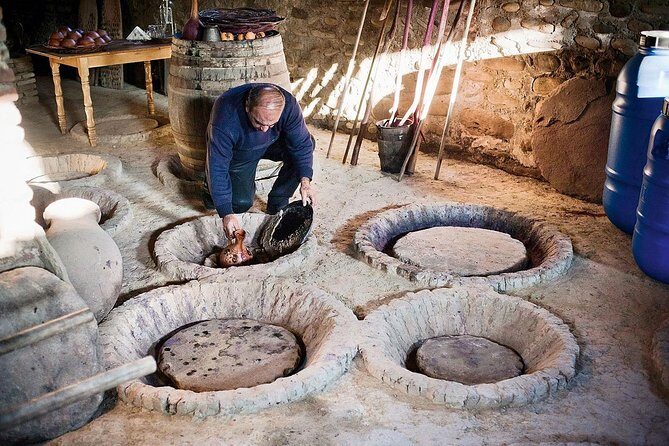
The evening turns from sightseeing to home life when you arrive at a Georgian family’s place of hereditary winemaking and cooking expertise. This is the part that makes the night feel personal: you’re not just watching a performance, you’re walking into a household where guests are genuinely expected.
There’s time for you to inspect the territory of the house and take pictures, because the views from this spot can be stunning. Don’t treat that as filler time. In my view, photo pauses are useful here because they give you time to settle in, breathe, and enjoy the setting before the cooking starts.
While hosts get ready for the master class, you’re essentially between worlds: you’ve just walked past major city landmarks, and now you’re stepping into a smaller, quieter space where the stories you heard start making sense through food and ritual.
That transition is also why the later supra feels smoother. Instead of meeting strangers and immediately being thrown into toasts, you’ve already built a little familiarity with the space, the hosts, and the way the night will be paced.
Master Class Time: Making Khinkali and Khachapuri Like You Mean It
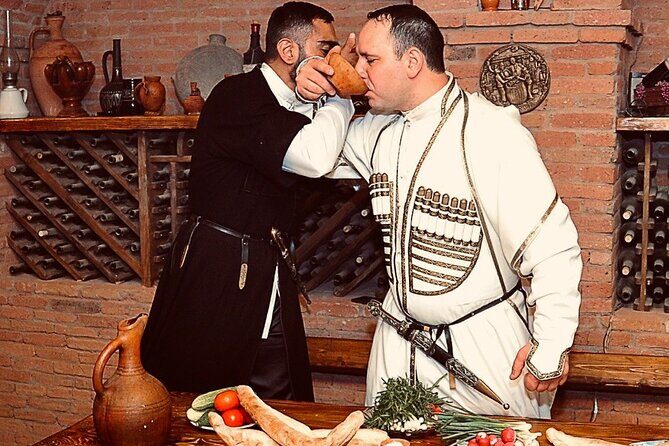
This is one of the best reasons to book. You’re not just eating Georgian classics—you’re learning them in a guided, practical way that carries directly into the meal.
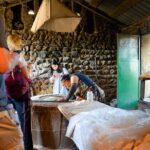
The master class covers khinkali and khachapuri. Khinkali is the famous Georgian dumpling, while khachapuri is the cheese bread often topped with an egg and served hot. The pacing matters: cooking happens before the main feast, so you can recognize flavors and techniques when the dishes land on the table.
Depending on what’s being prepared, khinkali may come with meat, mushrooms, or cheese. For khachapuri, expect a classic Adjarian-style form made from dough, cheese, and eggs.
Even if you’re not a cook at home, you’ll likely enjoy this because the goal is participation, not perfection. The master class format also means you’re learning Georgian food from the inside out: technique, ingredient logic, and why each dish shows up at a feast.
I also like that the night doesn’t skip the in-between moments. Time to ask questions, look around, and then watch things come together makes the cooking feel like part of the evening rather than a separate activity you rush through.
The Supra Feast: Snacks, Wine, Chacha, Toast Rules, and the Horn

After cooking, you get the full Georgian supra—a generous spread of snacks and hot dishes, along with homemade wine and chacha. Coffee and/or tea are included too, so you’re not stuck in all-day alcohol mode if you want a break.
The meal menu gives you a real variety. Starters can include a Georgian salad (cucumber, tomato, herbs) and a selection of pickles such as pickled cucumbers, pickled tomatoes, sauerkraut, and Colchis klekachka. Main courses include khinkali, aubergine, Adjarian khachapuri, and Georgian shashlik (mtsvadi) cooked on skewers over coals.
Dessert is classic comfort: Georgian Imeretian cheese, plus churchkhela, which is grape juice and walnuts. It’s the kind of finish that feels distinctly Georgian and not like a generic sweet course.
Here’s the most memorable part beyond the food: you’ll be taught the rules of the Georgian feast at an easy pace. You learn the basic sequence of toasts, and you get instruction on how to drink from a horn. That may sound like ceremonial trivia, but it changes how you experience the meal—suddenly you understand what’s happening when people raise glasses and start chanting the vibe forward.
And yes, there’s lots of drink during the feast. One highlight people talk about is wine that feels unlimited during the meal, which is exactly what you want if your goal is to relax and focus on the food and conversation.



Songs, Dances, and UNESCO Polyphony: Participation, Not a Spectator Show

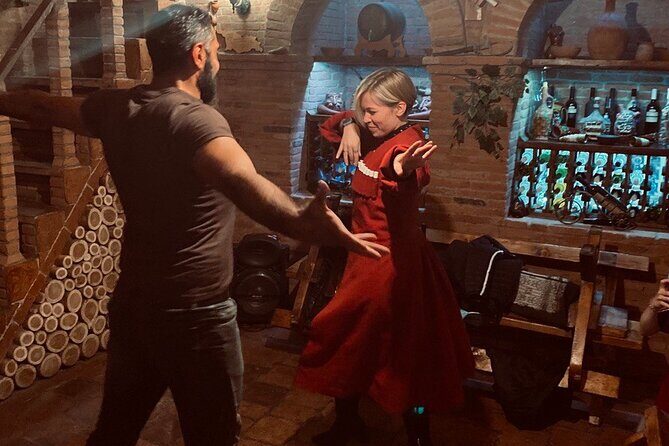
Once the feast is underway, the program shifts into performance and participation. There are dances and songs, and you’ll learn basic movement with help from professional dancers and folk music.
This isn’t staged in a way that makes you feel like an outsider. The structure is built for guests to join. You get a chance to try, not just watch, which is what turns this from dinner into a shared evening.
You’ll also experience Georgian polyphony, which is recognized as part of UNESCO cultural heritage. Polyphony matters because it’s more than background music. It’s a Georgian sound with rules and harmonies, and hearing it as part of a live program makes the tradition feel real.
If you’re the kind of person who likes culture that shows up through action—clapping, singing, moving—this is a major payoff.
If you’re not into singing or dancing, you can still enjoy the evening, but it will likely feel more fun when you lean in. I’d treat it as an energetic night out rather than a quiet museum experience.
Price and Value: Is $150 Worth It in Tbilisi?

At $150 per person, you’re paying for a lot of bundled value. This is not just a walking tour. You get:
- guided old-city time across major sights
- private transportation
- a dinner that includes multiple courses
- alcoholic beverages (homemade wine and chacha)
- coffee and/or tea
- a cooking master class
- music, dance instruction, and live cultural elements
When you price those separately in a city, the total usually climbs fast. Here, you’re also buying something harder to measure: the way the hosts teach the supra etiquette and make the group feel included at the table.
The small group size (up to 8) also supports value. Bigger groups often mean less attention and less time to participate. This format keeps the evening more personal, and that’s where the experience earns its price tag.
That said, it’s worth going in with clear expectations. This is a structured evening program with participation, food, and drink. If you want a quiet, alcohol-free meal or a purely sightseeing trip, you might feel like you’re paying for more energy than you need.
Who This Works Best For (And Who Should Think Twice)
This tour fits best if you want three things in one night: history in context, a hands-on food experience, and a cultural celebration you can participate in.
You’ll likely enjoy it if you:
- love Georgian food and want to learn dumplings and cheese bread basics
- want a table-centered cultural activity, not a lecture
- don’t mind drinks with dinner (wine and chacha are part of the setup)
- like folk music, dancing, and singing, even if you’re not a performer
Think twice if you:
- need strong English translation no matter what, because group language mix can affect how much is translated
- prefer quiet evenings or low-key sightseeing only
- avoid meat-based dishes, since the menu includes khinkali with meat options and mtsvadi shashlik (aubergine and cheese are included too, but the center of gravity is still a Georgian meat-inclusive feast)
Should You Book It?

If your ideal Tbilisi evening includes food, drink, and hands-on culture, I think this is an easy yes. The combination of old-city storytelling, a cook-along master class, and a properly guided supra format makes the night feel like a complete experience rather than a single activity.
Book it especially if you want to leave with more than photos—you’ll pick up how the toasts work, how to drink from the horn, and how Georgian polyphony and folk dance show up in real life.
If you’re cautious about language mixing or you’re not into participating, it’s still possible to have a good time, but I’d weigh your priorities carefully before committing.
FAQ
What time does the tour start?
It starts at 5:30 pm and runs about 4 hours.
Where does the tour meet?
Meet at the I Love Tbilisi sign (MRQ5+WG9), Tbilisi, Georgia.
What are the main stops during the old Tbilisi portion?
The walk includes Meidan Bazaar, Metekhi Cathedral, Rike Park, and Tbilisi Holy Trinity Cathedral.
What food and drinks are included?
Dinner is included, along with alcoholic beverages, coffee and/or tea. The meal includes dishes such as Georgian salad, pickles, khinkali, aubergine, Adjarian khachapuri, mtsvadi, Georgian cheese, and churchkhela.
Is there a cooking lesson?
Yes. You’ll take part in a master class focused on making khinkali and khachapuri.
Is the tour offered in English?
The experience is offered in English, and translation support may be arranged for English speakers.
How many people are in the group?
The maximum group size is 8 travelers.
Is there free cancellation?
Yes, you can cancel up to 24 hours in advance for a full refund.