REVIEW · TBILISI
Tsalka Canyon Tour from Tbilisi with Poka Nunnery, Gorelovka and Asureti
Book on Viator →Operated by SelectGeorgia-For Holiday · Bookable on Viator
Georgia rarely gives you this kind of mix in one outing—old churches, highland lakes, and then a canyon day built around real walking and real views. I like that you get Manglisi Sioni with its early Christian roots and then jump to modern daily life at Poka Nunnery of St. Nino, where you can see what the monastery actually produces.
One thing to consider: this is a long day with a bit of uphill effort, and Dashbashi Canyon has weather and height limits (including needing to clear 1.2 m to visit the canyon). Dress for churches too, especially if you stop inside.
In This Review
- What you really get (and what to watch for)
- How the day feels in real life
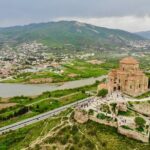
- Manglisi Sioni Cathedral: early roots in plain stone
- Paravani Lake at 2,073 m: the short stop that still matters
- Poka Nunnery of St. Nino: faith with a production line
- Gorelovka ethnographic stop: a museum stop with a living context
- Asureti: German settlers, sturdy houses, and Georgian wine links
- Dashbashi (Tsalka) Canyon: the reason many people book
- Price and logistics: is it worth $197.50?
- Dress code and respectful visiting (church rules you’ll actually need)
- The pace: moderate fitness, short stops, and one longer hike
- English guiding that pays off in small details
- Who this tour is best for (and who should skip it)
- Should you book the Tsalka Canyon Tour from Tbilisi?
- FAQ
- How long is the Tsalka Canyon Tour from Tbilisi?
- What time does the tour start?
- Is pickup offered?
- Is lunch included?
- Are entrance tickets included?
- Is there a dress code for church visits?
- What happens if the weather is bad for Dashbashi Canyon?
What you really get (and what to watch for)
- Air-conditioned van pickup with an all-day driver-guide, so you spend less time “figuring it out.”
- Manglisi Sioni: 6th–7th century church layers with earlier roots tied to early Christianity in Georgia.
- Paravani Lake at 2,073 m for crisp highland scenery and a quick seasonal look (ice in colder months).
- Poka Nunnery of St. Nino: a living monastery with handmade cheese, candles, cloisonné enamel, and sweets.
- Dashbashi Canyon: waterfalls plus a 240-meter glass bridge and a 1,800-meter walking segment.
- Gorelovka and Asureti: ethnographic museum + a village shaped by Russian Dukhobors and later German settlers.
How the day feels in real life
This 12-hour tour is the kind of day that starts calmly and then keeps stacking meaningful stops. You leave Tbilisi at 8:00 am, and the pace is “drive, see, walk a little, drive again.” That sounds exhausting, but it works because each stop gives you a different Georgia slice, instead of repeating the same kind of viewpoint.
The big value here is that transport, timing, and entry details are handled for you. You’re in an air-conditioned vehicle for the road time, and the guide keeps you moving so you don’t lose the day to logistics. In at least one instance, the guide (Giorgi) even helped when a piece of luggage was left behind—he returned it to the hotel the next day. That kind of attention makes the trip feel safer and smoother.
You can also read our reviews of more tours and experiences in Tbilisi.


Manglisi Sioni Cathedral: early roots in plain stone
The day opens with Manglisi Sioni, and it’s an excellent start point if you like churches that have layers. You’ll be at the site for about 30 minutes, which is enough time to take in the architecture without feeling rushed.
What makes Manglisi special is the story tied to early Christianity. Before the better-known hubs like Mtskheta took center stage, an earlier church tradition goes back to the 4th century, when Christianity became a state religion. Byzantine ties also show up in the narrative: Emperor Constantine is said to have sent treasures and parts of the Holy Cross, along with Bishop John (Ioanne), to help build churches in Georgia. Manglisi is presented as a stop where the temple-building effort began before reaching Mtskheta.
Practical note: this is the kind of stop where you’ll want to look closely at materials and proportions. The tour time is short, so don’t use the “scenic photo only” strategy. Walk slowly once. Then snap your pictures.
Paravani Lake at 2,073 m: the short stop that still matters
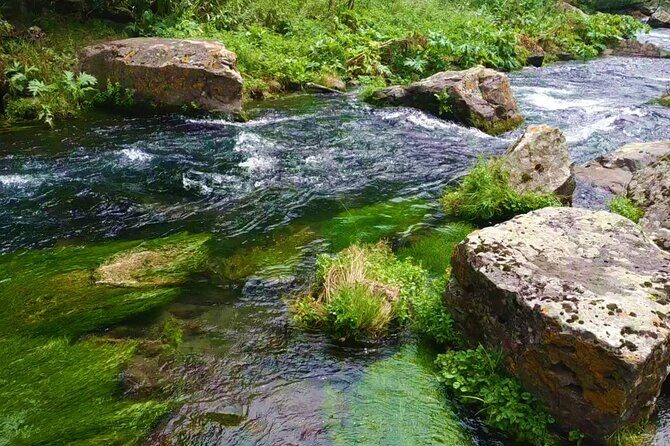
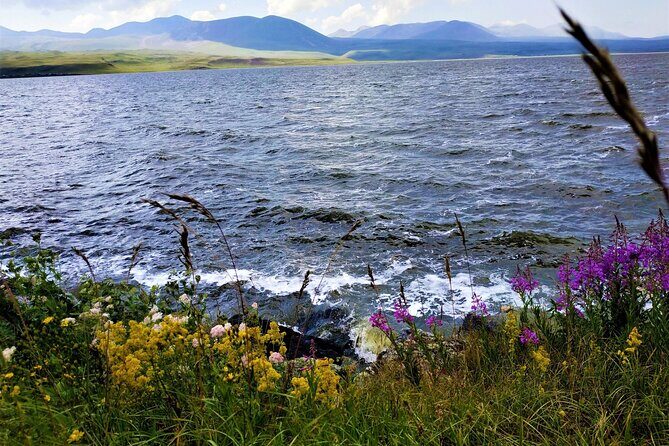
Next comes Paravani Lake, a quick 15-minute visit. It’s the largest lake in the area at about 38 sq. km, and it’s high—2,073 meters—so even a short stop can feel like a break from city air.
You get two things here: scale and seasonality. In mid-autumn through mid-spring, the lake is covered with ice. If you’re traveling in a colder stretch, the scenery can look totally different than in summer.
Because the stop is short, come ready to move. Use those 15 minutes for one real viewpoint and a steady walk near where the viewing is easiest. Don’t plan on a long stroll.
Poka Nunnery of St. Nino: faith with a production line
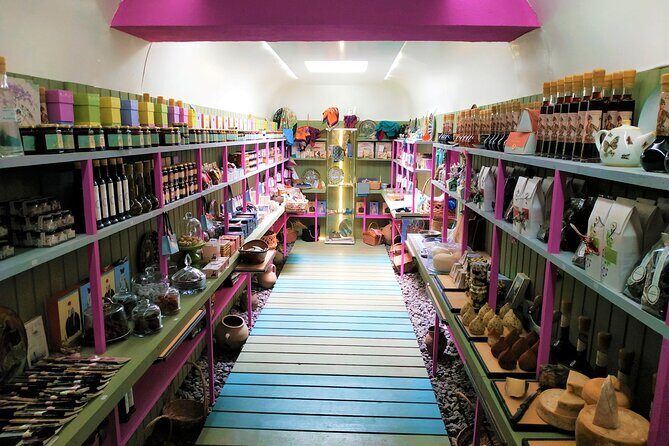
The Poka Nunnery of St. Nino visit lasts about 30 minutes, and it’s one of the stops that feels most “real” in the day. This isn’t just a photo stop. You learn about St. Nino’s journey into Georgia, including a period described as lasting two days after she crossed the mountains of Javakheti. From there, she is connected with following the Mtkvari River toward Mtskheta.
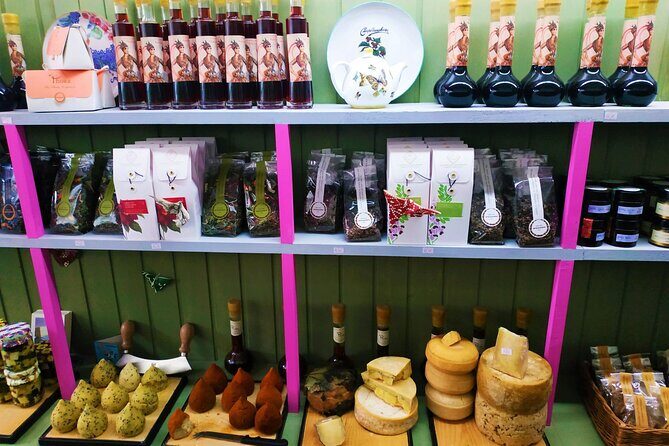
What I like is the emphasis on function. The monastery is described as having a missionary role for years, even positioned as an island-like environment where Georgian-speaking life continued. And beyond the story, you get the physical result: the nunnery produces cheese, candles, cloisonné enamel, and confectionery products.
If you’ve ever seen the monastery mentioned in major press and wondered whether it’s all hype, this visit gives you something more grounded: you see a working place that creates goods you can understand and taste. Plan to browse slowly. With only about half an hour, you’ll want to decide early whether you care most about visiting the site, buying products, or both.
Gorelovka ethnographic stop: a museum stop with a living context
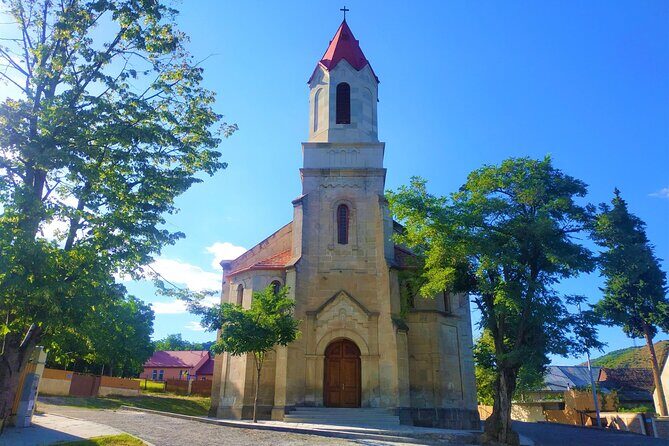
Gorelovka is about 30 minutes, and the highlight is an ethnographic museum tied to the village’s origins. This settlement is associated with the Dukhabors, a Russian spiritual Christian group. Their story here is detailed: they rejected the secular government, priesthood, the use of icons, and church rituals.
The tour also notes that their only customs were marriage, with strong emphasis on family equality—women were equal to men. Historically, they were relocated to Georgia during the reign of Emperor Nicholas I, with about 5,000 resettled between 1841 and 1845.
This stop is worth it if you like understanding how faith communities lived day-to-day, not just the headlines. Since it’s museum-based, don’t expect a scenic walk. Instead, bring curiosity: how did these beliefs shape daily life, housing, and community rules?

Asureti: German settlers, sturdy houses, and Georgian wine links
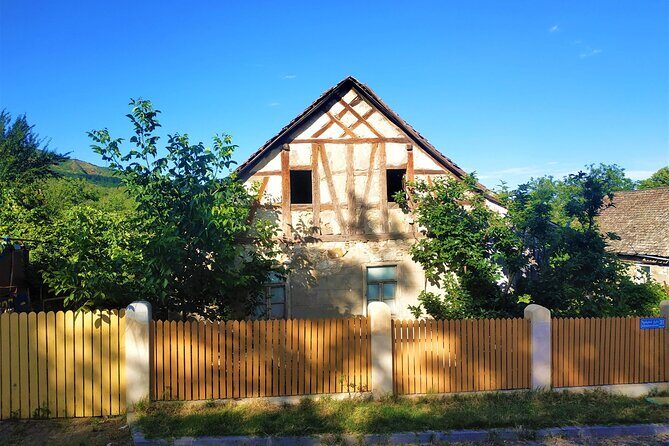
Asureti is another 30-minute stop, and it’s one of the most surprising chapters in the day. Around 7,000 German colonists are said to have settled there in 1817. After nearly 125 years, the account explains that in 1941 Stalin deported Germans from Georgia to Central Asia, with an exception for those married to Georgians.
What you can still feel here is material survival. The tour description points to houses built without cement and nails, with oak balconies. There are also references to a sulfur bath and wine cellars that remain points of interest.
One of the neatest details tied to the land itself is the Georgian vine variety “Shala,” described as being found in the forest by a German farmer named Shalma. That connection matters because it shows the village isn’t just a historical “chapter”—it’s tied to agriculture and local plants.
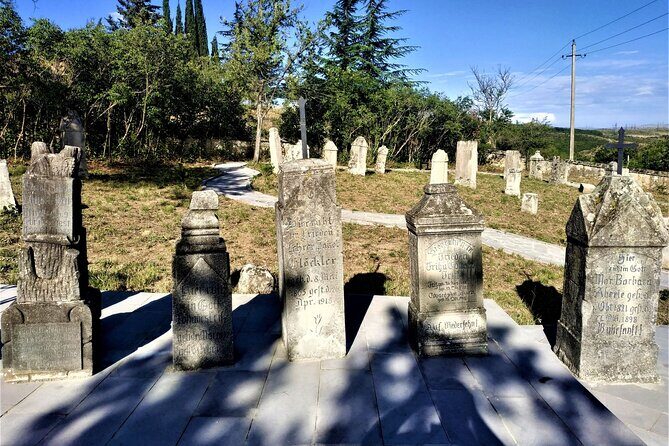
You’ll also see a Lutheran church built in 1871 and a cemetery. Plan your time accordingly. If churches are closed or quiet, you’ll still get meaning from reading the story and noticing how the buildings sit in the village.
Dashbashi (Tsalka) Canyon: the reason many people book
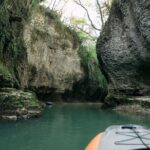
If you’re choosing this tour for one moment, it’s Dashbashi Canyon (also known as Tsalka Canyon). This stop lasts about 2 hours and is structured around waterfalls, walking, and a glass bridge.
Here’s what you can expect in plain terms:
- A canyon path described as 1,800 meters toward the canyon river with strong viewpoints.
- Waterfalls with an emerald tone, where the water forms many small cascades.
- A 240-meter-long glass bridge over the canyon, with a diamond-shaped café in the middle.
But the practical side matters as much as the views. The tour info is clear that to reach the canyon you hike around 30 minutes. You also need a moderate fitness level overall for the tour. And there are two safety limits you should take seriously: the canyon is closed during bad weather, and the height requirement for visitors in the canyon is over 1.2 meters.
So how do you plan smartly?
- Wear shoes you trust. No squeaky sandals. This is walking on a route where footing matters.
- Bring a layer. Canyon air can feel different from Tbilisi.
- If weather looks unstable, keep expectations flexible. The canyon closure rule is real.
When the waterfalls are flowing and the day is clear, this is the part that turns a list of stops into a memory.
Price and logistics: is it worth $197.50?
At $197.50 per person, you’re paying for a full-day vehicle, English guidance, and included admissions for most of the key stops. You also get pickup, and the transfers are described as comfortable and air-conditioned. For a day like this—when you’d otherwise need multiple rides and tickets—the “per-seat” value can be decent.
The tradeoff is that private, full-day touring typically costs more than a cheaper bus format. This is a private tour/activity, meaning it’s only your group. That can be great for comfort and for your guide’s attention, but it also means there’s less cost spreading.
Also note the lunch setup: the standard tour doesn’t include lunch as a pre-packaged meal, but you do stop at a restaurant for lunch. In at least one experience, the lunch stop was a family-run place serving organic and local products, which made that hour feel like part of the trip rather than a rushed interruption.
If you value time and guidance, the price starts to make sense. If you’re comfortable organizing transport yourself and don’t care about guided context, you might find cheaper DIY options—but you’ll lose the smooth “keep moving” structure that makes the day work.
Dress code and respectful visiting (church rules you’ll actually need)
This trip includes Georgian Orthodox church visits, and that means head scarves and dresses for ladies are required. Men also need to avoid short trousers. The good news: scarves and dresses are described as being available near church entrances, so you’re not stuck buying something expensive in a hurry.
I treat these rules as part of traveling well, not as a hassle. It’s one of those small moments that keeps your visit trouble-free and respectful.
The pace: moderate fitness, short stops, and one longer hike
The tour’s physical demands are mostly about Dashbashi. The overall note is moderate fitness, and the canyon access includes around a 30-minute hike to reach the guest area.
For the rest of the day, time is mostly spent standing, walking short distances, and touring. Manglisi Sioni is about 30 minutes. Paravani Lake is 15 minutes. Poka Nunnery is 30 minutes. Gorelovka and Asureti are each around 30 minutes. It’s not a marathon. It’s just a day where you move in different settings.
A helpful mindset: decide in advance which stop is your priority. For many people, it’s Dashbashi. Everything else becomes supporting cast.
English guiding that pays off in small details
One of the best things I can recommend here is to lean into the guide’s explanations. In guided experiences like this, the difference is rarely whether you see the waterfall. It’s whether you understand why it’s framed the way it is, how each place fits together, and what you should look for while you’re there.
Giorgi is an example of a guide who’s hands-on all day—driving between stops, pointing you to the best view and photo angles, and sharing information about local culture and history. In at least one instance, there was a focus on music as well, which adds another layer when you’re trying to understand Georgia beyond just monuments.
Who this tour is best for (and who should skip it)
You’ll likely love this tour if:
- You want a single day to cover early Christianity sites, monastery life, ethnographic context, and a canyon walk.
- You prefer guided stops with English commentary.
- You’d rather see fewer places with more context than chase ten selfies in a row.
You might want to think twice if:
- You’re not comfortable with walking and the canyon approach hike.
- You travel with kids or anyone sensitive to the height limit, since the canyon visit requires height above 1.2 meters.
- You’re traveling during a period where bad weather is likely; the canyon can close for weather.
Should you book the Tsalka Canyon Tour from Tbilisi?
Book it if you want one of the strongest day-trip “mixes” Georgia offers: churches with real early roots, highland nature at Paravani, a living monastery you can shop and taste from, and a Dashbashi Canyon segment that includes waterfalls and a glass bridge. The overall structure is designed to keep you moving without leaving you feeling like you missed everything.
Skip (or at least reconsider) if you only want easy, flat walking. The canyon segment is the big physical ask, and weather can shut it down. Also, if church dress code rules frustrate you, plan to use the scarves and appropriate clothing available at entrances.
If you’re flexible, in decent shape, and you want the day to feel guided rather than improvised, this tour makes a lot of sense.
FAQ
How long is the Tsalka Canyon Tour from Tbilisi?
The tour runs about 12 hours.
What time does the tour start?
The start time is 8:00 am.
Is pickup offered?
Yes, pickup is offered.
Is lunch included?
The standard tour does not include lunch, but you will stop at a restaurant for lunch.
Are entrance tickets included?
Admission tickets are included for Manglisi Sioni, Paravani Lake, Poka Nunnery of St. Nino, and Dashbashi Canyon. Gorelovka and Asureti are described as free.
Is there a dress code for church visits?
Yes. Ladies need head scarves and dresses for Georgian Orthodox churches, and men should not wear short trousers. Scarves and dresses can be found near church entrances.
What happens if the weather is bad for Dashbashi Canyon?
Tsalka Canyon is closed during bad weather. If the tour is canceled due to poor weather, you’ll be offered a different date or a full refund.