REVIEW · TBILISI
Mtskheta, Jvari, gori, uflistsikhe, history and panorama (group tours)
Book on Viator →Operated by ushba travel · Bookable on Viator
Church bells and canyon views.
This 9-hour group tour takes you outside Tbilisi to Mtskheta and Jvari, where Jvari Monastery sits high above the merging Aragva and Kura rivers. You also get a clear story arc that moves from Christianity to ancient pagan life, then ends with a very unusual stop in Gori.
I love how the day ties spirituality to real geography. At Svetitskhoveli Cathedral, you’ll learn why this is the patriarchal cathedral of the Georgian Orthodox Church and why it’s linked with major Christian shrines and relics.
One thing to consider: in a small group format, English explanations can vary from guide to guide. If you care a lot about depth of commentary, plan to communicate expectations when you meet your driver-guide.
In This Review
- Key Highlights Worth Your Time
- Price and What You’re Really Buying for $19
- From Tbilisi Morning Pickup to the Walk Named for Writers and Composers
- Jvari Monastery: The VI-Century Site Built for Big Eyes
- Svetitskhoveli Cathedral: Where Georgian Christianity Gets Its Power
- Uplistsikhe Cave City: Pagan Trade, Stone Labyrinths, and Kura Valley Views
- Lunch in the Middle of the Caves: Local Food, Local Tradeoffs
- Gori’s Stalin Museum: Optional, Ticketed, and Politically Heavy
- Comfort Tips That Actually Matter on This 9-Hour Route
- Choosing a Guide: How Much Detail You’ll Hear
- Should You Book This Mtskheta, Jvari, Uplistsikhe and Gori Tour?
Key Highlights Worth Your Time
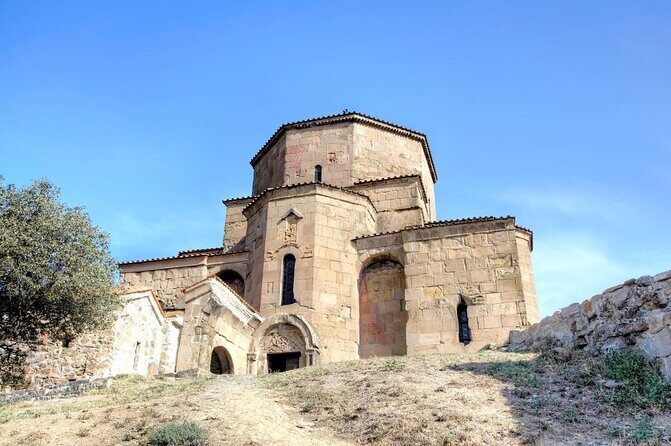
- Jvari Monastery views from a VI-century setting above Mtskheta and the river confluence
- Svetitskhoveli Cathedral and its links to major Christian relics, explained on-site
- Uplistsikhe cave city with stone “rooms” and a sense of how trade and pagan worship worked
- Kura Valley panoramas from among the cave-city viewpoints
- Optional Stalin Museum in Gori when the group wants it
- Small group size (max 15) with a driver-guide instead of a random ride and silent bus
Price and What You’re Really Buying for $19
At $19 per person, this feels like one of those rare deals where you’re not paying just for transportation. You’re paying for a guided, structured day that covers several major stops, plus admission tickets for Jvari Monastery and Svetitskhoveli Cathedral.
The trade-off is that the tour also expects you to handle a bit of optional spending. Uplistsikhe entry is an extra ticket, and the Stalin Museum in Gori also costs extra if your group chooses to go. You’ll also pay for your lunch at a local restaurant.
For most people, the value is strongest if you want a one-day sampler of Georgian culture without doing the logistics yourself. If you’d rather linger slowly at fewer places, you might find a group schedule a little tight.
You can also read our reviews of more historical tours in Tbilisi
From Tbilisi Morning Pickup to the Walk Named for Writers and Composers
The day starts at 9:00am, meeting at 3 Vakhtang Gorgasali St, Tbilisi 0105. You’ll be in a vehicle with a driver-guide approach, and the group is capped at 15, which helps you stay together and not feel like you’re herded like luggage.
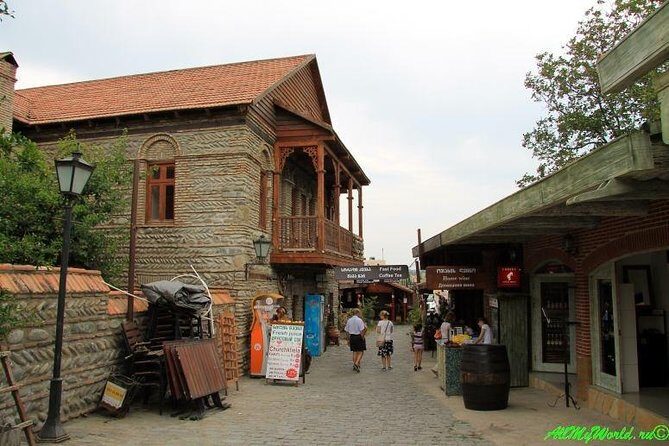
A detail I appreciated: the tour doesn’t just jump into sightseeing. On the way to Jvari, your walk begins around names you’ll recognize—A. Pushkin, M. Lermontov, P. Tchaikovsky, A. Dumas-father, and L. Tolstoy. That matters because it frames the area as more than scenery; it’s a place Georgia (and nearby culture) keeps talking about through literature.
You’ll also hear how this region connects to Lermontov’s famous poem Mtsyri. Even if you haven’t read it, the story link helps you notice how the landscape shapes the mood of the poetry.
Jvari Monastery: The VI-Century Site Built for Big Eyes
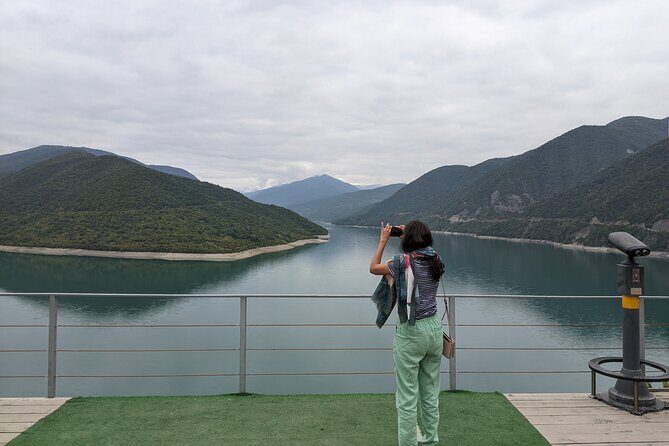
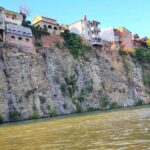
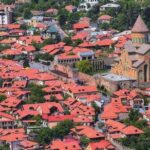
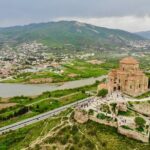
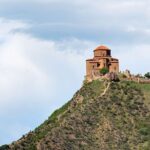
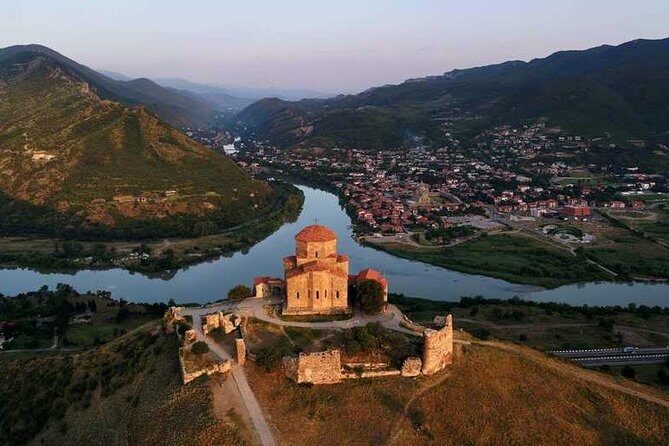
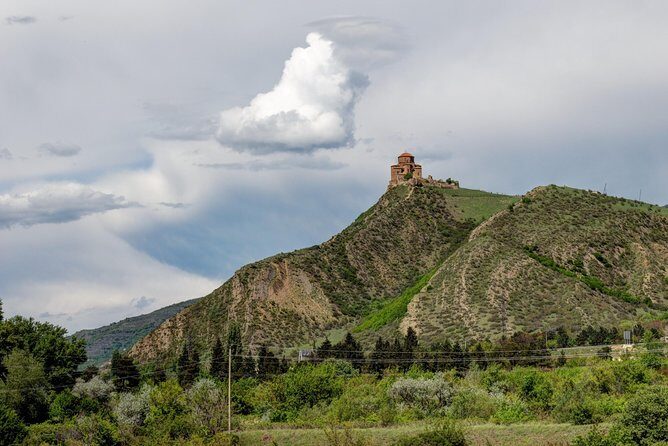
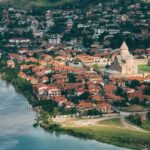
Jvari Monastery is the first major stop, and it’s a smart one to start with. The setting is a serious “pause and look” moment: you climb up to a VI-century temple, and the reward is an enchanting view over Mtskheta and the confluence of the rivers.
Expect the walk to be straightforward but uphill. Wear shoes you’d actually trust for stone paths and uneven ground. If rain is threatening, bring a backup mindset—some days this kind of viewpoint can become slippery or muddy, and you’ll want to stay steady.
What makes Jvari work in a guided group is the way it becomes a reference point for everything after. Once you see the river geography, it’s easier to understand why sacred sites were placed where they are—visible, reachable, and hard to forget.
Svetitskhoveli Cathedral: Where Georgian Christianity Gets Its Power
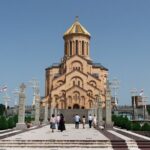
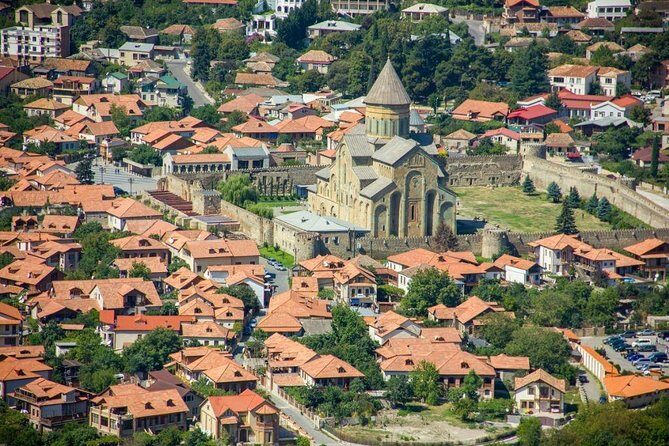
After the first viewpoint stop, you head to Svetitskhoveli Cathedral—often described as the Pillar of Life-Giving. This is the patriarchal cathedral of the Georgian Orthodox Church, and the tour gives you the kind of on-site explanation that turns a building into a story.
You’ll learn about significant events of the past tied to the cathedral, and you’ll hear why it’s associated with major Christian shrines. The site is linked with the tunic of Jesus Christ and the mantle of Elijah the Prophet, plus the relics of St. Andrew the First-Called.
Even if you’re not religious, you’ll probably feel the atmosphere here. The cathedral isn’t presented as a museum object; it’s treated as a living spiritual landmark. That’s the best way to understand Georgian Orthodox places: they’re not just old stones, they’re part of what people still do and believe.
Uplistsikhe Cave City: Pagan Trade, Stone Labyrinths, and Kura Valley Views
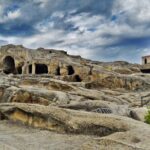
Uplistsikhe is where the day shifts gears. Instead of churches and Christian symbolism, you step into a cave city from the end of the II to the beginning of the first millennium BC. That’s a huge time jump, and it’s one of the reasons this tour feels more interesting than a simple church circuit.
You’ll explore the stone labyrinths—living and utility rooms cut into rock—so you can picture everyday life and cult practices in a pagan setting. The guidance you get here matters. The tour connects the site to regional history by explaining Uplistsikhe’s trade with ancient states of Urartu and Media, plus its rise and decline.
Then there are the views. From within and around Uplistsikhe, you’ll get panoramas over the Kura Valley—one reason this stop can feel like more than caves. It becomes a viewpoint + history combo.
A practical note: Uplistsikhe entry costs extra (the tour notes list it at 17 GEL, while another line item references 15 GEL). Either way, budget a little on top. Also, this is a walking-on-stone place, so keep your legs ready.



Lunch in the Middle of the Caves: Local Food, Local Tradeoffs
You’ll take a local restaurant break during the Uplistsikhe portion. The tour describes it as a place where you taste local products, but the restaurant cost isn’t included in the tour price.
One honest heads-up: the food can be heavier and oil-forward, and service quality can vary. If you’re sensitive to very oily meals or want lighter options, you’ll feel better if you treat lunch as “local experience” rather than a guaranteed perfect plate.
Bring water. Even if you’re not doing hardcore hiking, the combination of walking, sun exposure, and cave-city temperatures can add up fast.
Gori’s Stalin Museum: Optional, Ticketed, and Politically Heavy
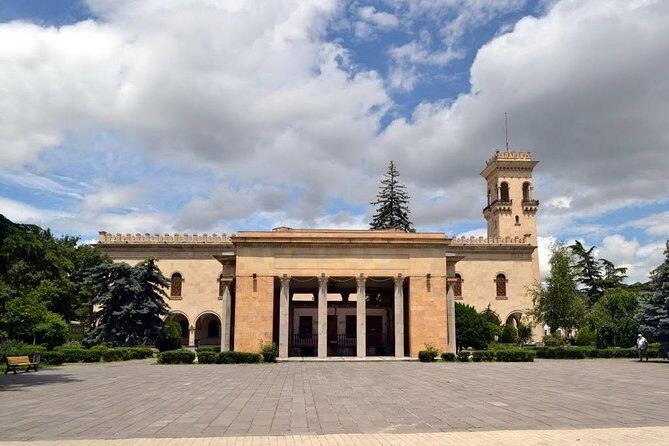
In the second part of the tour, there’s an option to visit the Stalin Museum in Gori. It’s described as something you can do at the group’s request, and it includes an excursion with a museum guide.
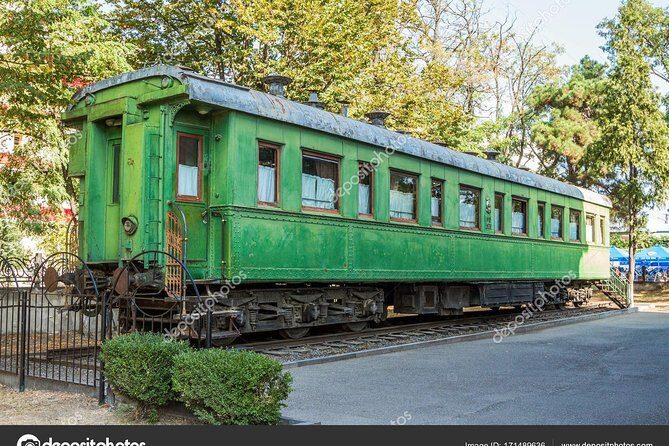
What you’ll see is very specific: preserved sculpture of Stalin, personal belongings, and furniture. That makes it feel more like a staged historical collection than a casual exhibit.
This is also the stop that can divide opinions because it forces you to confront a dictator’s legacy. Even if you focus on history over politics, the subject is intense. If your group is split, you may want to think ahead: do you want this “cautionary history” angle, or would you rather use that hour for more time at the cultural sites?
The museum ticket is extra (listed around 15–17 GEL, depending on the tour note you’re looking at), so plan accordingly.
Comfort Tips That Actually Matter on This 9-Hour Route
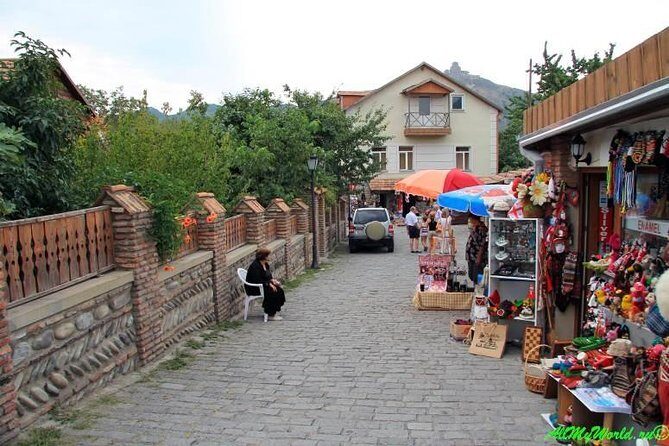
This is a full day outside the capital, so comfort matters more than fancy expectations.
- Shoes: You’ll do walking on stone and uneven paths at Jvari and Uplistsikhe. Comfortable, grippy footwear is worth it.
- Weather: The tour requires good weather. If rain shows up, viewpoints can get slippery and cave-city travel can feel damp.
- Pace: It’s a group tour with several stops, so you’ll get “see it and learn it” rather than a slow wander.
- Time-on-your-feet: You’ll spend meaningful time walking and standing at viewpoints and inside religious/cave spaces.
If you’re the kind of traveler who likes time for photos, try not to treat every stop like a quick snapshot. Some of the best moments happen when you slow down just a little—especially at Jvari.
Choosing a Guide: How Much Detail You’ll Hear
Because this is a group experience with a driver-guide, the quality of explanations can shape the whole day. Several guides connected with this tour have been praised for making the sites feel clear and story-driven. Names that came up in positive comments include Luca, Luka, Paata, Emilia, George, and Tornike.
That said, not every day matches your preferences. Some people reported that English explanations felt shorter than expected, or that another language was used more than they anticipated. If English depth matters to you, ask your provider (before you go) which guide you’ll have and what language mix is typical that day.
This is also why I recommend going into the tour ready to listen, not just “collect photos.” When a guide is strong, the sites stop being separate attractions and start feeling like one connected story.
Should You Book This Mtskheta, Jvari, Uplistsikhe and Gori Tour?
I think you should book this if you want a value-packed, structured day outside Tbilisi that covers two major themes—Georgian Orthodox Christianity and ancient pre-Christian life—plus a wildcard in Gori.
It’s especially good for:
- First-time visitors who want big names and major sites in one day
- Travelers who like clear storytelling from a driver-guide
- People who enjoy viewpoints and old places with strong atmosphere
Skip it (or choose a different format) if:
- You need long free time at each site rather than a timed group schedule
- You’re picky about English depth and want full, detailed commentary for every stop
- You don’t want any optional-ticket costs or the heavier topic of Stalin’s legacy
Bottom line: if you show up with comfortable shoes, a weather-aware attitude, and realistic expectations about a group pace, this tour can give you a memorable snapshot of Georgia in one long day.