REVIEW · TBILISI
Private Tour to Mtskheta Stalin Museum Uplistsikhe Caves
Book on Viator →Operated by Friendly.ge: Transfers & Tours in Georgia · Bookable on Viator
Church towers and Soviet relics, same day. This private tour strings together hilltop Mtskheta views, a legendary Svetitskhoveli cathedral, Gori’s Stalin-era museum, and the rocky cave streets of Uplistsikhe, with direct hotel pickup and drop-off.
What I really like is the pacing: the church stops are short but meaningful, and you get a full hour at each major site without feeling rushed across the region. I also appreciate that you travel as a private group with an English-speaking guide, plus bottled water in the car.
One thing to plan for: the itinerary includes religious sites with a strict dress code (no shorts, no sleeveless tops), and the cave town involves uneven ground where sturdy shoes matter.
In This Review
- Key things to know before you go
- A day that jumps eras: Mtskheta, Stalin, and Uplistsikhe
- Price and logistics: what $110 buys you
- What you get in the base price
- What you should expect to pay separately
- Getting there in comfort: direct pickup and private transfers
- Stop 1: Jvari Cross Monastery for the hilltop view
- The practical tip here
- Stop 2: Svetitskhoveli Cathedral and the legend of the robe
- What to watch for
- Stop 3: Stalin Museum in Gori for the Soviet reality check
- How to make this stop worth your time
- Stop 4: Uplistsikhe cave city for pagan worship-era rock rooms
- Uneven ground is real
- The payoff
- Wine tasting, lunch, and the breaks that keep the day enjoyable
- Dress code: the rule that can make or break entry
- My quick strategy
- Who this tour is best for (and who should skip it)
- Should you book this private tour?
- FAQ
- How long is the tour from pickup to drop-off?
- Is hotel pickup and drop-off included?
- What is included in the $110 per person price?
- Do I have to pay entrance fees at the Stalin Museum and Uplistsikhe?
- Is lunch included?
- Is wine tasting included?
- What dress code do I need for churches and museums?
- Is the cave town difficult to walk?
- Is this tour private or shared?
- Can I cancel for a full refund?
Key things to know before you go
- Private, English-speaking group: only your group rides together, with flexible guide attention.
- Iconic Mtskheta viewpoints, on purpose: Jvari sets the scene fast with a hilltop view.
- Gori’s Soviet contrast: a preserved-feeling Stalin Museum stop adds shock value and context.
- Uplistsikhe needs shoes: cave paths can be uneven, narrow, and echoing.
- Two paid sites: Stalin Museum and Uplistsikhe have entrance fees not included in the $110 price.
A day that jumps eras: Mtskheta, Stalin, and Uplistsikhe
This is the kind of itinerary that makes sense on a Georgia trip when you want more than one “side” of history. You start with the ancient spiritual capital feel of Mtskheta. Then you move into the Soviet universe in Gori. And finally you go underground (or at least into rock) with Uplistsikhe, a cave city used for worship long before modern religion and politics took their turn.
The route also has a practical rhythm. Each stop has a clear time window, and the private transfer means you are not dealing with transfers, schedules, or searching for a meeting point across town. If you dislike long transit days, this one is set up to keep your travel time efficient.
Another plus: guides matter here. I’ve seen two different named guides associated with this style of tour: Khatuna and Aleksi. Both are described as thoughtful and organized, which counts when you’re doing multiple sites in one stretch. Good guiding turns a checklist outing into a story you can follow.
You can also read our reviews of more private tours in Tbilisi



Price and logistics: what $110 buys you
At $110 per person, this is a mid-range private excursion. The value comes from what is included versus what you still pay.
What you get in the base price
- Hotel pickup and drop-off in Tbilisi
- Private tour (only your group)
- Bottled water
- Access to the two major Mtskheta religious sites listed as free: Jvari and Svetitskhoveli Cathedral
What you should expect to pay separately
You’ll likely budget for entrance fees at:
- Stalin Museum (Gori): about $6 per person
- Uplistsikhe cave town: about $6 per person
Lunch is not included, and wine tasting is optional (around $8). The day also comes with a note that the Stalin Museum may offer limited information about the life and crimes of one of the biggest mass murderers. That doesn’t make the stop worthless; it just means you should approach it with realistic expectations.
If you’re good at planning, this is easy to handle. If you want everything guaranteed and paid in advance, you’ll need to bring a little extra money for those entrances (card or cash are both mentioned).
Getting there in comfort: direct pickup and private transfers
You start the day with pickup from your hotel, and you return the same way. That’s not just convenience; it keeps the day from turning into a series of mini errands.
This tour is also described as near public transportation. That matters if you need a backup plan or if you’re the type who likes knowing alternatives exist. But the whole point here is that you don’t have to rely on them.
Expect the day to run roughly 8 to 12 hours. That range is normal for a private routing day because traffic, time spent inside each site, and how long you linger at viewpoints can shift the schedule.
You should also bring a little common sense about walking: the tour asks for a moderate physical fitness level, and the final site is a cave complex with uneven paths.
You can also read our reviews of more museum experiences in Tbilisi

Stop 1: Jvari Cross Monastery for the hilltop view
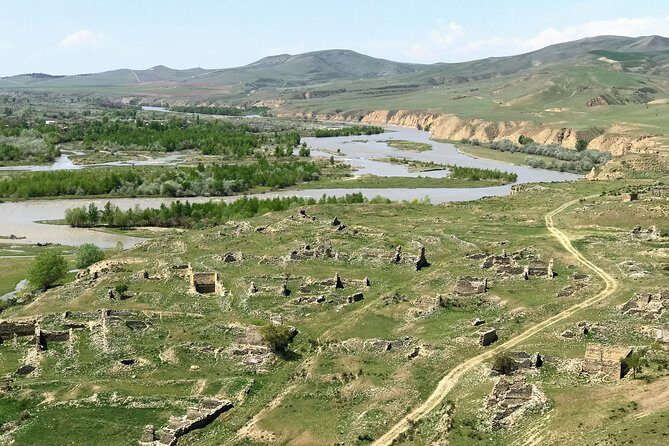
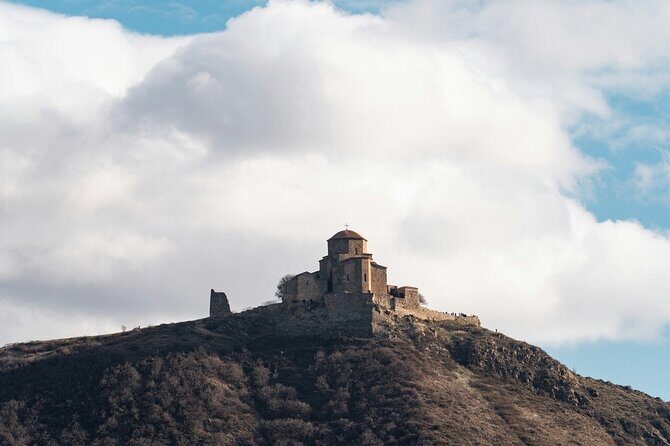
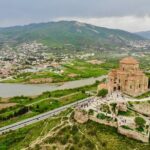
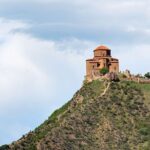
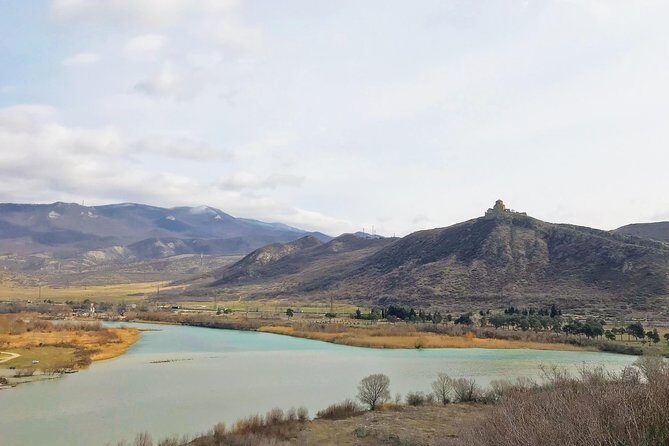
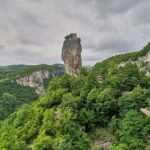
You begin at the Mtskheta Cross Monastery (Jvari). It’s on a hill near Mtskheta, so even if you only spend the full allotted time, you’ll get what makes the place famous: the big-picture view of the ancient city and the natural setting around it.
The timing is about 45 minutes, and that’s a sweet spot. You get enough time to:
- arrive, orient yourself, and take photos
- walk around without turning it into a long climb marathon
- get your bearings for the rest of the day
The practical tip here
Jvari is listed as admission ticket free. So it’s a low-cost way to get a strong visual start. If you’re the type who likes to begin with a viewpoint, this stop sets the emotional tone for everything that follows.
Stop 2: Svetitskhoveli Cathedral and the legend of the robe
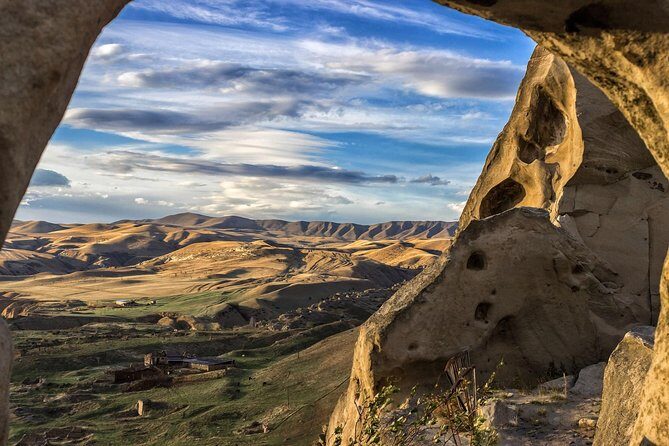
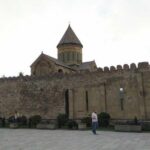
Next up is Svetitskhoveli Cathedral, an 11th-century site tied to a specific legend: the robe of Jesus is said to be buried where the cathedral was built. That legend is part of why this place is treated as one of Georgia’s holiest locations.
You’ll have about one hour here. In that time, you can do more than just snap a few photos. I recommend you slow down just enough to notice the building’s scale and age. Places like this often feel like they’re holding the story of centuries in the stonework and the way the space is arranged.
What to watch for
You’ll need to follow the dress code for worship places: knees and shoulders covered, with no shorts or sleeveless tops. If you show up wrong-dressed, you risk being refused entry.
This is the easiest place in the day for people to get caught by dress rules. Bring a light layer you can throw on quickly.
Stop 3: Stalin Museum in Gori for the Soviet reality check
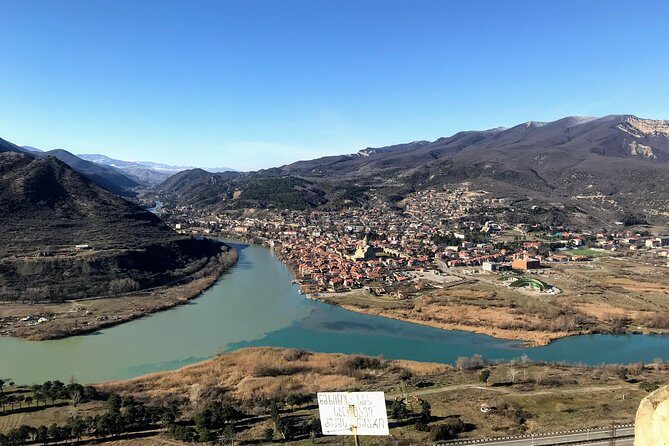
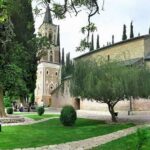
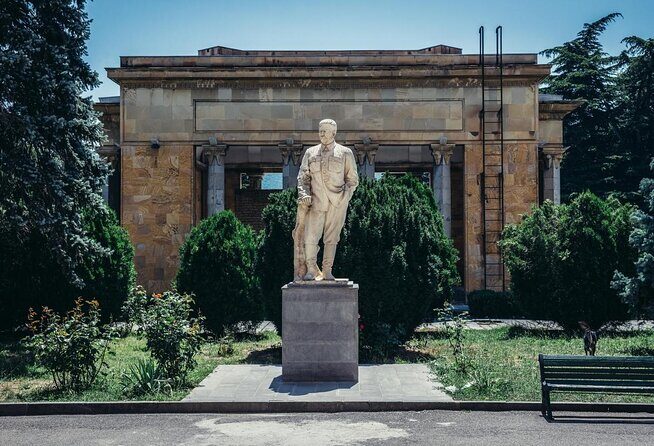
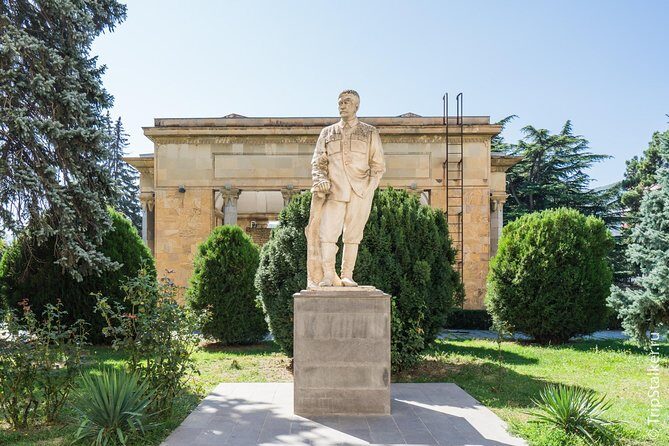
Then you head to Gori for the Joseph Stalin Museum, centered on Stalin’s life and tied to the fact that he was born in Gori. The museum is described as keeping Soviet-era characteristics, so it won’t feel like a modern, glossy “experience center.”
You have about one hour here, and entrance is not included (around $6 per person). There’s also an important note: the museum reflects limited information about the life and crimes of one of the biggest mass murderers. That’s not a minor detail. It affects how you should interpret what you see.
How to make this stop worth your time
If you want history without filters, you’ll probably want a guided explanation rather than just walking through on your own. A good guide can help you read between the lines: what’s emphasized, what’s left vague, and what the overall Soviet presentation style is trying to communicate.
A nice bonus from the tour experiences tied to this itinerary: guides have explained standout exhibits like Stalin’s personal train, which can be a memorable visual anchor in a museum that might otherwise blur together.
Also note the language angle. One account of this tour specifically said it can help if you know Russian. Even if you don’t, an English-speaking guide can still help you understand the big picture, but don’t expect every label to translate itself.
Stop 4: Uplistsikhe cave city for pagan worship-era rock rooms
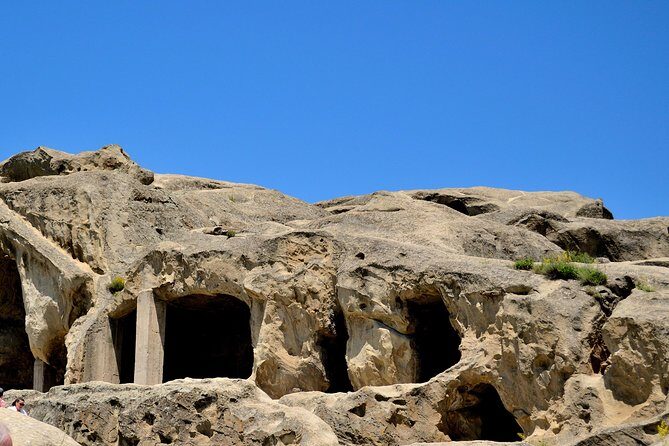
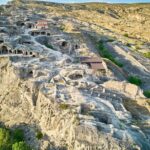
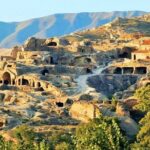
Finally, the day finishes in Uplistsikhe, a cave town about 7 km southeast of Gori on the left bank of the River Mtkvari. This is not a “touristy” cave with a single walkway. It’s a complex of rock-cut spaces that can feel surprisingly big once you’re inside.
You get about 1.5 hours here, plus the entrance fee (around $6 per person), not included. The site is known for:
- huge echoing halls
- long, meandering corridor-streets
- chambers connected to pagan worship
- the remains of what’s described as Georgia’s oldest theater
Uneven ground is real
This is a complex of caves, so you should expect uneven surfaces and rough footing. That’s why “moderate physical fitness” is mentioned. Wear closed-toe shoes with grip. If you’re carrying a bag, keep it light; you don’t want straps catching on rock edges while you’re trying to move carefully.
The payoff
Once you accept that this isn’t built for smooth, flat walking, the place gets even better. You start noticing how people used space differently in earlier eras—how rock becomes architecture, and how narrow corridors can guide you like a maze.
Wine tasting, lunch, and the breaks that keep the day enjoyable
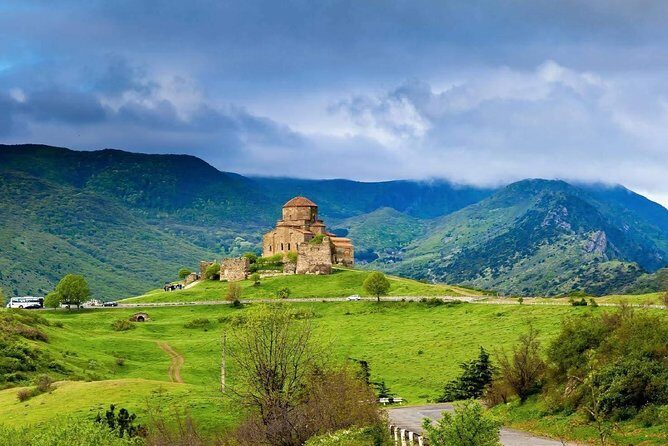
Lunch is not included. That can be a downside if you hate decision-making on travel days, but it’s also a chance to pick food that matches your pace and preferences.
Wine tasting is listed as optional (around $8). If you do it, keep it in the context of the whole day. You’ll still need to walk the cave town afterward, so you don’t want to accidentally turn the last stop into a sleepy slog.
This itinerary is flexible enough that you can choose how to spend downtime. Some tour experiences connected with this route have even included guide adjustments when a guest wanted less church time and more other sights, like the Ministry of Highways horizontal skyscrapers area. That kind of swap isn’t guaranteed in every case, but it’s a reminder: with a private tour, it’s worth asking your guide what alternatives exist if you want to trade one stop for another.
Dress code: the rule that can make or break entry
This tour includes a clear warning: a dress code is required for places of worship and selected museums. That means:
- no shorts
- no sleeveless tops
- knees and shoulders must be covered for men and women
And the practical kicker: you may risk refused entry if you don’t comply.
My quick strategy
I always pack one “problem solver” item when tours include churches: a light layer that covers your arms and a longer bottom option. Even in warm weather, it’s easier to adjust clothing than to argue with a closed door.
Who this tour is best for (and who should skip it)
This private excursion works especially well if you want:
- a one-day hit across multiple Georgian history eras
- the convenience of hotel pickup and a set itinerary
- enough structure to see the big sites without managing logistics yourself
It may be less satisfying if:
- you dislike churches and cathedrals. Two early stops are specifically religious sites.
- you want a museum experience that fully addresses Stalin’s crimes in depth. The museum is noted as having limited information.
- you struggle with uneven terrain. Uplistsikhe is a cave complex, not a smooth boardwalk.
If you enjoy contrasts—spiritual legends, Soviet museum presentation, and ancient rock architecture—this day is built for you.
Should you book this private tour?
If you’re trying to fit Mtskheta + Gori + Uplistsikhe into one day without driving yourself, I think booking makes sense. The private transfer, bottled water, and free church admissions for the first two stops reduce friction. And the final cave city stop gives you something you can’t easily replicate on your own without planning.
Book it if you:
- want an efficient, guided route
- can handle a dress code and modest walking
- are curious about how different eras in Georgia tell their stories
Pass or adjust expectations if you:
- refuse museums about heavy political history (even when guided)
- can’t follow the entry rules for worship places
- have mobility limits that make uneven cave steps difficult
FAQ
How long is the tour from pickup to drop-off?
The tour runs about 8 to 12 hours total, depending on timing and how long you spend at each stop.
Is hotel pickup and drop-off included?
Yes. The tour includes hotel pickup and drop-off in Tbilisi.
What is included in the $110 per person price?
Bottled water, hotel pickup and drop-off, and a private tour are included.
Do I have to pay entrance fees at the Stalin Museum and Uplistsikhe?
Yes. The Stalin Museum and Uplistsikhe cave town entrance fees are not included and are listed as about $6 per person each. Payment can be made by card or cash.
Is lunch included?
No. Lunch is not included in the tour price.
Is wine tasting included?
Wine tasting is optional (listed around $8) and not included automatically.
What dress code do I need for churches and museums?
You must cover your knees and shoulders. No shorts or sleeveless tops are allowed, and you could be refused entry if you don’t meet the dress code.
Is the cave town difficult to walk?
Uplistsikhe is a complex of caves with uneven surfaces. The tour asks for a moderate physical fitness level.
Is this tour private or shared?
It’s a private tour. Only your group participates.
Can I cancel for a full refund?
Yes. You can cancel up to 24 hours in advance of the experience start time for a full refund.