REVIEW · TBILISI
Day Tour to Mtskheta, Gori (Stalin museum) and Uplistsikhe
Book on Viator →Operated by Tripify · Bookable on Viator
One day can cover centuries. You’ll bounce from an ancient Georgian capital to a Soviet-era museum and then into a cave city carved into living rock.
I like the anywhere-in-Tbilisi pickup—including hotels and airports—because it turns this into a true door-to-door outing. I also like that the ride is private with air-conditioning, so you’re not wrestling for seats while your route is doing the heavy lifting. The main thing to consider: most site entry fees aren’t included, so your final spend depends on what you choose to pay for at each stop.
In This Review
- Key Highlights You’ll Feel Immediately
- A Day That Moves From Kingdom to Fortress to Cave Streets
- Pickup Anywhere in Tbilisi: How the 7–8 Hour Pace Works
- Mtskheta: UNESCO Capital Status and Free Entry Time
- Stalin Museum Complex in Gori: Artifacts, Timeline Halls, and the Birth-House Photo Stop
- Gori Fortress: Strategy on a Hill and the View Logic
- Uplistsikhe Cave Town: Streets, Gates, Sewer System, and a Secret Tunnel
- Price and Logistics: What $95 Gets You, and What You’ll Still Pay
- Who This Tour Fits Best (and Who Should Think Twice)
- Before You Go: Small Moves That Make the Day Easier
- Should You Book This Tour to Mtskheta, Gori, and Uplistsikhe?
- FAQ
- Where does pickup happen for this tour?
- How long is the tour?
- Is this a private tour?
- What’s included in the $95 price?
- Are admission tickets included?
- What language is the tour offered in?
- Do I get a mobile ticket?
- How far in advance is it usually booked?
- What’s the cancellation policy?
Key Highlights You’ll Feel Immediately
- Pickup at your exact Tbilisi address (and yes, it can include airports)
- Private transportation with an AC vehicle, ideal for a long day
- Mtskheta’s UNESCO setting paired with free entry there
- Gori’s Stalin complex in chronological halls, plus a chance to photograph the birth house area
- Uplistsikhe’s “infrastructure” for an ancient town: gates, streets, and even a sewer system
- Driver flexibility on the day, sometimes including an extra unplanned stop
A Day That Moves From Kingdom to Fortress to Cave Streets
This tour is built for people who like their history in scenes, not in slides. You’ll start with Georgia’s deep past in Mtskheta, then head to Gori for the Stalin story, and finish at Uplistsikhe, where you walk through a rock-hewn settlement that feels like it was carved for endurance.
The pacing is “steady,” not rushed. The itinerary is designed around roughly two hours per major stop, which is enough time to look closely, take photos, and still have time to regroup before the next drive.
And because it’s a private setup, you can usually shape the day around your comfort level—slower for photos, a bit quicker if you’ve got strong museum stamina.
You can also read our reviews of more museum experiences in Tbilisi

Pickup Anywhere in Tbilisi: How the 7–8 Hour Pace Works
You’re not forced into a meet-up point. Instead, you write where you are in Tbilisi and the driver picks you up at that location, including hotels and airports. That’s a big deal if you’re trying to keep your schedule clean between sightseeing, meals, and any late-arriving flights.
Expect the day to run about 7 to 8 hours total. The stops are spaced with driving time in between, and transit is part of the experience because this tour leans on your guide’s storytelling to connect the sites.
One practical tip: bring layers. Even with air-conditioning in the car, you’ll want something for cooler outdoor areas at viewpoints and cave zones.
Mtskheta: UNESCO Capital Status and Free Entry Time
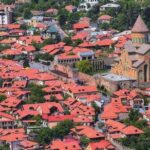
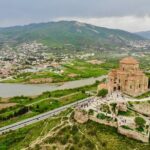
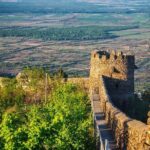
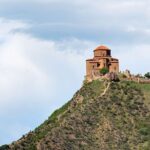
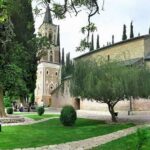
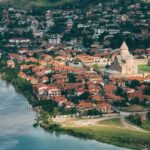
Mtskheta is one of Georgia’s oldest cities, with roots stretching back to ancient tribes and a long role in the kingdom of Iberia. It later became the place tied to major royal moments—used for coronations and burials for much of Georgian monarchy history.
What you’ll actually do with your time here is look at the UNESCO setting and soak up the meaning of the place. The big win is that the stop includes free admission. That makes Mtskheta a smart “value start,” because you get a meaningful cultural site without stacking an extra ticket cost right away.
What to watch for: Mtskheta is the kind of place where the details matter—churches, old streets, and the way the landscape frames the town. If you enjoy photographing architecture or you like to pause and read a few key signs slowly, you’ll make your two hours count.
A possible drawback: this part of the day can feel less “dramatic” than what comes next in Gori, so if you’re only chasing high-impact spectacle, you might want to arrive mentally ready to appreciate atmosphere and context.
Stalin Museum Complex in Gori: Artifacts, Timeline Halls, and the Birth-House Photo Stop
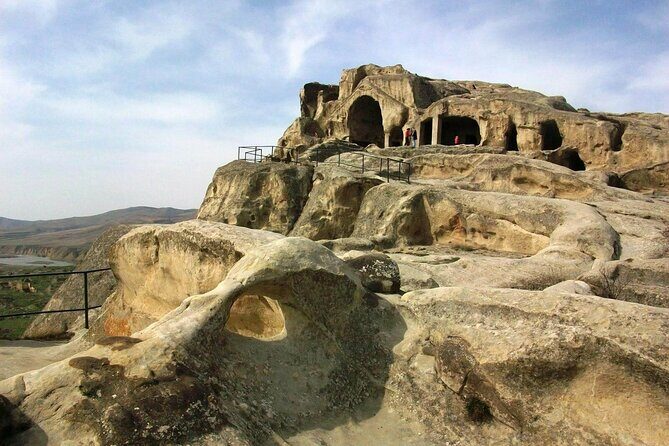
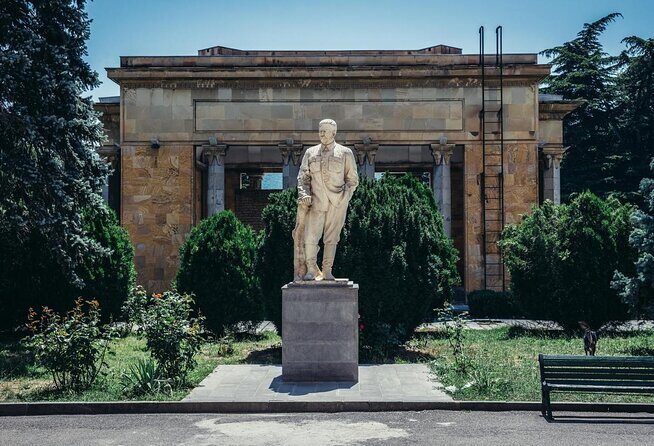
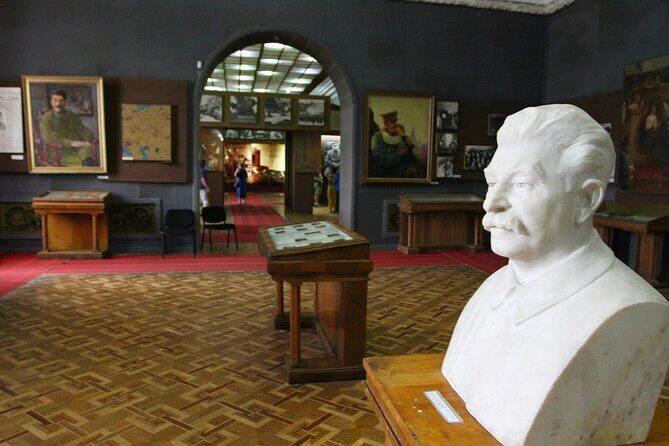
Gori is where the day turns darker and very political. You’ll visit the Stalin museum complex opened in 1957, located near the area associated with Stalin’s birth. The museum is set up like a guided timeline, with the exhibits arranged across six halls in roughly chronological order.
Inside, you’ll see objects that are presented as Stalin’s—everything from office furniture and personal effects to gifts made for him over the years. You’ll also find documents and visuals like photographs and newspaper articles, which helps if you prefer learning through the “evidence” angle rather than only political commentary.
A very specific end point is included: the display finishes with one of twelve copies of Stalin’s death mask, taken not long after his death. That detail is a useful marker of how the museum frames an entire life arc.
Before you get to the main complex, there’s also a chance to stop and take pictures related to the house where Joseph Stalin was born. Even if you don’t go inside that specific spot, the photo stop helps you connect the person to the geography.
Two practical notes for your experience here:
- Admission is not included, so plan for ticket costs at this stop.
- Some people find museums like this emotionally heavy. If you know you get uncomfortable with propaganda-style history, pace yourself and decide how long you want to spend in the exhibition halls.
Gori Fortress: Strategy on a Hill and the View Logic
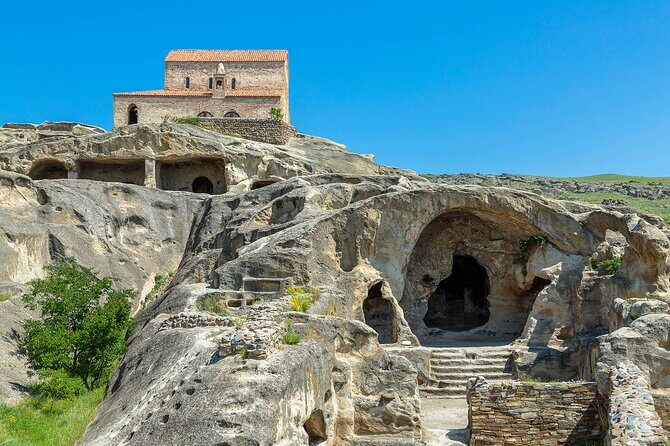
After the museum, the tour shifts from ideology to defense. Gori Fortress sits in the center of Gori on a rocky hill, and ruins on the slopes show that a fortress-like presence existed long before the medieval period.
The story you’ll hear here ties to strategy: the fortress mattered because controlling it meant controlling the surrounding region. The site is first mentioned in sources in the 13th century, and over time it was renovated and reshaped.
Your “time anchor” for what you see today is King Erekle II, who repaired it and gave it its current appearance in 1774. The fortress even served later roles after Russia became part of the region’s political structure, with a Russian grenadier battalion stationed there in the early period. After that, it lost its original strategic purpose.
Even if you don’t read every sign, you’ll likely understand the layout. A hilltop fort teaches you quickly: roads, sight lines, and the sense of watchfulness built into the terrain. Bring time for views—this is the kind of place where you can take a step back and understand why anyone would try to defend it.
Admission isn’t included for this stop either, so again, think “add-on costs” rather than bundled pricing.



Uplistsikhe Cave Town: Streets, Gates, Sewer System, and a Secret Tunnel
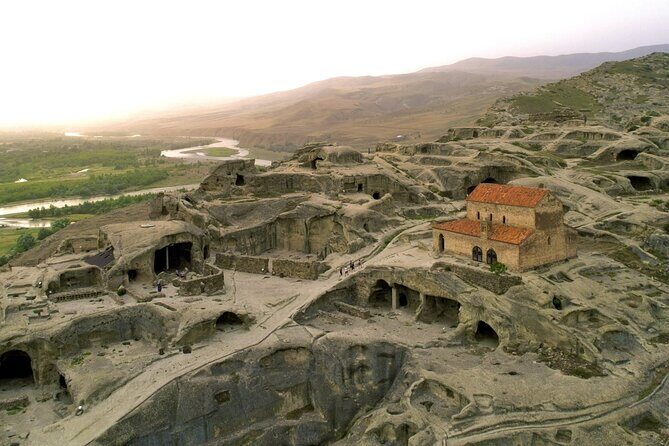
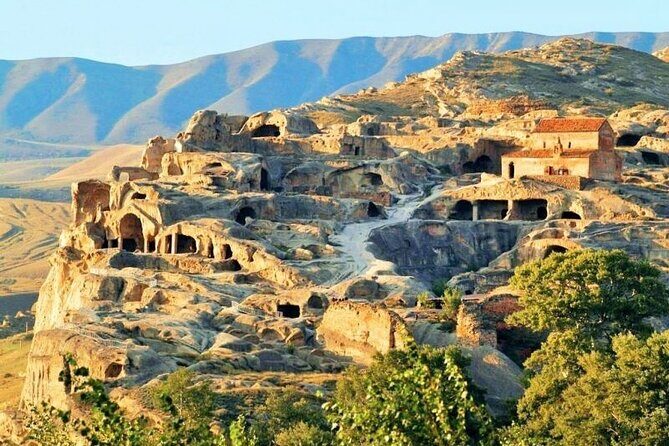
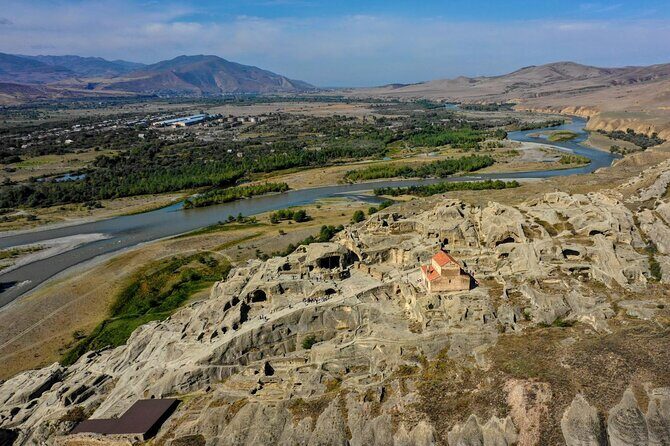
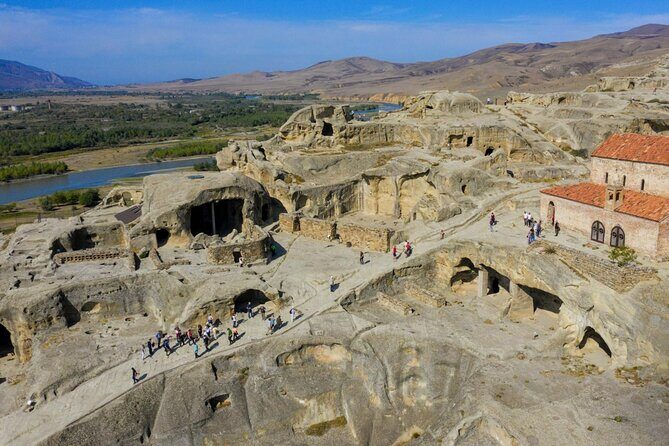
Uplistsikhe is the payoff for people who like walking through history. This is a rock-hewn town and one of the oldest settlements in the Caucasus. Today it’s run like an open-air museum-reserve, so you roam through the remains as if the town still has its streets.
What makes it memorable isn’t just the caves. The place has a real sense of urban planning: you’ll encounter streets, squares, a sewer system, four gates, and even a secret tunnel that’s said to lead toward the river Mtkvari.
There’s also a legend that adds color to the setting: the story says the town was carved by slaves using a pickaxe split between iron and gold. The tale frames it as hard labor with a twist of reward—gold or freedom after the work. Whether you treat the legend as literal or symbolic, it gives you a way to think about why cave cities were so valuable.
What to expect from the walking: you’ll be navigating outdoor ruins, rock-cut spaces, and uneven ground. Wear shoes that handle steps and scrapes, and take breaks if you start feeling cramped by the tighter cave areas.
As with Gori sites, admission isn’t included here. The ticket cost is part of what makes Uplistsikhe a “real outing,” not just a quick photo pull-over.
Price and Logistics: What $95 Gets You, and What You’ll Still Pay
At $95 per person, this tour is priced as a guided day in a private, air-conditioned vehicle with pickup flexibility. What’s included is private transportation and the AC vehicle itself.
What’s not included is where the budget can shift: all fees and taxes. In practice, that means you’ll likely add entry costs at at least the Gori museum, the Gori fortress, and Uplistsikhe. Mtskheta is listed as free entry, so you start your day with one “no-ticket” win.
Here’s how I think about the value:
- If you’re traveling with a group and want a driver who can line up the day and talk through the sites in English, the bundled transport is often the best part of the spend.
- If you’re the kind of traveler who plans your own route, buys tickets one by one, and doesn’t care about a guide connecting dots, you might find cheaper DIY options. But you’d be trading off convenience and the ability to move between distant places without hassle.
Also, you get a mobile ticket, which is helpful if you like quick check-ins and fewer papers.
Who This Tour Fits Best (and Who Should Think Twice)
This is a strong fit if you want:
- a one-day sweep through Mtskheta + Gori + Uplistsikhe
- a tour that stays practical with pickup from wherever you are
- historical context delivered during the ride, not only inside museums
It’s also a good choice for people who care about photos. In the best cases, the driver/guide focuses on viewpoints and angles worth stopping for, and the pace leaves breathing room for pictures.
The main “should think twice” situation: if you expect a full-on guide presence inside every ticketed site, manage your expectations. Some drivers may not be permitted to go into paid-entry areas with you, which can affect how “guided” the time feels once you’re at the door.
A second consideration is language comfort. English is offered, and many guides do this well, but your day will go smoother if you’re okay with occasional quiet stretches and you’re comfortable reading signage while you’re at sites.
Before You Go: Small Moves That Make the Day Easier
Here are the things that make the difference on a long history day:
- Bring water. The day can be stretched by entrances, walking, and time for photos.
- Plan for extra ticket spending. Mtskheta is free, but other stops list admission as not included.
- Wear sturdy shoes. Uplistsikhe in particular involves uneven outdoor paths.
- Have a flexible mindset. There can be adjustments on the day, and sometimes an extra stop shows up when timing works.
- Ask about what kind of guiding you’ll get at paid sites. If you want a guide inside exhibitions, clarify before you arrive.
Finally, since you finish back in Tbilisi, save energy for a good dinner afterward. The tour ends by recommending traditional Georgian food spots, which is perfect timing because your appetite will catch up fast after cave-city walking.
Should You Book This Tour to Mtskheta, Gori, and Uplistsikhe?
If your goal is a high-value day that mixes UNESCO heritage, Soviet-era history, and a rock-cut town you can physically walk through, this is an easy yes. The best reason to book is the practicality: private AC transport, pickup anywhere in Tbilisi, and enough time at each stop to actually look rather than sprint.
Book it if:
- you want a guided day without organizing multiple transfers
- you like history that changes tone from sacred to political to archaeological
- you’ll appreciate Mtskheta’s UNESCO context even if it’s quieter than the Gori museum
Skip it (or at least clarify first) if:
- you’re counting on the driver to accompany you inside every paid-entry location
- you hate ticket add-ons and want everything priced up front
- you need nonstop commentary in English every minute of the day
If you go in knowing it’s a transport-and-context day with site entry costs on top, you’ll likely leave with exactly what you want: three very different Georgian time periods, all in one outing.
FAQ
Where does pickup happen for this tour?
You can request pickup from any place in Tbilisi, including hotels and airports.
How long is the tour?
It runs about 7 to 8 hours.
Is this a private tour?
Yes. It’s private, and only your group participates.
What’s included in the $95 price?
Private transportation and an air-conditioned vehicle.
Are admission tickets included?
No. Admission is not included in general for the stops except Mtskheta, which is listed as free entry. All fees and taxes are not included.
What language is the tour offered in?
The tour is offered in English.
Do I get a mobile ticket?
Yes, a mobile ticket is provided.
How far in advance is it usually booked?
On average, it’s booked 6 days in advance.
What’s the cancellation policy?
Free cancellation is available up to 24 hours in advance for a full refund.