REVIEW · TBILISI
Culinary & Wine tour in Kakheti region
Book on Viator →Operated by Georgian Paradise · Bookable on Viator
Wine and views start before you taste.
This Kakheti day trip strings together Gombori Pass coffeehouse views with hands-on Georgian food at the wineries, so you’re not stuck only doing tastings. I like the mix of mountain scenery and real food work, including bread, khinkali, khachapuri, and churchkhela. One thing to consider: the deeper wine and chacha experiences at Shumi and Khareba are priced separately, so your final spend depends on what you choose.
The day runs with pickup from Tbilisi airport or your hotel, and it’s a private setup for up to 6 people, which keeps the pace friendly and the questions easy. I also like the English experience and the fact that guides like Irakli, Georgi, and Mamuka are known for strong local knowledge and clear explanations. Still, it’s a long road day (about 7 to 8 hours), so expect lots of time in the car between stops.
You’ll also be glad to have a plan B. There have been unforeseen closures, but the better guides adjust the route and keep the day moving—so you get the main highlights without feeling stranded.
In This Review
- Key highlights you’ll actually feel during the day
- A 7–8 hour Kakheti loop: what the day feels like
- Gombori Pass coffeehouse: the mountain warm-up at 1,800 meters
- Telavi Wine Cellar: old Telavi stories before the tastings
- Shumi Winery in Tsinandali: bread, khinkali, khachapuri, and churchkhela
- The tasting and chacha options at Shumi
- Khareba’s Tunnel Winery in Kvareli: cellar tastings you can walk through
- The tasting and cellar options at Khareba
- Sighnaghi city walls and Bodbe Monastery of St. Nino: views plus a quiet finish
- Price and value: is $179 per group worth it?
- Guide quality can make or break the day
- Who this tour is best for (and who should skip it)
- Should you book this Kakheti culinary and wine tour?
- FAQ
- What time does the tour start, and how long is it?
- Is pickup available in Tbilisi?
- Is this a private tour, and what group size is included?
- What language is the tour offered in?
- Are admission tickets included for all stops?
- Are wine tastings included in the tour price?
- How much extra should I budget for the wineries?
- Where does the tour end?
- Is there free cancellation?
- Can I bring a service animal?
Key highlights you’ll actually feel during the day
- Gombori Pass at 1,800m for dramatic Caucasus viewpoints plus coffee in wild nature
- Telavi wine history stop with Bronze Age context and early Telavi references
- Shumi Winery in Tsinandali with homemade winemaking-style lessons and cooking you do yourself
- A grape tree claim to fame tied to a unique grape variety story in Tsinandali
- Khareba’s wine tunnel in Kvareli with cellar tasting and optional chacha-making
- Sighnaghi walls and Bodbe Monastery combining valley views with a quiet sacred stop
A 7–8 hour Kakheti loop: what the day feels like

This tour is built like a full-day sampler of Kakheti: altitude views first, then wine culture, then food skills, finishing with Sighnaghi and Bodbe. It’s not a “walk two blocks” kind of day. You’ll be in a vehicle for a while, with stops spaced so you can see a lot without feeling rushed from one building to the next.
Start time is 9:30 am in Tbilisi, and it returns to your meeting point. If you like your travel days structured—pickup, planned stops, English commentary—this fits. If you prefer a slower rhythm with fewer transfers, you might find the car time tiring. The upside is you get both the famous wine stops and the viewpoints that help you understand why Kakheti looks like it does.
You can also read our reviews of more wine tours in Tbilisi
Gombori Pass coffeehouse: the mountain warm-up at 1,800 meters
Your first real wow moment comes fast: Gombori Pass sits about 1,800 meters above sea level. From there, the views open up toward the Caucasus, and the surrounding area feels wilder than the towns you’ll visit later. Even if you only do a short coffee break, it changes your mood for the day.
At this stop you can visit a coffeehouse where you can taste coffee while enjoying those mountain panoramas. The practical detail: bring a layer. Higher altitude + breezes can feel cooler than central Tbilisi, even in warmer months.
This stop is also a nice reset after pickup. It’s quick (about 15 minutes) and doesn’t eat your day. Think of it as your “get your bearings fast” moment, so you’ll later appreciate the valley views even more.
Telavi Wine Cellar: old Telavi stories before the tastings

Next comes Telavi, and the tour starts leaning into history. You’ll stop at a Telavi wine cellar where the story goes back far beyond modern wine labels. One clue they give you is that the first archaeological findings from Telavi date to the Bronze Age.
They also mention one of the earliest surviving accounts of Telavi from the 2nd century AD. That framing matters because Georgian wine isn’t presented as a trendy product here—it’s tied to long continuity of grape growing and winemaking in the region.
The visit is short (about 30 minutes), and admission here is listed as free. That means you’re not spending extra money just for context. You’re also not stuck waiting in a line; the stop is designed to keep your day flowing toward the hands-on part of the itinerary.
Shumi Winery in Tsinandali: bread, khinkali, khachapuri, and churchkhela

Shumi Winery is where the tour shifts from watching to doing. After leaving Telavi area, you move to Tsinandali Village and visit local farmer spaces, including what’s known as Edemi in Tsinandali. This is where the tour leans into homemade winemaking technology—your guide will show how traditional-style methods work, and you’ll taste homemade wine.
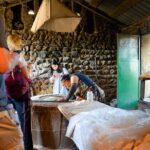
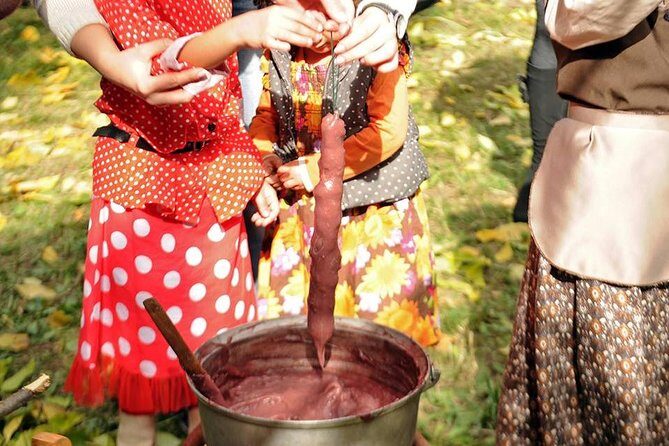
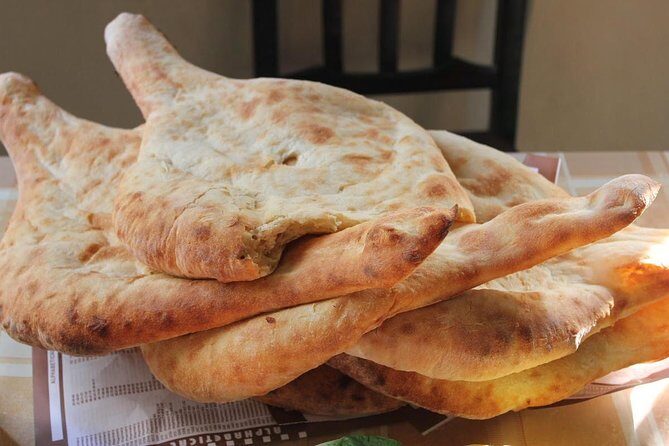
What I like here is the blend of technique and eating. You don’t just sip; you learn a process, then connect it to Georgian food. The tour includes cooking Georgian dishes with instruction: Georgian bread, khinkali, khachapuri, and churchkhela. That’s a lot of variety in one cooking session, and it’s exactly why this stop works for food lovers. You leave with a better sense of how the meals fit together.
There’s also a fun detail tied to local grapes: you’ll see a grape tree described as unique across the whole Eurasia continent. Whether you treat that as a quirky fact or a storytelling hook, it adds character to the stop and gives your day a memorable talking point.
The tasting and chacha options at Shumi
Important: the tasting and cooking packages here are not included in the base tour price. You’ll see two common choices:
- 50 GEL per person for wine testing (4 types of wine) plus 4 types of chacha, plus cooking Georgian cuisine
- 20 GEL per person for wine tasting only (4 types of wine and the chacha set)
If you’re the type who likes to try a range, go for the bundled option. If you’re more budget-minded and just want a solid taste, the wine-only option makes sense.
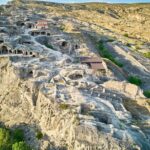



Khareba’s Tunnel Winery in Kvareli: cellar tastings you can walk through
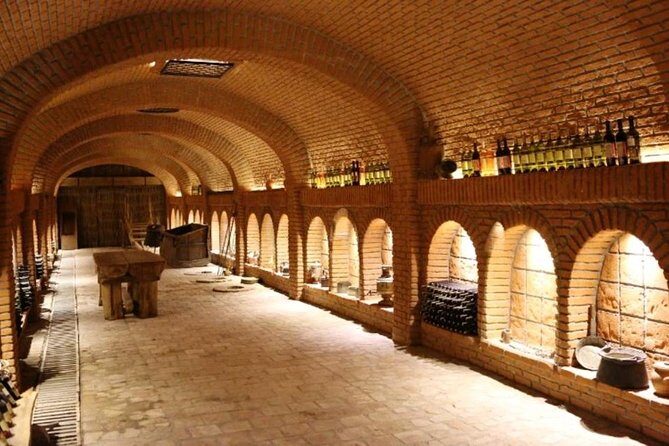
After Shumi, the day continues to Kvareli and Winery Khareba. This stop brings you into a more structured winery experience and adds a dramatic setting: the wine tunnel. The tour includes a visit through the tunnel and a tasting of different wines.
They also explain factory-made wine technology, which gives you a helpful contrast to the more local, hands-on feeling earlier in the day. It’s a good approach: you get tradition first, then the modern production side, so you can understand why Georgian wine can taste the way it does today.
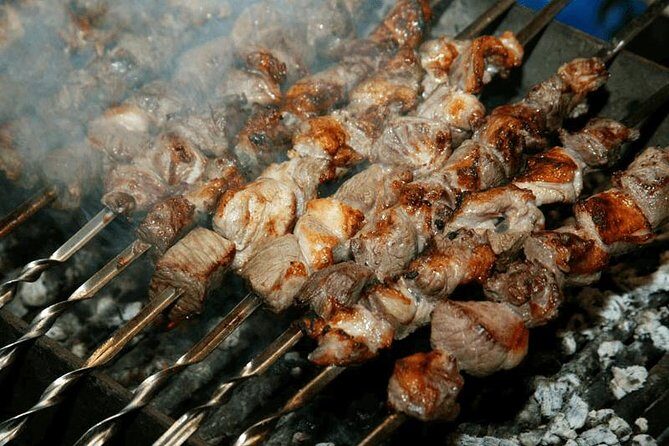
Then the itinerary keeps the momentum with cooking. You’ll have the chance to make Georgian dishes such as khinkali, Georgian bread, mtsvadi (barbecue), khachapuri, and churchkhela. There’s also an optional chacha-making component.
The tasting and cellar options at Khareba
Again, these are separate from the base tour price:
- 55 GEL per person for wine testing (3 types) with trip through the wine cellar, plus cooking (khinkali, khachapuri, churchkhela, bread, barbeque) and optional “Chacha”
- 15 GEL per person for wine testing only (3 types) with trip through the wine cellar
If you already plan to do the Shumi tasting bundle, you may decide to keep Khareba more minimal—especially if your goal is just to compare styles rather than do a full second tasting lineup. On the other hand, doing both tastings can be the best way to learn what changes from one winery approach to another.
Sighnaghi city walls and Bodbe Monastery of St. Nino: views plus a quiet finish
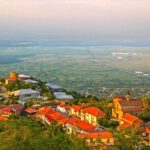
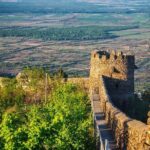
Sighnaghi shows up next, and it’s not subtle. The city walls give you viewpoint energy, plus you learn a quick history lesson along the way. The settlement is first recorded in the early 18th century, and they note a major timeline detail tied to 1762. Sighnaghi is often called the city of love, and the name isn’t just a marketing label—it fits the vibe of the walls and the way the town looks from above.
From here, you get breathtaking views on the Alazani Valley and toward the Caucasus. This is one of those “even if you don’t love history, you’ll still look up” moments.
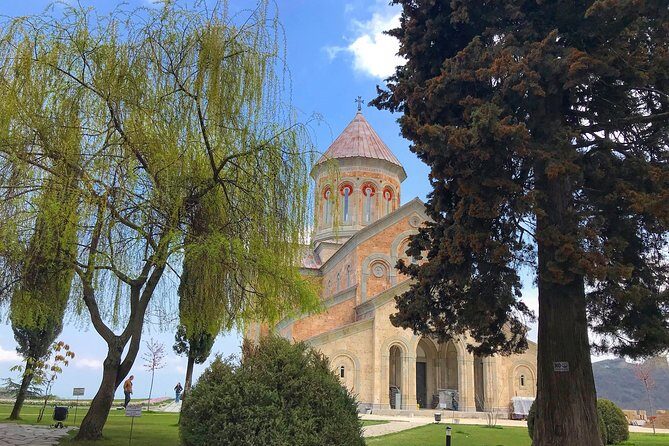
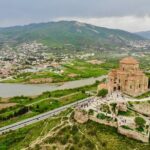
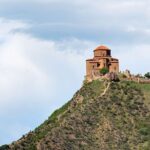
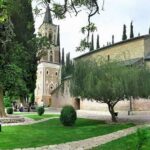
Then you head to Bodbe Monastery of St. Nino, a Georgian Orthodox monastic complex located about 2 km from Sighnaghi. It’s described as originally built in the 9th century, and Saint Nino is buried here. The visit is brief (about 30 minutes) and the admission is listed as free.
If you want a balanced day, Bodbe helps. After wine tunnels and cooking noise, you get a quieter, reflective stop. It also gives the day more depth than just food and views.
Price and value: is $179 per group worth it?
At $179 per group (up to 6), the base cost is positioned for value because you’re paying for the whole private day structure: pickup in Tbilisi, an English-led experience, and a set itinerary with multiple stops that include free admission points. Stops at Gombori Pass, Telavi Wine Cellar, Sighnaghi city walls, and Bodbe Monastery are listed as free at the admission level.
So where does the money add up? The main variable cost is the winery experience at Shumi and Khareba. Those tastings and cooking activities are not included and come in with choices in GEL:
- Shumi: 20 GEL (wine only) or 50 GEL (wine + chacha + cooking)
- Khareba: 15 GEL (wine only) or 55 GEL (wine + cellar tour + cooking, with optional chacha)
If you do the full bundled options at both wineries, you’ll likely spend significantly more on top of the base tour. If you do just one bundled option and keep the other tasting lighter, the total can stay reasonable while still giving you the “did the real wine and food thing” experience.
My practical advice: decide before you go which matters most to you.
- If you’re here for comparison across wine styles, pick the tasting bundles at both wineries.
- If you’re here for food skills first, choose the cooking-inclusive option where the instructions feel most hands-on for you.
- If you’re mostly sightseeing and want a quick taste, choose wine-only options.
Guide quality can make or break the day
This tour leans heavily on explanation. You pass through history, production methods, and local food traditions, and the guide’s ability to connect those dots matters.
From the guides associated with this experience—Irakli, Georgi, and Mamuka—you’ll likely get the kind of storytelling that turns a stop into something you remember. They’re noted for friendliness, accommodation, and English that’s clear enough to feel comfortable asking questions.
There’s also a real-world benefit: unforeseen closures can happen. Even when a site can’t operate, strong guides can reshape the day so you still leave with the planned highlights and good context. That’s exactly the sort of “hidden value” you can’t see in a brochure.
Who this tour is best for (and who should skip it)
You’ll enjoy this most if you want:
- Wine and Georgian food in the same day, not separated into different trips
- A viewpoint-heavy day that still includes cellar-style tastings
- A private group format where the pacing feels personal
- To learn by doing, especially with bread and khinkali-style cooking sessions
You might think twice if you:
- Hate long driving days
- Want only wineries and nothing else (this includes walls and monastery too)
- Are not interested in paying extra for tastings and cooking packages at the wineries
For couples and small friend groups, the private setup for up to 6 is a sweet spot. It keeps the day social without becoming chaotic.
Should you book this Kakheti culinary and wine tour?
If you’re trying to choose between a simple wine day and a full Kakheti experience, I’d pick this one. The reason is simple: you don’t just taste; you cook, and you see viewpoints that explain the region’s geography. The itinerary blends mountain altitude moments, deep wine culture stops, and a calm monastery ending.
Just go in with eyes open about cost choices. The base tour is set at $179 per group, but the tastings and cooking at Shumi and Khareba can add up based on the package you select. If you budget that extra spend, you’ll get a day that feels complete.
If you want a “first serious Kakheti trip” that covers both food craft and wine tasting in one shot, this is a strong bet.
FAQ
What time does the tour start, and how long is it?
It starts at 9:30 am and runs about 7 to 8 hours.
Is pickup available in Tbilisi?
Yes. Pickup is offered from Tbilisi airport or from the hotel of your choice.
Is this a private tour, and what group size is included?
Yes, it’s private. Only your group participates, up to 6 people.
What language is the tour offered in?
The tour is offered in English.
Are admission tickets included for all stops?
Admission is listed as free for Gombori Pass, Telavi Wine Cellar, Sighnaghi City Walls, and Bodbe Monastery. The Shumi Winery and Tunnel Winery Khareba tastings/cooking options are not included.
Are wine tastings included in the tour price?
Wine tastings at Shumi and Khareba are available as paid options. The tour offers specific choices for wine testing, and some packages include chacha and cooking.
How much extra should I budget for the wineries?
You’ll choose from options like 20 GEL or 50 GEL per person at Shumi, and 15 GEL or 55 GEL per person at Khareba (based on the tasting and cooking level you pick).
Where does the tour end?
It ends back at the meeting point in Tbilisi.
Is there free cancellation?
Yes. You can cancel up to 24 hours in advance for a full refund. If you cancel less than 24 hours before the start time, the amount paid is not refunded.
Can I bring a service animal?
Yes, service animals are allowed. The tour is also listed as near public transportation, and most travelers can participate.