REVIEW · TBILISI
Mtskheta, Gori and Uplistsikhe Day Tour from Tbilisi
Book on Viator →Operated by Tranquil Holidays · Bookable on Viator
One of the fastest ways to see Georgia’s big stories.
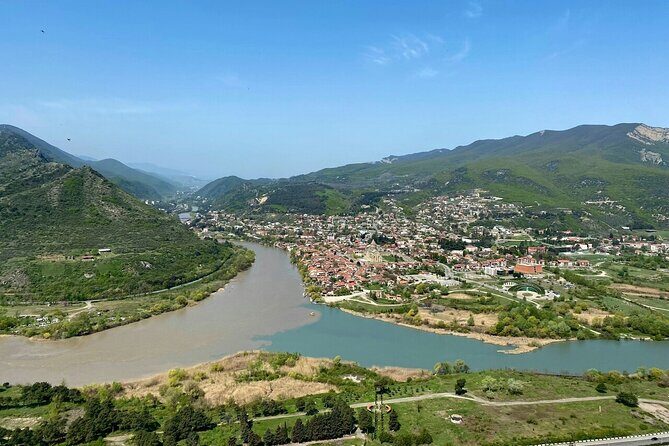
This day tour strings together UNESCO sites in Mtskheta (the Jvari Monastery area plus the Church of the Holy Cross/Svetitskhoveli) and then switches gears to Gori’s Stalin Museum and the rock-carved cave city of Uplistsikhe along the Mtkvari River. It’s an efficient sampler that still feels like more than a drive-by.
What I like most is the mix: breathtaking monastery views in the morning, then a totally different kind of history at Uplistsikhe. I also appreciate that you get an expert guide and comfortable transportation for a low base price, while key church stops are free on this tour. The main thing to consider is that the day is packed and some important attractions (Uplistsikhe and the Stalin Museum) have entrance fees not included.
In This Review
- Key Highlights at a Glance
- Why This Day Trip Works So Well From Tbilisi
- Meeting Point and the Morning Rhythm (9:00 AM Start)
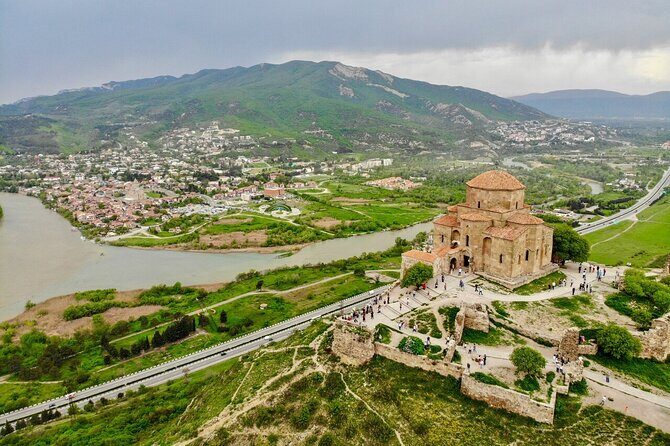
- Jvari Church: Free Entry, Big Views, Easy Start
- Mtskheta’s Church of the Holy Cross (Svetitskhoveli): UNESCO Spiritual Power
- Uplistsikhe Cave City: Walking Through a Cliffside Past
- Gori Break Time and the Stalin Museum Visit
- Price and Value: What You Pay For (and What You Still Need)
- Group Size, Comfort, and How the Pace Feels
- Who This Tour Suits Best (And Who Might Want a Different Day)
- Should You Book This Tour?
- FAQ
- How long is the Mtskheta, Gori and Uplistsikhe day tour?
- What’s included in the tour price?
- Are entrance fees included?
- Where is the meeting point and what time does it start?
- Can I cancel and get a full refund?
- How large is the group?
Key Highlights at a Glance
- UNESCO Mtskheta sites: Jvari and the Church of the Holy Cross/Svetitskhoveli are the morning anchors
- Big-picture guide service: expert commentary throughout the day helps the sites make sense
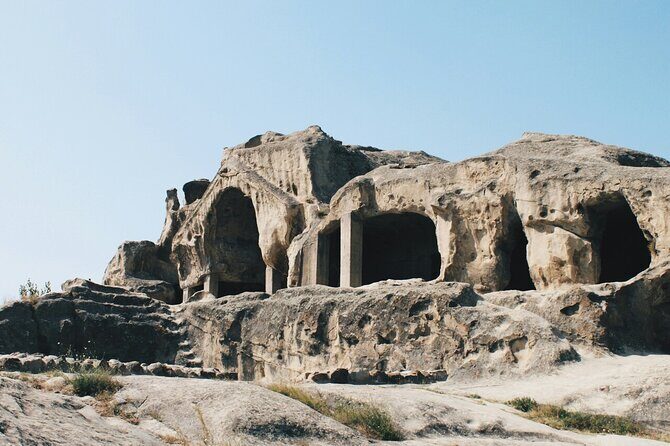
- Uplistsikhe cave city: you’ll walk a former rock-carved settlement along the Mtkvari River cliffs
- Stalin stop in Gori: a full visit to the Stalin Museum, not just a quick photo stop
- Small-group feel: maximum of 17 travelers keeps it easier to move and hear the guide
Why This Day Trip Works So Well From Tbilisi
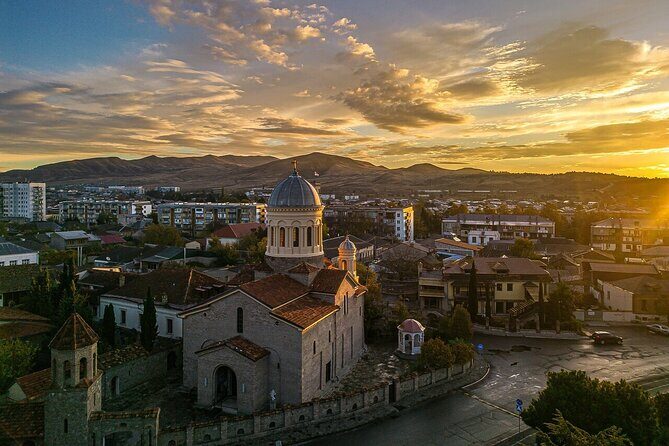
Tbilisi can be a great home base, but you still want to get out and see Georgia’s older layers. This tour does that by hitting two different “time zones” in one day: ancient sacred Mtskheta, then Soviet-era history in Gori, then a cliffside cave world at Uplistsikhe.
I also like that it’s built for people who don’t want to plan a complicated route on their own. You’re guided between stops, and the schedule includes travel time in the full ~8 hours, so you’re not constantly guessing what comes next.
One practical note: the value depends on your spending style. The tour price covers transport and the guide, but it doesn’t cover every entrance fee or meals—so plan a little extra budget for tickets and food.
You can also read our reviews of more tours and experiences in Tbilisi.



Meeting Point and the Morning Rhythm (9:00 AM Start)
You start at 25 Shota Rustaveli Ave in Tbilisi at 9:00 AM, and the tour ends back at the same meeting point. The location is convenient for getting to a departure point that’s close to public transportation, which helps if you’re juggling metro/taxi logistics.
Because the day is structured in distinct stops (some with guided time, some with free time), the rhythm matters. You’ll get guided visits at the main monuments, then quick breaks when the itinerary needs breathing room. That’s a good setup if you like moving efficiently without feeling stuck in a museum line for hours.
And since it’s a mobile-ticket tour, you won’t be scrambling with printed vouchers right before leaving. That small detail usually makes the start smoother.
Jvari Church: Free Entry, Big Views, Easy Start
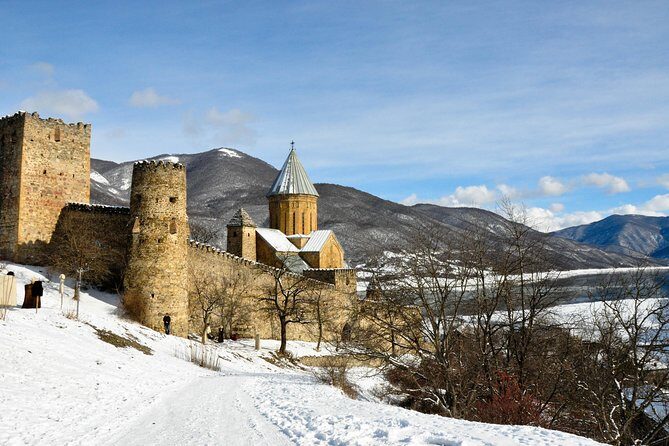
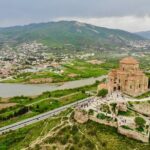
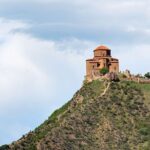
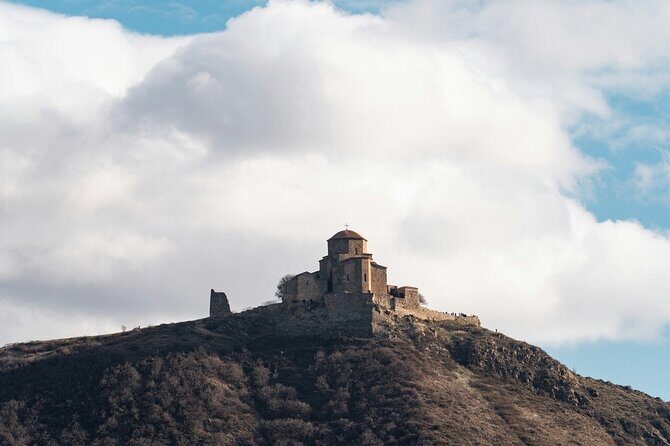
Jvari Church is the way to begin: it’s scenic on the way in, and the stop itself is designed for photos plus a guided look. You’ll spend about an hour here, and the entry ticket listed for this stop is free.
This kind of start matters because Jvari tends to set the tone for the whole day. You get an immediate sense of why Mtskheta became so important—religion, geography, and visibility all connect here. Even if you’re not the “cathedral person,” it’s the views that pull you in.
What to watch for: plan for a few minutes to just stand and look around before photos. Monastery viewpoints can be windy and bright, so bring something to protect your eyes and a light layer if the weather turns.
Mtskheta’s Church of the Holy Cross (Svetitskhoveli): UNESCO Spiritual Power
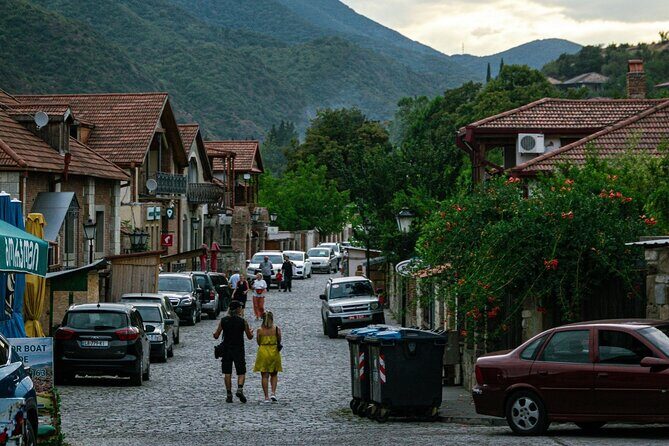
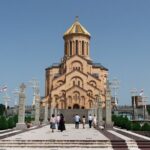
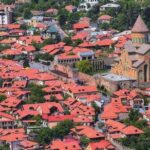
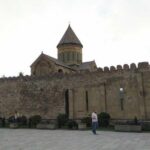
After Jvari, you head into Mtskheta for the Church of the Holy Cross, which is part of the UNESCO World Heritage cluster described for this tour. Like Jvari, it’s listed as free admission on this itinerary, with about an hour of photo time and a guided visit.
This is one of those monuments where context changes the experience. With a guide’s explanation, you’ll usually understand what you’re seeing beyond the obvious stone-and-spire look. The Church of the Holy Cross/Svetitskhoveli is famous for its status in Georgian Christian history, and that meaning is easier to grasp when someone walks you through what to focus on.
A practical tip: wear shoes that handle uneven ground. Mtskheta areas can be comfortable, but the walkways around historic sites aren’t always flat in the way modern attractions are.
Uplistsikhe Cave City: Walking Through a Cliffside Past
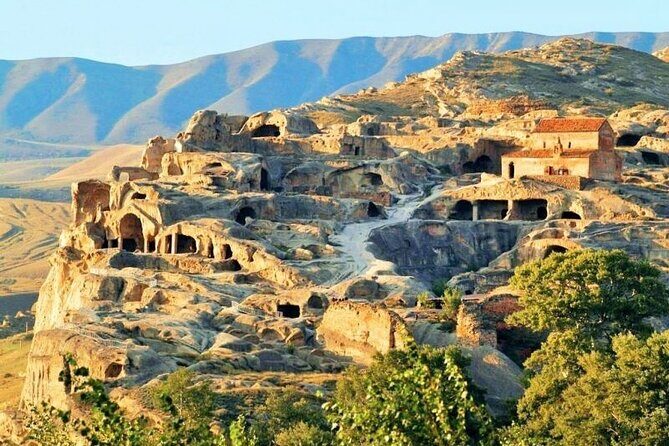
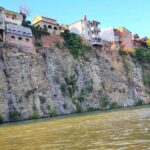
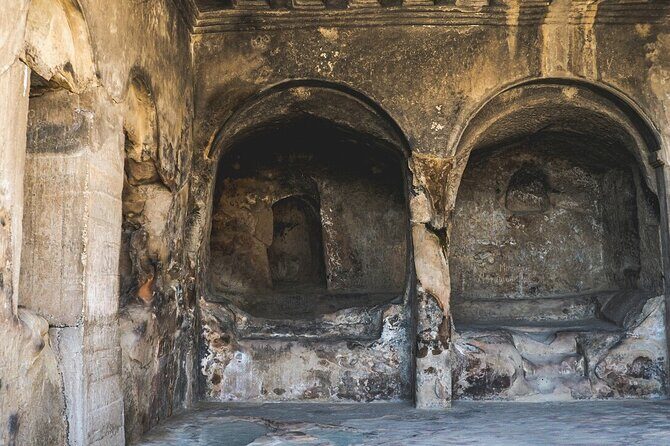
Then the tour changes pace in the best way. Uplistsikhe is an ancient cave city carved into rock cliffs along the Mtkvari River, and it gives you that rare experience of moving through a site that feels built into the landscape rather than placed on top of it.
You’ll have about an hour here, including photo stops, guided time, and free time. The big thing is that the Uplistsikhe admission fee isn’t included, so you’ll need to account for tickets on the day.
This stop is also where the tour earns its “worth seeing” reputation. Cave cities tend to work because you can feel scale: doorways, rooms, and passage-like spaces all help you picture how people lived with rock around them. If you like archaeology, architecture, or just places that feel different from typical churches and museums, you’ll probably enjoy Uplistsikhe more than you expect.
Consideration: because it’s rock-cut, it can feel hotter or colder depending on the season and the way light hits the cliff areas. Light water needs and sun protection matter here.



Gori Break Time and the Stalin Museum Visit
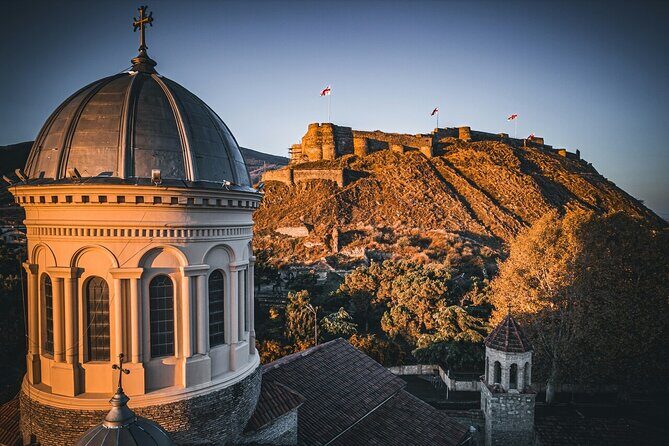
Gori is your middle stop, and it’s shorter: you get about 30 minutes for a break plus sightseeing and photos. That brief window works best for quick stretching, a snack if you planned ahead, or a fast stroll for photos—nothing heavy.
After that, you go to the Stalin Museum. This visit includes about an hour with a guided tour, and the admission ticket is listed as not included in the tour price. So again, you’ll want to plan for museum entry.
This is the one part of the day that’s more emotionally loaded than scenic. The value comes from the structured museum visit rather than stopping for a passing glance. A guided approach is especially helpful here because it turns the topic into something you can follow, not just a collection of facts.
If you’re sensitive to heavy history: pace yourself. The museum is one hour, which is usually enough time to understand the basics without exhausting your brain.
Price and Value: What You Pay For (and What You Still Need)
The tour price is $19.95 per person, which is hard to beat for a full day with comfortable transportation and an expert guide. That’s the core value: you’re paying for logistics done for you and for someone to explain what you’re looking at.
Where costs can add up is simple: meals and entrance fees. On this tour, Jvari Church and the Church of the Holy Cross are listed as free. But Uplistsikhe and the Stalin Museum are specifically marked as not included, so you should budget for those.
Also keep in mind you’re doing a lot in a short time—8 hours can mean you won’t want to hunt for extra stops on your own. If you prefer slow travel, you might feel the pressure. If you like structured touring and clear priorities, this is a good match.
Group Size, Comfort, and How the Pace Feels
The group maximum is 17 travelers, which usually helps with two things: it’s easier to move as one unit, and the guide can keep everyone on the same page. With a bigger group, you often lose time waiting. Here, the smaller cap makes the day feel more controlled.
The itinerary includes guided time at the main sites plus free time at Uplistsikhe and during the Gori break. That mix matters. You’re not trapped in constant commentary, but you’re also not left alone to figure out what matters.
One more thing I’d keep in mind: because the day includes travel time and multiple stops, you’ll likely have a “go, look, move” flow. That’s not bad—it’s the trade you make for seeing three major destinations without spending a whole day commuting on your own.
Who This Tour Suits Best (And Who Might Want a Different Day)
This day trip is a great fit if you want a well-paced overview of Georgian history across very different eras—ancient religious Georgia, Soviet-era political history, and rock-cut ancient settlement life. If you like guided context, you’ll benefit fast, especially at monuments like Jvari and the Church of the Holy Cross/Svetitskhoveli.
You might choose something else if you’re the type who likes long lingering hours in one place. The tour is only about 8 hours total, so you’re not getting a slow “spend the day here” vibe. It’s more like a smart highlights program with enough time to appreciate each stop.
It’s also a good match if you’re traveling with mixed interests. One person can enjoy the monastery viewpoints, another can focus on the Stalin Museum, and everyone gets something they can point to as a highlight: views, cave city, museum.
Should You Book This Tour?
Book it if you want maximum variety from Tbilisi with guided visits, comfortable transport, and a small group size. I’d especially recommend it if you’re curious about Mtskheta’s UNESCO sites and you also want something that breaks the pattern, like Uplistsikhe’s cliffside cave city.
Skip—or swap for something more focused—if you only care about one theme. The tour is broad by design, so you won’t be spending half the day in a single place.
If you do book, plan for extra spending on the two paid attractions (Uplistsikhe and the Stalin Museum) and bring water and sun protection. Those are the small things that keep a packed day feeling pleasant instead of rushed.
FAQ
How long is the Mtskheta, Gori and Uplistsikhe day tour?
The tour is about 8 hours, and it includes travel time.
What’s included in the tour price?
Transportation throughout the day and an expert guide service are included.
Are entrance fees included?
No. Entrance fees are not included, and that includes Uplistsikhe and the Stalin Museum. Jvari Church and the Church of the Holy Cross are listed as free on this itinerary.
Where is the meeting point and what time does it start?
You meet at 25 Shota Rustaveli Ave, T’bilisi 0108, Georgia. The start time is 9:00 AM, and the tour ends back at the meeting point.
Can I cancel and get a full refund?
Yes. You can cancel for a full refund up to 24 hours before the experience starts.
How large is the group?
The tour has a maximum of 17 travelers. Most travelers can participate.