REVIEW · TBILISI
Tbilisi and Mtskheta cities private, cultural tour
Book on Viator →Operated by Travel Master · Bookable on Viator
Most days in Georgia are full of churches. This one is about how they connect. You’ll see Tbilisi’s Old Town viewpoints from Metekhi Cathedral and Narikala Fortress, then shift to Mtskheta for UNESCO-listed Jvari and major early-Christian sites. It’s a single day that links geography, faith, and local legends into one easy plan with hotel pickup included.
What I especially like is the stop-by-stop focus: each site gets enough time to actually look around, not just take photos and rush on. I also like the guide-led storytelling, which you’ll feel most in the Mtskheta churches, where the details around relics and saints make the buildings click.
One thing to consider: it’s a full 8-hour outing, and the fortress area sits on a hillside. Wear comfortable shoes and expect some walking on uneven ground.
In This Review
- Key takeaways before you go
- A Private Day Across Tbilisi and Mtskheta’s Sacred Sites
- Your Morning Starts at Metekhi Cathedral’s Cliffside Views
- Narikala Fortress: Tbilisi’s Hilltop Viewpoint That Makes Everything Feel Close
- Jvari Monastery: The UNESCO Stop With the Legend of the First Cross
- Svetitskhoveli Cathedral: Where Relics Change How You Read the Building
- Samtavro Convent: Saint Nino, Royal Tombs, and Saint Gabriel’s Remains
- St. David Mamadaviti’s Church: Tbilisi Pantheon Energy in Mtskheta Time
- Price and Time: What You’re Really Paying For
- What Makes the Stops Work as One Connected Route
- Who This Tour Suits Best (and Who Should Consider a Different Option)
- Should You Book This Private Cultural Tour?
- FAQ
- How long is the Tbilisi and Mtskheta private cultural tour?
- What time does the tour start?
- Is hotel pickup and drop-off included?
- Is this tour private?
- What group size is this tour designed for?
- Are admission tickets included?
- Is lunch included?
Key takeaways before you go
- Private vehicle + hotel pickup means you skip the hassle of transfers and start the day on time.
- Admission tickets are included at every listed stop, so you don’t have to budget for entry fees mid-tour.
- Jvari Monastery is the big UNESCO moment, tied to the story of Georgia’s first cross.
- Mtskheta’s relics give context, from Christ’s robe mention to Saint Nino’s legacy.
- A guide with energy matters here, and Koba-style enthusiasm and humor are the kind of thing that makes the day fly.
A Private Day Across Tbilisi and Mtskheta’s Sacred Sites
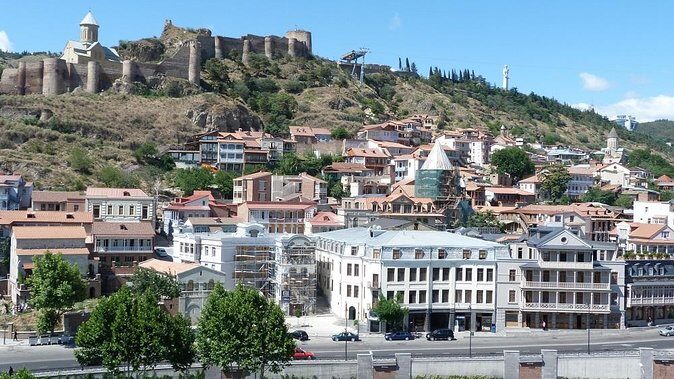
This is the kind of tour that works because it’s built around one clear idea: Georgia’s identity is written into its churches, and those churches sit where the land can explain the stories. You start in Tbilisi, at cliff-edge viewpoints and hilltop fortifications, then you head to Mtskheta, the older spiritual center where Christianity’s early chapters are still physically present.
The private format is the real comfort upgrade. You’re not sharing a van with strangers who disappear every five minutes. Your guide can set the pace, regroup you quickly, and spend time on the details that interest you. The vehicle is air-conditioned, and that matters in Georgia when the day starts warm and builds into a longer sit-and-walk schedule.
At $165 per group (up to 7), this tour is priced like a “buy the whole vehicle” day rather than a per-person sightseeing day. That’s a strong value if you’re coming with friends, or if your family can fill the group. Even if you’re fewer than 7, you still get the benefit of hotel pickup and guide time all day—usually the expensive parts of a private day.
You can also read our reviews of more private tours in Tbilisi



Your Morning Starts at Metekhi Cathedral’s Cliffside Views
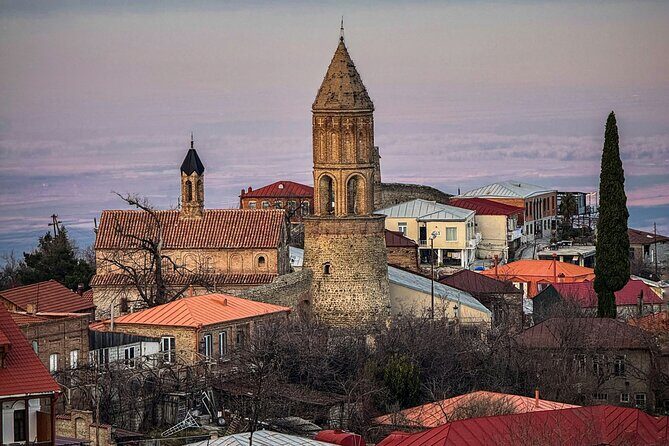
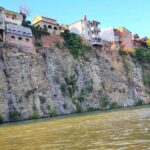
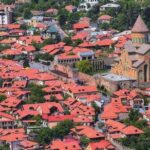
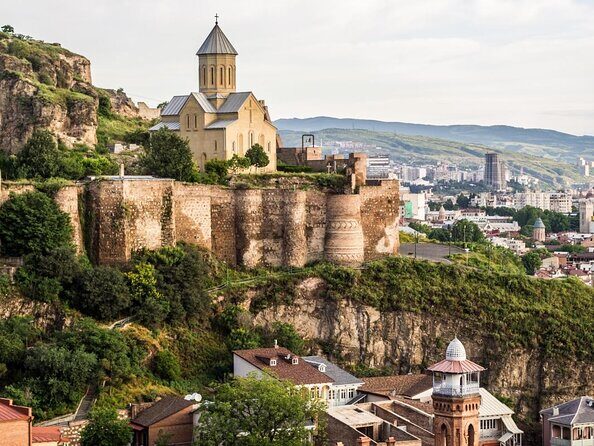
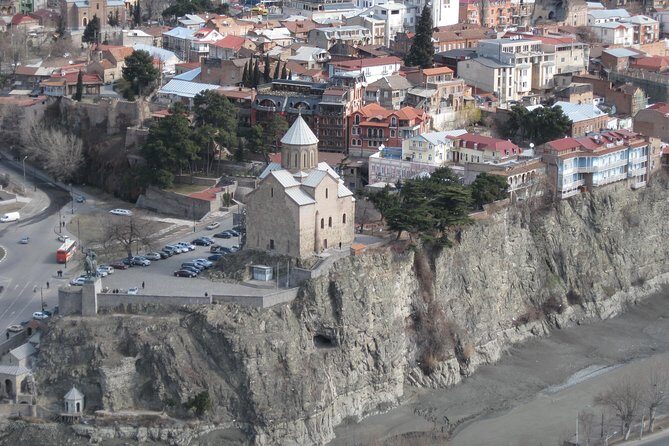
Metekhi Cathedral is where the day’s tone clicks into place. It’s a 13th-century church positioned on cliffs right by the old town area, with views toward Narikala Fortress and the fortress settlement below. That cliffside situation does two useful things for you: it gives you instant orientation for Tbilisi’s layout, and it makes later viewpoints feel like a planned route instead of random sightseeing.
You’ll have about 25 minutes here, and that’s a sweet spot. Long enough to step back, look out at the view, and take in the setting without it turning into a rushed stop. The included admission ticket also helps. You can focus on the visit rather than juggling cash, apps, or ticket lines.
Practical tip: plan to pause for photos when you have the view. The route later becomes more “walk and look,” and those early wide panoramas help you remember the city’s shape all day.
Narikala Fortress: Tbilisi’s Hilltop Viewpoint That Makes Everything Feel Close
After Metekhi, Narikala Fortress is basically the payoff for that first look. The fortress sits on a hillside and is often described as the heart of Tbilisi’s Old Town, giving views across central Tbilisi and toward the botanical garden. In other words, you get the geography and the drama in one frame.
You’ll spend about 45 minutes here, which is generous for a hilltop site. That extra time matters because Narikala isn’t just one photo spot. The area lets you scan the city from above, understand how the old settlement relates to the modern streets, and then wander at your own pace with your guide pointing out what you might otherwise miss.
A realistic consideration: hills mean effort. If you’re sensitive to uneven ground, take it slow. Comfortable shoes are worth it here, because this is a viewpoint tour as much as a museum-and-church tour.
Jvari Monastery: The UNESCO Stop With the Legend of the First Cross
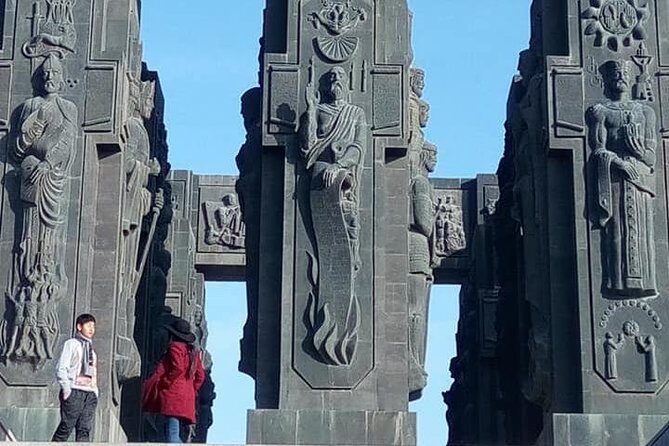
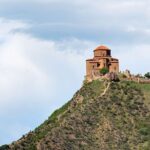
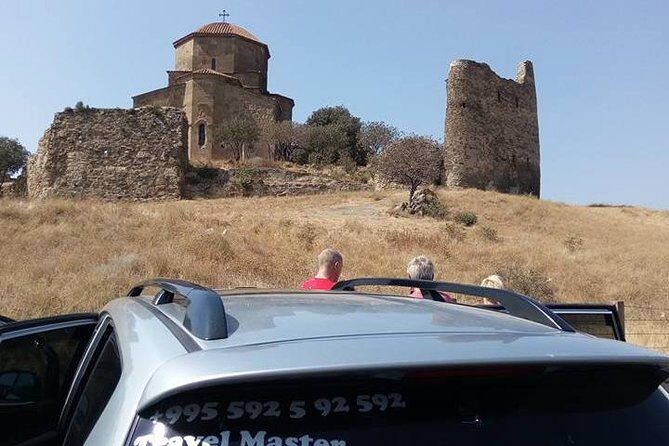
Then you shift from Tbilisi’s city views to Mtskheta’s sacred calm. Jvari Church (often called Jvari Monastery) is where the tour’s storyline becomes clear. This site is tied to the story of the first cross ever risen in Georgia, beginning in the 4th century. Later, by the 6th century, a cross-cupola style church was built on the site, and the structure is still standing without damage. It also became a UNESCO World Heritage site in the early 1990s.
You’ll have about 40 minutes here. That’s enough time to slow down and actually read the place. When a site has legend plus architecture plus heritage status, you don’t want to feel like you’re speed-walking through history. The timing gives you room to appreciate the setting and the spiritual symbolism without turning it into a checklist stop.
What makes Jvari special for your trip is how it reframes the day. Tbilisi gives you perspective and views; Jvari gives you meaning. It’s the moment where you stop thinking of churches as isolated landmarks and start seeing them as connected chapters.
If you’re the kind of traveler who likes stories tied to specific stones and layouts, you’ll enjoy how your guide connects the site to early Christian Georgia.
Svetitskhoveli Cathedral: Where Relics Change How You Read the Building
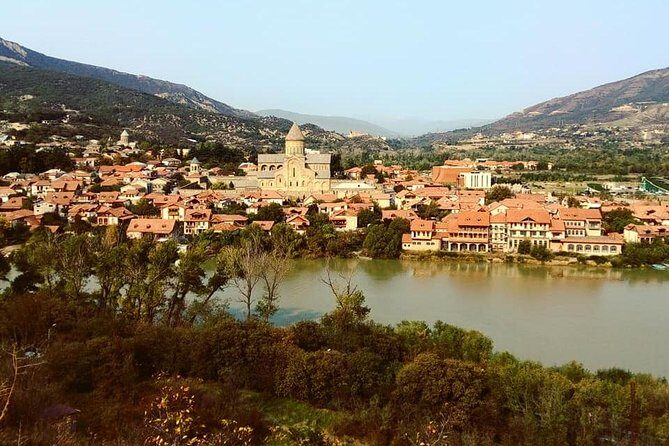
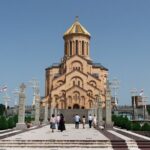
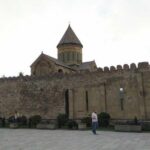
Svetitskhoveli Cathedral is a major reason people aim their day at Mtskheta. This cathedral sits in the heart of the old capital, and it holds relics of Christianity. The current church dates to the early 11th century, but the site’s importance goes back earlier—there’s a tradition that Christ’s robe was buried there in the first century.
That blend of early roots plus later architecture is exactly why this stop works on a tour like this. You’re not just looking at a pretty building. You’re seeing a structure that later generations built to protect and honor events believed to have happened before the current walls existed.
You’ll spend about 40 minutes here. That time helps because cathedrals aren’t quick. Even when you’re not reading every inscription, you need a few minutes to let the space register—how people stand, where light falls, what your eyes naturally follow.
A balanced expectation: if you want only dramatic exterior photo moments, cathedrals can feel slower. But if you like context, relic stories, and guides who tie architecture to tradition, you’ll feel the value of this stop.
You can also read our reviews of more historical tours in Tbilisi




Samtavro Convent: Saint Nino, Royal Tombs, and Saint Gabriel’s Remains
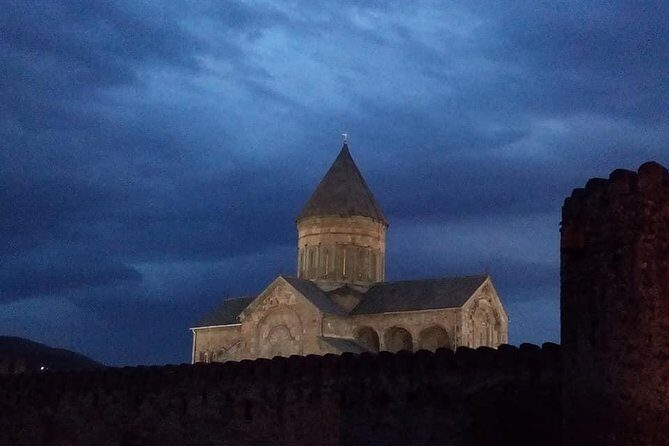
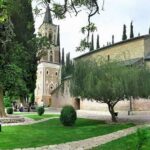
Samtavro Church and Convent is where the tour becomes personal in a different way. This place is linked to early Christianity and specific figures you’ll hear about in Georgia’s spiritual story.
The church you visit is built in the 11th century, but the location is famous from the beginning of the 4th century because of tombs of the first Christian King and queen of Georgia. That’s already a strong hook. Then you also get details that make the site feel living, not just historical: holy remains of Saint Gabriel, a black monk who passed away in 1994, are kept here. And it’s connected to Saint Nino, who lived and preached Christianity in the region.
You’ll have about 30 minutes at Samtavro. It’s a little shorter than the big cathedral stops, but it works because the key value is concentrated: you’re here to connect names, dates, and what the tradition says happened at the site. A good guide can make those connections clear without turning it into a lecture.
Practical consideration: religious sites often have rules about behavior and dress. This tour doesn’t list dress requirements, but it’s a good idea to come with shoulders covered and follow your guide’s advice on what’s appropriate.
St. David Mamadaviti’s Church: Tbilisi Pantheon Energy in Mtskheta Time
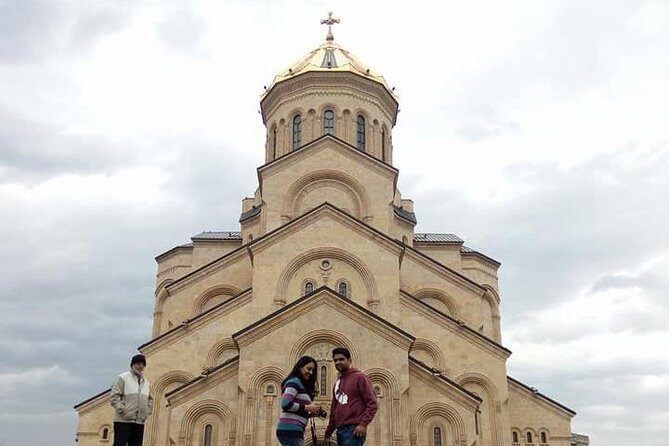
Back in the larger spiritual conversation, St. David Mamadaviti’s Church brings a different kind of meaning. This stop is tied to the Pantheon of Tbilisi, and it carries a strong historical background in the city’s story.
You’ll spend about 35 minutes here. That amount of time gives you enough room to notice details and let your guide explain how memorial spaces function in Georgian culture. It’s not just a building; it’s part of how the community remembers important people and the faith traditions attached to them.
If you’re interested in how Georgian Christianity evolved from early origins into later institutions, the pantheon element adds a useful “today’s memory” layer. It’s a nice shift after Mtskheta’s convent and cathedral stops—different mood, same overarching theme.
Price and Time: What You’re Really Paying For
Let’s talk value, because $165 per group can sound either like a bargain or like a splurge depending on how you plan.
Here’s the math: it’s for up to 7 people. If your group fills up, you’re effectively paying about $23.50 per person. If you’re just two people, it’s $82.50 per person. In a private day, those per-person numbers swing a lot.
So what makes it worth it?
- You get the private vehicle and driver time for the whole day, plus hotel pickup and drop-off.
- Admission tickets are included at all the listed stops (so you don’t hit surprise costs).
- You’re paying for a dedicated guide, and that’s where the best part of the experience comes from.
The reviews also point to guide quality as the defining ingredient. Koba-style enthusiasm and humor matter because this itinerary depends on context. If the guide is good at connecting names, dates, and local traditions, the churches feel like a narrative. If the guide is only reading dates off a card, the day can feel flat.
One more practical note: lunch isn’t included. Plan on a meal break somewhere along the way or after the Mtskheta circuit. Bring water. Alcoholic drinks are available to purchase, but you’ll want to decide that based on your day plan and driving comfort.
The tour runs about 8 hours, starting at 9:30 am. That’s a real day. If you’re jet-lagged or want a totally restful schedule, you might prefer a shorter half-day. If you’re here for history and you like a guided structure, this is a good full-day fit.
What Makes the Stops Work as One Connected Route
The itinerary has a natural logic. It starts with orientation—Metekhi’s cliff views—and then escalates with Narikala’s hilltop fortress perspective. That sets your mental map of Tbilisi.
Then the route changes. You go to Mtskheta and follow a sequence of sacred sites where each one adds a layer:
- Jvari gives you the earliest cross story and the architectural milestone.
- Svetitskhoveli expands the theme with relic tradition and cathedral-era importance.
- Samtavro brings saint stories and early Christian royal tomb context.
- St. David Mamadaviti’s Church adds the pantheon side of Georgian memory and historical background.
This is the kind of route where the order improves your understanding. If you did these independently, you might miss the connections—or you’d spend time figuring out what matters most. On a private tour, you get an organized path with a guide to explain the “why,” not just the “what.”
Who This Tour Suits Best (and Who Should Consider a Different Option)
This tour fits best if you want a structured, guide-led cultural day and you like historical Christian sites. It’s also a smart choice if you value convenience: hotel pickup and a private air-conditioned vehicle mean you spend your energy on looking, not navigating.
It’s especially good for:
- Couples and small groups who want privacy without splitting up
- Travelers who like stories tied to specific places
- People who want UNESCO plus major cathedrals in one day
You might consider a different format if:
- You want a more relaxed pace with fewer stops
- You don’t want to spend much time inside churches
- Your group prefers DIY touring with lots of free wandering
Should You Book This Private Cultural Tour?
If you’re planning a first trip to Tbilisi and Mtskheta, this is one of the more practical ways to see the highlights without turning your day into a logistics puzzle. The mix of Tbilisi viewpoints and Mtskheta’s sacred sites works well, and the included admission tickets make it easier to budget. Most importantly, this itinerary really depends on guide storytelling—so if you appreciate humor and lively explanations, you’ll get a lot out of the day.
Book it if you want a full-day history-and-faith circuit with real context, not just a photo run. Skip it if your ideal Georgia day is slower and more about free time than guided structure.
FAQ
How long is the Tbilisi and Mtskheta private cultural tour?
The tour lasts about 8 hours.
What time does the tour start?
It starts at 9:30 am.
Is hotel pickup and drop-off included?
Yes. Pickup from your hotel in Tbilisi and drop-off afterward are included.
Is this tour private?
Yes. It’s private, and only your group participates.
What group size is this tour designed for?
The price is per group of up to 7 people.
Are admission tickets included?
Yes. Admission tickets are included for the listed stops.
Is lunch included?
No. Food and drinks, including lunch, are not included. Alcoholic drinks are available to purchase.