REVIEW · TBILISI
Tbilisi to Magical Borjomi Rabati and Vardzia Cave Guided Tour
Book on Viator →Operated by Vitis Travel · Bookable on Viator
A cave city you can almost feel breathing. This guided day trip strings together Vardzia, Rabati Castle, and Borjomi in one long but well-paced outing, with an English and Russian guide helping you connect the dots. You’ll like that it’s built for a small group (max 17) and includes a smooth, air-conditioned vehicle for the long drive. One thing to plan for: it’s a 14-hour day, and entrance fees and lunch are on you.
Vardzia gives you real scale—tunnels, chapels, and old wine storage carved into rock. Rabati adds variety with its stacked influences and panoramic views from the fortress. You should also know the tour is weather-dependent, and you’ll want moderate walking fitness for uneven cave paths and stairs.
Key things that make this tour work
- Small-group feel (max 17): easier questions, less waiting around.
- Guides in English and Russian: the explanations are a major part of the value.
- Vardzia’s cave-city layout: tunnels, living quarters, chapels, and wine cellars in one stop.
- Rabati Castle viewpoints: fortified watchtowers plus a museum and restored gardens.
- Borjomi mineral springs + nature walk: a classic break from stone history.
- Simple structure: each stop has a clear time window so you don’t feel rushed everywhere.
In This Review
- A Long Day That Doesn’t Feel Like a Slog: 7:00 AM to Back in Tbilisi
- Vardzia Cave City: How a Monastery Became a Defensive Wonder
- What you’ll actually do in the cave complex
- A practical cave reality check
- Rabati Castle in Akhaltsikhe: A Fortress With Multiple Stories in Its Walls
- What you’ll see inside the fortress
- The main drawback here: you’ll want to move at a steady pace
- Borjomi Mineral Springs and Central Park: The Break Your Legs Will Appreciate
- Cable car: optional, but it changes the view
- The value of Borjomi in one sentence
- The Drive, the Group Size, and Why the Guide Matters
- Entrance Fees and Lunch: The Only Real Surprise Costs
- Who This Tour Fits Best (and Who Might Skip It)
- Weather and Comfort Tips That Actually Matter Here
- Should You Book This Tbilisi to Vardzia Rabati and Borjomi Day Trip?
- FAQ
- What’s included in the Tbilisi to Vardzia Rabati and Borjomi tour?
- What are the main stops on the itinerary?
- How long is the tour and when does it start?
- Are entrance fees included?
- Is there any optional activity at Borjomi?
- Do I need moderate walking fitness?
A Long Day That Doesn’t Feel Like a Slog: 7:00 AM to Back in Tbilisi
This is one of those Georgia day trips that starts early and ends late, but it’s organized around a logical flow: cave monasteries first, then fortress culture, then a mineral-water reset back in Borjomi. You leave at 7:00 AM from 1 Samghebro St, Tbilisi, and the tour finishes back at the same meeting point. Total time is about 14 hours, so plan your day around it and keep your expectations realistic.
The included ride is air-conditioned, which matters when you’re doing a long stretch out of the city. You also get a professional guide who works in English and Russian, so you’re not left staring at signs and guessing. A mobile ticket is used, which keeps the check-in simple.
If you’re the type of traveler who likes to pack in big sights in one day, this hits the sweet spot. If you prefer slow travel and lots of free time, this may feel like “too much, too fast,” because the day is built to cover three major destinations.
Vardzia Cave City: How a Monastery Became a Defensive Wonder
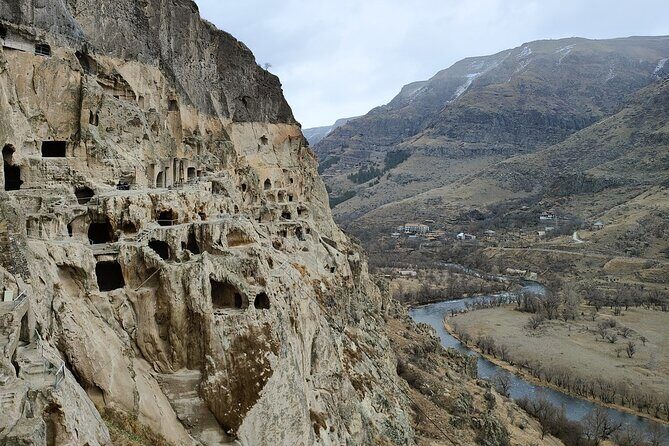
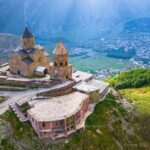
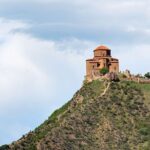
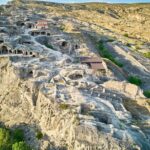
Vardzia is the kind of place that makes you pause even when you’re in a hurry. You’re exploring a cave complex built into the cliffs of the Erusheti Mountains, and you’re seeing how the site functioned as both a monastic center and a defense stronghold. The scale is part of the magic: living areas, tunnels, chapels, and wine cellars all carved into the rock.
At Vardzia, you’ll have about 90 minutes with a guided tour on site. The entrance fee is 17 GEL (about 6 EUR) and isn’t included, so bring cash or be ready to pay at the gate. The rest of the time at this segment of the day is for getting oriented, moving through cave corridors, and soaking up the main viewpoints and key rooms.
You can also read our reviews of more guided tours in Tbilisi
What you’ll actually do in the cave complex
You’ll focus on the elements that make Vardzia more than a pretty ruin:
- Explore tunnels and living quarters cut into the cliff.
- See chapels and the spaces tied to monastic life.
- Learn how wine storage and cellars fit into the day-to-day economy.
- Visit the main church, known for frescoes that include depictions of King Tamar and other important Georgian figures.
The church frescoes are one of the highlights because they give you a human timeline. You’re not just walking through rock—you’re connecting the artwork to who held power and what the monastery represented.
A practical cave reality check
Caves mean uneven surfaces and stairs. You don’t need to be an athlete, but you should be comfortable with moderate walking and some indoor/outdoor movement in changing light. Wear shoes with grip, and bring a light layer if you get cold easily in stone spaces.
Also, keep your camera handy, but don’t let it steal your time. Vardzia is one of those sites where the best moments happen when you put the phone away for a minute and let the scale hit you.
Rabati Castle in Akhaltsikhe: A Fortress With Multiple Stories in Its Walls
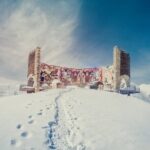
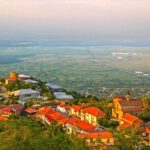
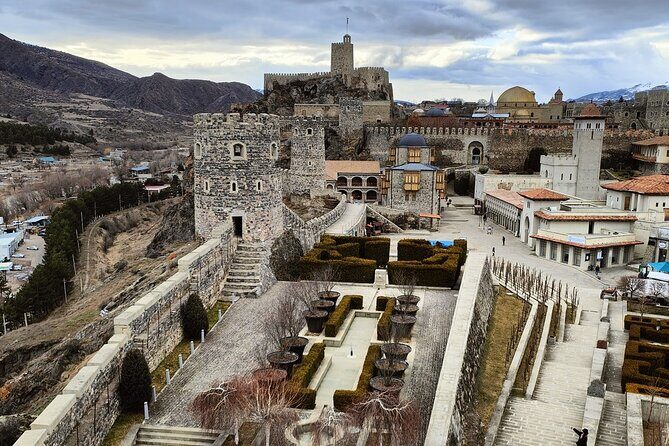
After Vardzia, Rabati Castle shifts the mood. Instead of monks and cliffs, you’re in a restored fortress complex tied to Akhaltsikhe’s layered past. Rabati is known as a symbol of the region’s diverse history, with Georgian, Ottoman, and Armenian influences you can see in the buildings and layout.
The Rabati stop is set for a guided walk of about 90 minutes inside the castle area. The entrance fee is again 17 GEL (about 6 EUR) and also isn’t included. You’ll also spend additional time on the broader site so you’re not rushing through the gardens and viewpoints.
What you’ll see inside the fortress
You’ll visit a museum inside the castle, which helps you connect the buildings to the bigger story of the region. Then it’s outside time:
- Walk through beautifully restored gardens.
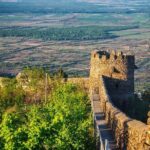
- Admire the mosque, church, and palace features within the fortress walls.
- Climb for panoramic views from the watchtowers.
Those watchtower viewpoints are worth the effort. From up high, Rabati makes more sense as a stronghold, not just a tourist site. You can literally read why this location mattered.

The main drawback here: you’ll want to move at a steady pace
Rabati is spread out enough that if you stop too often, you can start to feel pressed. The tour gives you enough time to do it properly, but you’ll still want to pace yourself—especially if you’re also paying attention to the museum exhibits while other group members are moving on.
Borjomi Mineral Springs and Central Park: The Break Your Legs Will Appreciate
Borjomi is where the day stops being all stone and starts being all fresh air. The core of this stop is the Borjomi National Park and its famous mineral springs. You’ll taste the naturally carbonated Borjomi water—one of those experiences that feels silly until you do it, and then you get why people make a habit of it.
You’ll also have a scenic walk through Borjomi Central Park, with views over lush forests and mountain rivers. The tour block here is about 60 minutes, with the stop total time closer to 2 hours, which usually leaves a bit of slack for a longer stroll, photos, or a short sit-down.
Cable car: optional, but it changes the view
There’s an optional visit to the Borjomi cable car for panoramic views of the park and surrounding nature. Since it’s optional, you can choose based on energy and weather. If the weather is crisp and clear, it can be a good way to “see the park” without walking extra. If you’d rather save your steps, you still get a worthwhile park walk even without it.
The value of Borjomi in one sentence
Borjomi gives you a reset: minerals for the experience, park time for your pace, and a softer atmosphere after two heavy history stops. And according to what I’ve learned from past guests, Borjomi is more about nature than a lineup of attractions—so treat this part as a scenic break, not an entertainment program.
The Drive, the Group Size, and Why the Guide Matters
This day trip runs for roughly 14 hours, and most people experience it as two parts: the sightseeing blocks and the road time. The good news is that the vehicle is air-conditioned, and the group size is capped at 17, which keeps the day from feeling chaotic.
The guide isn’t just there to translate. This trip’s value comes from having someone connect what you’re seeing to the bigger picture—why Vardzia was both monastery and defense, why Rabati has different cultural layers, and how Borjomi’s mineral springs became a destination in their own right.
In feedback tied to this tour style, English-speaking guides such as Timur, George, and Alexander are praised for clear explanations and strong engagement. You’ll get both the basics and side context on the way, which helps the day feel more than checkboxes.
Entrance Fees and Lunch: The Only Real Surprise Costs
The tour price is $35.50 per person, and it includes the vehicle and guide. Entrance fees are not included, so budget for at least:
- Vardzia entrance: 17 GEL
- Rabati Castle entrance: 17 GEL
(Each listed around 6 EUR)
Lunch is also not included. One nice thing is that Vardzia has places to eat on site or nearby, and at least one guest specifically highlighted that the restaurant there was good and affordable compared to Tbilisi.
If you want to keep spending controlled, plan a simple lunch strategy:
- Eat at Vardzia if you’re hungry after the cave.
- Or save your appetite and use Borjomi for a meal break after the park walk.
Either way, bring some water and a little cash. That way you’re not scrambling at entrances or when you decide you need food sooner than planned.
Who This Tour Fits Best (and Who Might Skip It)
This is a great match if you:
- Like doing big sights in one day without the hassle of private logistics.
- Want a guide to turn ruins and fortresses into understandable stories.
- Enjoy both history and nature, since the day includes Vardzia, Rabati, and Borjomi.
You might think twice if you:
- Hate long days. This is about 14 hours, and the schedule is full.
- Want lots of free time at each stop. You’ll have guided structure, not open-ended wandering.
- Have low tolerance for stairs or uneven terrain. The cave experience at Vardzia needs moderate fitness.
It’s also a good fit for mixed groups (family-friendly if everyone can walk), because the tour gives structure and the guide keeps things moving in an organized way.
Weather and Comfort Tips That Actually Matter Here
This experience is weather-dependent. If conditions are poor, you may be offered another date or a full refund. Since you’re dealing with outdoor viewpoints at Rabati and a large cave site at Vardzia, you’ll appreciate packing for changeable conditions.
Here’s what I’d do to make the day easier:
- Wear grippy shoes for cave stairs and uneven rock surfaces.
- Bring a light layer for cooler cave interiors.
- Carry water, especially on the drive and the park walk.
- Keep a little cash for entrance fees if you prefer not to hunt for payment options.
- If you’re considering the cable car at Borjomi, decide based on weather and your energy level that day.
And since it’s an early start, don’t plan anything heavy the night before. Your morning will thank you.
Should You Book This Tbilisi to Vardzia Rabati and Borjomi Day Trip?
I’d book this if you want one guided day that covers three very different Georgian experiences—a cave city, a multi-influence fortress, and mineral-water nature time—all with a small-group vibe and a professional guide. The price is reasonable for the length of the outing and the fact that guide time and transportation are included, while the paid entrances are clearly separate.
I wouldn’t book it if you’re the type who needs long rests, hates big schedules, or can’t handle moderate walking. In that case, you might enjoy splitting it into smaller chunks instead of stacking everything into one long day.
If you like history that you can walk through, and you don’t mind an early start, this tour is a strong choice.
FAQ
What’s included in the Tbilisi to Vardzia Rabati and Borjomi tour?
The tour includes an air-conditioned vehicle and a professional guide who offers English and Russian support. Entrance fees and lunch are not included.
What are the main stops on the itinerary?
You’ll visit Vardzia cave city, Rabati Castle, and Borjomi. The tour ends back at the original meeting point in Tbilisi.
How long is the tour and when does it start?
It runs for about 14 hours and starts at 7:00 AM.
Are entrance fees included?
No. Vardzia and Rabati Castle each have an entrance fee of 17 GEL (about 6 EUR) that you pay separately. Borjomi entrance is free.
Is there any optional activity at Borjomi?
Yes. You can choose to visit the Borjomi cable car for panoramic views, if you want.
Do I need moderate walking fitness?
Yes. The experience notes a moderate physical fitness level, which is important for the walking involved, especially at the cave and castle areas.