REVIEW · TBILISI
Tbilisi City Tour with Street Photography
Book on Viator →Operated by Sunny Tours · Bookable on Viator
Tbilisi turns into a photo studio fast. What makes this tour fun is the mix of street-friendly Old Town streets and big, cinematic viewpoints, all guided by Beso, the kind of host who turns monuments into stories you can actually remember. I especially like the way you get both architectural wow moments, like the Holy Trinity Cathedral, and hands-on local texture around Abanotubani’s sulfur-bath streets.
One thing to factor in: it’s a 5 to 6 hour loop with several viewpoints, so plan for some walking and steps, plus no lunch included. If you’re the type who needs long meal breaks, you’ll want to eat before you start or pack a snack.
In This Review
- Key highlights to look for
- Why this tour works for street photography (even if you’re not a pro)
- Getting started at Freedom Square: logistics that keep the day easy
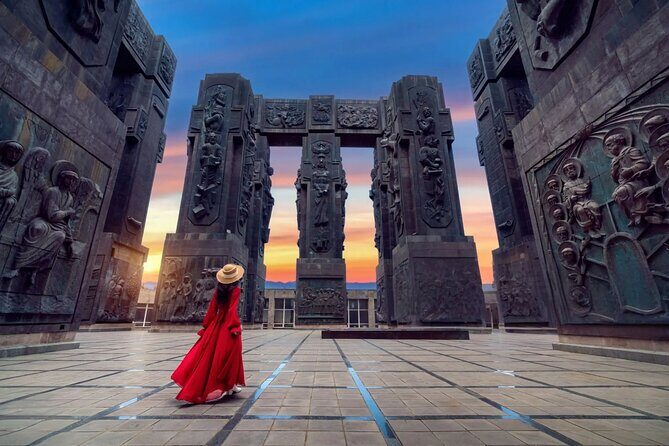
- Stop 1: Chronicles of Georgia and the sculpted-history photo moment
- Stop 2: Holy Trinity Cathedral for frescoes, quiet, and city panoramas
- Stop 3: Abanotubani sulfur baths area and the real Tbilisi smell
- Between stops: markets and cafes where the day becomes local
- Stop 4: Mtatsminda Amusement Park for views, motion, and fun
- Stop 5: Mother of Georgia statue and the Narikala Fortress viewpoint via cable car
- Stop 6: Rike Park, Peace Bridge, and ending with a softer vibe
- Value check: does $120 buy you enough?
- Who this tour is best for (and who should reconsider)
- Practical tips to get better street photos on this route
- Should you book this Tbilisi City Tour with Street Photography?
- FAQ
- How long is the Tbilisi City Tour?
- Where does the tour start, and do you return there?
- Is pickup available?
- Is lunch included?
- What’s included in the price besides the guide?
- Are entrance tickets included for the main stops?
- Is this a private tour?
- What is the cancellation policy?
Key highlights to look for
- Beso’s storyteller energy: professional, warm, and clearly proud of Georgian culture
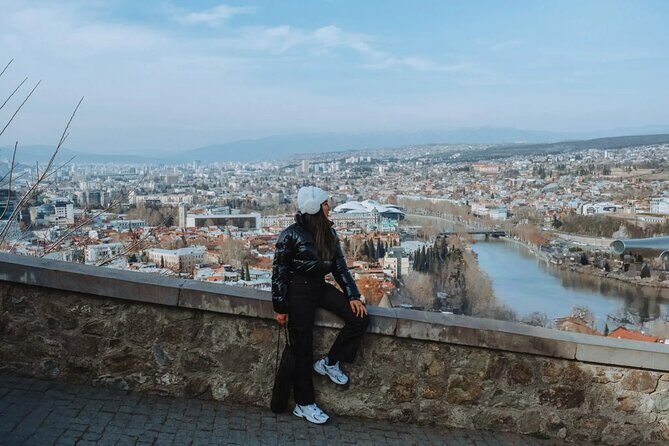
- Big photo windows in every direction: city views from multiple hilltop spots
- Street-level culture at Abanotubani: domed bathhouses, craft shops, and classic Tbilisi lanes
- Mtatsminda panoramas without the stress: amusement-park setting with room to stroll and pause
- Rike Park + Peace Bridge at the finish: a calmer end along the river area
- Private group feel: only your group on the day, with an air-conditioned vehicle and WiFi
Why this tour works for street photography (even if you’re not a pro)
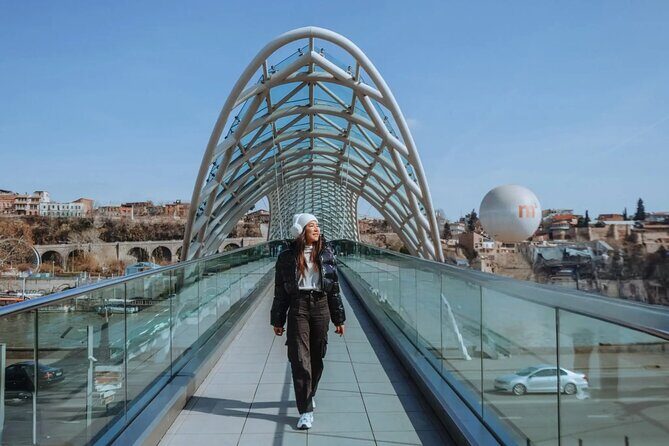
This is one of those days where your camera (phone included) stays busy because the city keeps changing textures. You move from stone monuments and cathedral interiors to sulfur-bath neighborhoods and modern riverfront design. That variety matters for street photography because the light, angles, and “human scale” details shift every hour.
The other reason it works is the pacing is structured around major visual moments. You’re not wandering aimlessly; you’re being routed so you can catch photo-worthy viewpoints and then return to street scenes. And since it’s a private tour, you’re more likely to have time to stop, compose, and recompose without feeling rushed.
You can also read our reviews of more city tours in Tbilisi

Getting started at Freedom Square: logistics that keep the day easy
Most tours start with a handshake and a plan. This one starts at Freedom Square, and the activity ends back at the same place. That simple loop is helpful in Tbilisi, where it’s easy to lose time if you’re jumping between spots on your own.
Pickup is offered, and you’ll travel in an air-conditioned vehicle with bottled water and WiFi onboard. That’s not just comfort. It helps you avoid the “I’m spending half my day commuting” problem, especially if you’re trying to photograph in multiple areas where taxis might be hit or miss.
You’ll also get a mobile ticket, which is practical. No rummaging for paper, no fuss at the first stop.
Stop 1: Chronicles of Georgia and the sculpted-history photo moment
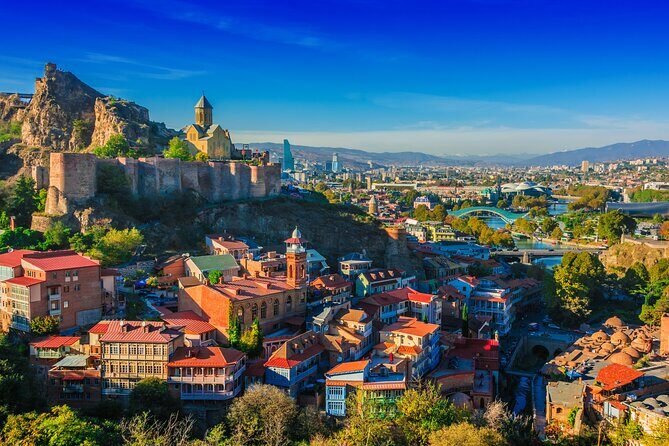
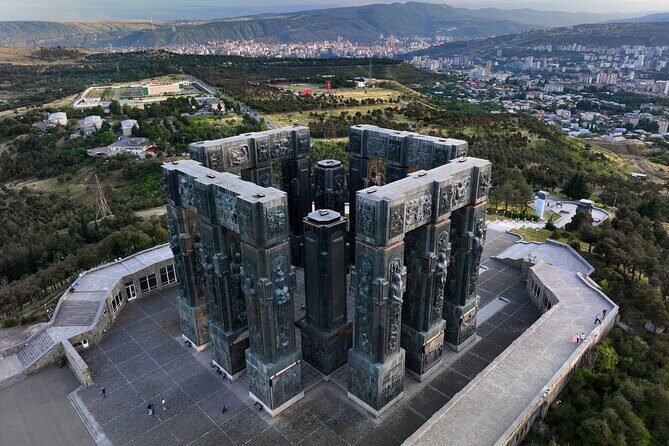
Your day begins with the Chronicles of Georgia, a set of stone monuments that depict key moments and figures from Georgian history. The setting is built for photos: you’re up and looking out over Tbilisi, so the city becomes part of the frame.
What I like here is the combination of learning and views. You’re not just looking at rocks. You’ll get guided context that connects what you see in the sculptures to why it matters. And because it’s elevated, this is a great place to get oriented before the rest of the day.
If your photo style is detail shots—hands, faces, textures—this stop is strong. The stonework and the perspective give you plenty to work with in a short time.
Stop 2: Holy Trinity Cathedral for frescoes, quiet, and city panoramas
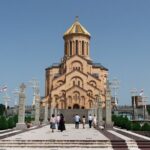
Next up is the Holy Trinity Cathedral, known for its striking architecture and intricate frescoes. The goal here isn’t speed. You’ll have time to explore the interior, then step outside to enjoy panoramic views from the grounds.
This stop is valuable because it slows you down just enough to reset. Street photography days can blur together. A cathedral interior gives you a different rhythm: slower moving, more careful looking, and often a calmer atmosphere when you’re photographing.
One note to keep your expectations realistic: the tour mentions the possibility of a traditional service. Whether that happens depends on scheduling, but even if you don’t catch a service, the guided history and the fresco-focused sightseeing are still the point. Admission is listed as free for this stop, so you’re paying for the guide’s time, not an extra ticket.
Stop 3: Abanotubani sulfur baths area and the real Tbilisi smell
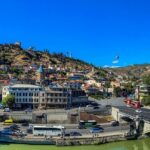
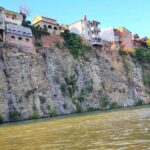
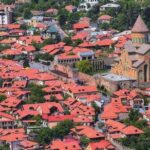
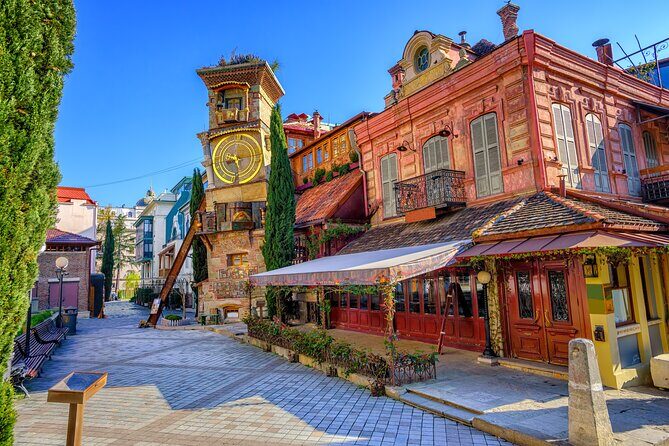
Then you step into Abanotubani, the sulfur-bath neighborhood that’s been part of Tbilisi’s culture for centuries. This is where the tour earns its street photography title. You’re surrounded by domed bathhouse architecture, cobblestone lanes, and local shops that fit the scene.
You can also learn about why people associate the baths with therapeutic mineral-rich waters. The tour time is structured so you can appreciate the buildings and streets, not just pass through.
Should you soak? The tour describes the baths and the warm sulfur waters, but it doesn’t clearly say bathing is guaranteed as part of the included experience. So I’d think of this as your chance to experience the neighborhood’s core vibe, then decide on the spot if you want to try a soak based on what’s available when you arrive.
For photos, focus on the human scale: doorways, small shop signs, and the way people move through the lanes. The architecture is dramatic, but the street life is what makes it feel like Tbilisi.
You can also read our reviews of more photography tours in Tbilisi
Between stops: markets and cafes where the day becomes local
The overall flow includes time for local culture—markets, cafes, and sampling traditional Georgian cuisine. Even if you don’t go “full foodie,” these breaks matter. They help you photograph real moments instead of only photographing monuments.
If you like candid street shots, treat these pauses like a mini photo assignment: walk a few steps away from the obvious landmark view and look for the smaller scenes—someone ordering, steam rising, a casual conversation near a doorway. That’s the kind of texture that turns a vacation photo into a story.
Stop 4: Mtatsminda Amusement Park for views, motion, and fun
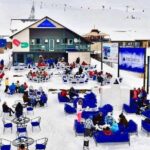
Mtatsminda is a hilltop spot with panoramic views and an amusement-park atmosphere. The tour gives you time at the park to enjoy rides ranging from bigger thrill options to gentler ones, plus cafes and scenic walking paths.
This stop is a clever balance in the route. You’ve been in religious and historical spaces, then sulfur-bath streets. Mtatsminda is more playful, and it gives you permission to enjoy the day without treating every minute like a museum.
Practical reality check: amusement parks can bring queues depending on timing. The tour duration for this section is about an hour, so you’ll want to keep an eye on how long you’re waiting for anything you choose to ride. If your goal is photos first, use the park paths and overlook areas rather than spending all your time in lines.
Admission is listed as free for this stop, which keeps the budgeting cleaner—just remember that rides and food inside the park may have their own costs.
Stop 5: Mother of Georgia statue and the Narikala Fortress viewpoint via cable car
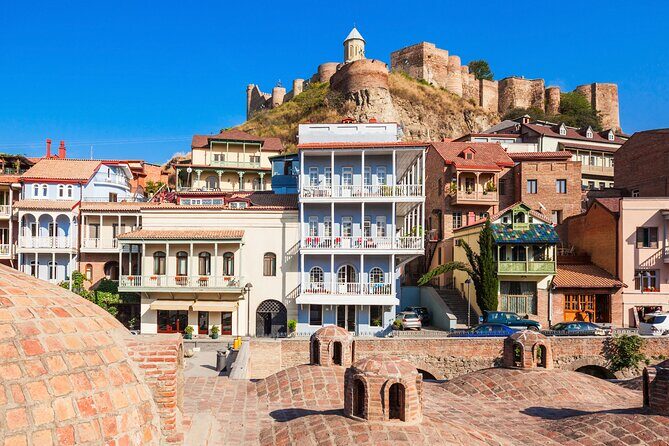
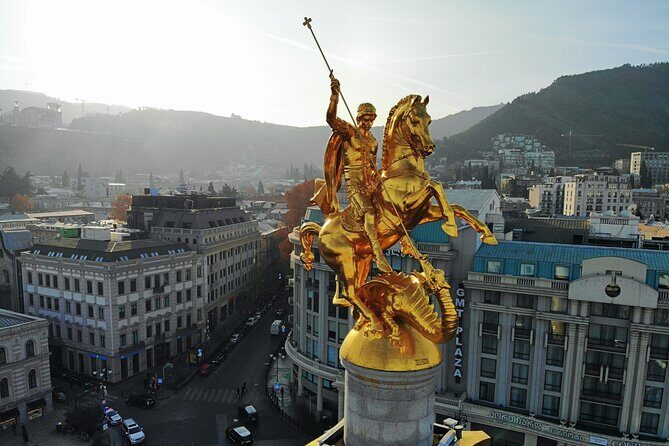
The Mother of Georgia statue is a big, iconic monument—standing about 20 meters tall. The meaning is tied to Georgian strength and resilience, and the payoff is the view. This is one of those places where your phone photos look great even before you get creative.
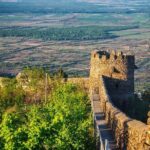
The tour also highlights a nearby cable car ride up toward Narikala Fortress and the ancient ruins there. That’s a key value add because it connects a modern symbol (the statue) with older stone structures (the fortress). If you want the “from downtown to fortress” perspective in a single day, this is where it happens.
This is also a great spot for timing. If the weather turns hazy or rainy, your fortress and city view can suffer. Clear skies make a huge difference here.
The stop is shorter—around 30 minutes—so keep your plan simple: capture the main viewpoint photos, then decide quickly whether you’ll take the cable car for the fortress angle.
Stop 6: Rike Park, Peace Bridge, and ending with a softer vibe
Your final major stop is Rike Park, where modern design meets river greenery and the iconic Peace Bridge. The vibe here is a lot calmer than the hilltop viewpoints. It’s a good ending because it lets your eyes rest after dense sight-seeing.
You’ll stroll along the river area and spend time in green spaces, with opportunities to explore nearby architectural installations. The tour also points out the cable car station for city views, which is useful if you want one last photo angle before heading back.
This ending works for street photography too. Riverfront areas often bring different kinds of movement—slow walks, casual hangouts, light bouncing off water. It’s easier to slow down and shoot “real life” here instead of chasing the biggest monument angles.
Value check: does $120 buy you enough?
At $120 per person for a 5 to 6 hour private tour, you’re mainly paying for three things: a guide who manages the route, transportation between scattered viewpoints, and the time saved versus planning your own day.
Here’s what’s clearly included: bottled water, an air-conditioned vehicle, WiFi on board, and private transportation. That matters because Tbilisi’s best photo spots aren’t always clustered. Transport and comfort reduce fatigue, and fatigue kills photos.
What’s not included is lunch, so you’ll want to budget for that separately if you get hungry. The tour also lists admission tickets as free for the main stops, which helps. Still, rides or any optional experiences you choose in places like Mtatsminda or the cable car area could add extra cost depending on what’s available when you go.
For value, this tour makes the most sense if you:
- want a guided route that hits major photographic targets
- prefer private pacing over joining a large group
- would rather pay for planning than spend hours figuring out the best order
If you enjoy DIY exploring and already know your route, you might spend less on your own. But you’ll pay in time and logistics.
Who this tour is best for (and who should reconsider)
This fits well for couples, solo photographers, and anyone who likes a structured route with room for personal photo time. It also looks family-friendly on paper because Mtatsminda’s amusement park includes rides that range from thrill to gentle options.
Consider a different approach if:
- you dislike uphill walking and short stops at multiple viewpoints
- you want a long, sit-down lunch break
- you’re only interested in one or two landmarks and would rather focus your day on them in depth
Practical tips to get better street photos on this route
You’ll get better results if you plan your behavior, not just your settings.
- Start your day with a quick sweep: when you reach a new area, take 3 to 5 wide shots first. Then switch to smaller details once you know the background lines.
- At viewpoints like Holy Trinity grounds, Mother of Georgia, and Rike Park, take a few photos, then stop moving. The best street moments often happen right after you stop scanning the horizon.
- In older lanes like Abanotubani, look for frames with a foreground element—doorways, railings, steps. It adds depth fast.
- Carry water. The tour includes bottled water, but street photography can make you forget you’re thirsty.
Should you book this Tbilisi City Tour with Street Photography?
I’d book it if you want a one-day plan that mixes classic monuments, sulfur-bath streets, and multiple viewpoint photo stops without stressing over transportation. The standout is the guide—Beso’s reputation is built on being warm and on turning sights into stories you can repeat later. That combination makes the day feel more personal than a checklist.
Skip it only if you hate moving around in chunks, or if you need a full lunch break built into the schedule. For everyone else, it’s a solid value way to see Tbilisi from both street level and high lookout angles, with enough freedom to make the photos yours.
FAQ
How long is the Tbilisi City Tour?
It runs about 5 to 6 hours.
Where does the tour start, and do you return there?
The meeting point is Freedom Square, Tbilisi, Georgia, and the tour ends back at the same place.
Is pickup available?
Yes, pickup is offered.
Is lunch included?
No, lunch is not included.
What’s included in the price besides the guide?
The tour includes bottled water, an air-conditioned vehicle, WiFi on board, and private transportation.
Are entrance tickets included for the main stops?
Admission tickets are listed as free for the main stops on the route.
Is this a private tour?
Yes, it’s private, meaning only your group participates.
What is the cancellation policy?
You can cancel for a full refund up to 24 hours in advance of the experience’s start time. If you cancel less than 24 hours before, the amount paid is not refunded.