REVIEW · TBILISI
Tbilisi city tour by Visit-geo
Book on Viator →Operated by Visit-geo · Bookable on Viator
Big city views start on a hill. This tour strings together iconic Tbilisi viewpoints, churches, and riverfront parks in one practical route. I like how the stops mix old walls with modern landmarks, especially when the Rike–Narikala cable car hands you 360° city sightlines.
What I really like is the value feel. A bunch of the major sights are free to enter (fortress grounds, parks, cathedral area, Bridge of Peace), while the tour price mostly covers your guide and transport. I also love the private setup: you get a driver/guide, water, and parking handled, so you’re not bouncing between ticket lines.
One consideration: the walking is hilly. Narikala and the river-cliff areas mean stairs and uneven spots, and the day can stretch toward the 8-hour end if you pause a lot for photos and views. Plan comfortable shoes and pace yourself when you switch levels.
In This Review
- Key highlights worth your attention
- How this Tbilisi route keeps your day efficient
- Narikala Fortress and the viewpoint that orients you fast
- Rike–Narikala cable car: quick ride, big payoff
- Rike Park’s artful design (and why it helps you walk smarter)
- Bridge of Peace at the right time of day
- Abanotubani sulphur baths: do you want the experience or just the atmosphere?
- Holy Trinity Cathedral: modern Georgia’s skyline landmark
- Metekhi neighborhood for river-cliff views and lost-history curiosity
- Turtle Lake and Mtatsminda: recreation if you’ve got energy left
- Turtle Lake for a laid-back break
- Mtatsminda Amusement Park for skyline fun
- Price and value: what you’re paying for (and what you aren’t)
- What to expect from the guide and the walking rhythm
- Who this private city tour is best for
- Should you book Visit-geo’s Tbilisi city tour?
- FAQ
- How long is the Tbilisi city tour?
- What does the $40 per person price include?
- Is pickup available?
- Are there entrance fees for the stops?
- Is this tour private?
- When does the tour start?
- Can children join the tour?
- What is the cancellation policy?
Key highlights worth your attention
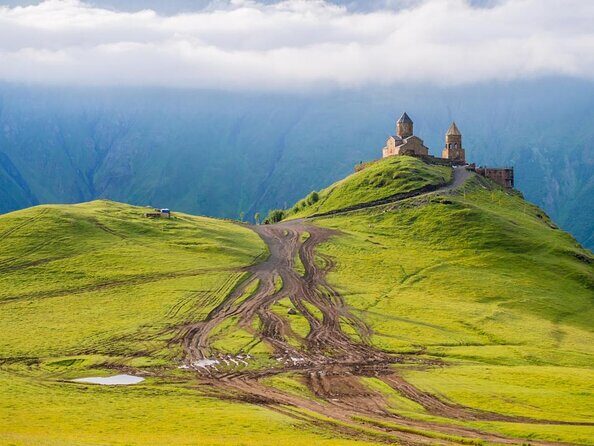
- Narikala Fortress panoramas over the Mtkvari River and Tbilisi rooftops
- Rike–Narikala cable car with big windows and fast, 360° views
- Rike Park’s Georgia-shaped layout and artful walking paths
- Bridge of Peace for classic photos, especially at sunrise/sunset/night
- Abanotubani sulphur baths area is free, baths are optional and cost extra
- Guides named Giorgi and Omar praised for English and answering culture/history questions
How this Tbilisi route keeps your day efficient
This is one of those tours where the order matters. You start at Narikala Fortress, then glide down to the river level via the cable car, and you build your way across the city’s big “greatest hits” zones without wasting time doubling back.
Because it’s a private tour with your own vehicle, you avoid the hassle of coordinating rides between hilltop viewpoints and the Old Town. Bottled water (0.5 l per person) is included too, which sounds small until you’re doing stairs and looking up at churches all afternoon.
The time range (4 to 8 hours) gives you flexibility. If you move quickly, you can cover the essentials; if you like lingering at viewpoints, you’ll naturally end up nearer the longer end.
You can also read our reviews of more city tours in Tbilisi
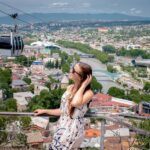

Narikala Fortress and the viewpoint that orients you fast
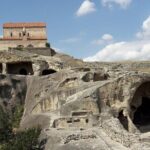
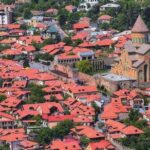
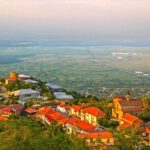
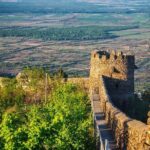
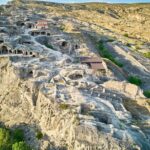
Narikala is the kind of place that helps you understand a city instantly. The fortress sits on a steep hill above Tbilisi and the Mtkvari River, with the fort area described as two walled sections between the sulfur baths side and the botanical gardens side.
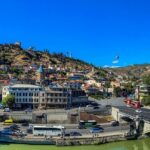
The best part is the orientation. From up there, you see how the river slices through town and why so many key neighborhoods cling to slopes and cliffs. Even if you’re not a “fortress person,” the views do the heavy lifting.
Timing here is about 50 minutes, and it’s worth treating that as your photo window. If you rush, you miss the payoff. If you’re traveling in a group, this is also where a guide’s “where to look” tips really help your eyes find the story behind the buildings.
Rike–Narikala cable car: quick ride, big payoff
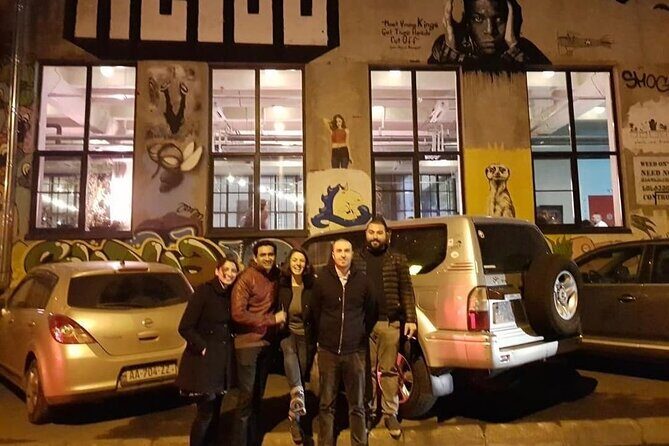
The cable car connects Rike Park on the river’s left bank to the Narikala side. It opened in 2012, and it’s designed for quick access plus views—large windows, a straightforward uphill transfer, and a ride that takes only a couple of minutes.
The ticket cost is small: 1 Lari is listed as the fare, and it’s not included in the tour price. If you’re budgeting, this is one of the easiest “extra costs” to plan for.
Here’s the practical reality: because the ride is short, you’ll want to board with your camera ready and your expectations set. Treat it as a view burst, not a long scenic moment. Once you step out at the top station, you can turn toward either the Kartlis Deda statue (right) or the Narikala Fortress direction (left), depending on what you want next.
Rike Park’s artful design (and why it helps you walk smarter)
After Narikala, you drop toward the riverfront and Rike Park. This park is described as one of the more new, artistically arranged spaces in central Tbilisi, with pathways that, from above, create a large-scale map of Georgia—plus region-themed border meanders.
That detail matters because it changes how you experience the park. Instead of seeing it as “just a nice walkway,” you can look for the design logic as you stroll. And when you connect it with the Bridge of Peace, you start to understand how the riverfront links sightseeing areas.
Rike Park is free to enter and is set up for easy wandering. You’ll likely spend around 40 minutes here, which is just enough time to get your bearings, snap photos, and move on before the day gets too packed.
Bridge of Peace at the right time of day
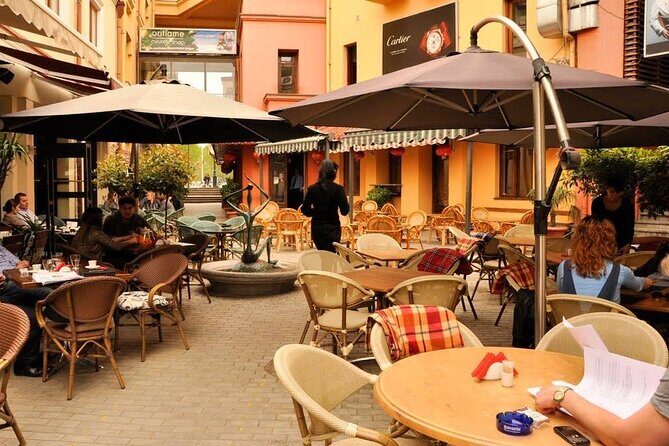
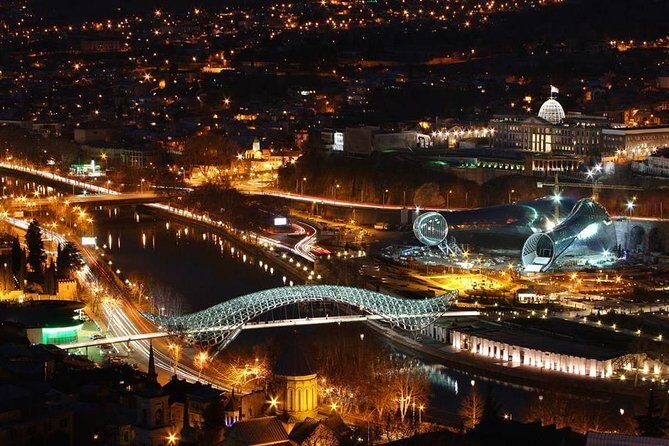
The Bridge of Peace is your connector between the riverfront park area and the “old” side of town. It’s also a viewpoint in its own right, with especially great sights at sunrise, sunset, or night.
The bridge is mentioned as a standout globally for unusual design. The useful takeaway for you is simple: if your schedule is flexible, aim to have at least one short pause here in the lighting that flatters the city.
The tour keeps it to about 20 minutes, so don’t expect a long sit-down. Use that time for a few focused shots, then keep moving. This is a good spot to compare what you saw from Narikala with what you see from the river level.

Abanotubani sulphur baths: do you want the experience or just the atmosphere?
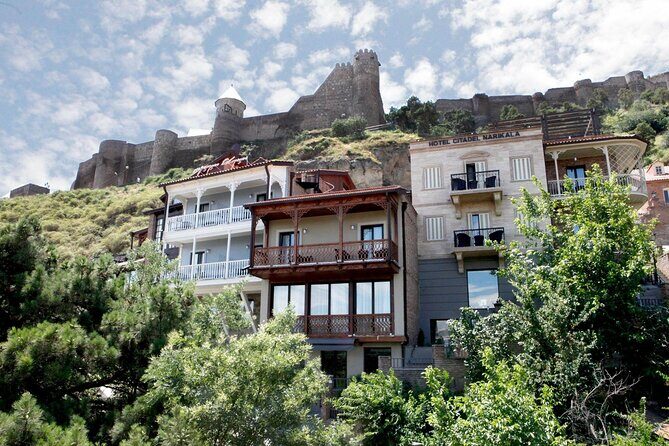
Abanotubani is the area of the famous sulphur baths. The tour frames a bath visit as a must, especially in colder months—October through March—when the idea of warm mineral soak feels extra appealing.
The key money detail: entering the area is free, but the baths themselves are paid, and those costs are not included in the tour price. So you have control. You can enjoy the historic street atmosphere and the steam-and-stone vibe, or you can choose a bath facility and pay for the soak.
Plan about 40 minutes here. That’s enough time to decide if you want the full bath experience, take photos from the right angles, and still stay on schedule for the major church stop next.
If you’re sensitive to strong smells or you’re unsure about changing into a swim setup, treat this as an “optional add-on” rather than a requirement. The area alone is still memorable.
Holy Trinity Cathedral: modern Georgia’s skyline landmark
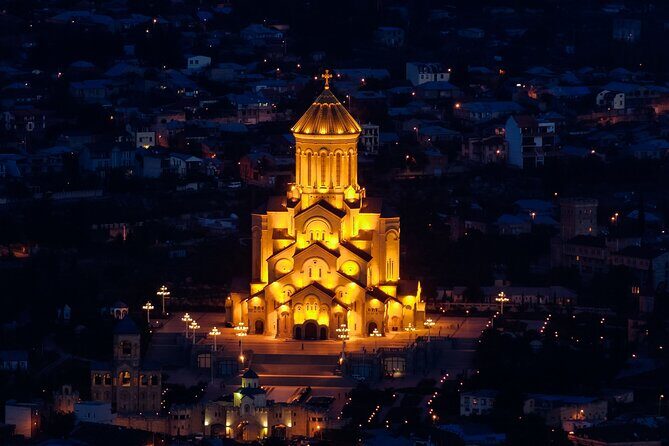
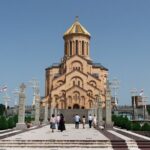
Next comes the Holy Trinity Cathedral, also called Tsminda Sameba. Built in 2004, it’s presented as a symbol of new Georgia, and the scale is the point: it sits on the hill of St. Ilya overlooking the left bank of the Kura River.
The height gets your attention fast: it’s listed as 101 meters high. Even if you keep the stop around 30 minutes, the cathedral is the kind of structure you can’t ignore. From a distance, it anchors the skyline; up close, it changes how you understand the city’s blend of faith, architecture, and modern national identity.
This stop is free to enter by the tour description. If you want a quick win, show up ready to photograph the façade and spend a little time looking up. If you want a slower win, you can use this as a reset from hills and river bridges.
Metekhi neighborhood for river-cliff views and lost-history curiosity
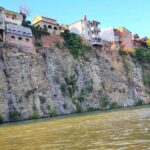
Between the cathedral area and the bridge, the tour includes Metekhi, a neighborhood built on an elevated cliff overlooking the Mtkvari River. It’s tied to Metekhi Church of Assumption, and the name itself is linked to older history: it dates back to the 12th century and literally means area around the palace.
There’s also a tradition mentioned: Saint Shushanik is associated with a burial site here. The tour notes that none of the earlier structures survived the Mongol invasion of 1235.
What you should take from this stop is the perspective. Even without focusing on every historical layer, the cliff location gives you a different angle on the river and city than the parks and bridges do. It’s also a nice “change of mood” moment before you get back into the more recreational side of the route.
Turtle Lake and Mtatsminda: recreation if you’ve got energy left
The itinerary’s last stretch turns toward fun and local-style time outdoors.
Turtle Lake for a laid-back break
Turtle Lake is described as a popular recreation and entertainment place for Tbilisians. The weather note says winter can be mild with light snow, so you might still find it comfortable to wander in colder months.
One highlight is an open-air ethnographic museum on the north slope: it’s described as a miniature model of Georgia. That’s a good option if you want something lighter after churches and fortresses, and it can feel like a “quick cultural sampler” without committing to a long museum visit.
This stop is about 1 hour, and it’s free to enter.
Mtatsminda Amusement Park for skyline fun
Then you head up to Mtatsminda Amusement Park, at the top of Mount Mtatsminda, overlooking Tbilisi. The tour notes that it’s especially spectacular in the evening, which makes sense because you’ll be trading daytime views for night-city glow.
Mtatsminda includes plenty of classic amusement options: carousels, water slides, a roller-coaster, a dark ride, a funicular, and a big Ferris wheel at the edge of the mountain. Entry to the park is free, but attraction fees are not included.
This is one of those stops where your choice matters. If you want rides, you’ll budget extra. If you mainly want views and a stroll, you can still enjoy it without spending on tickets inside.
The tour keeps it to around 2 hours, so you can do a loop, grab a view, and decide how much amusement time you really want.
Price and value: what you’re paying for (and what you aren’t)
The tour price is $40 per person, and it’s for a guided experience that includes major transport and on-the-ground time. The included items are the big value anchors: driver/guide, private vehicle transport, fuel surcharge, parking fee, and bottled water (0.5 l per person). It’s also advertised as having pickup offered and a mobile ticket.
What you’re likely paying extra for:
- Cable car (1 Lari): listed as not included
- Sulphur baths at Abanotubani: area entry is free, baths cost extra and vary by bath
- Lunch: not included
- Mtatsminda rides: free to enter, attraction fees extra
So the value story is this: you’re not mostly buying museum tickets. You’re paying for your guide, logistics, and time savings while you hit a sequence of free-entry landmarks. If you plan to do at least one paid add-on (like a bath or a cable car or a ride), the overall cost still stays reasonable.
If you’re traveling with a small group, the “private tour” angle helps too. Instead of splitting attention with strangers, you can ask questions at each viewpoint and move when the driver thinks the timing is best.
What to expect from the guide and the walking rhythm
The tour’s guides come through in the details. In past feedback, names like Giorgi and Omar show up, and both are described as fluent in English and ready to answer history and culture questions. That matters because Tbilisi is a city where buildings and symbols have layers, and a good guide helps you notice what you’d otherwise miss.
Timing is another reality check. Many stops are short on purpose: about 20 to 50 minutes each. That’s great for seeing a lot, but it also means you can’t expect every viewpoint to turn into a long sit-down.
You’ll want to treat the day like a “move, pause, photograph, continue” schedule. The hills around Narikala and the river cliffs mean comfortable shoes and steady steps. If you need a slower pace, tell your guide early so they can adjust how long you linger at places like the cathedral or the bridge.
Who this private city tour is best for
This tour fits best if you want:
- A tight, guided hit list of Tbilisi’s most recognizable viewpoints
- Easy logistics with pickup, parking, and transport handled
- A day that mixes old-town atmosphere (Abanotubani, Metekhi) with modern landmarks (Holy Trinity Cathedral)
- Optional recreation time at the end (Turtle Lake and Mtatsminda)
It may be less ideal if you’re hoping for a slow, museum-heavy schedule with deep dives. The structure is designed for movement and sightlines, not long stays indoors. Also, because the route involves hilltop areas, it’s best for people who can handle stairs and uneven ground.
Should you book Visit-geo’s Tbilisi city tour?
If you like your sightseeing organized and you want maximum payoff per hour, this is a strong pick. The price works because so many of the key sights are free to enter, while the tour supplies the paid parts that matter most to you: guide, transport, and a smooth sequence between the river level and the hilltop views.
I’d book it if you want a one-day plan that covers Narikala, Rike Park, the Bridge of Peace, a proper stop at Abanotubani, and the cathedral skyline moment, then lets you choose how playful to get at Turtle Lake and Mtatsminda.
I’d skip or reconsider if your priority is a slow pace with lots of downtime, or if you know you’ll struggle with hills and climbing.
FAQ
How long is the Tbilisi city tour?
The duration is listed as 4 to 8 hours, depending on how much time you spend at each stop.
What does the $40 per person price include?
The price includes a driver/guide, private vehicle transport, fuel surcharge, parking fee, and bottled water (0.5 l per person).
Is pickup available?
Yes, pickup is offered.
Are there entrance fees for the stops?
Many major stops are listed as free to enter (fortress grounds, Rike Park, Abanotubani area, Holy Trinity Cathedral, Bridge of Peace, Turtle Lake, and Mtatsminda Park entry). The Rike–Narikala cable car is listed as costing 1 Lari and is not included, and sulphur baths and lunch are not included. Mtatsminda attractions also have fees.
Is this tour private?
Yes. It’s described as a private tour/activity where only your group participates.
When does the tour start?
The start time is listed as 11:30 pm. Confirm the exact time with your booking confirmation/voucher before you plan your day.
Can children join the tour?
Children must be accompanied by an adult.
What is the cancellation policy?
Cancellation is free up to 24 hours in advance for a full refund. If you cancel less than 24 hours before the start time, the amount you paid is not refunded.