REVIEW · TBILISI
Private Walking Tour in Tbilisi and Mtskheta Old Town
Book on Viator →Operated by Giorgi · Bookable on Viator
A good tour in Georgia should move fast, yet still make sense. This one pairs Tbilisi’s oldest churches with Mtskheta’s big hilltop views without turning into a rush job. I like how it mixes sacred sites with the everyday streets you actually walk in.
Two things stand out for me. First, the stop list leans into the layering of Georgia’s past, from Anchiskhati Basilica to the views from Jvari. Second, the pacing feels purposeful: you get city highlights on foot, then a quick private car transfer to Mtskheta, then more walking where the viewpoints matter.
One consideration: it is a 4 to 5 hour program, so comfortable shoes matter. If you hate hills, plan for some stairs and slopes around Narikala and Jvari.
In This Review
- Key Highlights You’ll Care About
- Why Tbilisi and Mtskheta Work So Well Together
- Price and What You Actually Get for $55
- Meeting at Liberty Square and the Private-Paced Walking Plan
- Stop 1: Anchiskhati Basilica and the Start at Tbilisi’s Oldest Core
- Stop 2: Sioni Cathedral and the Surprise of Faiths Side by Side
- Stop 3: Jan Shardeni Street (Chardin Street) for Old and New Daily Life
- Stop 4: Metekhi Cathedral and the Statue of Vakhtang Gorgasali
- Stop 5: The Tbilisi Aerial Tramway for Skyline Views
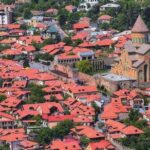
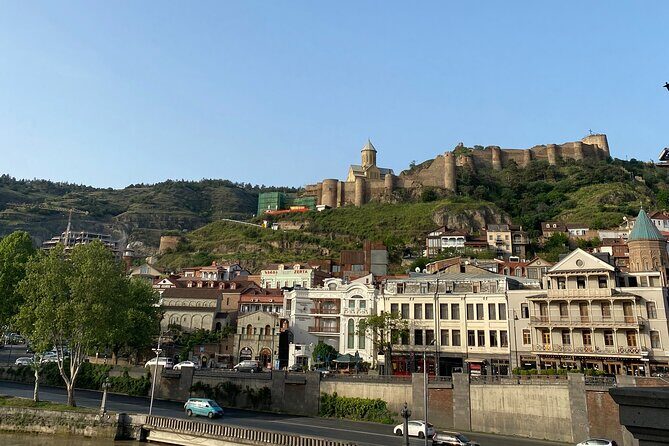
- Stop 6: Narikala Fortress for an Overlooking Moment
- Stop 7: Jvari Church and the Meeting of the Rivers
- Stop 8: Svetitskhoveli Cathedral and the Hills Above Mtskheta
- The Role of the Guide: Giorgi’s History-and-Politics Angle
- Best Fit: Who This Tour Suits (and When It Might Not)
- Should You Book This Private Tbilisi and Mtskheta Walking Tour?
- FAQ
- How long is the tour?
- Where does the tour start?
- Is pickup included?
- Is this tour private?
- What language is the tour offered in?
- Are tickets included?
- Can I cancel for free?
Key Highlights You’ll Care About
- Anchiskhati Basilica for a first taste of Tbilisi’s oldest roots
- Sioni Cathedral area where multiple faiths sit close together
- Jean-Baptiste Chardin Street for the old-and-new street vibe
- Tbilisi Cable Car included for skyline views without extra planning
- Jvari and Svetitskhoveli for Mtskheta’s river-meet viewpoints and cathedral atmosphere
Why Tbilisi and Mtskheta Work So Well Together
Tbilisi and Mtskheta are connected in a way that feels more than geographical. Tbilisi gives you the mix of old streets, churches, and city viewpoints. Mtskheta gives you the sacred “why” behind the region, especially once you’re up on the hills.
This tour is built around that logic. You start in Tbilisi Old Town, then you ride by private car to Mtskheta for the most important stops there. That means you’re not wasting your day trying to stitch together separate trips.
If you only have half a day or you want one guide to hold the story together, this combo is a smart use of time. You’ll walk, look, and understand how the places relate to Georgia’s long timeline.
You can also read our reviews of more walking tours in Tbilisi


Price and What You Actually Get for $55
$55 per person sounds straightforward, but the value comes from what’s included. You get a private, English-guided experience with pickup offered and a mobile ticket. You also get the Tbilisi Cable Car admission included, which is one of those items that can derail your planning when you travel on your own.
Most of the other stops are free at the door. That matters because it keeps the day from turning into a constant “pay again” situation. In practice, you’re paying mainly for the guide, the private flow, and the time saved.
Duration is about 4 to 5 hours. That’s long enough to feel like a real tour, but short enough that you can still keep dinner plans afterward in Tbilisi.
Meeting at Liberty Square and the Private-Paced Walking Plan
The tour starts around Liberty Square, then moves into Tbilisi Old Town on foot. After that, your group transfers to Mtskheta by private car, a ride of about 30 minutes. From the gates of Mtskheta, the tour continues with historical visits on foot and ends back in Tbilisi by car.
This matters because it controls two common travel headaches: finding the right entrance points and timing your movement between zones. You’re not trying to guess which street comes next or how long a viewpoint section will take.
It’s also genuinely private. Only your group participates, so the guide can adjust pacing to your comfort level. And since it’s offered in English, you’re not stuck reading everything from a brochure while you’re standing in front of the real thing.
Stop 1: Anchiskhati Basilica and the Start at Tbilisi’s Oldest Core
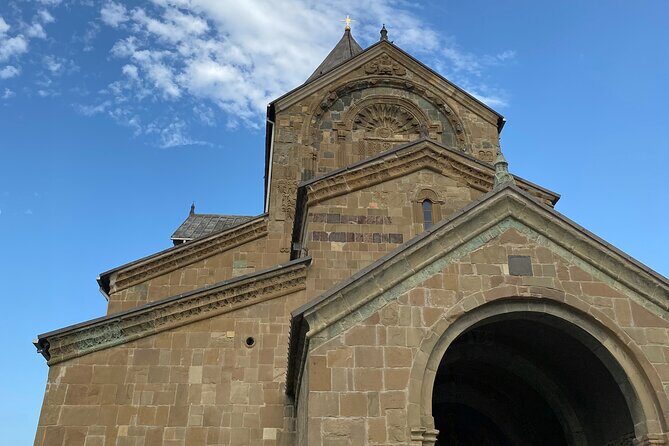
Your first stop is Anchiskhati Basilica, described as the oldest building in Tbilisi. Even if you’re not a church-collector, starting here gives you a time anchor. Before you wander deeper into the city, you’re setting the baseline for what “old” means in Tbilisi.
The visit is short, around 10 minutes, and the admission ticket is free. That’s ideal for an opening stop: quick, meaningful, and not a slow start.
A practical tip: look up and take in the details rather than only the main entrance. In historic churches like this, the surfaces often hold the clues about style and era.
Stop 2: Sioni Cathedral and the Surprise of Faiths Side by Side
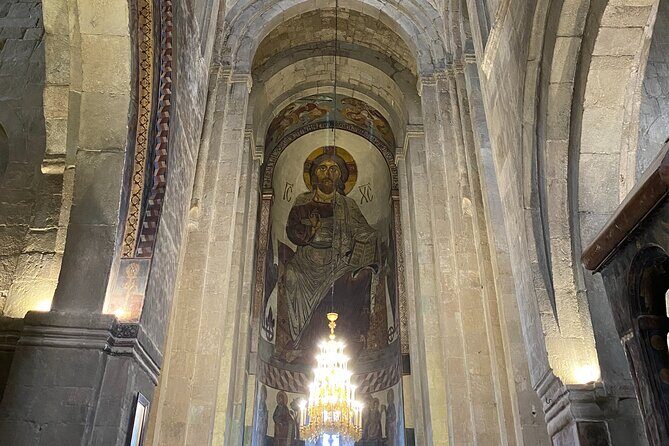
Next is Sioni Cathedral Church, one of Tbilisi’s older sites. What makes this stop more interesting than a typical church visit is the immediate neighborhood around it. You’ll see the cathedral context next to a Muslim mosque, an Armenian church, a Jewish synagogue, and a Catholic church nearby.
This is the kind of place where the city’s history isn’t hidden in a museum. It’s right there on the street level. Even in a short visit, you get a strong visual idea of how different communities have lived close together.
The admission is free, and the stop is about 15 minutes. That’s enough time to look around thoughtfully without the day stretching out too much.
If you’re curious about Georgian history and politics, this neighborhood gives you something tangible. The guide can connect the dots between faith, power, and urban life.
You can also read our reviews of more private tours in Tbilisi





Stop 3: Jan Shardeni Street (Chardin Street) for Old and New Daily Life
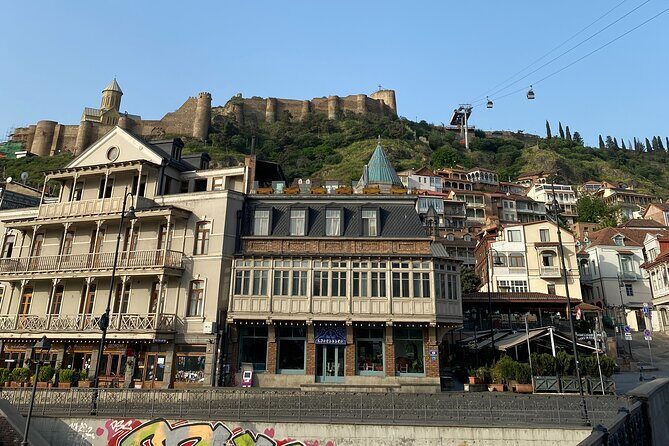
After the cathedrals, you shift from sacred buildings to a street that tells a different story. Jan Shardeni Street is the local name associated with Jean-Baptiste Chardin, and it’s known for the blend of older and newer ways of living.
You’ll spend about 15 minutes here, with free admission. This stop is useful because it resets the mood. You’re walking like a person in the city again, not only moving from monument to monument.
What I like about this kind of street visit is that it helps you picture how locals experience the same streets that tourists photograph. You get that texture that makes the rest of the day feel more real.
Stop 4: Metekhi Cathedral and the Statue of Vakhtang Gorgasali
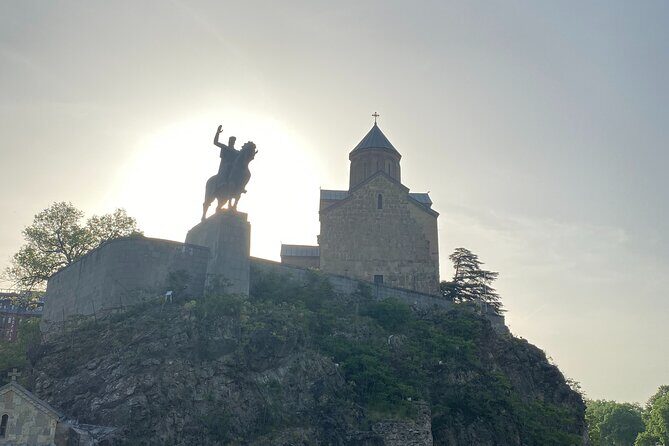
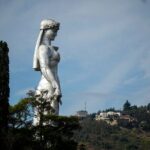
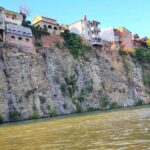
Then you head to Metekhi Cathedral, dedicated to the Virgin Mary, on the left bank of the river Mtkvari. The yard features a statue of King Vakhtang Gorgasali, connected to the 5th century. He’s described here as the builder of the strong castle and the first church in that area.
The time is about 15 minutes, admission free. This stop works well because it blends “place” and “person.” You’re not only seeing a building; you’re also seeing the political figure tied to Tbilisi’s early foundation.
Look toward the river area as you’re there. Even if you only have a short moment, the setting helps you understand why this area mattered strategically.
Stop 5: The Tbilisi Aerial Tramway for Skyline Views
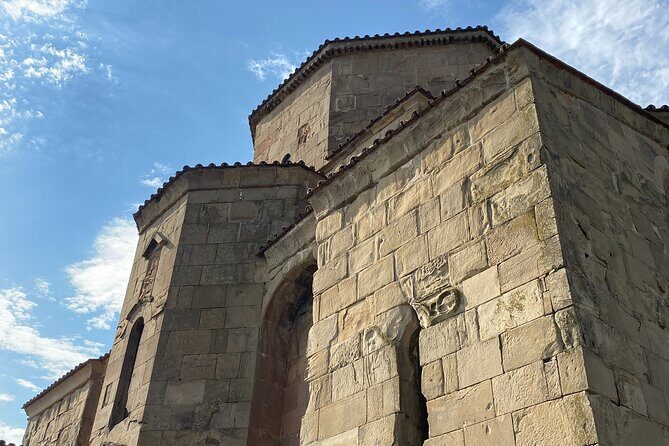
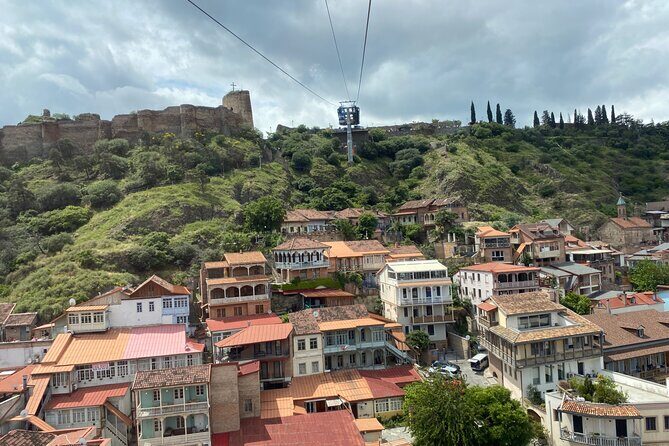
Now you get a break from walking, and it’s a good one. The tour includes the Tbilisi Cable Car, and the admission is included. The stop is around 15 minutes, but the payoff is in the views.
Cable cars are practical in cities with hills. You save time and you avoid unnecessary stair suffering, while still seeing the city from a higher angle.
If you’re the type who likes to orient yourself visually, this is the kind of stop that makes the rest of your sightseeing easier afterward. Once you’ve seen the old town from above, the streets below start making more sense.
Stop 6: Narikala Fortress for an Overlooking Moment
Next comes Narikala Fortress, an ancient fortress above Tbilisi overlooking both the city and the Mtkvari River. The first walls are also linked to Vakhtang Gorgasali in the 5th century, tying you back to the earlier stop’s theme.
This is a longer stop, about 40 minutes, admission free. Forty minutes is just enough to walk a bit, find your preferred view angle, and take photos without rushing.
One consideration: viewpoints here often involve uneven ground or stairs. If you’re traveling with limited mobility, you might find the fortress section more demanding than the churches.
But if you’re okay with that, the reward is big. This is the kind of overlook where Tbilisi stops being a map and turns into a lived-in place.
Stop 7: Jvari Church and the Meeting of the Rivers
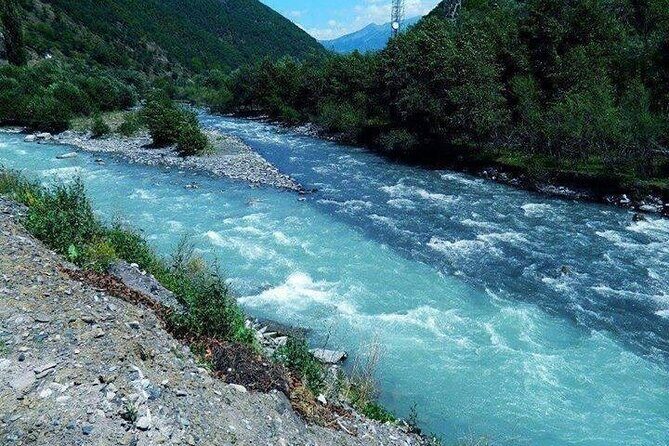
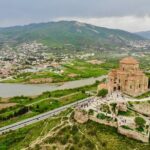
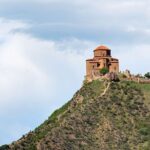
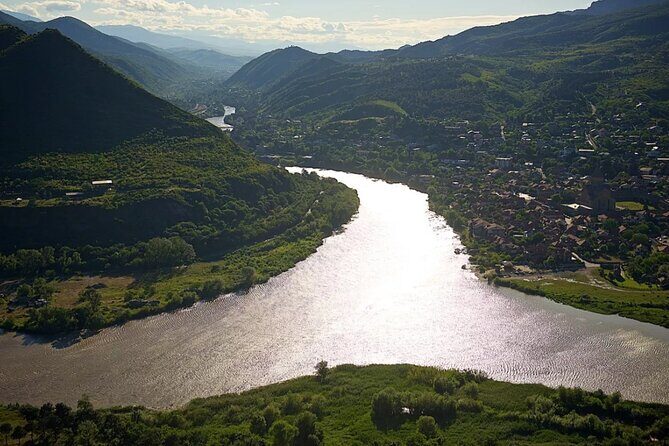
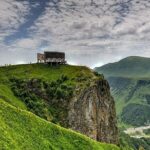
From Tbilisi you move into Mtskheta, and the first major hilltop experience is Jvari Church. The church is described as a 14th-century building with ancient castle walls. The real star is the viewpoint: you can see the meeting of the rivers Mtkvari and Aragvi and look over Mtskheta from above.
The stop is about 1 hour, admission free. That extra time helps because this isn’t a quick photo-and-go spot. You need a little patience to take in the view and to let the hilltop atmosphere sink in.
This is also where the story gets clearer. When you see river confluences from up high, you understand why settlement and faith gathered here. It’s harder to forget a place when you can see the geography that shaped it.
Stop 8: Svetitskhoveli Cathedral and the Hills Above Mtskheta
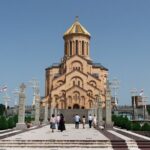
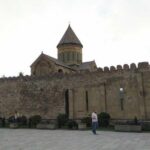
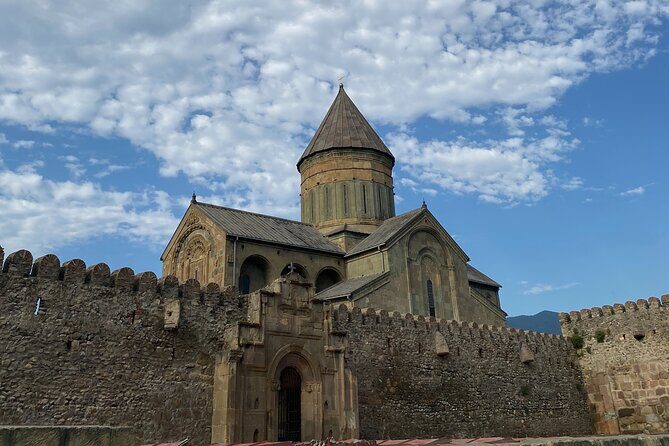
Your final stop in Mtskheta is Svetitskhoveli Cathedral, with a visit to the most ancient capital of Georgia. The tour also includes beautiful sightseeing from the hills associated with the Jvari Monastery viewpoint area.
That’s about 1 hour total for this final stretch, admission free. This stop works especially well if you want the day to end on a sense of meaning rather than just a return-to-city routine.
Practical note: you’ll likely do some uphill walking and be looking around from different angles. Bring water if you’re traveling in warm weather, and keep your phone charged for long-view photos.
If you enjoy understanding how culture ties to geography, ending at Svetitskhoveli makes sense. The cathedral isn’t just a structure; it’s the focal point of the place’s identity.
The Role of the Guide: Giorgi’s History-and-Politics Angle
The tour is led by Giorgi, and the best part of his style, based on how he’s described, is his ability to connect places to the larger story. If you’re interested in history and politics, you’ll likely appreciate that he doesn’t treat monuments like isolated facts.
Instead, the stops connect. Vakhtang Gorgasali links multiple locations across the day. The close-by faiths around Sioni reinforce how layered Tbilisi can be. Then the river meeting view at Jvari ties the whole region back to geography.
That’s the kind of guiding you want when you’re paying for a private experience. You’re not just buying entry points. You’re buying explanation and flow.
Best Fit: Who This Tour Suits (and When It Might Not)
This tour is a strong match if you want:
- A private, English-guided plan with pickup offered
- A mix of churches, fortresses, and viewpoints
- A day that includes both Tbilisi Old Town and Mtskheta without stress
It also makes sense for first-time visitors who want a high-quality overview fast. The stop variety is wide enough to cover the essentials, but the total time stays realistic.
When you might think twice: if you’re extremely sensitive to hills or uneven paths, the Narikala and Jvari areas may feel like too much. The route is manageable for most people, but you do need comfortable shoes.
If your ideal day is only flat strolling with minimal stairs, you might prefer a purely city-center option. But if you can handle a few climbs for better views, this one delivers.
Should You Book This Private Tbilisi and Mtskheta Walking Tour?
Yes, if you want your half-day to feel intentional. This tour combines free entry monuments, one included paid experience (the cable car), and a guide who focuses on history and politics in a way that helps the places click.
Book it if you like walking with a plan, then getting rewarded with viewpoints where the geography matters. The pairing of Tbilisi and Mtskheta is efficient, and the private pacing means you’re less likely to feel rushed.
Skip it only if you strongly prefer flat terrain or you want to spend more time inside a single site. This is a “see and understand” tour, not a long museum session.
FAQ
How long is the tour?
It runs about 4 to 5 hours.
Where does the tour start?
The start is around Liberty Square, then you’ll move into Tbilisi Old Town sites.
Is pickup included?
Pickup is offered at the start of the tour.
Is this tour private?
Yes. It’s private, and only your group participates.
What language is the tour offered in?
It’s offered in English.
Are tickets included?
A mobile ticket is provided, most stop admissions are free, and the Tbilisi Cable Car admission is included.
Can I cancel for free?
Yes, you can cancel for a full refund if you cancel up to 24 hours in advance of the experience’s start time.