REVIEW · TBILISI
Mtskheta – Jvari – Samtavro, the cradle of Georgian Christianity. (group tours)
Book on Viator →Operated by ushba travel · Bookable on Viator
Mtskheta has a way of sticking with you. This group tour lines up three major sites of Georgian Christianity, with an air-conditioned vehicle and a live guide to connect the dots between the churches. I love the efficient route and the way the stops are tied to real people and real stories; the one drawback is that the schedule is tight, so if you want extra time beyond the churches, you’ll feel it.
You start at 12:00 from 3 Vakhtang Gorgasali St in Tbilisi and finish back at the same spot about 5 hours later, for a small group (up to 15). It’s priced at $20 and includes admission tickets, so you’re not doing a last-minute spreadsheet of what costs extra. One practical consideration: the tour is offered in English, but some groups get bilingual delivery, so pay attention when the language switches.
In This Review
- Key highlights you’ll actually care about
- Five hours through Mtskheta’s Christian roots (without the hassle)
- Price and logistics: why $20 feels fair here
- Stop 1: Jvari Church and the walk that sets the tone
- Stop 2: Svetitskhoveli Cathedral, the Pillar of Life-Giving
- Stop 3: Samtavro Convent, Mirian, Nana, and the blackberry miracle
- Timing that keeps you moving, and where it can feel rushed
- Guides can make or break the day (and this one gets high marks)
- Transportation comfort: air-conditioned, but mind the rhythm
- What to wear, what to bring, and how to get the most from 5 hours
- Who this tour is best for
- Should you book Mtskheta–Jvari–Samtavro from Tbilisi?
- FAQ
- How long is the tour?
- What does the tour cost?
- What time does it start, and where do we meet?
- Is the tour offered in English?
- What’s included in the price?
- What’s not included?
- What is the group size limit?
- Can I cancel for a full refund?
Key highlights you’ll actually care about
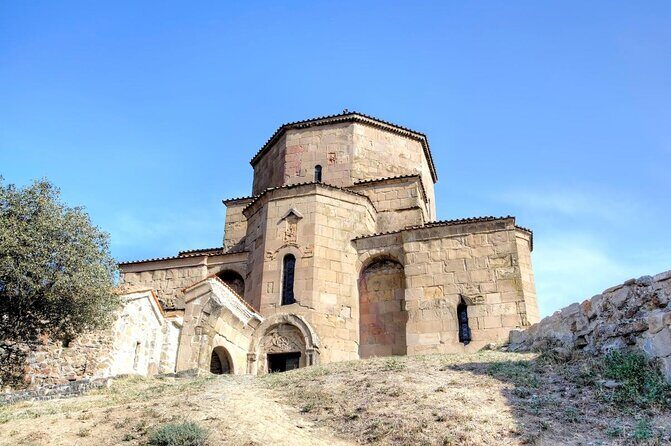
- Jvari viewpoint visit with a story-led walk up to the VI-century temple
- Svetitskhoveli Cathedral visits with included time and ticket for major Christian shrines
- Samtavro’s royal grave site tied to Mirian and Queen Nana, plus relics of Gabriel Samtavrii
- Small group size (max 15) which helps the guide keep everyone together
- Tickets included at each stop, so your $20 covers more than entrance fees alone
- Air-conditioned transport for a comfortable ride out of central Tbilisi
Five hours through Mtskheta’s Christian roots (without the hassle)
This is a focused day trip from Tbilisi that targets the part of Georgia’s story tied to early Christianity. Mtskheta is often described as a cradle, and that’s not just marketing. The tour keeps you moving between three places that each represent a different layer: a landmark viewpoint temple, the patriarchal cathedral, and a convent associated with the first wave of Christian faith.
What you get, in plain terms, is structure. You aren’t left to read signs and guess what matters. A guide leads the walking segments and the church time, and you’re given enough context to understand why these buildings are famous—without turning the day into an exam.
The logistics are also easy. You’re picked up at 12:00 from 3 Vakhtang Gorgasali St, travel by air-conditioned vehicle, and come back to the meeting point when it ends. Dinner isn’t included, so plan to eat after, not during.
You can also read our reviews of more tours and experiences in Tbilisi.



Price and logistics: why $20 feels fair here
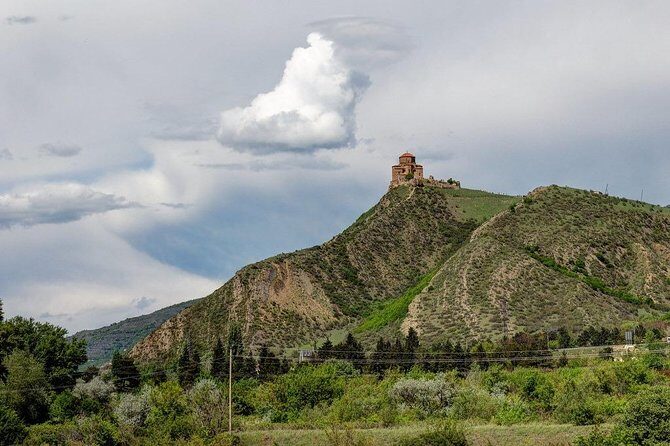
Let’s talk value, because $20 for a “Christianity cradle” tour sounds almost too good until you look closer.
This experience includes:
- Guided time at each major stop
- Admission tickets for Jvari Church, Svetitskhoveli Cathedral, and Samtavro’s Convent
- Air-conditioned transportation in a group setting
So you’re not paying extra on top for entrances. For many day tours, tickets can quietly double the cost. Here, your price is doing the boring but important job of covering what most people would otherwise have to budget for separately.
A couple of review notes also point to what you should expect day-of. The tour is well organized, and the guides tend to be strong on historical context. At the same time, one service gap showed up: the language flow can get mixed in bilingual groups, which can slow down when English explanations start. If you’re sensitive to that, you might want to choose a day when your expectations are flexible.
Stop 1: Jvari Church and the walk that sets the tone
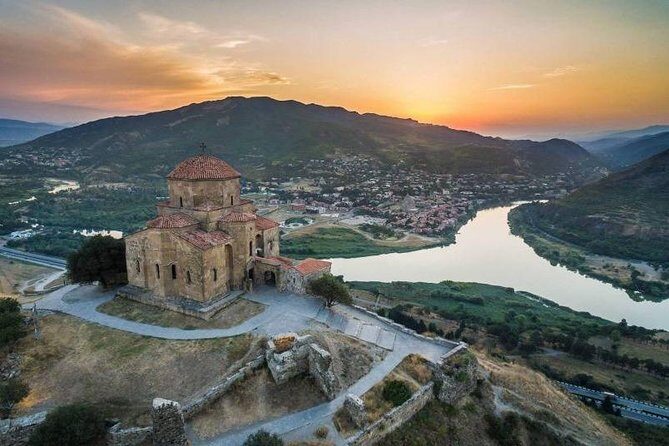
Jvari Church is where the tour starts shaping your mental picture of Mtskheta. You begin the walk at A. Pushkin, M. Lermontov, P. Tchaikovsky, A. Dumas-father, L. Tolstoy—so right away, this isn’t only about ancient faith. It’s also about how later authors and artists helped keep Mtskheta in the cultural spotlight.
Then you turn off the path and walk through places connected to the events described in the famous poem Mtsyri. That matters because it gives the climb a reason beyond scenery. You’re not just walking up; you’re walking through a literary map that overlaps the physical landscape.
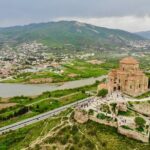
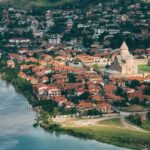
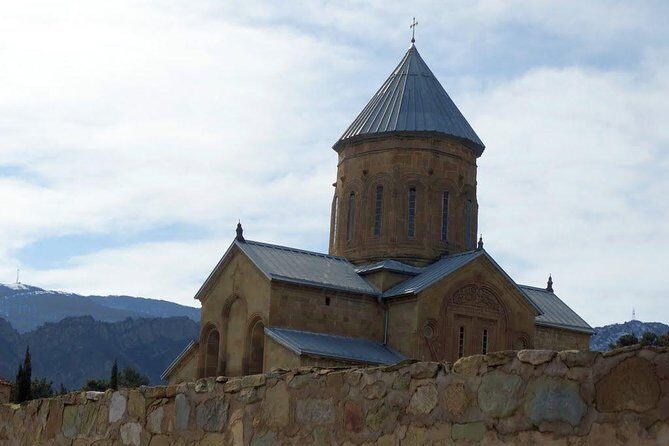
From there, you reach the VI-century Jvari temple. The tour time here is about 40 minutes, including admission. The reward is the view: you’re set up to take in the confluence of the Aragvi and the Kura (the description used on the tour highlights how their waters meet).
A small practical note: a church visit plus a walk to a viewpoint means you should wear shoes that handle uneven ground and steps. Even if you move at a relaxed group pace, the climb is part of the experience.
Stop 2: Svetitskhoveli Cathedral, the Pillar of Life-Giving
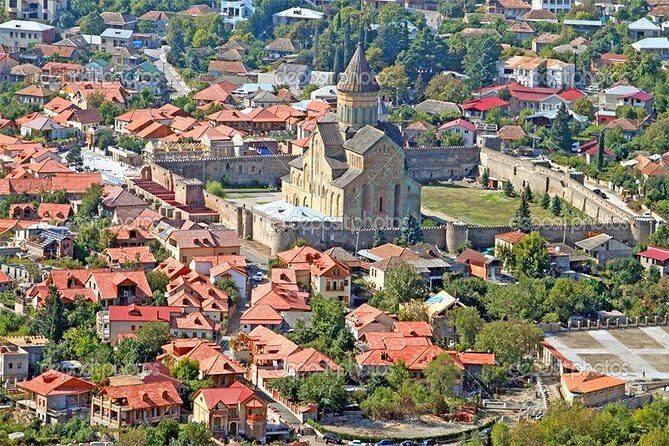
Next comes the anchor stop: Svetitskhoveli Cathedral, often referred to as the Pillar of Life-Giving. This is Mtskheta’s patriarchal cathedral of the Georgian Orthodox Church, and the tour frames it as more than just a pretty building.
Your guide walks you through its history and significant past events, which helps you understand why it’s central to Georgian Christian identity. The time here is about 1 hour 30 minutes, and admission is included.
What makes this stop feel concrete (not abstract) is the focus on specific Christian shrines connected with the cathedral:
- The burial place of the tunic of Jesus Christ
- The mantle of Elijah the Prophet
- The relics of St. Andrew the First-Called
That list is the reason this cathedral draws attention well beyond architecture. Even if you’re not religious, it’s still a powerful way to understand how sacred objects and stories shape a place’s reputation for centuries.
One thing to keep in mind: cathedrals can feel strict or quiet. Dress and behavior matter. Keep your voice low and follow the guide’s pace so you don’t get rushed through what you came to see.
Stop 3: Samtavro Convent, Mirian, Nana, and the blackberry miracle
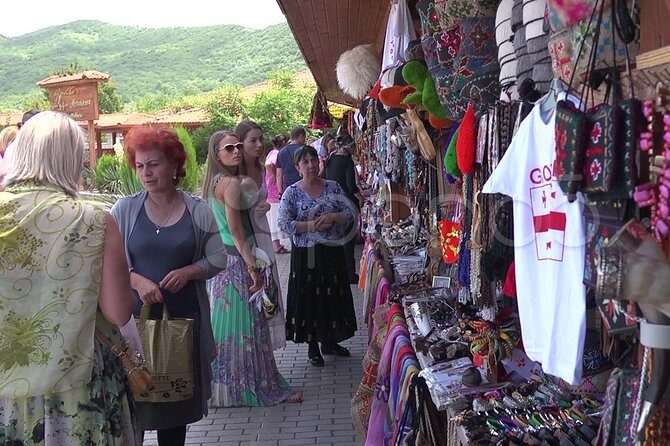
The final stop is Samtavro’s Convent, with a shorter visit time of about 30 minutes (and admission included). It’s a good closing chapter because it shifts from royal-scale cathedral history to a more intimate, devotional story.
You stroll to the Samtavro temple, and here the tour highlights:
- The grave of Mirian, the first Georgian Christian king
- The grave of Queen Nana
- The relics of the holy elder Gabriel Samtavrii
Then the tour adds one of the details that people remember: a blackberry bush connected to the story of St. Nina. The “Blackberry,” repeatedly cut down by barbarians and said to rise again, is presented as miraculous.
Even with limited time, this stop lands because it shows how legend and faith travel through ordinary-looking places, not only grand stone buildings. It also gives you a break from the heavier cathedral focus.
If you tend to like short visits that pack a story rather than a long museum-style lecture, you’ll probably like this final stop. If you want more time, though, you’ll feel the 30-minute limit—especially compared to the cathedral’s 1.5 hours.


Timing that keeps you moving, and where it can feel rushed
The day runs about 5 hours total. That includes:
- the ride out from Tbilisi
- the walk and viewpoint time at Jvari
- the longer cathedral window
- the shorter convent stop
- getting back to the meeting point
This pacing is great if you’re spending only part of your trip in Georgia and want the “core hits” of early Georgian Christianity in one go. It’s also comfortable because the drive is in an air-conditioned vehicle.
Where it can feel less ideal is exactly where the tour is intentionally efficient: you’re seeing three sites, but not linger-browsing. One review note pointed out that if you’re in Georgia for a limited time, the day might feel like it could have included more than two churches. Another note mentioned the tour started later than advertised.
So here’s the practical way to think about it: this is a strong itinerary for people who want an organized, guided overview. If you’re the type who likes to slow down, wander, and add extra stops of your own, you may want to schedule this earlier and leave the rest of your day flexible.
Guides can make or break the day (and this one gets high marks)
A big part of why this tour works is the quality of the guides. Multiple guides are named in feedback, and they consistently get praise for being informative and friendly.
Examples of guide names you might encounter include:
- George (praised for being very informative and with excellent knowledge)
- Liza (praised for delight and for giving valuable context across the three monasteries)
- Ronnie (mentioned positively in connection with guidance)
- Gendeieta (connected with a good way to learn history)
- Nino, Beso, Rolandi, Levani (each mentioned alongside positive organization and experience)
A fun detail from the feedback: one guide was even noted for singing Georgian songs. That’s not a requirement, but it hints at the tone—human, not just robotic facts.
The one caution is about language switching. One response apologized for mixed bilingual delivery in a case where the guide spent time in another language before starting English explanations. Since the tour is offered in English, you can ask at booking what the language practice is for your group, especially if you want very clear English throughout.
Transportation comfort: air-conditioned, but mind the rhythm
The vehicle is air-conditioned, which is a real plus in a hot or long travel day. The tour is capped at 15 travelers, so it’s not a huge coach situation where you can’t hear anything.
There was also a small complaint about driving speed on the return. That doesn’t sound like a consistent theme, but it’s worth noting if you’re sensitive to fast rides. If you prefer slower pacing, you can settle into the middle rows and ask your guide to keep the group calm at stops.
What to wear, what to bring, and how to get the most from 5 hours
You’ll walk at least some parts of the day. The Jvari segment includes turning off the path and going up to the VI-century temple, and the Samtavro stop includes a stroll to the convent.
So do the basics:
- wear comfortable shoes
- bring a small water bottle if you get thirsty during walking parts
- keep your phone charged for photos, since the Jvari viewpoint will likely be your best picture moment
Also, be ready to pause and listen. These churches are quiet spaces, and the guide’s explanation is part of why the tour feels worth the money.
Who this tour is best for
This experience is a strong match if you:
- want a guided, organized overview of major Georgian Christian sites
- prefer a small group
- like history tied to real places (not only dates on a board)
- want included tickets so you avoid extra costs
It may be less ideal if you:
- have only a few hours in Georgia and want to add more non-church time (the schedule is focused)
- need nonstop English without any bilingual switching
- dislike walking segments to viewpoints or between nearby stops
Should you book Mtskheta–Jvari–Samtavro from Tbilisi?
If you want an efficient hit list of Mtskheta’s key Christian landmarks, this is easy to recommend. The combination of included admission tickets, a qualified guide, and air-conditioned transport makes the $20 price feel genuinely practical, not gimmicky.
I’d especially book it if you value context. Jvari, Svetitskhoveli, and Samtavro each tell a different story, and the guide helps you connect those stories without you doing extra reading later.
Skip it only if your top priority is free time or exploring beyond churches. This tour is designed to cover the big names, not to wander the whole region at your own pace. If that sounds right for you, you’ll likely leave with a clear sense of why Mtskheta earned its reputation.
FAQ
How long is the tour?
The tour runs for about 5 hours.
What does the tour cost?
It costs $20.00 per person.
What time does it start, and where do we meet?
It starts at 12:00 pm and the meeting point is 3 Vakhtang Gorgasali St, Tbilisi 0105, Georgia.
Is the tour offered in English?
The tour is offered in English, and confirmation is received at booking.
What’s included in the price?
The price includes an air-conditioned vehicle, a highly qualified guide, and admission tickets at the stops.
What’s not included?
Dinner is not included.
What is the group size limit?
The tour has a maximum of 15 travelers.
Can I cancel for a full refund?
Yes. Free cancellation is available if you cancel up to 24 hours in advance for a full refund.