REVIEW · TBILISI
From Tbilisi: Vardzia, Rabati Castle & Borjomi Tour with Guide
Book on Viator →Operated by Dream Tours · Bookable on Viator
A cave monastery, a castle on a hill, and mineral water in one day. I like how this tour strings together three iconic stops with a guide who can make the stories click, and I like that you get built-in free time to recharge at Borjomi. One thing to plan around: it’s a long day on the road, and the ride can feel tight depending on how the group fits in the vehicle.
You start early from the Opera and Ballet Theater area, and you’re back there at the end—so it’s easier than trying to connect everything yourself. You’ll travel with a guide plus transportation, there’s space for up to 40KG of luggage, and food is mostly on your own (though lunch is scheduled). The potential drawback is simple: if you hate time on buses, or you’re expecting lots of detailed English commentary the whole way, you may want to set expectations.
In This Review
- Key highlights at a glance
- The 7:00 am start and why it matters
- Borjomi Central Park: mineral water under the blue dome
- Rabati Castle in Akhaltsikhe: a hilltop story you can walk
- Vardzia cave monastery: churches, murals, and the sheer scale
- Lunch break and how to budget your day
- Transportation reality: packed days, tight seating, and luggage
- Price and value: what $37 really buys you
- Who this tour fits best (and who should skip it)
- Should you book the Borjomi, Rabati Castle & Vardzia tour?
- FAQ
- What time does the tour start?
- Where is the meeting point and where do I end up?
- How long is the tour?
- What stops are included?
- Is food included?
- Are there optional activities during free time at Borjomi?
- What is included in the price besides the guide?
- How big is the group?
Key highlights at a glance
- Borjomi mineral water break in the central park under the blue dome
- Rabati Castle history in Akhaltsikhe, including the fall into ruin and a modern renovation
- Vardzia cave monastery with churches, murals, and the scale of its storage/wine network
- Guide-led pacing so you spend less time guessing and more time seeing
- Free time options at Borjomi like cable car or adventure activities at your own expense
The 7:00 am start and why it matters
This tour kicks off at 7:00 am from the Opera and Ballet Theater on Shota Rustaveli Ave. That early start is not just for show. You’re covering Borjomi, Akhaltsikhe (for Rabati Castle), and then Vardzia, which means the clock matters if you want enough time at each site rather than racing through everything.
The drive itself is a big part of the experience. Even though the tour is listed at about 10 hours, I’d treat it as a long day overall, because road conditions and timing can stretch things out. The good news is there are regular stops built into the day, and you’ll also get a proper lunch break at a restaurant (your own expense).
If you’re the type who likes to wake up and go, this tour style fits well. If you prefer slow mornings and late starts, you’ll feel the early departure.
You can also read our reviews of more guided tours in Tbilisi
Borjomi Central Park: mineral water under the blue dome
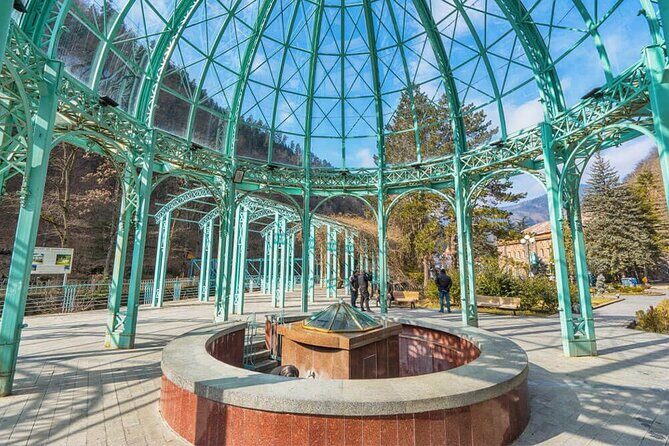
Your first real stop is Borjomi Central Park, where you can try the town’s famous mineral water. The standout detail here is the setting: the mineral water area is under the park’s blue dome, so it feels like you’ve stepped into a special ritual space, not just a random tap.
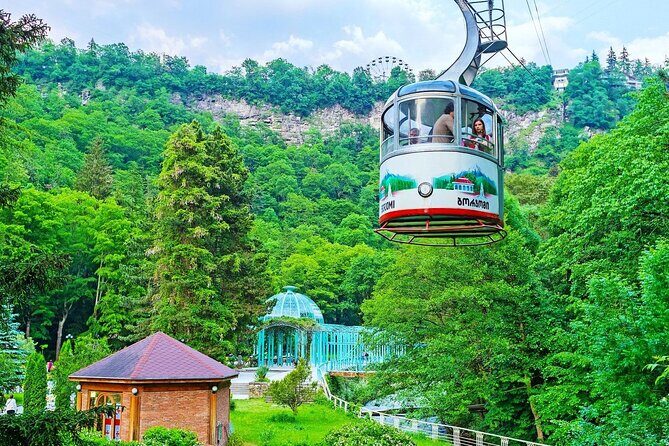
This is a good place to get oriented, too. You’ll have time to stretch your legs, walk the park, and try the water—then choose what you want to do next with your free time. Options are there if you feel active: the cable car is available, and there are other activities you can pay for yourself, like horse riding, rafting, or a quadricycle tour.
Here’s what I think makes the Borjomi break valuable: it breaks up the travel. After Tbilisi-to-the-countryside driving, this is a chance to slow down for a bit in a scenic, known spot. Even if you don’t do the cable car or the adventure options, simply getting your bearings in the park helps the rest of the day feel more manageable.
Practical note: since food and drinks are not included (and the listing gives an average estimate for meals), you’ll likely want to decide early whether you’ll grab something casual while you’re there or wait for lunch later.
Rabati Castle in Akhaltsikhe: a hilltop story you can walk
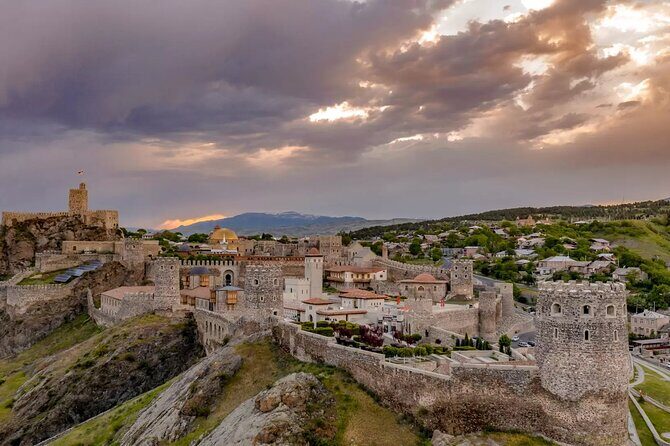
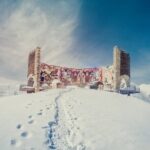
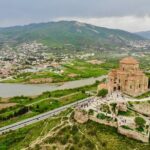
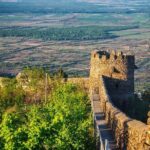
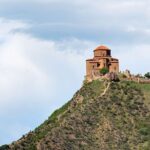
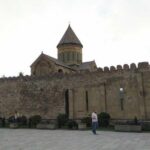
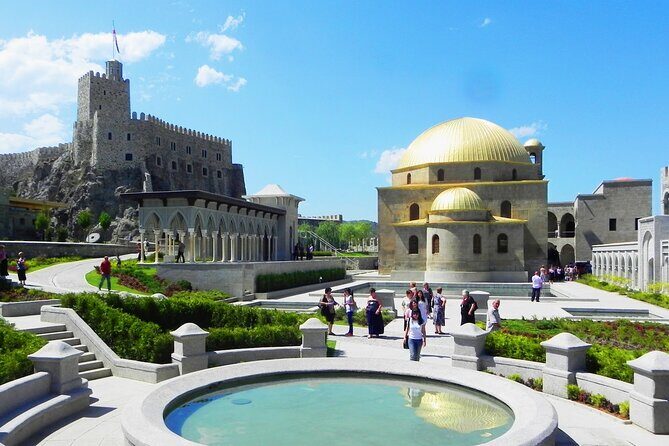
Next up is Rabati Castle, up at the highest point in Akhaltsikhe. Even from the outside, castles like this make you pay attention. The walls and elevated position are part of the story—they help you understand why rulers cared so much about control and visibility.
Your guide will explain Rabati’s history, including a key turning point: the fortress slowly fell into ruin after being taken by the Russian Imperial Army during the Russo-Turkish War (1828–1829). Then comes another major chapter—Rabati was completely renovated in 2011–2012, which means you’re not only seeing ancient stone. You’re also seeing how restoration can reshape how a place feels and how it’s presented today.
What you’ll likely enjoy most here is moving through the castle grounds at a comfortable pace with context. With a guided day tour, you’re not stuck reading alone on a windy hill. You get the big beats of the timeline, so the physical layout makes sense.
Possible drawback: because this day is packed, Rabati can feel like one of the “you’ve got time to see it, not time to linger forever” stops. If you’re the kind of person who likes to study architecture for hours, you may wish you had more time. Still, for a one-day route, it’s a strong middle stop—less fragile than cave sites and easier to enjoy without rushing.
Vardzia cave monastery: churches, murals, and the sheer scale
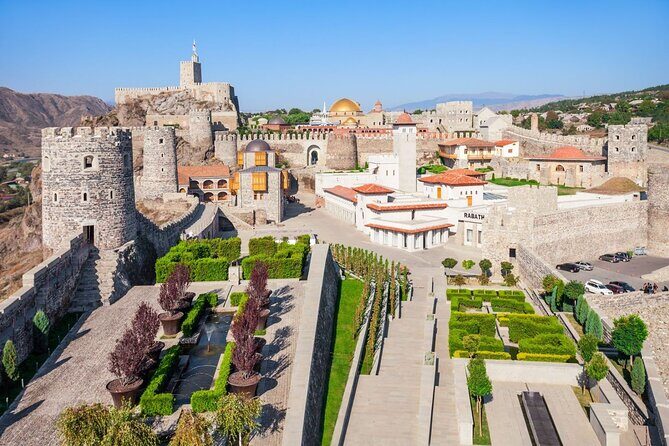
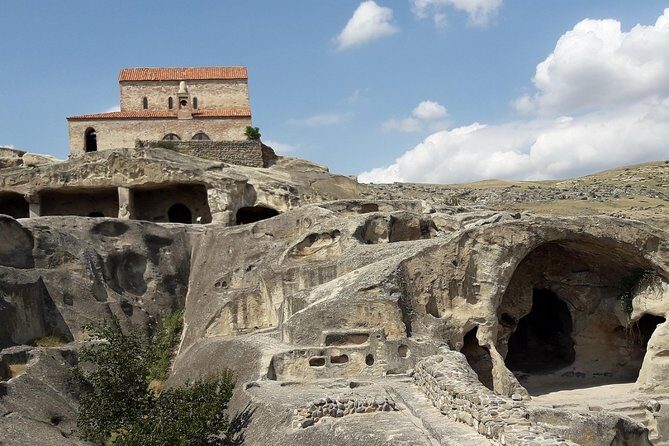
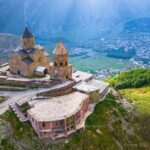
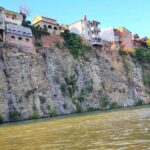
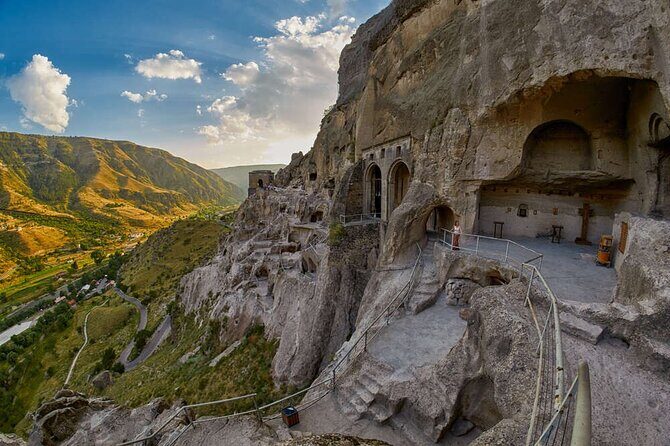
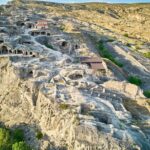
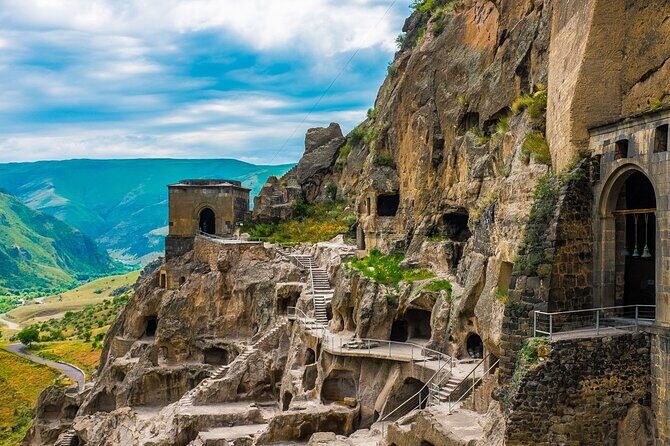
Later, you continue to Vardzia, the cave monastery complex carved into rock by builders in the 12th–13th centuries. This is one of Georgia’s most visually dramatic historical places, and the key word is carved. Vardzia isn’t a museum building. It’s part architecture, part geology, all in one.
The story begins with its original purpose: construction started as a fortress. Later, it became a fortified monastery under Queen Tamar. That shift matters because it changes what you’re seeing. You’re not just looking at rooms; you’re looking at a defensive system that also served religious life.
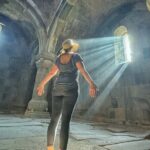
Inside Vardzia, one of the headliners is the Assumption of Mary Church, one of the monastery’s 15 churches. This is also where mural art from the monastery’s era shows up—there’s a beautiful mural depicting Giorgi III, Queen Tamar, and other nobles from the period when the monastery was built.
The scale of Vardzia is what really surprises people. The complex includes 600 storage facilities, refectories, shacks/pantries, backup storages, plus 25 wine cellars and 185 wine jars. Even without getting lost in every number, those figures make a point: this wasn’t a small retreat. It was a working community that produced, stored, and organized life for long stretches.
What you’ll likely do during your time there is follow the main areas with your guide, then take a breather as you look out over the cave landscape. Try not to treat it like a quick photo stop. Vardzia rewards slow looking—especially if you pay attention to how spaces connect and how the monastery sits in relation to the cliff face.
One consideration: cave monasteries can mean lots of steps, uneven footing, and open-air sections. Wear shoes you trust. Bring water if you tend to get thirsty in the heat—since meals are on your own, you’ll want hydration to be your responsibility.
Lunch break and how to budget your day
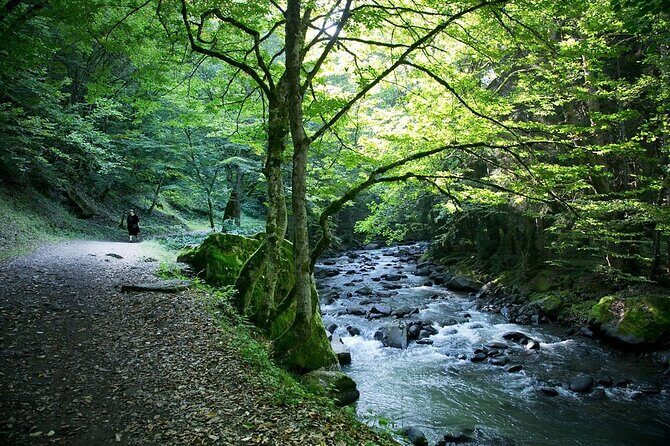
The day includes a stop during the day for lunch at a restaurant, but food and drink are not included. The listing gives an average estimate of about $8 per person, and it notes that your final cost depends on what you order.
In practice, that means you should think of lunch as part of your overall travel budget—not an afterthought. If you’re traveling as a group, it’s smart to agree on a rough spending plan so you’re not stressed when ordering comes around.
Also, remember that you’ll already be spending your time in multiple places—so choose something you can eat quickly and comfortably, then get back to walking. When a tour day is long, heavy meals or long waits can steal time from the sites you came for.

Transportation reality: packed days, tight seating, and luggage
This tour includes transportation from Tbilisi to the sites and back. It also explicitly offers space for 40KG luggage, which is helpful if you’re carrying a larger bag rather than just a daypack.
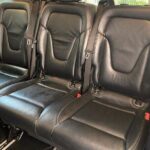
Still, transportation comfort can be a variable depending on how the group size maxes out at 18 and how the vehicle is configured. One review experience pointed out that the vehicle may feel very packed, with very tight front-row seating where two people might share the narrow space. I can’t promise every departure will feel like that, but it’s a fair warning: if comfort is your top priority, go in expecting a bus day rather than a private-car ride.
The upside is that even in a packed schedule, the tour is built around regular stops and a planned lunch break. That’s not a small detail. For a route like this—Borjomi to Rabati to Vardzia—you want breaks built into the plan rather than improvising them.
My practical tip: bring something for the ride (water bottle, a light snack if allowed in your plans, and layers). Morning starts can be cool, then you’re suddenly in warmer conditions later.
Price and value: what $37 really buys you
At $37 per person, this tour sits in the “good deal if you want a lot of sightseeing with a guide” category. You’re paying for four things bundled together: a guide, transportation, luggage space, and free time at Borjomi for optional activities.
The value part is not the price alone—it’s how you save time. Without a tour, you’d still need to organize day transport, figure out logistics across three different areas, and figure out what to see at each stop. Here, the guide’s role is especially important at Rabati Castle and Vardzia, where the context (who built it, why it changed, what you’re looking at) can transform the experience from random sightseeing into meaningful understanding.
Where you’ll likely spend extra:
- Meals and drinks during the day (lunch on your own, plus any stops)
- Optional activities at Borjomi (cable car, horse riding, rafting, quadricycle)
- Any personal extras you choose once you’re there
So the smart way to judge value is simple: if you want one organized day that hits major highlights, this is priced in a way that makes sense. If you already know you’ll skip optional activities and you prefer self-paced travel, you might be able to do some parts independently for less—though you’d still pay the time and hassle tax.
Who this tour fits best (and who should skip it)
This tour works best if you’re:
- Short on time in Georgia and want major sights in one day
- Interested in guided context for Rabati Castle and Vardzia
- Comfortable with early mornings and long drives
It may be less ideal if you:
- Strongly dislike being on the road for most of the day
- Need lots of space and quiet during transit
- Expect a nonstop, deeply detailed English lecture at every single stop (language pacing can vary)
If your group includes people who love history, this route is naturally a good match. And if you like mixing spiritual sites with a fun nature-town break, Borjomi gives you that balance before the cave monastery heavy-hitter.
Should you book the Borjomi, Rabati Castle & Vardzia tour?
I’d book this tour if you want an efficient, well-structured day that hits three of the most famous places near Tbilisi and you’re okay with a long schedule. The guide service makes a real difference at Rabati Castle and Vardzia, and the Borjomi mineral water stop is a satisfying change of pace.
I’d think twice if your priority is comfort in transit or if you’re very sensitive to long travel days. The tour is affordable, but it’s built for sightseeing volume, not luxury pacing.
If you do book, go in prepared: wear good shoes for Vardzia, budget for lunch and drinks, and plan your Borjomi free time based on how active you want your day to feel.
FAQ
What time does the tour start?
The tour starts at 7:00 am and meets at the Opera and Ballet Theater of Tbilisi on Shota Rustaveli Ave.
Where is the meeting point and where do I end up?
You meet at the Opera and Ballet Theater of Tbilisi (25 Shota Rustaveli Ave) and the tour ends back at the same meeting point.
How long is the tour?
The tour is listed as about 10 hours, though a long day on the road is normal for this route.
What stops are included?
The tour visits Borjomi Central Park, Rabati Castle in Akhaltsikhe, and Vardzia cave monastery.
Is food included?
Food and drink costs are not included. Lunch is part of the day but you pay for what you order.
Are there optional activities during free time at Borjomi?
Yes. You’ll have free time at Borjomi, and you can choose optional activities like taking the cable car or doing activities such as horse riding, rafting, or a quadricycle tour at your own expense.
What is included in the price besides the guide?
The price includes guide service and transportation service, plus space for up to 40KG of luggage.
How big is the group?
This tour has a maximum of 18 travelers.