REVIEW · TBILISI
Wine Tasting Tour in Georgia’s Cradle of Wine
Book on Viator →Operated by Your Friendly Guide - Tours in Georgia · Bookable on Viator
A wine route with built-in culture. This 5-day Tbilisi to Kakheti tour mixes church history, hilltop towns, hands-on food moments, and lots of Georgia wine—often hitting up to a dozen local samples.
I especially like the tight pacing: mornings are for iconic places, afternoons are for tastings and workshops, and evenings are for real Georgian tables. I also like that the stops cover different styles, from natural wines to kvevri-made varieties and even chacha.
One watch-out: it’s a full program with long driving days, so if you want a slow vacation, you may find the schedule a bit intense.
Key things I’d circle before you book
- Up to a dozen wine types across several wineries, not just one “big tasting.”
- Serious cultural stops like Bodbe, Gremi, Alaverdi, and Telavi with a guide to connect the dots.
- Hands-on Georgian food skills: khachapuri and churchkhela masterclasses.
- Cultural-meets-rural dining at family wineries and community-driven spots like Lamara’s.
- A genuine mix of drink styles: wine, natural wine tastings, beer (Lost Ridge), and chacha.
In This Review
- The Kakheti Route Makes the Wine Feel Personal
- Day 1: Bodbe Monastery, Signagi Walls, and Dinner by a Silk-and-Herbs Family
- Day 2: Signagi Museum, Khachapuri and Churchkhela, Horses, Beer, and Pheasant’s Tears Natural Wine
- Day 3: Churchkhela Workshop, Khareba’s Tunnel Cellars, and a Big Winery Session
- Day 4: Gremi, Alaverdi, Telavi Walks, and a Tushetian Winemaker Lunch
- Day 5: Kvevri Workshop, Chacha Tasting, Biodynamic Vineyards, and Back to Tbilisi
- Price and Value: Is $923.08 Worth It?
- Who This Tour Fits Best (and Who Might Prefer Something Else)
- Should You Book This Kakheti Wine Tasting Tour?
- FAQ
- How many days is the Georgia Cradle of Wine tasting tour?
- Where does the tour start and end?
- Is pickup available?
- Is this a private tour?
- What’s included in the tour price?
- Do you taste a lot of wine during the trip?
- Are meals included?
- Is there anything besides wine tastings?
- Can the tour handle vegetarian or pescatarian diets?
- What happens if weather is poor or you need to cancel?
The Kakheti Route Makes the Wine Feel Personal
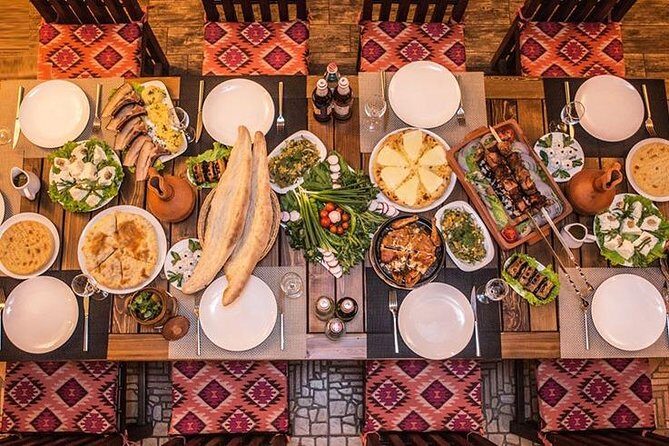
Georgia’s wine story isn’t one neat museum exhibit. It’s old churches, family cellars, hillside towns, and people who treat food and drink like part of everyday life. That’s exactly why this route works. You’re not just sampling wine—you’re getting the setting that created it.
You start and finish in Tbilisi, then head into Kakheti, the heart of Georgia’s wine country. The big advantage here is variety. One day you’re in and around Signagi, another day you’re at major monastery sites like Alaverdi, and multiple days include tastings in different cellar styles.
And yes, you will drink. The tour is built for wine tasting first, but it doesn’t ignore the rest of Georgia. You’ll also get local cuisine, craft and food workshops, and time in historic towns.
Day 1: Bodbe Monastery, Signagi Walls, and Dinner by a Silk-and-Herbs Family
Day 1 is a classic Kakheti opener: start with a major spiritual site, then slide into a town built for defense and views.
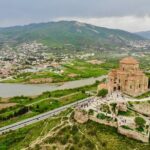
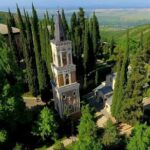
You begin with breakfast, then drive toward Bodbe Monastery. It’s tied to the legend of Saint Nino, who is said to have died there in 335. The site has layers: an earlier temple that didn’t survive, and then an 850 cathedral replacing it. Inside, you’ll see 9th-century paintings plus fragments from later frescoes (12th to 17th centuries). Even if churches aren’t your main interest, this stop gives context for how long Georgia’s cultural identity has been written in stone.
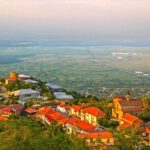
Next comes Signagi, a small but famous fortified town high above the Alazani Valley. Signagi’s walls and 28 towers, built in the 18th century under King Erekle II, were meant to protect against invasion. The streets still feel like the old town image that hasn’t been flattened into modern shortcuts.
Lunch is in a local wine maker’s restaurant with mountain and valley views. That’s not just a pretty backdrop—it sets up the whole reason people plant vines here: terrain, exposure, and the long growing season implied by the region’s geography.
In the evening, dinner is a standout: Lamara’s in a nearby village. The host is described as an energetic woman with a silkworm farm who also knows herbal medicine and traditional cosmetics from her ancestors. The dinner is presented as both generous and expertly cooked. This is the kind of meal that makes the wine feel less like a product and more like culture.
Consideration: Day 1 is not just sightseeing. Between monastery time, town walking, and a full dinner experience, you’ll likely want to take it easy at check-in and get a good sleep.
You can also read our reviews of more food & drink experiences in Tbilisi


Day 2: Signagi Museum, Khachapuri and Churchkhela, Horses, Beer, and Pheasant’s Tears Natural Wine
Day 2 keeps you in Signagi for a full day with a mix of art, food, and drinking.
You start with breakfast, then have a free morning block. That’s a good choice if you want to linger in the town center, take photos from viewpoints, or just recover a little before the next round of tastings.
The tour includes the Signagi Museum of Arts, Culture, and History. It’s a practical stop—useful for understanding what you’re seeing outside. When the guide connects museum details to the town streets and wine-growing life, everything clicks faster.
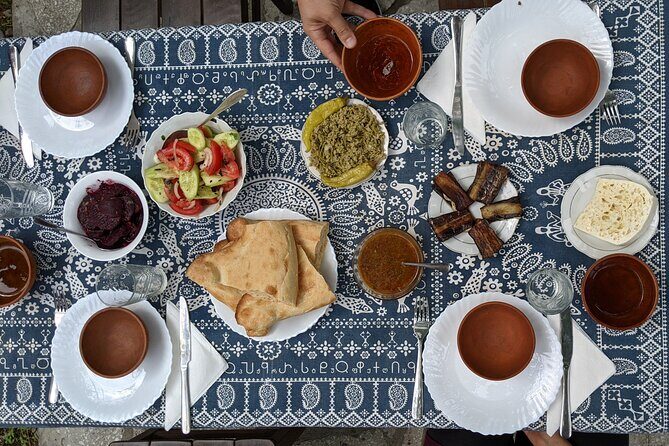
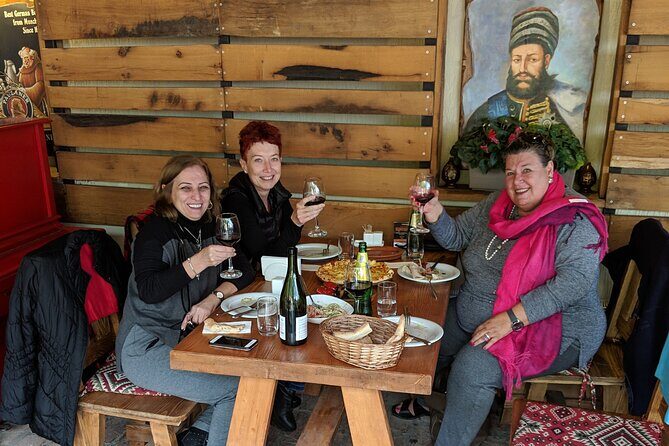
Then comes one of the most useful parts of the whole tour: cooking instruction. You’ll have lunch with a local family and a khachapuri masterclass, plus local wine. Khachapuri matters here because Georgian meals aren’t a side quest; they’re how flavors match wine.
Later, there’s an option at a nearby ranch where you can hire horses and ride for an hour. If you like animals and open-air time, it’s a nice break from cellar rooms and tasting benches.
Next is Lost Ridge Brewery for locally produced beer. Not every wine tour offers a beer detour, and it’s a smart one. You get a different fermentation story and something lighter if you want variety during a long day.
Finally, you end at Pheasants Tears winery, tied to artist-wine-maker John Wurdeman. The visit includes a carpet shop and picture gallery, which is a reminder that local wineries often support wider creative community—not only wine production. The day finishes with a special dinner and wine tasting focused on natural wines and seasonal dishes made from local and organic products.
What I like about this day: it balances wine with food skills and other drinks. You don’t feel stuck in a single flavor track.
Day 3: Churchkhela Workshop, Khareba’s Tunnel Cellars, and a Big Winery Session

Day 3 shifts from Signagi to the next layer of Kakheti wine life.
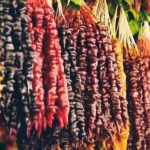
After breakfast, you drive to Bakurtsikhe village for a local family winery visit. This is where you’ll take part in a churchkhela masterclass—those candy-like Georgian snacks made with nuts and grape must. You’ll also taste their wine. It’s a great pairing: you learn the tradition behind a beloved grape-based product, then you taste what the grapes are doing in liquid form.
Then you move to Khareba, a large winery stop with a dramatic approach. You’ll enter a tunnel where the wine cellar is located, which helps make the scale feel real. From there, you get a guided session and taste three or more wine types. Big winery tastings can sometimes feel scripted, but the guided piece matters. It gives you language to describe what you’re tasting, not just what it tastes like.
Lunch happens at Khareba Restaurant, then you check into a 3-star hotel (Chateau Kvareli or similar) and rest before dinner at your hotel restaurant.
Consideration: This is the day where wine volume can climb fast—workshops, then multiple tastings in a major cellar environment. Plan to drink slowly and eat well, because the food is part of the experience, not filler.
Day 4: Gremi, Alaverdi, Telavi Walks, and a Tushetian Winemaker Lunch
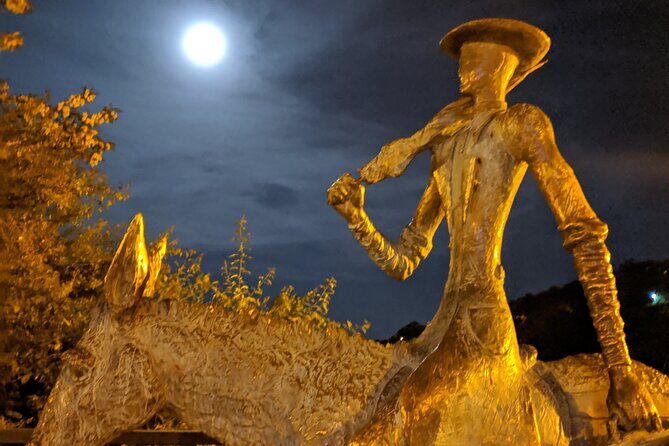
Day 4 is about Georgian heritage in architecture—then it gets personal again with wine and food from a specific culinary identity.
You begin with visits to the Gremi Church complex and Alaverdi Monastery. The timing here is the whole point: Gremi includes architectural works from the 11th century, and Alaverdi is described as spanning 11th to 17th centuries. If you like seeing how buildings reflect changing eras, this will be satisfying. Even if you’re not a history buff, these stops give the tour a sense of depth beyond wine cellars.
Lunch is in Alvani village, where you meet a young winemaker from Tusheti. You’ll taste his wines and also try Tushetian Guda cheese along with traditional Tushetian dishes. This is one of those moments that makes Georgia feel like a mosaic of regional traditions rather than one single “Georgia flavor.”
After lunch, you drive to Telavi, the former capital of the Kakhetian kingdom. You’ll walk around old Telavi and visit the King Erekle II Palace. This helps explain why Erekle II keeps showing up—he’s a thread connecting fortifications, cultural survival, and how towns were shaped for defense and governance.
Dinner is in a local restaurant or family setting, and you stay overnight at Alazani Valley Hotel or similar.
Why this day is valuable: it reminds you that wine isn’t separate from politics, faith, and regional food culture. Georgia’s wine history is tied to lived history, not just vineyards.
Day 5: Kvevri Workshop, Chacha Tasting, Biodynamic Vineyards, and Back to Tbilisi
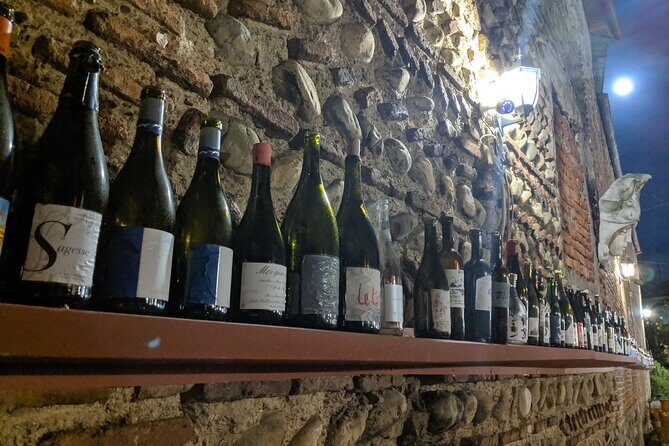
Day 5 is shorter than the full days but packed with hands-on winecraft.
You start by visiting a kvevri maker’s workshop. Kvevris are the traditional underground storage vessels, and the tour includes seeing how these vessels are made. You’ll also taste the master’s homemade wine and chacha. This part is ideal if you’ve ever wondered how Georgia stores wine differently from the rest of the world. Even a brief workshop visit can change how you understand what you’re tasting later.
Then you drive to Ruispiri village for a stop at biodynamic vineyards. A local young wine maker hosts you and explains biodynamic winemaking, followed by lunch and a tasting in Ruispiri. Biodynamic practices aren’t explained in a “buzzword” way here; you’re given the idea through the winemaker’s own language.
After lunch and tasting, you head back to Tbilisi, ending back at the meeting point near HertzT, 53 Kote Afkhazi St.
Practical note: you’ll likely want comfortable shoes. Between church steps, town sidewalks, and vineyard walking, this isn’t a flip-flops kind of trip.
You can also read our reviews of more wine tours in Tbilisi


Price and Value: Is $923.08 Worth It?
$923.08 per person is not a budget number, but it’s also not just a “driver plus tastings” deal. Based on what’s included, you’re paying for a lot of real-world logistics:
- Private transportation across multiple days
- Accommodation in 3-star hotels for the nights during the trip
- Most meals and drinks tied to the itinerary (breakfast, lunches, dinners as scheduled)
- Wine tastings across multiple wineries and styles
- Masterclasses (khachapuri, churchkhela, plus kvevri workshop)
- Fuel expenses and guided stops
If you tried to assemble this on your own, you’d likely spend meaningful time coordinating drivers, winery appointments, and meal plans across Kakheti. This tour does that work for you, and it also strings together places that make sense in one route rather than zigzagging across the region.
My take: the value is strongest if you want a guided framework for wine and culture without the planning headaches. If you already know specific wineries you want and you prefer total freedom, this might feel expensive. But if you want the full Kakheti story in one clean package, this price can pencil out.
Who This Tour Fits Best (and Who Might Prefer Something Else)
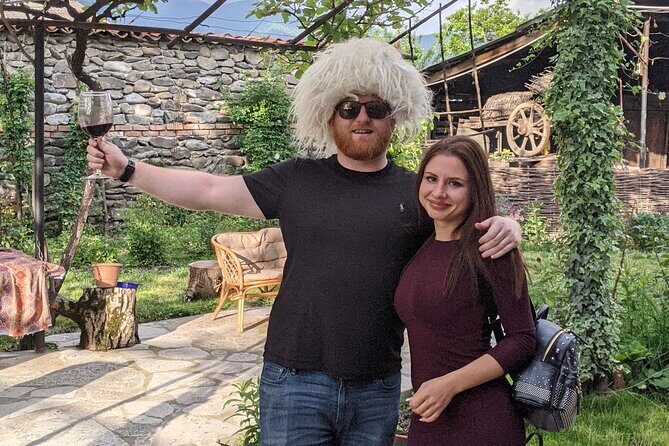
This is a strong match for:
- Wine lovers who want variety: natural wines, traditional methods, and kvevri craft
- Travelers who like history that connects to daily life (fortified towns, monasteries, capital cities)
- Groups who value a single guide (the tour is private for your group)
- People who want food included, not just token snacks between tastings
It may be less ideal for:
- Anyone who wants a slow pace with minimal driving and no packed days
- People who get uncomfortable drinking a lot of alcohol during set tastings (the tour is alcohol-forward)
One encouraging detail from participant feedback: vegetarian and pescatarian diets were handled well with good amounts of food. If you eat that way, it’s still smart to flag your needs early so they can plan the right dishes.
Should You Book This Kakheti Wine Tasting Tour?
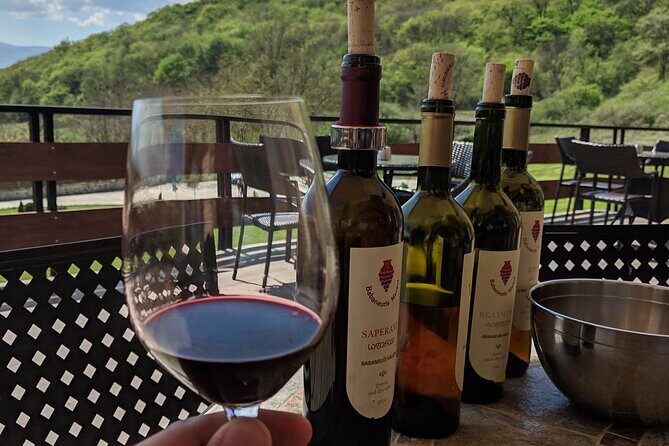
If your goal is to understand Georgian wine through places and people, this is a very solid choice. You get real variety: multiple wineries, a kvevri workshop, biodynamic vineyards, plus historic monasteries and towns tied to Georgia’s story. You also get a guided structure that keeps the days from turning into random photo stops.
I’d book it if you like tasting wine at several producers, learning a bit along the way, and you’re fine with a full schedule. I might skip it if you want a light, self-guided trip or you’re sensitive to long driving days.
FAQ
How many days is the Georgia Cradle of Wine tasting tour?
It’s a 5-day wine tasting tour based in Tbilisi with days in Kakheti. Day 5 ends back at the starting meeting point in Tbilisi.
Where does the tour start and end?
The tour starts at HertzT, 53 Kote Afkhazi St, Tbilisi, Georgia. It ends back at the same meeting point.
Is pickup available?
Yes. Pickup is offered, and the tour operator sets a pickup time by email or WhatsApp. You’ll need to share your live location by Google or provide your hotel name and address.
Is this a private tour?
Yes. Only your group participates, so it’s not a shared group format.
What’s included in the tour price?
Accommodation, food and drinks (as scheduled on the itinerary), fuel expenses, masterclasses, private transportation, and wine tasting are included.
Do you taste a lot of wine during the trip?
You can taste up to a dozen types of wine of local species, with additional tastings at several wineries and stops.
Are meals included?
Yes. Breakfast is included each morning, and lunches and dinners are included according to the itinerary.
Is there anything besides wine tastings?
Yes. You’ll do food masterclasses like khachapuri and churchkhela, visit a kvevri maker workshop, see biodynamic vineyards, and you can also try beer at Lost Ridge Brewery. Chacha tasting is also included.
Can the tour handle vegetarian or pescatarian diets?
The tour data includes feedback indicating a vegetarian/pescatarian traveler was well-fed. You should still mention dietary needs early so the team can prepare the right meals.
What happens if weather is poor or you need to cancel?
The experience requires good weather. If it’s canceled due to poor weather, you’ll be offered a different date or a full refund. If you cancel, refunds depend on timing: you can cancel up to 6 days in advance for a full refund, 2–6 days for a 50% refund, and less than 2 days before start time is not refunded.