REVIEW · TBILISI
Vardzia caves – Rabati castle – Borjomi park from Tbilisi one-day tour
Book on Viator →Operated by Friendly.ge: Transfers & Tours in Georgia · Bookable on Viator
Vardzia caves aren’t just pretty rocks—they’re living history. This one-day route strings together Vardzia’s cliff monastery and Rabati Castle’s mixed faith architecture, then finishes with the mineral-water break of Borjomi. I like how the day is paced for sight-seeing without feeling rushed between major stops, and I also like that the tour includes a professional guide plus bottled water and door-to-door pickup.
There’s one catch: it’s a 14-hour, driving-heavy day, so you need patience for long stretches in the car.
In This Review
- Key highlights at a glance
- Vardzia, Rabati, Borjomi: why this 14-hour loop makes sense
- Khertvisi Fortress: the quick history starter (and why it matters)
- Vardzia Cave Monastery: the church carved into a cliff
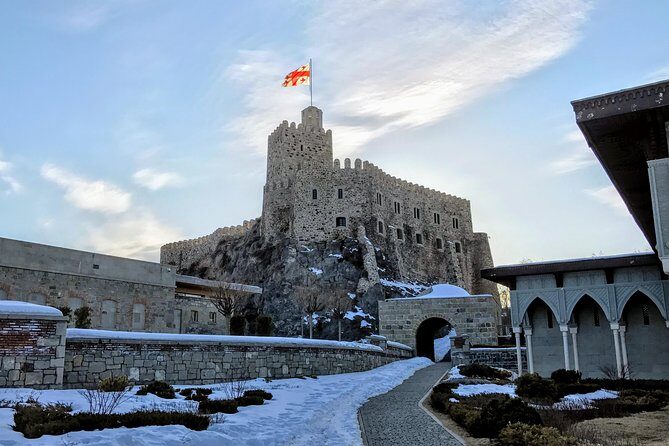
- Rabati Castle: a multi-faith complex you can actually walk through
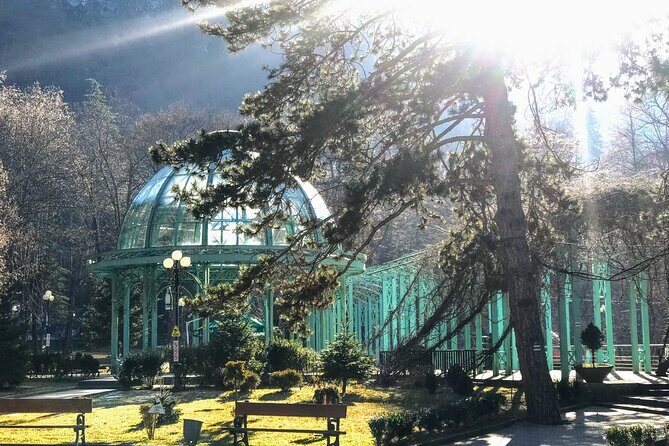
- Borjomi Central Park: mineral water, Soviet-era echoes, and mountain views
- Price and logistics: is $146 a smart deal?
- Guide power: what a strong guide changes in these sites
- Who this tour fits best (and who should skip it)
- Should you book this one-day tour from Tbilisi?
- FAQ
- What is the duration of the Tbilisi one-day tour?
- What does the tour price include?
- Are entrance fees included?
- How much are the entrance fees for Vardzia and Rabati?
- Is lunch included?
- How is pickup arranged?
- Is the tour in English?
- Is the tour dependent on weather?
Key highlights at a glance
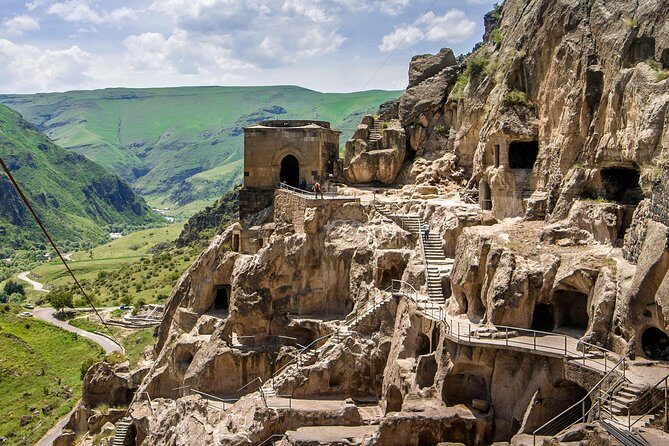
- Vardzia cave complex with a decorated church and views from a huge gorge
- Rabati Castle’s multi-culture layout: church, mosque, minaret, and synagogue in one 7-hectare site
- Khertvisi Fortress as a fast history starter, tied to Georgia legends and early church dates
- Borjomi mineral water pause plus a central park visit where you can still spot Soviet-era traces
- Professional English guide and help on harder-to-reach spots
- Private group (only your group), with entrance fees only partially included
Vardzia, Rabati, Borjomi: why this 14-hour loop makes sense
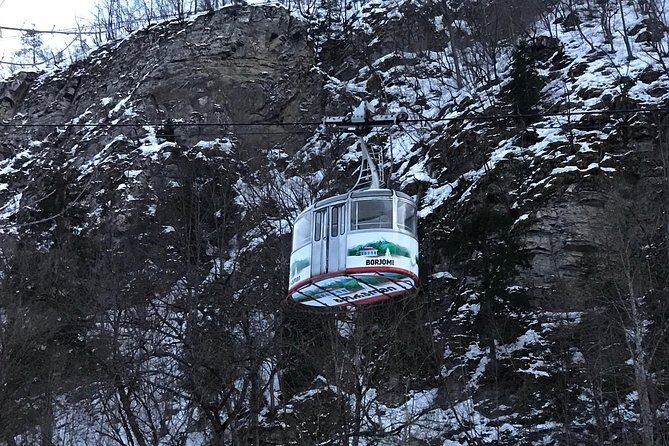
This tour is built for people who want three big hits in one day: a cave monastery, a major castle complex, and Georgia’s best-known resort town. The order matters. You start inland with centuries-old stone sites, then finish in Borjomi where you can breathe for a couple hours and rehydrate—literally.
The overall value comes from bundling the big stuff: private transportation, a professional guide, and hotel pickup/drop-off. Entrance fees are mixed—some are included and some aren’t—so you’ll want to budget a little extra for the days’ top attractions.
And since the schedule includes significant driving time between sites, this is best if you’re the type who enjoys a full itinerary. If you prefer slow travel and minimal car hours, you might feel worn out by the end of the day.
You can also read our reviews of more tours and experiences in Tbilisi.


Khertvisi Fortress: the quick history starter (and why it matters)
Your day begins with pickup anywhere in Tbilisi, then a short stop at Khertvisi Fortress—one of Georgia’s oldest fortresses. This is a small but important teaser stop. Even though it’s brief, it puts you in the right mindset for the rest of the journey.
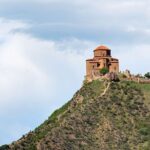
Khertvisi first goes back to the 2nd century BC, with major later additions. The church was built in 985, and the present fortress walls date to 1354. There’s also a legend attached to the site: that Khertvisi was destroyed by Alexander the Great.
What I like about this stop is its function. It’s not trying to be the main event. It’s the warm-up—like walking into a museum room right before the highlight gallery.
Possible drawback: because it’s short, you won’t get “wander at your pace” time here. If you’re the kind of person who wants to read every sign slowly, you may wish the stop were longer.
Vardzia Cave Monastery: the church carved into a cliff
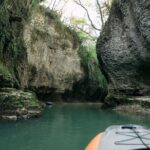
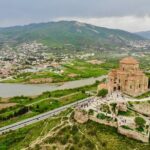
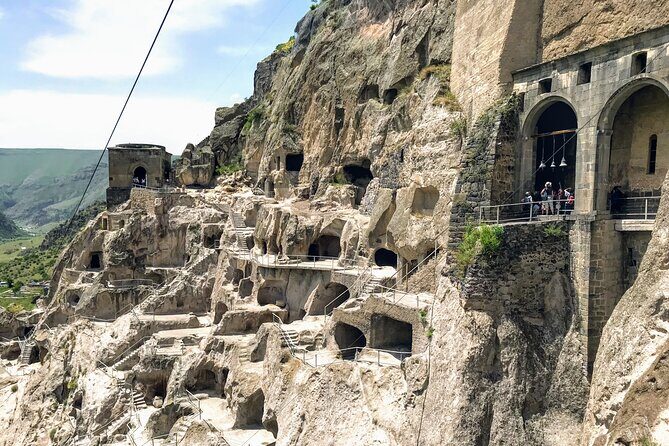
Vardzia is the reason most people say yes to this tour. It’s a 12th-century monastery carved out of a cliff wall on the banks of the Mtkvari River, inside a massive gorge. The scale is hard to describe until you see it: it’s like an entire village tunneled into stone.
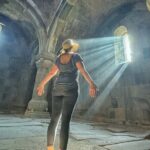
The cave-town layout includes multiple levels and a decorated church. One of the most impressive features is how much artwork and craftsmanship have survived in the church interior, including visible frescoes. The setting adds drama, too. You’re not just touring an artifact—you’re inside a place shaped by the gorge itself, with wide views that help you understand why people built here.
There’s also a living element that makes Vardzia feel less like a museum. Some monks still live in those caves even today.
Practical reality check: Vardzia is not a flat, easy stroll. The tour description calls for moderate physical fitness, and the site involves uneven paths, steps, and viewpoints. If you’re traveling with someone who gets tired on stair-heavy sites, plan to take short breaks and ask your guide for route guidance.
Entrance fee is not included. You’ll pay onsite (card or cash), listed as $6.00 per person.
Rabati Castle: a multi-faith complex you can actually walk through
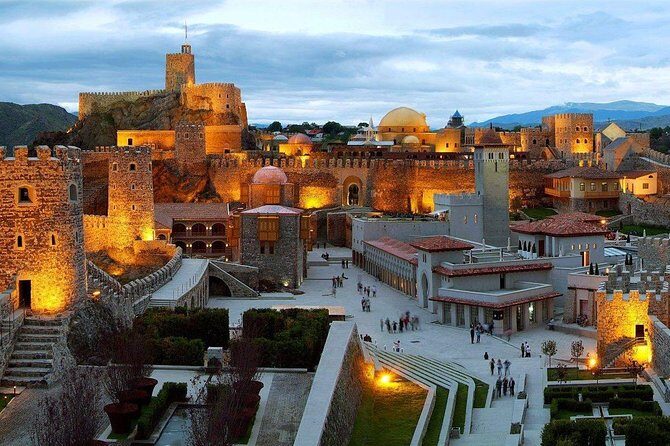
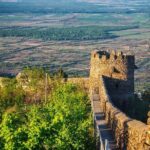
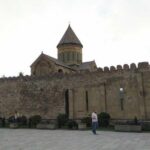
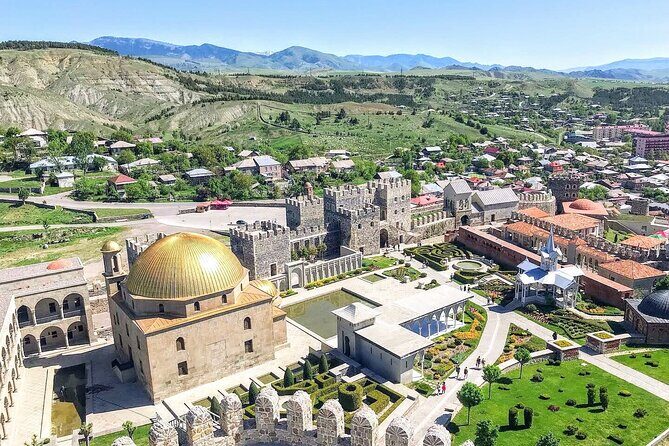
After Vardzia, you head to Rabati Castle, built in the 13th century and shaped over later centuries by different cultures. The result is a castle complex spread across about 7 hectares, and it’s not just one building—it’s a whole small city of structures.
What makes Rabati especially interesting is the range of religious architecture in one place. Within the complex you can see a church, a mosque, a minaret, and a synagogue. That mix gives you a very hands-on sense of how this region’s history connected communities.
The timing here is practical: you get about two hours. That’s enough to walk the core areas, take in the main structures, and still have time to pause for photos and viewpoint stops without feeling frantic.
Entrance fee is not included, listed as $8.00 per person (also payable by card or cash).
Small consideration: Rabati is a large complex, so comfortable shoes matter. If you’re hoping for a relaxed “sit and watch the world go by” visit, you might feel tempted to rush to cover more ground. Your guide should help you prioritize what’s most meaningful.
Borjomi Central Park: mineral water, Soviet-era echoes, and mountain views
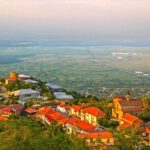
You finish in Borjomi, the famous Georgian resort town known for its mineral water. The tour gives you two hours at Borjomi Central Park, and the highlight here is simple: tasting the water. The water drawn from the well here is described as stronger than the bottled Borjomi you can buy in shops.
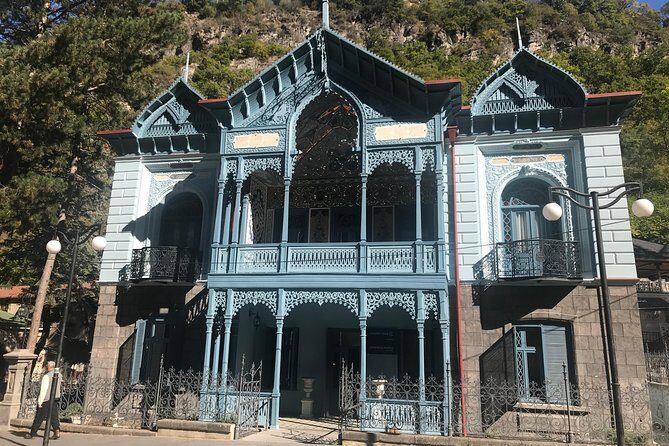
This stop also helps you shift gears. Instead of caves and castles, you’re in a town with hotels, strolling space, and a relaxed vibe. If you’ve seen Soviet-era buildings before, you’ll probably spot traces here—Borjomi was very popular in Soviet times, and some of those structures remain.
Above the center is a plateau area with hotels and a ferris wheel, which gives you a chance to look over the town and toward the surrounding mountains.
Also worth noting: near Borjomi is Borjomi Kharagauli National Park, described as the largest in Georgia and popular for hiking. Even if you don’t hike today, the park connection gives this stop more meaning than just a quick coffee break.
Entrance fee is included for this stop, listed as $2.00 per person.
Possible drawback: two hours passes fast. If you want to focus on the water experience and a slower walk, choose your priorities early—don’t try to do everything, even though it’s tempting.

Price and logistics: is $146 a smart deal?
At $146 per person for a roughly 14-hour day, you’re paying for a lot of motion: private transportation, hotel pickup/drop-off, bottled water, and a professional guide. That’s the “you” value—less hassle, fewer logistics headaches, and someone else handling the driving plan.
But the entrance-fee structure is split. You’ll also pay for Vardzia ($6) and Rabati ($8), plus $2 for Borjomi park. In other words, you should plan on extra costs for the biggest sights. Lunch is also not included.
So the real question is how you want to spend your travel energy. If you’re the type who hates coordinating multiple tickets and transport segments, this format is often worth it—even after adding entrance fees. If you’d rather DIY, then you might find cheaper options, but you’ll give up the ease of one driver and one guide connecting the dots.
One more practical point: the tour requires good weather. If weather turns, you may be offered a different date or a full refund. For a cave-and-view itinerary, that matters.
Guide power: what a strong guide changes in these sites
The biggest difference between a normal day and a great one is interpretation—how someone helps you understand what you’re seeing. In this kind of itinerary, the details can pile up fast: centuries, layers of construction, and architecture shaped by different faiths.
In past outings, guides such as Jonah have been praised for explaining the cave complex’s history clearly, including the impressively preserved church details and fresco visibility. Another recurring theme is that the guide gives help in harder-to-reach areas—exactly what you want when sites have steps, uneven ground, and viewpoint routes.
If you’re someone who likes your travel with facts you can actually use—like what dates correspond to which parts of the buildings—this tour’s guide component becomes one of the main reasons the experience feels “complete,” not just like photo stops.
Who this tour fits best (and who should skip it)
This is a good match for you if:
- You want three major Georgian sites in one day with minimal planning.
- You enjoy a guided approach to historic places.
- You’re okay with moderate walking and steps at Vardzia.
- You’d rather ride with a team than stitch together separate transport and tickets.
This is probably not the best match if:
- You dislike long car hours and prefer slow, local days.
- You need lots of downtime between destinations.
- You’re looking for a relaxed pace with minimal stair-and-path navigation.
Because it’s private (only your group), it’s also easier to manage for couples, friends, or small families who want a tailored rhythm rather than a big bus shuffle.
Should you book this one-day tour from Tbilisi?
Book it if you want a high-value day that covers the big classics: Vardzia’s carved monastery, Rabati’s multi-faith castle complex, and Borjomi’s mineral-water reset. The inclusion of pickup/drop-off, private transport, a professional guide, and bottled water reduces friction, which matters when the day is already long.
I’d especially consider it if you like understanding what you’re looking at—not just snapping photos. The guide-driven context seems to be one of the most praised parts of the experience.
Skip or look for a gentler alternative if you know you’ll struggle with a driving-heavy schedule or if moderate physical fitness isn’t your thing. This itinerary asks your body to keep up, at least in short bursts.
In short: if you’re game for a full day and want maximum Georgian landmarks per hour, this tour is a solid pick.
FAQ
What is the duration of the Tbilisi one-day tour?
It runs for about 14 hours.
What does the tour price include?
The price includes private transportation, bottled water, and a professional guide service, plus hotel pickup and drop-off.
Are entrance fees included?
Not all of them. Borjomi Central Park entry is included, but Vardzia and Rabati Castle entrance fees are not included.
How much are the entrance fees for Vardzia and Rabati?
Vardzia is listed at $6.00 per person, and Rabati Castle is listed at $8.00 per person. You can pay by card or cash.
Is lunch included?
No, lunch is not included.
How is pickup arranged?
Pickup is offered from your hotel anywhere in Tbilisi. The provider contacts you to clarify the exact address.
Is the tour in English?
Yes, it’s offered in English.
Is the tour dependent on weather?
Yes. The experience requires good weather. If it’s canceled due to poor weather, you’ll be offered a different date or a full refund.
If you want, tell me your travel month and whether you’re traveling with kids or anyone who doesn’t handle stairs well. I can suggest the most sensible time to do this day trip and how to plan for Vardzia.