REVIEW · TBILISI
Tbilisi Walking Tour Including Cable Car and Wine Tasting
Book on Viator →Operated by Travel To Georgia Tours · Bookable on Viator
Old Tbilisi feels close and personal. This small-group Tbilisi walking tour pairs a tight route of major sights with a cable car ride and included wine tasting, so you get both big-picture history and a little Georgia flavor. I like the small size (max 10 on your group) because it stays conversational, and I love the hassle-free hotel pickup and drop-off so you spend less time figuring out routes. One thing to consider: the walk includes hills and uneven old-stone streets, so if you struggle with walking, this is probably not the right fit.
You’ll start in Avlabari and end near Anchiskhati Basilica, which makes the day feel efficient. The pace works for a 2 to 4 hour window, and it’s geared for moderate fitness rather than long, exhausting trekking. If you’re the type who likes churches, city views, and the stories behind names and legends, you’ll be in your element.
- Max-10 group size keeps the guide’s attention where it belongs
- Hotel pickup and drop-off saves time in a city with real elevation
- Old Town churches plus fortress views in one smooth route
- Cable car included, a smart break on the hill-climb days
- Wine tasting included so the tour isn’t all stone and sermons
- Stop mix is practical: landmarks, viewpoints, and one good garden break
In This Review
- Start-to-finish routing: from Avlabari to Anchiskhati
- Metekhi Cathedral: Vakhtang Gorgasali and the palace-territory name
- Narikala Fortress and the cable car break for the hill climb
- Botanical Garden stop: 97 hectares of 3,500 plant species
- Bath District: sulphur water, defensive walls, and the pheasant legend
- Sioni Cathedral and Saint Nina’s cross
- Bridge of Peace and Rezo Gabriadze Puppet Theatre pass
- Anchiskhati Basilica: Tbilisi’s oldest church that kept functioning
- Wine tasting plus the guide’s city stories
- Price and value for a $100 small-group tour
- Good fit and who should skip it
- Should you book this Tbilisi walking tour?
- FAQ
- How long is the tour?
- What language is the tour offered in?
- Is hotel pickup and drop-off included?
- How many people are in the group?
- Does the tour include tickets for the stops?
- Is wine tasting and cable car included?
- What is the cancellation policy?
Start-to-finish routing: from Avlabari to Anchiskhati
This is the kind of tour that helps you get your bearings fast. You’re picked up from your Tbilisi hotel, then guided through key Old Town areas, ending at Anchiskhati Basilica. That end point matters because it puts you right back in the historic core, where it’s easy to keep exploring on your own after the tour finishes.
Most runs last about 2 to 4 hours, so it fits neatly into travel days when you’re not trying to burn half a day. Also, the tour uses a mobile ticket, which is one less thing to manage in your pocket while you’re taking photos.
One more logistics detail that’s quietly helpful: English is supported, and the guide is local. In the past, this particular guide style has been praised for being patient and practical—exactly what you want when you’re walking in an unfamiliar neighborhood with uneven steps.
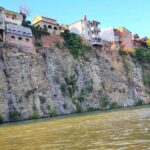
Metekhi Cathedral: Vakhtang Gorgasali and the palace-territory name
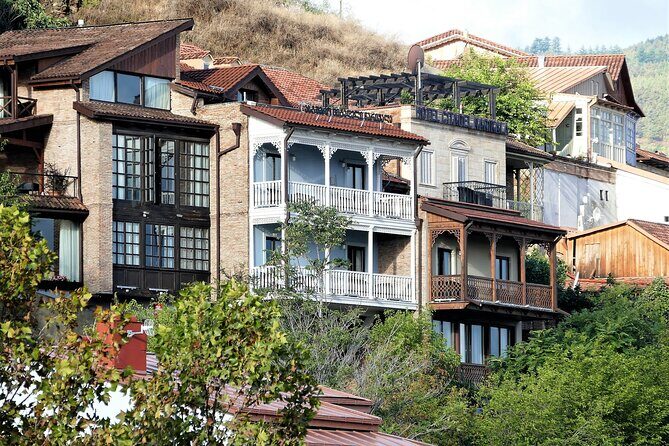
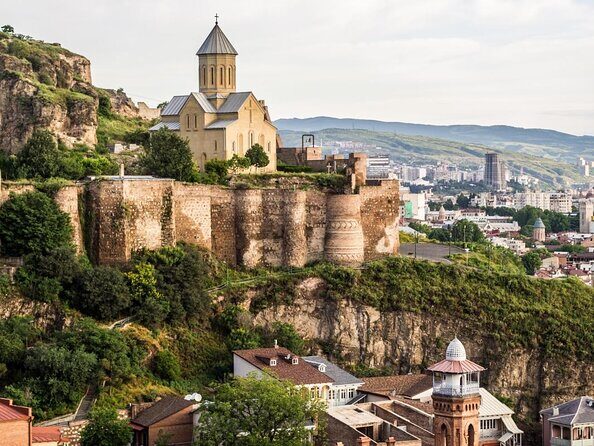
Your first major stop is Metekhi Cathedral, tied to some of the oldest layers of Tbilisi. The site goes back to a sixth-century church first associated with King Vakhtang Gorgasali—also linked to the founding of the city. Even if you don’t know the story yet, you’ll leave with a clearer sense of why this area mattered long before the modern city took shape.
What I like here is the way the guide connects place-names to power. You’ll hear that the name of the area is an old Georgian word meaning territory around the palace. That single explanation makes the cathedral feel less like a random photo stop and more like a landmark anchored to real political geography.
Time-wise, you’re there for about 30 minutes, and the admission ticket is free. That’s a nice ratio early on: you get context without losing the whole morning to ticket lines.
Practical note: bring your best walking shoes. Even early in the route, the ground can be slick or uneven depending on the season.
You can also read our reviews of more walking tours in Tbilisi


Narikala Fortress and the cable car break for the hill climb
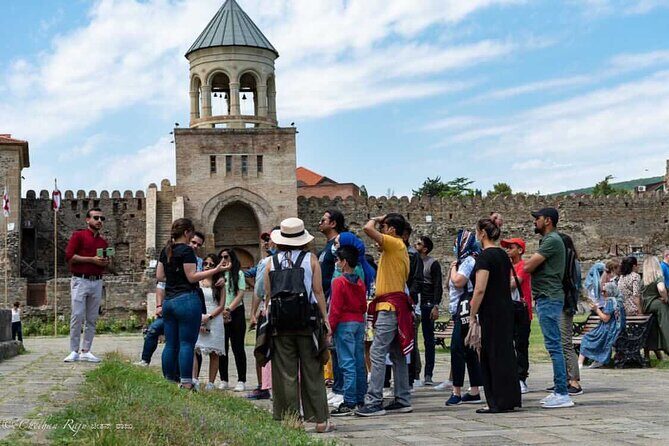
Next up is Narikala Fortress, perched at the highest point in the Old Town. This is one of those places where you instantly understand why fortifications mattered. From here, the view of Tbilisi is a built-in reward, and you’ll get that classic “I can see the city’s layout” feeling.
The fortress story is also layered. You’ll learn that its roots are around the sixth century, followed by a long, rough timeline of destruction and rebuilding. A fun detail you’ll hear is that Narikala has been called by multiple names over time, including The fortress of Envy and Mother fortress of Tbilisi.
Here’s where the cable car part makes sense. The tour includes a cable car ride, and even if you’re not a thrill-seeker, it’s a smart way to handle the elevation without turning the day into a stair workout. You still get the fortress moment, but with less leg burn.
You’ll spend about 30 minutes, and admission is free. So you can take time to look around—then step back into your route without feeling rushed.
Botanical Garden stop: 97 hectares of 3,500 plant species
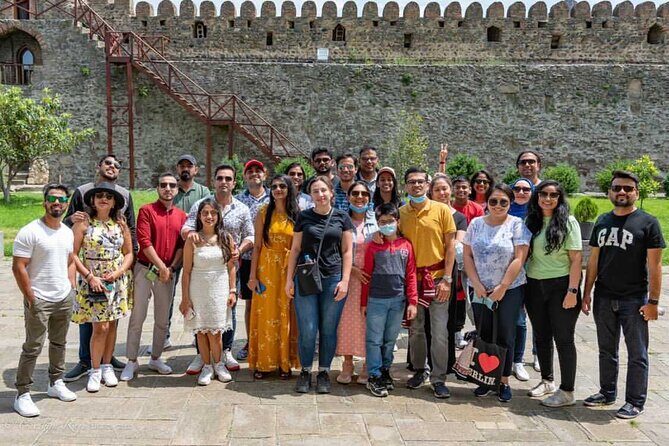
After the fortress views, you get a breather at the Botanical Garden of Tbilisi. The garden’s foundation goes back to a royal garden that existed there since the seventeenth century. Today, it sprawls over 97 hectares and includes over 3,500 plant species from different parts of the world.
Even if you’re not a plant person, this stop is valuable because it resets your senses. Walking from church to fortress to old streets can get intense. A garden break gives you a calmer rhythm—shade, greenery, and time to breathe.
Because the data doesn’t specify exact admission details for the garden, I suggest you treat it as a stop where you might see typical garden rules and policies. The key point is that the tour includes a real change of pace here, not just another quick look at a building.
Bath District: sulphur water, defensive walls, and the pheasant legend
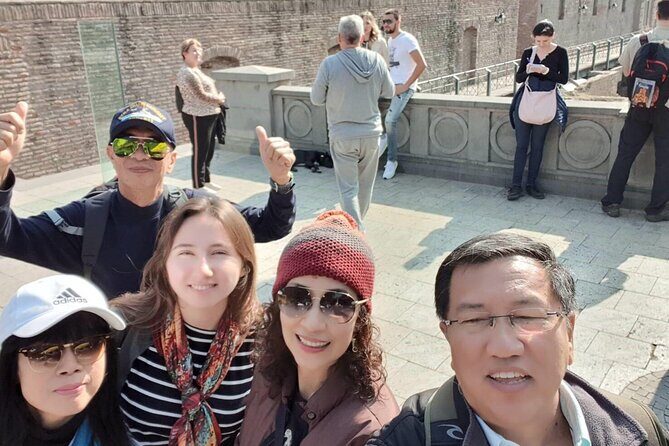
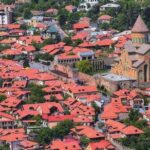
Then you shift into the Bath District, often considered the heart of Old Tbilisi. This area is where the city’s daily life started, with early tanners arriving and legends attached to the city’s origin.
A highlight you’ll hear is a story about King Vakhtang killing a pheasant—part of the famous legend about Tbilisi’s creation. You’ll also learn about sulphur water flowing through a gorge, which explains why the baths and water sources became such a defining feature of the neighborhood.
Another reason this stop works on a walking tour: it has visible traces. You can see remnants of the city’s defensive wall, which helps you picture how protection and everyday life overlapped here.
If you like history you can almost touch, this is your moment. Don’t rush it. Look for textures: stone walls, street angles, and the way the gorge shaped movement through the area.
Sioni Cathedral and Saint Nina’s cross
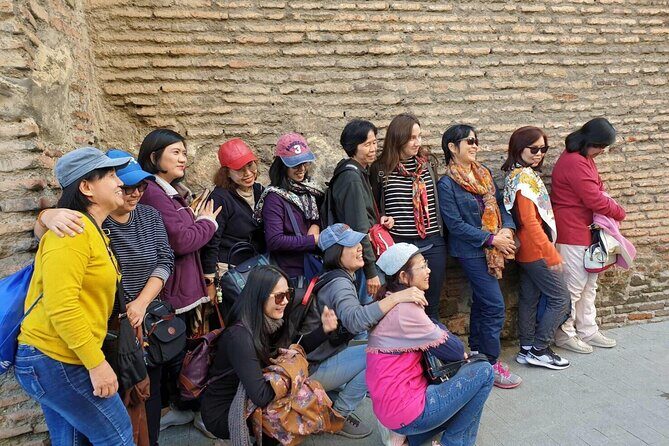
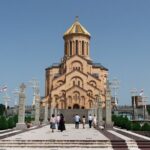
Now you head to Sioni Cathedral Church, a seventh-century site reached through cozy small streets. This is the part of the route where you start noticing architectural details up close, not just big landmarks from a distance.
Sioni is known for distinct Georgian architecture, and the guide points out a specific feature: the cross of enlightener Saint Nina. You’ll spend about 30 minutes here, and admission is included. That’s a good value detail because it removes one small uncertainty from the day.
If you’re the kind of traveler who reads the plaques and wants to understand what you’re seeing, Sioni is a strong stop. If you’re not, the architecture alone still gives you something worth pausing for.
You can also read our reviews of more food & drink experiences in Tbilisi





Bridge of Peace and Rezo Gabriadze Puppet Theatre pass
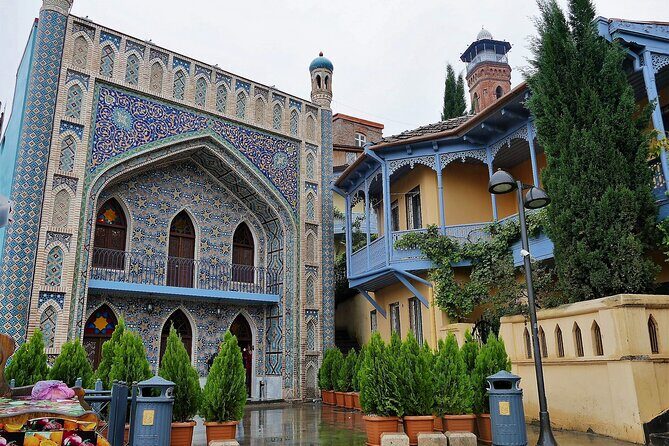
After Sioni, you reach the Bridge of Peace. It’s a short stop—about 15 minutes—and admission is free, so think of it as a photo-and-walk pause that keeps the energy up.
What makes it meaningful is contrast. You’ve just been in older religious space; now you’re looking at a modern civic symbol in the middle of the historic zone. It helps you understand Tbilisi as both layered and changing, not trapped in one era.
You’ll also pass by Rezo Gabriadze Puppet Theatre. The building is famous for its eye-catching design, and it’s become a popular sight for visitors because it feels theatrical even when you’re just walking by. You won’t lose much time, but you’ll likely want to slow down for pictures.
Anchiskhati Basilica: Tbilisi’s oldest church that kept functioning
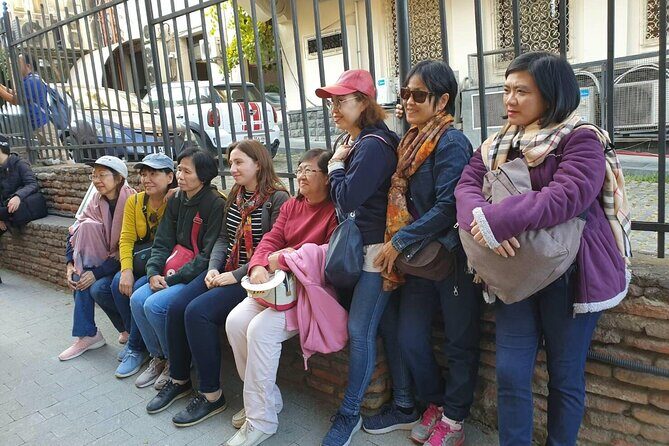
The final major anchor is Anchiskhati Basilica, described as the oldest church in Tbilisi that was functioning even during times of Arab occupation. That sentence matters: it signals continuity, not just a beautiful building.
Your guide gives you the stories, so this isn’t just a quick “look and go” moment. You’ll spend about 20 minutes here, and admission is free.
This stop also works well at the end of the tour because the location makes it easy to continue exploring nearby. Once you know the city’s key anchors, the smaller streets start to feel less confusing.
Wine tasting plus the guide’s city stories
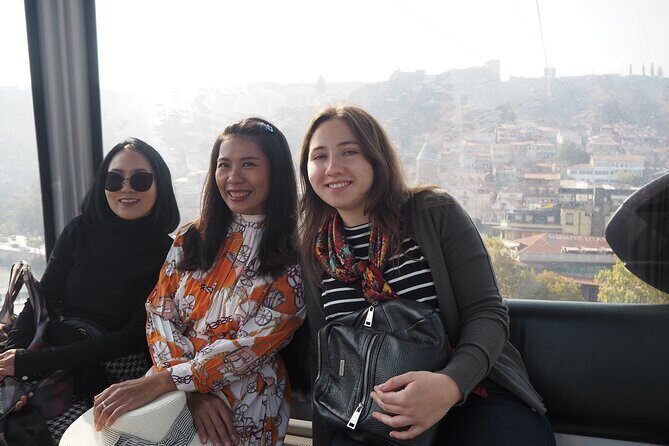
The tour includes wine tasting, and I’m glad it’s built in. In a place like Georgia—where wine culture isn’t just a side activity—having a tasting during your sightseeing day helps the history and legends feel more real. It gives you a sensory checkpoint after hours of walking and reading stonework.
Since the exact wines or tasting setup aren’t specified in the details you provided, I’d plan for a typical included tasting experience rather than a full restaurant meal. Also, because you’ll still be walking after the tasting, keep an eye on pace and hydration. If you’re sensitive to alcohol, tell the guide—small-group tours usually handle this better than large-bus schedules.
The other ingredient that makes this day feel good is the guide. People often talk about Ana’s professionalism, patience, and big-storehouse of history and culture, and that kind of guiding really matters when you’re walking from place to place. A guide who can explain both the facts and the “why it mattered” is what turns random stops into a story you remember.
Price and value for a $100 small-group tour
At $100 per person, this tour isn’t a bargain-basement deal, but it also isn’t overpriced when you look at what’s bundled into the day.
Here’s what you’re paying for:
- Hotel pickup and drop-off, which saves time and transit hassle in hilly Old Town
- Small group size (max 10), which usually means less waiting and more Q&A
- A guided walking route through major landmarks that otherwise take time to piece together
- Cable car ride and wine tasting as included experience elements
- Several sites with free admission, plus Sioni cathedral admission included
If you were doing this day on your own, the hardest parts would be (1) getting the route right without wasting time, and (2) understanding what you’re looking at without turning it into constant reading. This tour solves both problems fast.
The one trade-off: lunches or meals aren’t included. If you’re booking a 2 to 4 hour window, plan to grab food before or after, not during the tour.
Good fit and who should skip it
This tour is designed for moderate physical fitness, and there aren’t strict restrictions. But the guidance is straightforward: if you can’t walk well, don’t pick this one.
Why? Because the route includes viewpoints, historic streets, and areas around fortress and cathedral settings where the ground and steps can be uneven. Even with a cable car helping in the hill zone, you’re still doing real walking.
Who it suits best:
- You want a guided Old Town overview without building a complicated self-guided route
- You like churches, city legends, and viewpoint stops
- You want a day that mixes older Tbilisi with a modern symbol like the Bridge of Peace
- You appreciate tours where the group stays small enough to feel personal
If you’re traveling with kids or anyone who tires easily, check your group’s limits. The route can be manageable with breaks, but it still has a walking core.
Should you book this Tbilisi walking tour?
Book it if you want an efficient, well-paced way to experience Tbilisi’s Old Town anchors—with hotel pickup, small group feel, and included extras like cable car and wine tasting.
Skip it if walking is a challenge for you, or if you prefer to set your own pace with no guided stops. This is best as a guided day, not a pick-and-choose buffet.
If you’re on the fence, here’s the simplest decision rule I use: if you’d rather learn what you’re seeing than just collect photos, this tour is a smart bet.
FAQ
How long is the tour?
It runs for about 2 to 4 hours.
What language is the tour offered in?
The tour is offered in English.
Is hotel pickup and drop-off included?
Yes. You’re picked up from your Tbilisi hotel and dropped off after the tour.
How many people are in the group?
Your tour group is capped at a maximum of 10 people. The overall activity can have up to 40 travelers.
Does the tour include tickets for the stops?
Sioni Cathedral admission is included. Other stops listed (like Metekhi Cathedral, Narikala Fortress, Bridge of Peace, and Anchiskhati Basilica) note free admission.
Is wine tasting and cable car included?
Yes. The experience includes a cable car and a wine tasting as part of the tour.
What is the cancellation policy?
Free cancellation is available. You can cancel up to 24 hours in advance for a full refund.