REVIEW · TBILISI
Soviet Tbilisi Tour – Off the beaten path
Book on Viator →Operated by Real Georgia Tours · Bookable on Viator
Basements and brutal concrete tell Tbilisi’s Soviet story. I love how this tour starts with Stalin’s Underground Printing House and then strings together Soviet-era architecture you can actually stand next to, not just read about, and I also love the hotel pickup/drop-off that keeps you focused on sights instead of transit. The only real drawback: this route leans political and a bit dark, so it’s not the best match if you want fluffy, feel-good sightseeing only.
The pacing is friendly for a half-day: about 5 hours, private for your group, in English, and built for photo stops with enough time to look around. You’ll spend less time in the center of Tbilisi and more time in the parts of the city that show how Soviet planning shaped everyday life.
In This Review
- Key things you’ll notice on this off-the-beaten-path route
- Soviet Tbilisi Through Concrete, Basements, and Brutalist Views
- Price and value for a 5-hour private English tour
- Pickup, drop-off, and how the half-day actually runs
- Stop 1: J. Stalin’s Underground Printing House Museum
- Stop 2: Chronicles of Georgia on the hill over the concrete blocks
- Stop 3: Nutsubidze Skybridge and the Soviet “puzzle” architecture
- How the guide turns architecture into real stories
- What you’ll learn about Soviet influence in Tbilisi
- Photos, walking comfort, and what to bring
- Logistics that make it easier than self-guided exploring
- Who this tour fits best
- Should you book this Soviet Tbilisi off-the-beaten-path tour?
- FAQ
- How long is the Soviet Tbilisi Tour?
- Is pickup from my hotel included?
- Is this a private tour or shared group?
- What language is the tour offered in?
- What stops are included?
- Are admission tickets included?
- Can I cancel if plans change?
Key things you’ll notice on this off-the-beaten-path route
- A rare basement museum visit with a chance to meet the site’s director and hear the story in plain human terms
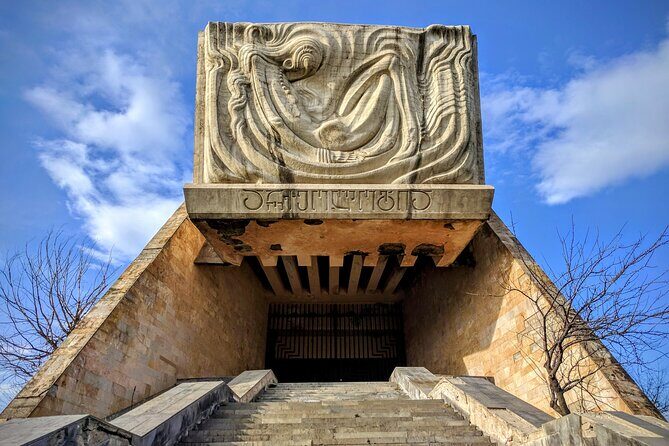
- Brutalist monument views from a hill over the Soviet apartment blocks and the Tbilisi Sea reservoir
- Nutsubidze Skybridge for Soviet-surreal architecture plus close-up city photo angles
- Private-group attention from an English-speaking guide such as Temo, Zezva, Irakli, George, or David (names vary by day)
- Time that doesn’t feel rushed so you can take pictures without feeling herded along
Soviet Tbilisi Through Concrete, Basements, and Brutalist Views
Tbilisi can look like a postcard from the old center. This tour quietly changes the angle. You’ll go where Soviet-era decisions are still written into the streets: in basements, in brutal concrete forms, and in housing areas that grew around large-scale planning.
What makes this feel different is the balance. You’re not only looking at buildings; you’re seeing how people lived around them. The guided storytelling I like most is the grounded kind—about daily life, about choices leaders made, and about how those choices left physical marks you can still walk through today.
If you’re the type who reads plaques and then wants context, you’ll appreciate it. If you only want scenic highlights with zero politics, you might find the tone heavy. Still, even when the subject matter is serious, the tour stays practical and keeps moving at a human pace.
You can also read our reviews of more tours and experiences in Tbilisi.


Price and value for a 5-hour private English tour
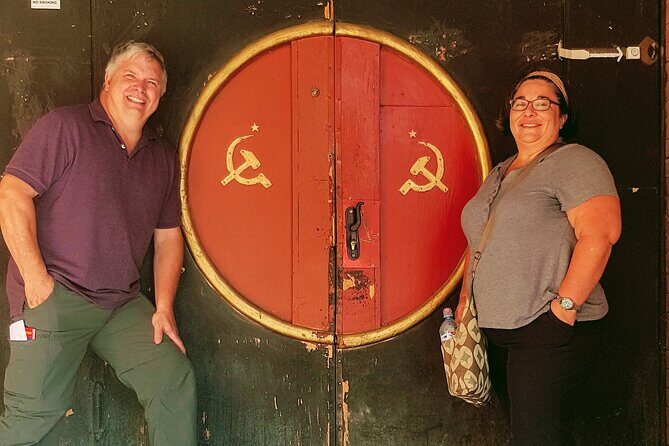
At $49.68 per person for about 5 hours, the value depends on one key thing: do you want a guide to take you into areas that are harder to reach on your own? If yes, this price starts to make a lot of sense.
You’re also not paying just for three random stops. The tour is built as a chain. The museum helps frame the Soviet mindset. The brutalist monument shows the monumental style of Soviet-era commemoration. Then the Nutsubidze Skybridge area puts you in the middle of Soviet “big idea” architecture—where engineering meets everyday access.
This also helps you avoid the usual beginner mistake: spending a half-day wandering and ending up back in the center. Here, your time is structured so you see Tbilisi beyond the usual lanes.
Pickup, drop-off, and how the half-day actually runs
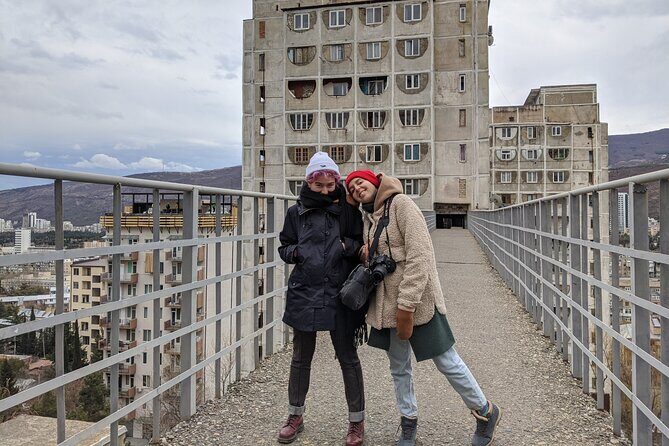
Hotel pickup and drop-off are included, and that matters more than it sounds. Tbilisi has hills and uneven walking routes, so being picked up saves energy for the part that counts: standing at the sights and listening closely.
It’s also private for your group. That means you can ask follow-ups without waiting for the whole schedule to catch up. In my experience with tours like this, private time is where the best stories come out—small details about buildings, how people use certain structures, and why the city grew the way it did.
Your tour starts near the Round Fountain area in Avlabari and typically ends at the Flea Market on Dry Bridge. You’re close to a public-transport zone, which can help if you want to continue exploring afterward under your own steam.
Stop 1: J. Stalin’s Underground Printing House Museum
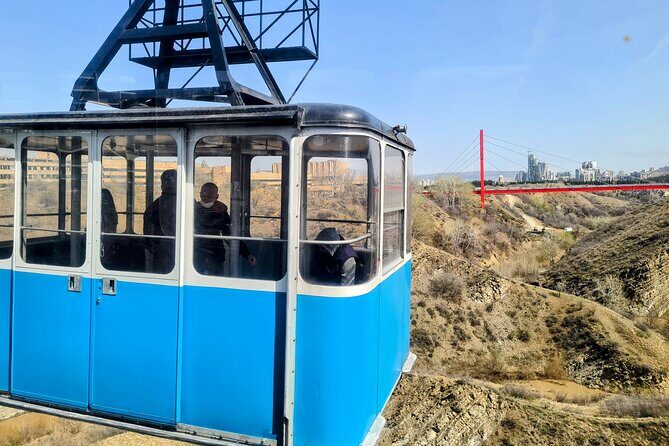
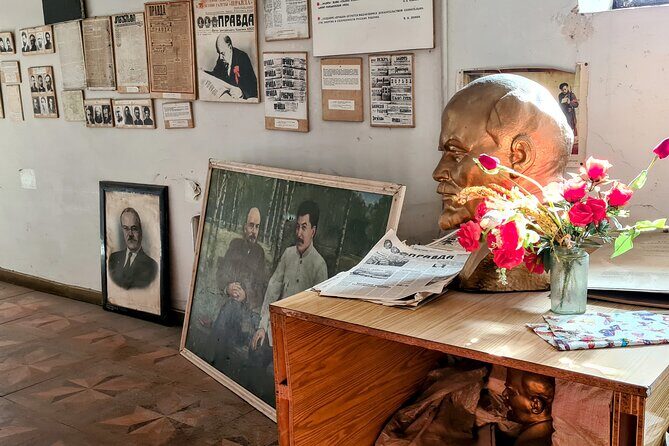
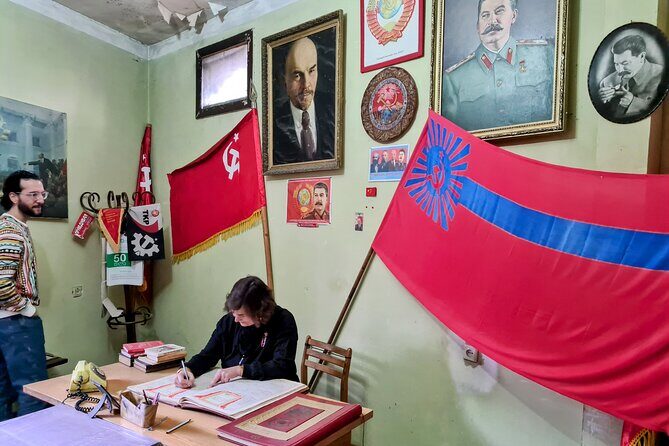
This is the part that grabs you by the collar. You’re not walking through a polished, generic exhibit. You’re going into a basement space within an older private house, and that layout alone makes the history feel physical.
You’ll visit the Underground Printing House of J. Stalin, and it’s surreal in the best way: the setting is intimate, while the subject is heavy. You also meet the director of the museum, described as a dedicated communist. That kind of first-person framing doesn’t mean you’ll hear one neat version of history—it means you’ll see how the site’s meaning is kept alive today.
Plan for about 30 minutes here. Admission is included, and the time is long enough to slow down, read carefully, and ask questions rather than sprinting to the next photo spot.
Possible drawback: because the museum’s mood is intense, it can feel emotionally “thick.” If you get tired by political or propaganda-heavy topics, take short breaks and pace yourself with photos rather than trying to absorb everything in one go.
Stop 2: Chronicles of Georgia on the hill over the concrete blocks
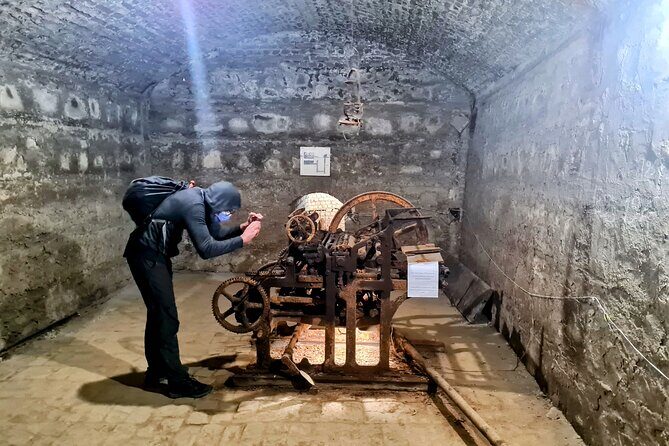
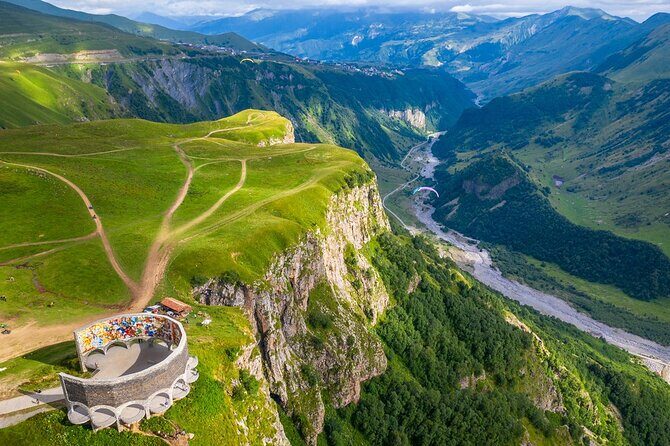
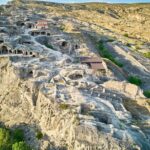
Then the tour shifts tone—from underground history to open-air monument symbolism. Chronicles of Georgia is a brutalist monument associated with Tsereteli, and you’ll see it from a hill with big views.
This stop has a “Stonehenge” comparison because it’s built like a commemoration machine: geometric, dramatic, and meant to be seen from a distance. The monument is unfinished, which changes how you read it. It stops feeling like a completed statement and starts feeling like an interrupted conversation—one Soviet-era ambition that never fully landed.
You’ll also get the contextual view that makes this stop worth doing. From up here, you can see the surrounding Soviet apartment blocks and the Tbilisi reservoir area known as the Tbilisi Sea. It’s the rare moment where architecture turns into geography. You understand the city’s layout not just by street names, but by how the buildings relate to open space and water.
This stop is about 30 minutes, and admission is free. That timing is ideal: enough time to walk around and look, but not so long you’d start to lose the thread.





Stop 3: Nutsubidze Skybridge and the Soviet “puzzle” architecture
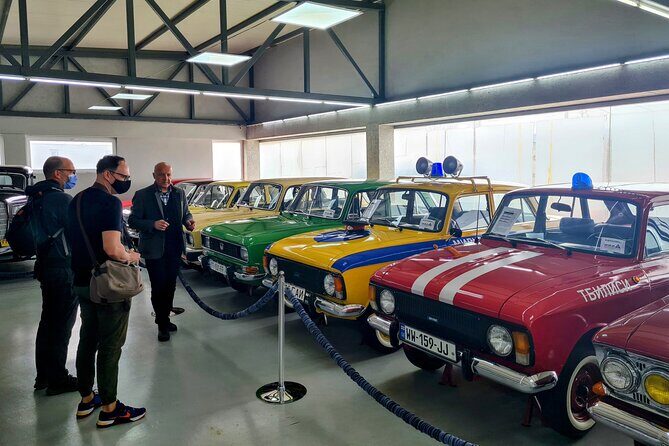
If you want one stop that screams Soviet-era oddball design, this is it. The Nutsubidze Skybridge area is known for surreal forms: concrete block houses, a giant monument dedicated to Georgian history, and the kind of structure that looks like it was drawn first and engineered later—or at least, that’s how it feels when you’re standing there.
What I like about this segment is that it’s not just sightseeing. It’s urban exploration with real photo potential. You’re walking through spaces shaped by Soviet planning, and you can also notice how people move and use the city around those structures.
Some guided routes here also include related Soviet-era details you might not find by accident, like practical local navigation structures (including elevator or gangway-style connections used to reach hilly housing complexes). Even if you don’t focus on those specifics, the broader point is the same: this area shows you how Soviet planning affected daily circulation.
You’ll spend about 2 hours here, and admission is included. That longer time slot matters. It lets you take photos from different angles and step back to see the whole architecture setup rather than grabbing one quick shot and leaving.
How the guide turns architecture into real stories
A lot of tours give you dates and photos. The better ones connect the buildings to people’s decisions. This one tends to do that through your guide’s commentary—often with personal touches and first-hand context.
Guides like Temo and David (and other names you might get on different days, including Zezva, Irakli, and George) are praised for style: they speak English well, answer questions clearly, and keep the tone approachable even when the topics are politically charged. You may notice they also give you space for pictures, so you’re not photographing mid-sentence like a tourist on a conveyor belt.
One more subtle advantage: you’re not stuck listening the whole time. The route is broken into distinct areas—museum, monument hill, then skybridge architecture. Each segment naturally changes your mental mode from reading to looking to walking and comparing. That shift is part of why it feels engaging rather than like a lecture.
What you’ll learn about Soviet influence in Tbilisi
This tour doesn’t try to turn Soviet history into a single moral verdict. Instead, it helps you see patterns.
First, you’ll understand how Soviet power reached into production and messaging. The printing house shows how ideology wasn’t just spoken—it was printed, distributed, and built into systems.
Second, you’ll see how monuments functioned as messaging in public space. Chronicles of Georgia, unfinished though it is, gives you a sense of the scale and ambition behind commemoration.
Third, you’ll see how Soviet-era planning shaped everyday space. The housing blocks and the skybridge area show architecture as a tool for living, not just for speeches. When you’re up close, the city’s design choices feel less abstract.
If you’re curious about the Soviet period but worried it’ll be one-sided, focus on asking your own questions. A good guide should be able to talk about competing interpretations and the city’s modern reality alongside its Soviet past.
Photos, walking comfort, and what to bring
This is an urban exploration route, so wear shoes you trust. You’ll be moving between sites, climbing viewpoints, and spending time outdoors at the monument and skybridge area.
Bring a camera with you if you care about architecture shots. The tour is built for photos: you’ll get time at the printing house to document the setting, viewpoint angles at Chronicles of Georgia, and lots of composition options around Nutsubidze Skybridge.
Also, bring some water. Even if the tour includes small breaks, you’ll still be outside at least part of the day and your body will thank you for basic hydration.
If you’re sensitive to politically heavy places, treat the museum as the emotional anchor. Decide ahead of time how long you want to stay in that space and then give yourself permission to shift your attention to the outdoor stops after.
Logistics that make it easier than self-guided exploring
A big part of the appeal here is that the route is assembled for you. If you try to self-guide Soviet Tbilisi, you can end up bouncing between locations without building context.
This tour solves that by grouping sites by theme. The basement museum explains the production side. The hill monument shows how the Soviet state wanted to be remembered in stone. Then the skybridge area shows you how concrete plans affected actual movement and housing.
The private-group format helps too. With a guide, you avoid the common problem of standing in front of an architectural oddity and not knowing what you’re looking at. Here, the guide can point out what matters—like why unfinished design changes the meaning, or what to pay attention to in the construction style.
Who this tour fits best
This works especially well if you fall into any of these groups:
- You like architecture and want more than old-town views
- You’re curious about Georgia’s Soviet period and want it connected to real places
- You enjoy urban photo walks with context
- You want a guide to answer questions as you go, not at the end
It may be less ideal if you want only relaxed, scenic sightseeing with minimal history. The museum and Soviet themes can feel weighty, even when the guide’s tone is friendly.
Should you book this Soviet Tbilisi off-the-beaten-path tour?
Yes, if you want a half-day that actually changes how you see the city. This is not the usual checklist tour. The mix of a basement Stalin printing museum, a brutalist monument with viewpoint geography, and the Nutsubidze Skybridge Soviet-surreal architecture gives you variety without randomness.
If you’re deciding between “old town” and “Soviet-era Tbilisi,” consider booking this as the contrast. It’s also a good choice when you only have one afternoon and you want meaningful context in a structured route.
One more practical note: you have flexibility to cancel for a full refund up to 24 hours before the start time, which makes it easier to plan around your schedule.
FAQ
How long is the Soviet Tbilisi Tour?
It lasts about 5 hours.
Is pickup from my hotel included?
Yes. Hotel pickup and drop-off are included, and you’ll need to share your hotel or holiday apartment details for a private tour pickup.
Is this a private tour or shared group?
It’s a private tour/activity, so only your group participates.
What language is the tour offered in?
The tour is offered in English.
What stops are included?
You’ll visit J. Stalin’s Underground Printing House Museum, Chronicles of Georgia, and Nutsubidze Skybridge.
Are admission tickets included?
Admission is included for the Underground Printing House Museum and Nutsubidze Skybridge. Chronicles of Georgia admission is free.
Can I cancel if plans change?
Yes, free cancellation is available up to 24 hours in advance for a full refund.