The fastest way to learn Georgian cooking is to actually get your hands messy. Maia and Nina’s Magic Kitchen is a private home cooking class in Tbilisi where you cook, then sit down to eat what you made, with local red wine. It’s simple, focused, and very human: step-by-step teaching in a real apartment kitchen.
I especially like the hands-on flow. The class is structured so you’re usually doing something, not just watching, and the hosts explain each move clearly. I also like that the meal isn’t an afterthought; you finish cooking, then enjoy a proper sit-down dinner together.
One consideration: because it’s a home setup, the experience depends on the rhythm of cooking and your menu choice. You should expect a full 2.5 hours, and if you’re very time-crunched, build a little buffer around it.
In This Review
- Key points you’ll care about
- Maia and Nina’s Magic Kitchen: what makes it feel real
- Where you start: Vaja-Pshavela Metro and the home-kitchen vibe
- The rhythm of the evening: cooking first, wine and conversation after
- Choosing a menu: classic Georgian dishes plus sensible options
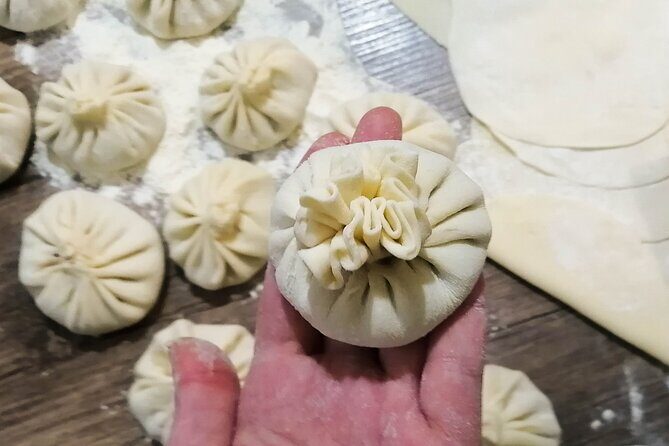
- Khinkali: dumplings that teach you Georgian hands
- Khachapuri: cheese bread where timing is everything
- Eggplant with walnuts: the starter that wins people over
- Mushrooms in clay vessels: oven cooking with a Georgian twist
- The real value: why $70 feels fair for what you get
- Who this class fits best (and who should think twice)
- What you’ll likely take home: recipes, confidence, and leftovers
- Small practical tips before you book
- Should you book Maia and Nina’s Magic Kitchen?
- FAQ
- How long is Maia and Nina’s Magic Kitchen?
- Is this class private or shared?
- What dishes are on the menu?
- Is dinner included?
- Does the experience include wine?
- Where do we meet, and is pickup provided?
- Is it offered in English?
- Can I share dietary restrictions?
- Is service animal access allowed?
- Is free cancellation possible?
Key points you’ll care about
- Private class for your group only, taught in English
- Metro pickup and drop-off at Vaja-Pshavela Metro area
- You eat what you cook, with local red wine included
- Georgian classics like khinkali and khachapuri, plus starters such as walnut eggplant
- Leftovers are likely so you can eat again later
- Menus can match dietary needs if you tell them ahead
Maia and Nina’s Magic Kitchen: what makes it feel real
In Tbilisi, you can absolutely eat well. The trick is getting past restaurants and into everyday food skills. This is that switch: you’re not ordering your way through Georgia. You’re learning how Georgian home cooks actually build flavor—one dumpling fold, one cheese pull, one walnut sauce at a time.
The best part is the pace. This doesn’t feel like a rigid show. Maia and Nina guide you step-by-step, while they keep the whole kitchen moving. In the reviews, people highlight how the hosts sequence tasks so you stay involved, and how some prep happens in advance (like dough resting time) so beginners aren’t stuck waiting.
And because it’s their kitchen, it feels personal. You’ll talk with them over the meal, not just get a worksheet and a thumbs-up. If you’re the type who likes learning what makes a dish Georgian instead of just how to assemble it, this is your kind of evening.
You can also read our reviews of more tours and experiences in Tbilisi.


Where you start: Vaja-Pshavela Metro and the home-kitchen vibe
The logistics are refreshingly clear. Pickup and drop-off are tied to the Vaja-Pshavela Metro area, and the activity ends back at the meeting point. That matters in Tbilisi, where getting from A to B can be easy or annoying depending on the hour.
You start at an address listed as 24, T’bilisi, Georgia. The experience is designed to be near public transportation, and the tour is private, meaning only your group participates. If you’re traveling with friends or family, this setup tends to be more comfortable than squeezing into a shared group in a classroom-style setting.
It’s also worth noting that the experience is offered in English. That helps with the small technique details, which is where cooking classes win or lose.
The rhythm of the evening: cooking first, wine and conversation after
The total time is about 2 hours 30 minutes. Most of that is active cooking and learning, followed by the dinner portion. You’ll typically spend about 1–2 hours cooking, then sit down to eat.
From the way the class is described, the hosts don’t treat the cooking like a checklist where one person does everything and everyone else watches. They explain what you’re doing and why—like how dough needs to rest, or how to time dishes so nothing turns into a soggy mess. In multiple reviews, people mention that the class keeps you moving while other items cook in parallel.
That parallel cooking detail is more important than it sounds. Georgian dishes often involve timing—dumpling filling, dough handling, cheese bread readiness, and roasted components. When the hosts plan it well, you get the full learning experience without spending the entire night waiting for ovens or rests.
Then you land in the dining part: the hosts serve the food you made, along with local red wine. People also mention conversation about Georgia during dinner, which is exactly what makes this more than a food task.
Choosing a menu: classic Georgian dishes plus sensible options
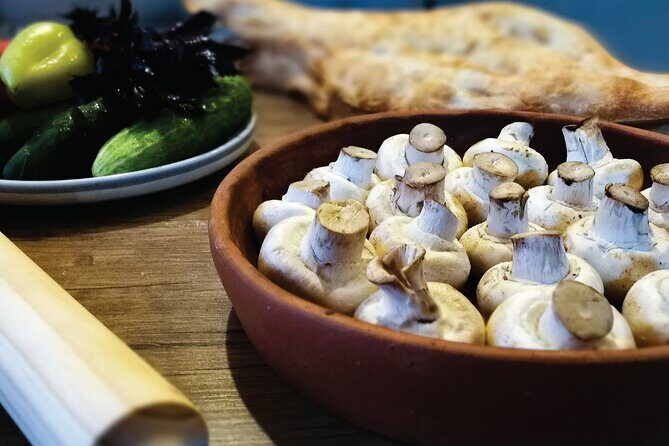
You’ll choose from a variety of menus. The sample menu includes:
- Khinkali (Georgian dumplings) with meat filling (beef and pork)
- Khachapuri (cheese-filled bread)
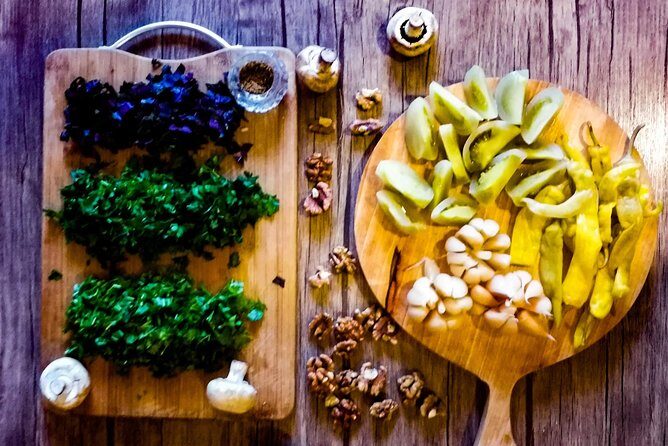
- Eggplants with walnuts (roasted eggplant with walnut sauce)
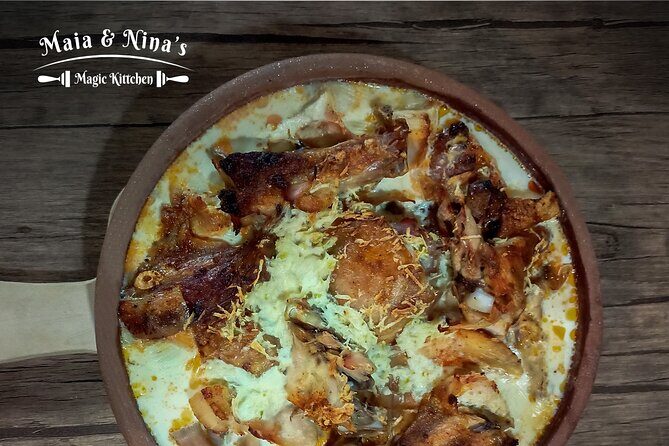
- Mushrooms baked with cheese in the oven in clay vessels
Menus can vary by your booking, and the cooks can handle preferences if you tell them in advance via the booking form. One review describes a vegetarian cooking class that included potato khinkali, adjaruli khachapuri, stuffed mushrooms, and walnut-stuffed eggplant. Another mentions lobio as part of what was cooked in their session.
So here’s the practical takeaway: if you have dietary restrictions, don’t wait until you arrive. Send the details during booking. That’s when they can plan ingredients and teach you in a way that still feels like the real dishes.
Also, because these are Georgian staples, you’ll likely learn techniques you can reuse later. Khinkali isn’t just a dish; it’s a method. Khachapuri isn’t only cheese bread; it’s how Georgians balance dough, heat, and timing.
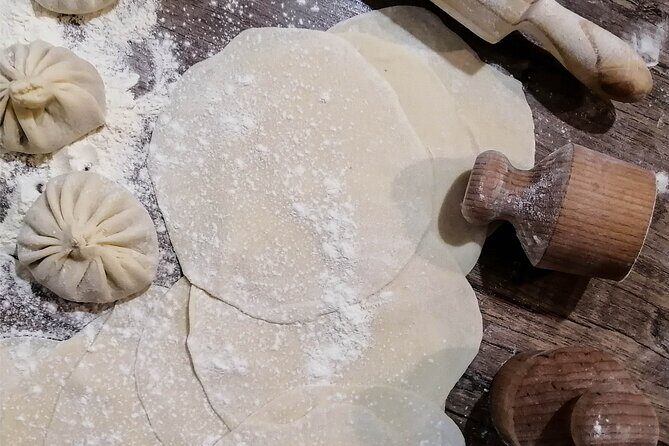
Khinkali: dumplings that teach you Georgian hands
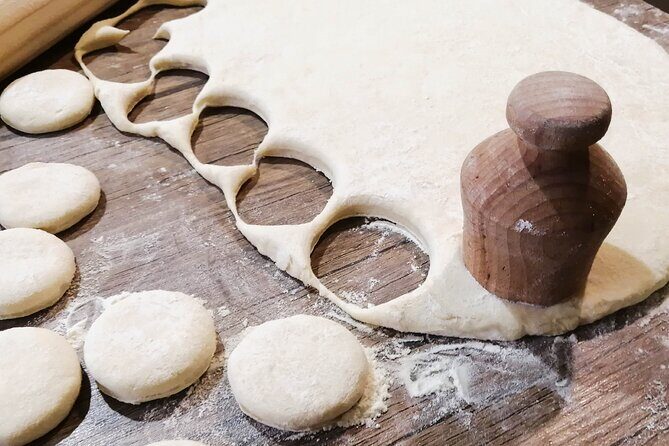
Khinkali is usually the showpiece, and that makes sense. It’s iconic and it forces you to practice technique, not just flavor.
In the class format, you’re guided through the process step-by-step. People highlight that the instruction is efficient and hands-on, not a vague demonstration. That’s key with khinkali, because the folding part matters. Too loose and the dumpling can open. Too tight and it can feel dense.
You also get a real sense of how the filling works with Georgian seasoning style—think hearty meat filling for the standard menu, or other fillings if you’re on a different menu. Even if you’ve eaten khinkali in restaurants, making it is different. You learn the texture of dough, the feel of shaping, and the patience needed before cooking.
One more realistic point: khinkali takes time, and dough needs to be ready. Reviews mention that some prep is done ahead of time (like dough resting), which keeps the class from bogging down. You focus on the part you came for.






Khachapuri: cheese bread where timing is everything
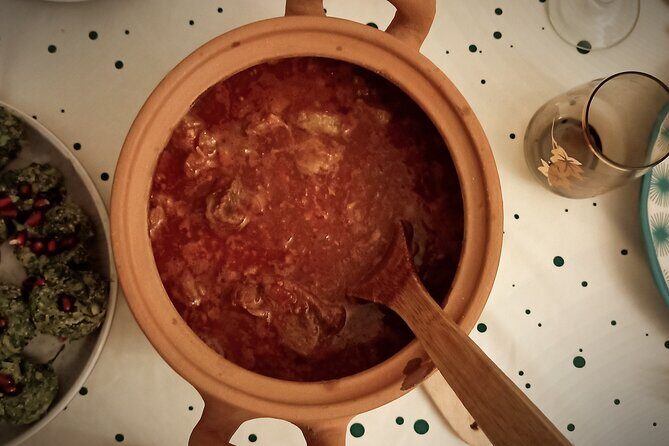
Khachapuri gets taught as more than a recipe. You learn how to build the bread and how the cheese behaves as it heats. The sample menu calls it a traditional cheese-filled bread, and one review specifically mentions adjaruli khachapuri as part of their class.
Cheese bread can go wrong in a hurry—too hot and it gets rubbery, not hot enough and it doesn’t melt the way it should. The best cooking classes help you feel that difference through guided timing rather than guessing.
In this class, that timing is handled with the overall structure of the evening. While one dish is cooking, you’re usually doing something else. That reduces downtime and keeps you involved while the oven or heat finishes its job.
Eggplant with walnuts: the starter that wins people over
If you’re expecting the meal to be only about meat dumplings and cheese bread, the walnut eggplant helps correct that. The starter is described as roasted eggplant with walnut sauce.
This dish teaches a different lesson than khinkali. It’s about texture and balancing. Roasted eggplant needs to be soft without turning to mush, and walnut sauce needs enough richness to feel satisfying on its own.
Eggplant with walnuts also works for lots of diets, which is why you see it appear in vegetarian menu options in the reviews. If you’re worried the class will feel too meat-heavy, this is one of the anchors that makes it broader.
Mushrooms in clay vessels: oven cooking with a Georgian twist
Another starter option is mushrooms baked with cheese in the oven in clay vessels. Clay baking matters because it can change how heat distributes and how the food holds moisture.
If you’re a home cook, you’ll probably appreciate this part of the lesson. You’re not just learning how to throw mushrooms into a pan. You’re learning a style of cooking that feels Georgian and practical: heat in a vessel, cheese baked until it becomes cohesive, and a warm starter that fits the dinner table.
In short, this starter rounds out the meal so it’s not just bread and dumplings.
The real value: why $70 feels fair for what you get
At $70 per person for about 2.5 hours, this is positioned as a meaningful experience, not a quick snack lesson.
Here’s why it can be good value:
- You get a private class for your group only, not a shared session.
- You handle multiple dishes during one sitting, which is more learning than one-item classes.
- You get dinner included, plus local red wine with the meal.
- You’re picked up from the metro area and brought back, so you don’t waste time figuring out local transport.
- Reviews repeatedly point out that you get leftovers packaged to take home, which turns the class into more than one meal’s worth of food.
The pricing also makes sense given the format: it’s a home lesson, ingredient work is happening behind the scenes, and the hosts are teaching actively while keeping timing under control.
If you compare this to doing a restaurant meal plus a separate class somewhere else, it can end up feeling like a balanced deal: you pay for coaching and food, and you leave with extra food for later.
Who this class fits best (and who should think twice)
This is a great match if you want:
- A hands-on cooking experience instead of a lecture
- Authentic Georgian dishes you can actually recreate
- A relaxed evening with conversation, not just a task list
- A dinner that feels like part of your trip story
It also tends to work well for families. One review specifically notes the hosts were flexible for children.
Consider another option if:
- You’re extremely picky about timing and can’t handle a full 2.5-hour block
- You want an ultra-modern culinary style. This is Georgian home cooking, so expect traditional methods.
What you’ll likely take home: recipes, confidence, and leftovers
Even though your main goal is learning, the extras help. Multiple reviews mention leftovers being packed for later meals. That’s not a small detail in a city like Tbilisi, where you’ll still want energy for sightseeing after dinner.
One reviewer also mentioned getting a certificate of completion and a PDF recipe set afterward. Another mentions getting recipes from Nina and being able to message later if questions come up. You shouldn’t rely on that as a guarantee, but it suggests the hosts take follow-up seriously.
Most importantly, you’ll leave with practical confidence. You’ll know not just the dish name, but the steps: dough readiness, filling amounts, shaping, and how to time cooking so cheese and bread don’t disappoint.
Small practical tips before you book
A few things will make your evening smoother:
- Tell them your dietary needs at booking. It’s clearly part of how they plan.
- If you’re a first-time dumpling folder, don’t stress about perfection. The class is teaching technique, and the pacing helps you keep up.
- Wear or bring clothes you don’t mind getting a little flour or sauce on. Cooking is cooking.
- Save hunger for the class dinner. Even if you arrive curious, you’ll still want enough appetite for the sit-down meal.
Should you book Maia and Nina’s Magic Kitchen?
I think this is an easy yes for most people who like food and want real Georgian skill, not just a meal. The combination of private teaching, metro-based pickup, and dinner you actually made is a strong value pattern. Add in the repeated emphasis on clear step-by-step instruction from Maia and Nina, and you get an experience that’s fun and practical.
If you’re comfortable committing to 2.5 hours and you’re open to Georgian staples like khinkali and khachapuri, book it early. It’s also a nice choice when you want your trip to feel more personal than another checklist of monuments.
FAQ
How long is Maia and Nina’s Magic Kitchen?
It’s about 2 hours 30 minutes (approx.).
Is this class private or shared?
It’s private. Only your group participates.
What dishes are on the menu?
The sample menu includes khinkali, khachapuri, eggplants with walnuts, and mushrooms baked with cheese in clay vessels. You can also choose from a variety of menus.
Is dinner included?
Yes. Dinner is included.
Does the experience include wine?
Yes. Local red wine is included with the meal.
Where do we meet, and is pickup provided?
Pickup and drop-off are provided at the Vaja-Pshavela Metro. The activity starts at 24, T’bilisi, Georgia and ends back at the meeting point.
Is it offered in English?
Yes, it’s offered in English.
Can I share dietary restrictions?
Yes. You can inform them in advance via the booking form.
Is service animal access allowed?
Yes, service animals are allowed.
Is free cancellation possible?
Yes. Free cancellation is available up to 24 hours in advance for a full refund.