REVIEW · TBILISI
German village in Georgia (Elisabethal) & Wine tasting
Book on Viator →Operated by BB Georgia Travel · Bookable on Viator
A forgotten German colony story starts in Kakheti. This private outing pairs three Asureti heritage stops with a relaxed wine tasting in the vineyards’ orbit. I like how focused it is: short, meaningful stops (each about 30 minutes) followed by one hour to taste local wine rather than rushing through five places.
Two things I especially like are the front-door pickup and drop-off from anywhere in Tbilisi and the calm, personalized feel of a private driver/guide. One thing to consider: lunch and other food or drinks are not included, so plan to eat before you go or bring a small snack if you tend to get hungry while tasting.
In This Review
- Quick hits: Elisabethal to Shala wine, in one smooth loop
- Elisabethal’s quiet story is the point
- How the 10:00 departure and 5-hour timing really works
- The real value: front-door pickup and private attention
- Stop 1: Asureti German Lutheran Church ruins (30 minutes, free)
- Stop 2: the Elisabethtal cemetery and its German inscriptions (30 minutes, free)
- Stop 3: the German sulfur bath in Asureti (30 minutes, free)
- Stop 4: Raminashvilebis Marani and tasting Shala (1 hour, wine included)
- Price and value: is $75 a good deal?
- Guides like David and Irakli set the tone
- What to wear and what to bring for these heritage stops
- Who this tour suits best (and who should skip it)
- Quick pros and cons before you book
- Should you book this tour?
- FAQ
- Is this tour private?
- What’s the total duration and start time?
- Is pickup and drop-off included?
- What’s included in the price?
- Are there entrance fees at the heritage stops?
- Can I cancel for a full refund?
Quick hits: Elisabethal to Shala wine, in one smooth loop
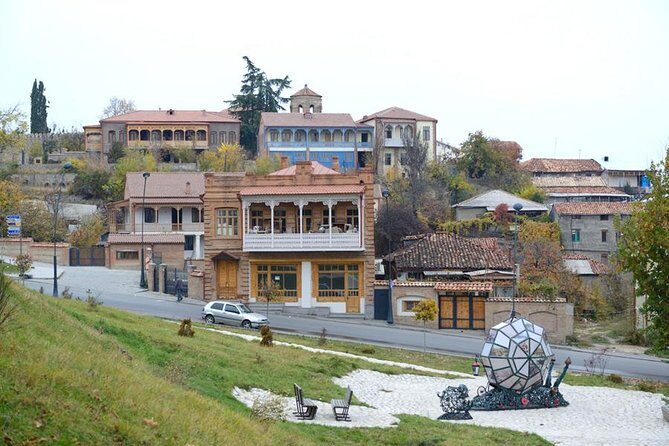
- Asureti German Lutheran Church ruins: mid-19th-century architecture and WWII-era history, with the sites largely free to visit
- German cemetery at Elisabethtal: gravestones with German inscriptions and preservation efforts you can actually see
- Historic German sulfur bath: a 19th-century health-relaxation relic that’s now more about heritage than spa time
- Raminashvilebis Marani Shala tasting: a rare grape story tied to Otto Schall and production dating back to 1931
- Private comfort: only your group, English offered, and a driver who keeps the day moving without turning it into a sprint
Elisabethal’s quiet story is the point
If you’re the type of traveler who enjoys more than just wine and views, this tour makes sense right away. The day centers on Asureti, a place tied to the German settlers who founded a community originally known as Elisabethal. You’ll see how their buildings and traditions were shaped in the mid-1800s, then what happened after World War II, when the German population was forcibly deported.
The tone here is not party-tour energy. It’s a thoughtful walk through remnants—church ruins, a cemetery, and a sulfur bath—followed by wine tasting where you get to taste something rooted in this same region’s long timeline. Even if you only know a little about Kakheti beyond wine, you’ll walk away with a clearer picture of how cultures landed, built, and changed over time.
You can also read our reviews of more food & drink experiences in Tbilisi



How the 10:00 departure and 5-hour timing really works
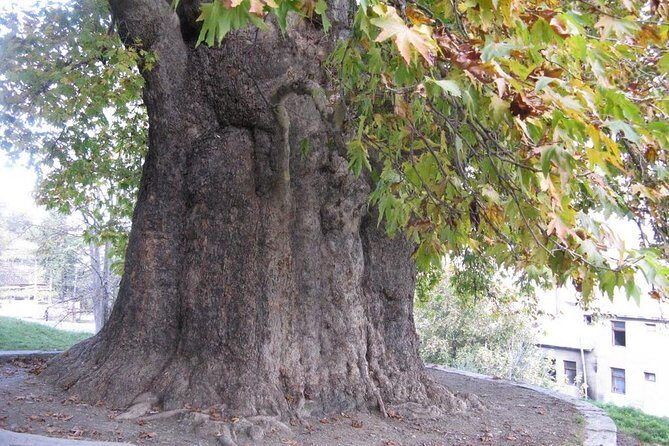
The tour starts at 10:00 am in Tbilisi and runs about 5 hours total. That time window matters because it shapes the itinerary: you get a “best-of” loop without a full day of long winery hopping. You’ll spend roughly 30 minutes at each of the first three stops and then about one hour at the marani for tasting.
So think of it like this: two-thirds of your time is heritage sites, and one-third is wine tasting. If you want multiple wineries, a long lunch, and a slow meander through several cellars, this might feel short. If you want a compact day that still feels complete, it’s a good fit.
The real value: front-door pickup and private attention
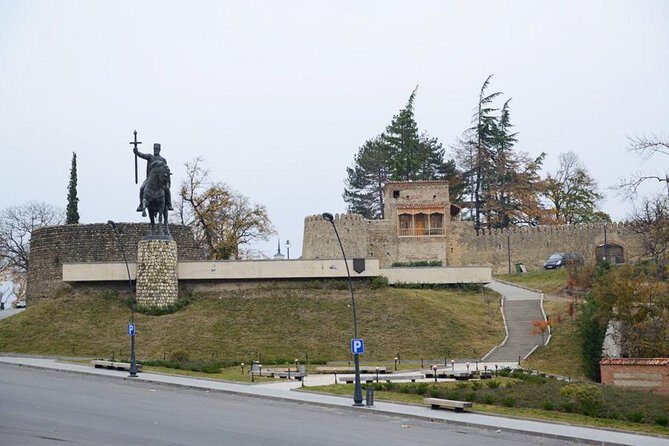
One of the most practical perks is the pickup offered from anywhere in the capital, with hotel drop-off afterward. That reduces friction. You’re not trying to coordinate transport, manage transfers, or guess where the best meeting point is—your driver and guide handle the movement.
Because it’s private, you also get a day that tends to flow at your group’s pace. The tour is listed as a private activity, so only your group participates. That usually means less waiting, fewer interruptions, and more room to ask questions, especially with an English offering.
Stop 1: Asureti German Lutheran Church ruins (30 minutes, free)
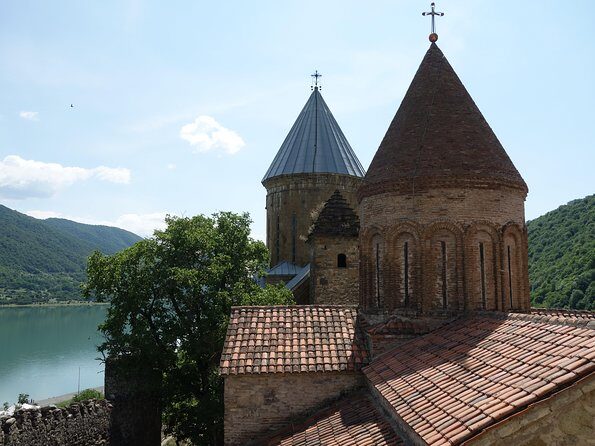
This is where the day sets its mood. The Lutheran church in Asureti was built in the mid-19th century by German settlers and served as a spiritual and social center for the village. Architecturally, it’s described as German-inspired—simple, elegant, and designed for community life, not just worship.
After the deportation of the German population during World War II, the church was abandoned and fell into disrepair. Today, you visit the ruins. For me, that kind of stop can be either depressing or strangely clarifying, depending on how the guide frames it. In a good guided format, you start connecting the physical details to the human story: what a building meant when the community was whole, and what it becomes when the people are gone.
Practical note: the visit is about 30 minutes and admission is listed as free, so you’re not trapped in a long stop. You’ll likely be able to take photos, look around the ruin footprint, and then move on without feeling rushed.
Stop 2: the Elisabethtal cemetery and its German inscriptions (30 minutes, free)
Next comes the German cemetery in Elisabethtal, established by the early 19th-century German settlers. This is one of those places where the details do the work. The gravestones feature inscriptions in German, and that language element makes it easier to feel the continuity—this wasn’t just architecture imported from somewhere else; it was a community that lived, worshipped, and marked time in a familiar way.
After the WWII deportations, the cemetery fell into neglect. The good part is that efforts to preserve it are ongoing enough to matter. You’re visiting not just a forgotten site, but a site being actively remembered.
Again, this stop is 30 minutes and admission is listed as free. That’s a smart pacing choice. Cemeteries can absorb you if you let them; the tour keeps it respectful and time-bound so it stays part of the full day rather than becoming the whole day.
You can also read our reviews of more wine tours in Tbilisi





Stop 3: the German sulfur bath in Asureti (30 minutes, free)
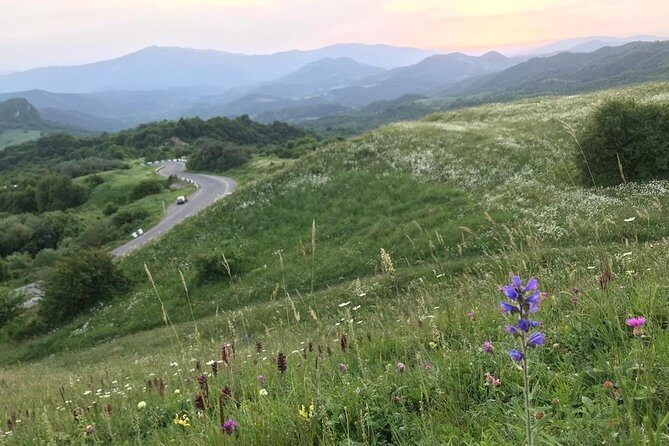
The third heritage stop is the German sulfur bath, built in the 19th century by the settlers. This one adds a different flavor: it hints at health and relaxation, not just worship and burial. It’s described as using traditional German craftsmanship, reflecting the settlers’ attention to detail in building functional places for daily life.
The bath may no longer be in use, so don’t picture a modern spa visit. This is heritage viewing—seeing how the community once treated wellness like something built into the village fabric. If you like how daily-life history differs from museum history, you’ll probably enjoy it.
Expect about 30 minutes, with admission also listed as free. If you’re traveling with older family members, the short time helps. If you’re someone who reads places slowly, you can still take your time, but you won’t feel stuck.
Stop 4: Raminashvilebis Marani and tasting Shala (1 hour, wine included)
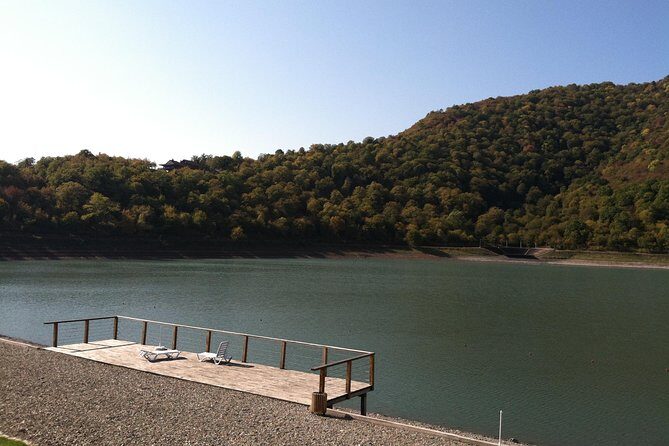
Then the day pivots to the reason many people come to Kakheti: wine. At Raminashvilebis Marani, you get about one hour of wine tasting, and the tasting is included in the tour price.
Here’s what makes this part especially interesting: you’ll be tasting Shala, described as a rare grape variety also known as Asuretuli Shala. The wine’s origins are connected to a German farmer named Otto Schall. The vineyards are planted near the village on the banks of the Algeti River, and production dates back to 1931.
I like how this links the whole day together. Your heritage stops focus on the German settlers’ physical footprint in Asureti. The tasting connects that same thread to grape cultivation and local winemaking survival, even after the community was fractured by WWII. It’s not just a tasting; it’s a story you can taste.
A couple of practical realities: the tour includes wine tasting, but food isn’t included. If you’re sensitive to alcohol on an empty stomach, grab breakfast before you meet your driver. Also, if you’re planning to drink more than a couple glasses worth of time, check your appetite and pacing because the day ends back in Tbilisi.
Price and value: is $75 a good deal?
At $75 per person, you’re paying for a private-style structure with real added value: fuel surcharge covered, driver/guide included, hotel pickup and drop-off included, a private vehicle, and wine tasting included. The stop admissions are listed as free for the church, cemetery, and sulfur bath, which helps keep the day from turning into surprise costs.
What you should budget for separately is food and any additional drinks you want, since lunch and drinks are not included. Also, any extra ticket or entrance fees beyond what’s described would be your responsibility, though the main heritage stops are marked free.
So, value depends on what you want. If you’re happy with one focused tasting and heritage time, this price can feel fair. If you want a longer winery crawl with multiple tastings and a full meal, you might compare against longer itineraries that bundle lunch and multiple cellar stops.
Guides like David and Irakli set the tone
The day’s quality often hinges on the guide’s style. In the experiences I’ve seen associated with this tour, guides such as David and Irakli are noted for pacing that doesn’t drown you in dates and memorized facts. That matters, because Asureti’s sites can turn into trivia if someone over-talks them. A good guide keeps the story clear and then gives you space to look, ask questions, and actually feel what you’re standing in.
There’s also a practical element: a sense of humor helps, but the bigger thing is balance. You get enough context to understand why the church, cemetery, and bath matter, and then the itinerary keeps moving so you don’t feel stuck in one spot all day.
What to wear and what to bring for these heritage stops
Because two-thirds of this day is outdoors or semi-outdoors heritage sites, you’ll want to dress for walking. Wear comfortable shoes you trust on uneven ground near old buildings and cemetery paths. If you’re going in colder months, bring a layer—one of the tour experiences referenced the day happening in snow, which is a reminder that weather can turn a “short stop” into a colder pause.
Pack like this:
- Water, especially if you’ll be outside between stops
- A snack if you tend to get hungry before lunch
- A light jacket for mornings if the weather is changeable
- Your camera, since the church ruins and cemetery details are photo-worthy
And if you plan to drink during the Shala tasting: pace yourself. One hour can feel short until you’re inside with a few pours and conversation.
Who this tour suits best (and who should skip it)
This tour fits best if you want a mix of culture and wine without a long travel day. It’s also a strong choice if you like off-the-radar stops. The German Lutheran Church ruins, the German cemetery, and the sulfur bath are the kind of sights that you don’t usually find on standard wine tours.
It’s also a good option for first-time visitors to Georgia who want a structured day with a guide, especially since English is offered. If you travel with a partner and want something thoughtful but not overly slow, it works. If you’re traveling solo, private pickup can make the day feel easier and safer.
Skip it if your main goal is a full Kakheti wine circuit with several wineries and a long seated lunch. Here, wine is the highlight at one main tasting stop, not a multi-stop cellar marathon.
Quick pros and cons before you book
Pros:
- Private structure with pickup and drop-off from Tbilisi
- Heritage sites are free for the main stops, so costs stay predictable
- Shala tasting has a clear backstory tied to Otto Schall and vineyards near the Algeti River
- Short, manageable stop durations keep the day from dragging
Cons to consider:
- Lunch and extra drinks are not included, so you’ll need to plan food
- You only visit one main marani for tasting, so it’s not a big winery list
- Two heritage stops are ruins/heritage viewing, so if you want hands-on activity, this may feel more observational than experiential
Should you book this tour?
I’d book it if you want Kakheti with meaning. If you’re excited by the idea of a German village legacy in Georgia and you also want to taste a rare local grape like Shala, this tour is a smart match. The day is compact, organized, and designed to keep you moving without turning it into a rushed checklist.
I’d think twice if you’re hungry for a longer wine itinerary with multiple tasting rooms and included meals. This experience is built around heritage stops first, then one focused tasting. If that matches your style, you’ll likely feel like you got your money’s worth.
FAQ
Is this tour private?
Yes. It’s a private tour/activity, so only your group will participate.
What’s the total duration and start time?
The start time is 10:00 am, and the duration is approximately 5 hours.
Is pickup and drop-off included?
Yes. The tour includes hotel pick up and hotel drop-off, and pickup is offered from anywhere in the capital.
What’s included in the price?
Included are fuel surcharge, driver/guide, hotel pickup/drop-off, a private vehicle, and wine degustation (wine tasting).
Are there entrance fees at the heritage stops?
For the church, cemetery, and sulfur bath stops, admission is listed as free.
Can I cancel for a full refund?
Yes. You can cancel for a full refund if you cancel up to 24 hours in advance of the experience’s start time.