REVIEW · TBILISI
Full Day Tour of Tbilisi and Mtskheta
Book on Viator →Operated by Georgian Holidays · Bookable on Viator
Two capitals in one day can feel too much.
But this route works because you’re taken from UNESCO Mtskheta to classic old Tbilisi with a guide who explains the what-and-why, not just the where. I love how the day is timed so you start with hilltop views early, then move down into town and finish with the city’s best-known streets.
My other favorite part is the human one: in multiple groups, guides like Maia, Anna, Eka, and Tamara were noted for clear English, humor, and real context that helps the churches make sense. The one consideration I’d flag is that entry to places of worship can be restricted during services, so you might not be able to go inside at certain times (Saturday evenings, Sunday mornings, and religious holidays).
In This Review
- Key highlights you’ll feel the most
- Starting from Rose Revolution Square and getting to Mtskheta fast
- Jvari Church: the hilltop start that puts everything in perspective
- Svetitskhoveli Cathedral: sacred Georgia, explained like a story
- Mtskheta City-Museum Reserve: walk, reset, and buy wine like a local
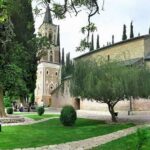
- Samtavro Church: medieval calm in the historical part of town
- Narikala Fortress and the cable-car shortcut to big views
- Abanotubani sulfur baths: the district with a legend behind it
- Meidan Square and Shardeni: bars, cafes, art, and old-city energy
- Metekhi Cathedral plateau: closing Tbilisi with a 13th-century anchor
- Price and value: what $158 buys you (and what it doesn’t)
- What kind of traveler this tour fits best
- Practical tips that make the day easier
- Should you book this full day Tbilisi and Mtskheta tour?
- FAQ
- What time does the tour start, and where do I meet?
- How long is the tour?
- Is the tour in English?
- What’s included in the tour price?
- Are meals included?
- Is there any admission fee for the sites?
- Can I visit churches if the day includes services?
- What should I wear or bring?
- Is the tour private or small-group?
Key highlights you’ll feel the most
- Jvari Monastery on a hill above Mtskheta, with views over the Aragvi and Mtkvari river confluence
- Svetitskhoveli Cathedral, one of Georgia’s most sacred sites, tied to the story of Christ’s robe
- Mtskheta walking time that includes a chance to browse a local wine shop
- Narikala Fortress views reached by aerial cable car (or a funicular if the cable car is down)
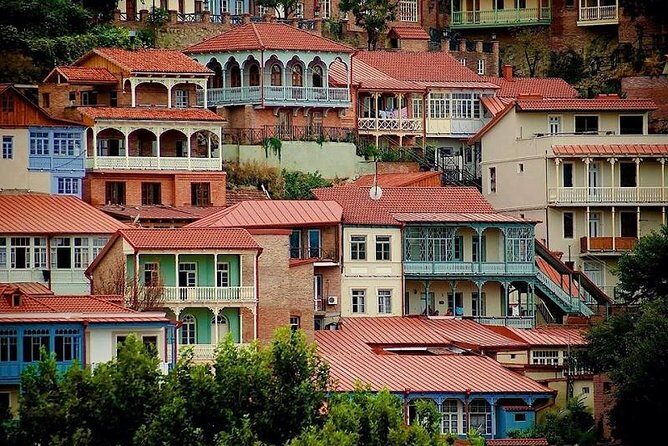
- Abanotubani sulfur-bath district and the story behind the springs
- Metekhi plateau and 13th-century church to close out the Tbilisi side of the day
Starting from Rose Revolution Square and getting to Mtskheta fast
The day begins at 10:00 am at the Giant Bicycle monument near Rose Revolution Square. That matters more than you’d think, because it gets you on the road before the heat and crowd energy peak up. You’ll meet the driver and guide, then head out to Mtskheta—Georgia’s ancient capital—where most of the “big meaning” of the day is waiting.
You’re not just riding in a car all day, either. The pacing mixes drive time with short stays that are long enough for photos, orientation, and a bit of reflection at each site.
This is built as a small-group experience with a professional guide/driver, bottled water, and included entrance fees. For me, that combo is the difference between collecting stops and actually understanding them.
A few more Tbilisi tours and experiences worth a look

Jvari Church: the hilltop start that puts everything in perspective
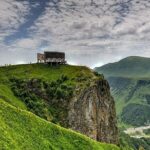
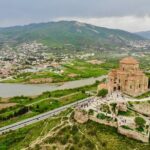
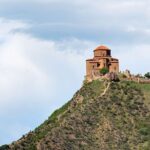
Your first real stop is Jvari Monastery, dating back to the 6th century. It’s free to enter, and the timing gives you a strong first impression: you’re up on the hill overlooking Mtskheta and the confluence of two rivers—Aragvi and Mtkvari.
That view isn’t just scenic. It’s the reason this place mattered in the first place. When you see the river meeting point from above, the town’s layout clicks, and the whole “ancient capital” vibe feels less like a label and more like a lived geography.
The main drawback here is physical: hilltop means stairs and uneven ground. Wear solid shoes. If you’re traveling with anyone who has mobility limits, plan for slower steps and extra time.
Svetitskhoveli Cathedral: sacred Georgia, explained like a story
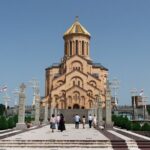
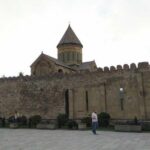
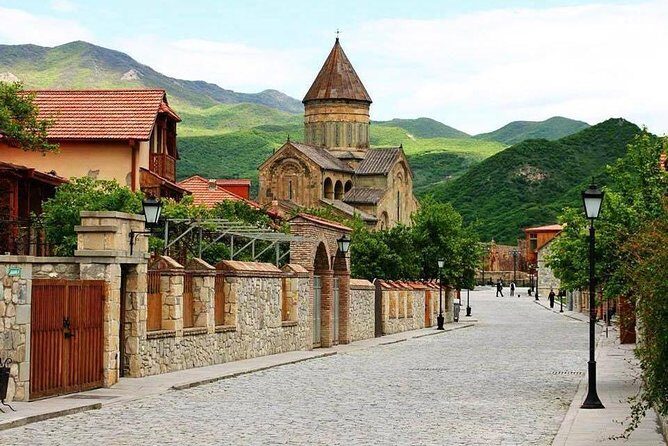
From the monastery you head down to Svetitskhoveli Cathedral, another free stop that many people consider one of the holiest places in Georgia. The key detail you’ll hear from your guide is tied to the tradition that Christ’s robe is preserved here.
This is a place where context helps. Without it, you’re mostly looking at architecture and trying to guess the significance. With a good guide, you start to understand how Georgian Christianity shaped the way people built, worshiped, and remembered.
One practical note: if your tour lands on a day with services, access to church interiors can be restricted. If you care about spending time inside, ask your guide how they’re managing service-time rules for your specific day—and accept that the order of stops may shift.
Mtskheta City-Museum Reserve: walk, reset, and buy wine like a local
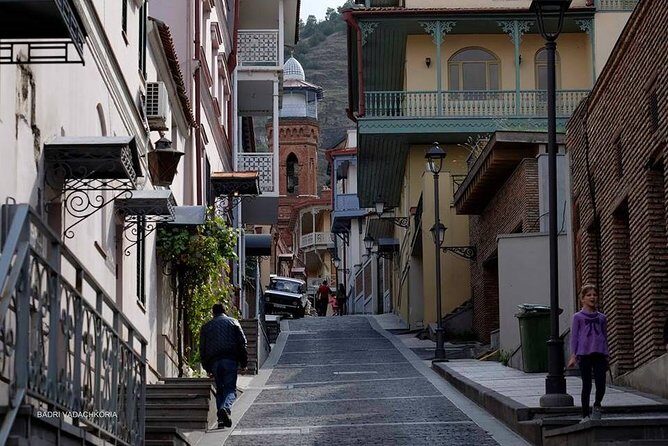
After the big churches, you get a breather with a walk in the City-Museum Reserve of Mtskheta. This is where the day stops feeling like a checklist and starts feeling like a place you could linger.
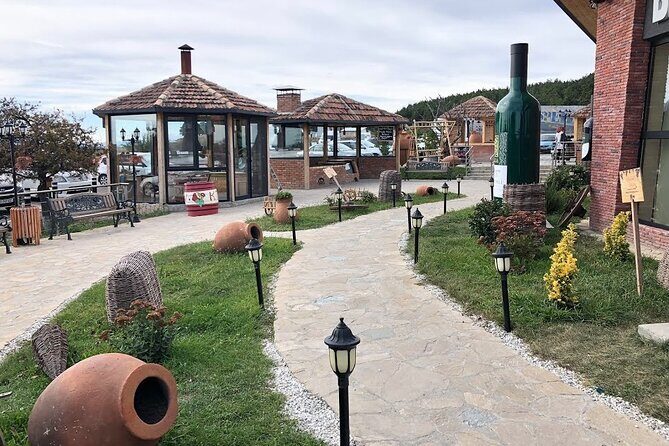
You also have a built-in pause for a local wine shop. Even if you don’t plan to buy, it’s useful to see what Georgians mean by everyday wine culture in a town that’s deeply tied to old traditions.
One hour here can be just enough to stretch your legs and grab a quick snack if you want. It’s also a smart moment to adjust your day rhythm—cool down, rehydrate, then prepare for the Tbilisi side of the route.
Samtavro Church: medieval calm in the historical part of town
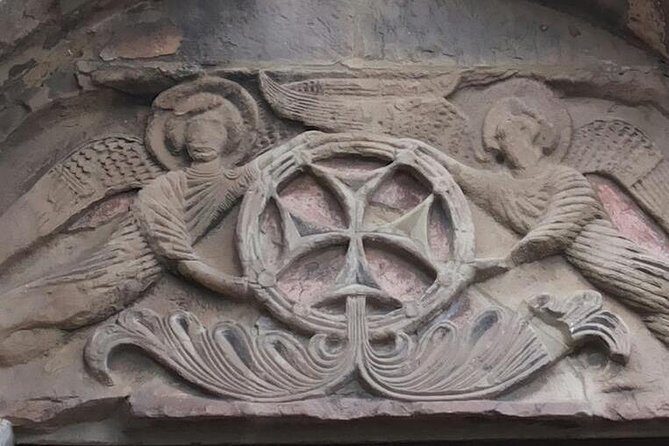
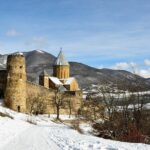
Next up is Samtavro Church, part of the medieval Samtavro Monastery area. You’ll have about 40 minutes, and it’s a good length: long enough to feel the sacred calm, short enough that you’re not rushing.
If you’re the type who likes to connect the dots—why these churches are where they are, and how the faith and power structures evolved—your guide’s explanations can really pay off here. The architecture and the layout are meaningful, but the “why” is what makes it memorable.
Again, the main consideration is practical footwear. Old towns mean uneven paths and occasional steps. Bring patience, not just enthusiasm.

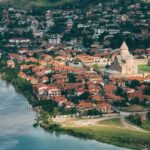

Narikala Fortress and the cable-car shortcut to big views
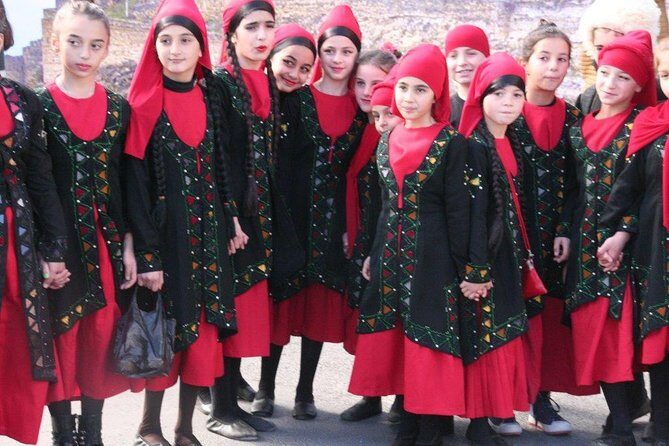
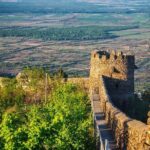
Then the tour swings back toward Tbilisi with a visit to Narikala Fortress, a 4th-century site. You’ll reach it via an aerial cable car, and that part is included.
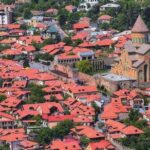
Even if you’re not obsessed with fortresses, Narikala delivers something instantly valuable: panoramic views. From up there, you can see how Tbilisi spreads along the river and layers up the hills. It helps you understand the city’s shape before you walk it.
There’s one important “real life” caveat. In at least one experience, the cable car was down and the group used the city’s funicular instead, which was described as a good substitute. So if you’re counting on that exact ride, keep a flexible mindset.
After the fortress, you stroll toward the Sulfur Bathhouse district, also linked to the Legtakhevi area, then down toward Meidan Square and the Shardeni street neighborhood. It’s a natural downhill flow from lookout to streets—easy to understand and fun to photograph.
Abanotubani sulfur baths: the district with a legend behind it
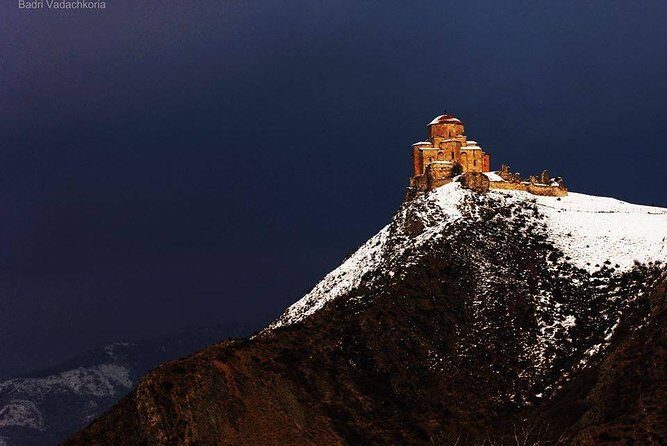
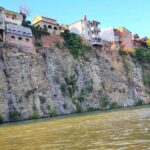
You’ll spend time in Abanotubani, the old sulfur-bath district at the eastern bank of the Mtkvari River. The story here is classic Tbilisi folklore: a falcon belonging to Vakhtang Gorgasali, King of Iberia, fell and the hot springs were discovered after that.
This is the kind of detail that makes a place feel human. You’re not just seeing “old bathhouses.” You’re seeing a district shaped by a legend and by a real hot-spring resource that locals still associate with wellbeing and tradition.
The district is free to visit during this tour, but it’s also a place where you’ll likely be tempted by bathhouse entrances, tea, and souvenirs. If you want the full experience, consider setting aside a little extra money for whatever you decide you want to try.
Meidan Square and Shardeni: bars, cafes, art, and old-city energy
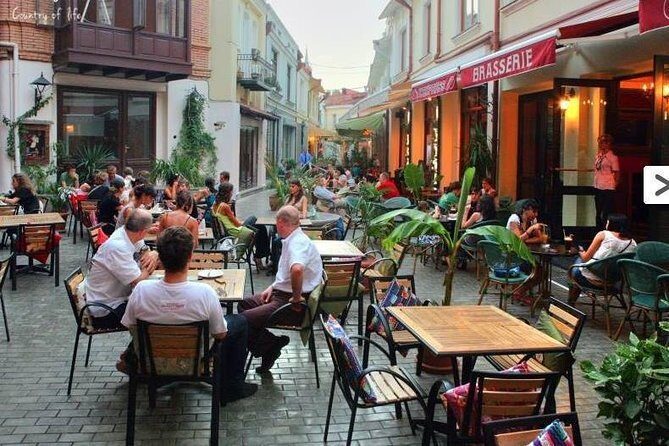
Next comes Meidan Bazaar time around Meidan Square and nearby streets such as Shardeni, Cotton Row, and Iron Row. This is where the day shifts from sacred sites to city life.
You’ll find souvenir shops, art galleries, and cafes—so it’s a practical window if you want something small to remember the trip. It’s also a good place to regroup if you’ve been walking and climbing since the morning.
One helpful approach: don’t plan to “shop hard” here. Use it as a chance to scan options, compare prices quickly, and pick one or two items you genuinely like.
Metekhi Cathedral plateau: closing Tbilisi with a 13th-century anchor
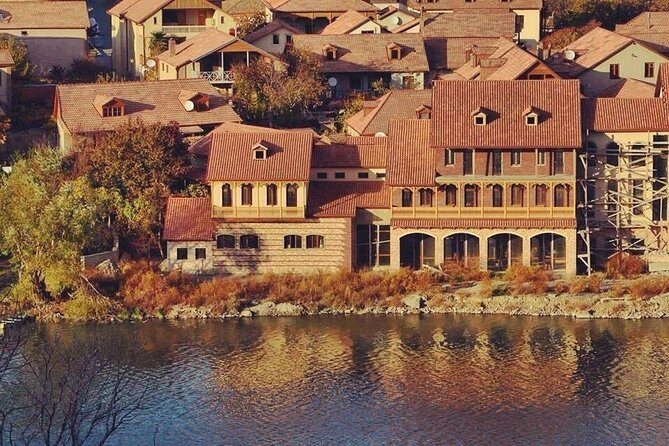
To finish, you drive back to Tbilisi for Metekhi plateau and the 13th-century church. This stop is free, and it’s an architectural anchor—one of the important monuments of old Tbilisi.
From here, the city makes more sense. You’ve already seen Narikala’s heights and Abanotubani’s river district. Metekhi adds another layer, showing how historic Tbilisi developed around plateaus, churches, and views.
The day ends back at the meeting point near Rose Revolution Square, so you don’t have to solve transport at the finish line. That’s a big plus when your day is packed.
Price and value: what $158 buys you (and what it doesn’t)
At $158 per person, the price isn’t “cheap,” but it’s also not just for sightseeing photos. You’re paying for a professional guide/driver, transportation, bottled water, and all entrance fees. That’s a meaningful bundle in a day that hits several sites that would be expensive or time-consuming to plan on your own.
What’s not included is meals and alcoholic drinks. If you want lunch, plan on buying it, unless your specific departure includes some kind of food arrangement. One reviewer described an excellent Georgian lunch as an extra bonus—so it’s worth asking your operator what happens on your date.
Also, you’re paying for time saved. With the distances between Tbilisi and Mtskheta, and the tight sequencing, having someone handle routing and context makes your day smoother. For many people, that smoothness is worth the price.
What kind of traveler this tour fits best
This is a great choice if you want a balanced day: churches and river-town viewpoints in the morning, then old Tbilisi districts and major neighborhoods by afternoon.
It’s especially good for:
- First-time visitors who want two cities’ worth of meaning without a multi-day plan
- People who enjoy guides who explain religious stories and historical context, not just dates
- Travelers who want included entrances and comfortable logistics (transportation and bottled water are taken care of)
It might be less ideal if you’re the type who hates walking hills. Jvari and the fortress area involve stairs, uneven ground, and some climbing. Comfortable shoes and a slower pace are your friends.
Practical tips that make the day easier
- Bring comfortable shoes. Hilltop churches and fortress ruins are not flat.
- Dress for weather. The tour runs in all weather, so you’ll want layers and rain protection if needed.
- Plan for service-time changes. If your date includes church services, interior access may be limited and the order may shift.
- Keep a little cash for optional purchases. The tour stops include places where you can buy wine, souvenirs, and drinks.
Should you book this full day Tbilisi and Mtskheta tour?
If you want a single, well-paced day that connects UNESCO Mtskheta with classic Tbilisi neighborhoods, I’d book this. The included guide and entrance fees make the logistics easy, and the route hits the places that give you the “why” behind Georgian Christianity and the old capital’s geography.
Book it if you like context, not just sights, and if you’re comfortable with hills and some walking. If you’re traveling on a Sunday morning or religious holiday, go in with flexibility about church access. And if the aerial cable car is important to you, remember there may be a substitute if it’s down.
Overall, it’s strong value for the time you’re spending—especially when you want the day to feel organized, not stressful, and genuinely meaningful from the first hilltop view to the last old-city plateau.
FAQ
What time does the tour start, and where do I meet?
It starts at 10:00 am at the Giant Bicycle monument near Rose Revolution Square in Tbilisi. The tour ends back at the same meeting point.
How long is the tour?
The duration is about 7 hours 40 minutes.
Is the tour in English?
Yes, it’s offered in English.
What’s included in the tour price?
The tour includes professional guide/driver service, transportation, bottled water, and all entrance fees.
Are meals included?
No. Meals are not included. Alcoholic drinks are also not included.
Is there any admission fee for the sites?
Entrance fees are included. The stops are described as having free admission tickets, with Narikala Fortress listed as included.
Can I visit churches if the day includes services?
Access to places of worship can be prohibited during church services (like Sunday mornings, Saturday evenings, and religious holidays). If that happens, the tour order may be adjusted.
What should I wear or bring?
The tour runs in all weather, so dress appropriately. Comfortable shoes are a good idea since you’ll visit hill areas and walk around.
Is the tour private or small-group?
It’s described as a private tour/activity, meaning only your group participates. It also has a minimum number of travelers requirement, so availability depends on meeting that threshold.