REVIEW · TBILISI
Ancient Georgia Group Tour: Mtskheta,Jvari, Gori, Uplistsikhe
Book on Viator →Operated by Imperial Tours · Bookable on Viator
Sunrise-to-caves in one packed outing. This Ancient Georgia group tour strings together Jvari, Svetitskhoveli, Stalin’s birthplace area in Gori, and the rock-cut wonder of Uplistsikhe—all with a real sense of how Georgia’s faith, empires, and politics overlap on the same roads.
What I like most is the breadth without feeling like a blur: the day gives you enough time at each stop to look around, snap photos, and actually absorb the main ideas. I also appreciate the practical basics—an air-conditioned vehicle and onboard WiFi—so the long ride doesn’t drain you before you reach the big sights.
One consideration: it can run longer than you expect, especially if you end up on a dual-language format. And if you’re sensitive to stairs, Uplistsikhe involves a lot of climbing over uneven rock, so plan accordingly.
In This Review
- Key things you’ll notice
- Jvari at the river confluence: your first big Georgia view
- Mtskheta’s Svetitskhoveli: relics, Saint Nino, and real religious gravity
- Gori’s Stalin Museum: a short visit to a heavy chapter
- Uplistsikhe Cave Town: walking, rock-cut architecture, and pagan-to-Christian clues
- The full day rhythm: how this tour keeps you moving (and where it can stretch)
- What you pay: $24 value plus two ticket add-ons
- Comfort checklist: the small things that prevent big annoyances
- Should you book this Ancient Georgia tour?
- FAQ
- What stops are included on the Ancient Georgia group tour?
- Is the lunch included?
- Do I need to pay admission tickets during the tour?
- How long is the tour and when does it start?
- What’s included in the tour price?
- Are service animals allowed and what about weather?
Key things you’ll notice
- Jvari’s river confluence views: a mountaintop-feeling stop where Mtkvari and Aragvi meet
- Svetitskhoveli’s relics: Christ’s Mantle is believed to be housed here, plus an early baptismal font
- Gori’s full Stalin context: his birthplace site has layered exhibits connected to the years 1937 and 1957
- Uplistsikhe’s rock-cut mix: styles tied to Anatolia and Iran, with both pagan and Christian architecture
- Limited group size (max 15): easier navigation and calmer pacing than huge buses
Jvari at the river confluence: your first big Georgia view
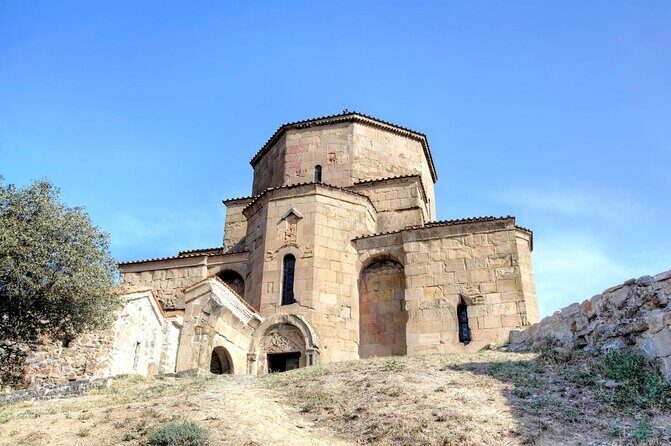
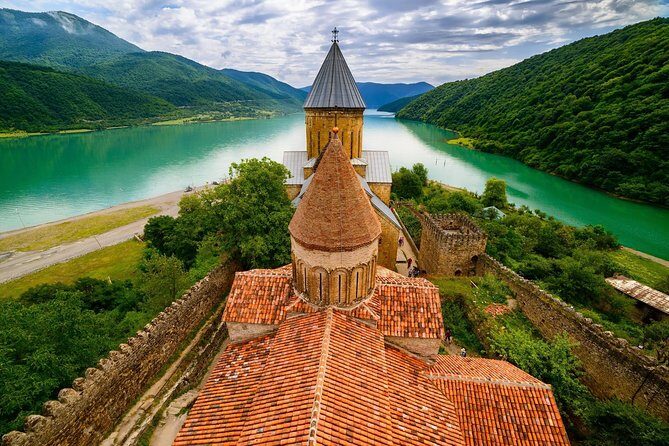
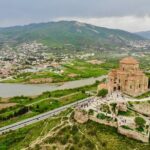
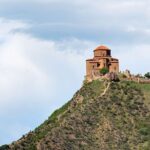
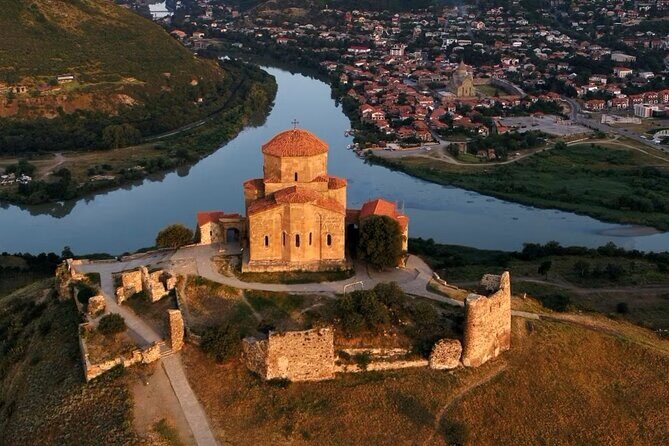
The day starts with Jvari Monastery, timed so you can reach a dramatic viewpoint before the crowd energy gets too loud. The star here is the setting: Jvari sits at the confluence of the Mtkvari and Aragvi rivers. Even if you’re not a “monastery person,” this is the kind of location that makes you pause. Water meets water, hills rise, and the whole landscape starts making sense in layers.
Jvari is also a smart first stop because it sets the tone for the rest of the tour. After this, the sights shift from scenic to sacred to historical in a way that feels intentional: Georgia’s story is always showing up in places where geography matters.
Timing-wise, you’ll have about 40 minutes here. That’s enough to walk around, find a good angle, and take in the rivers from different spots. One practical note: church sites often have dress expectations, so keep an eye on covering needs when you head inside later.
You can also read our reviews of more tours and experiences in Tbilisi.


Mtskheta’s Svetitskhoveli: relics, Saint Nino, and real religious gravity
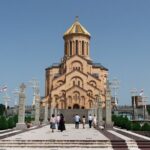
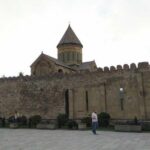
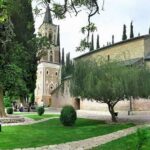
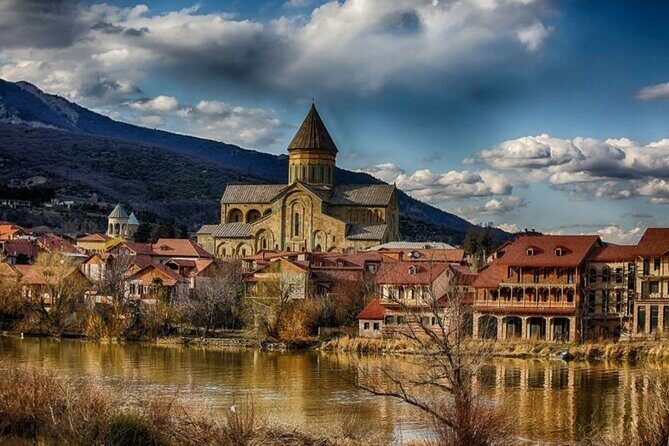
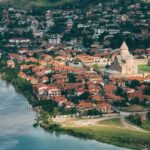
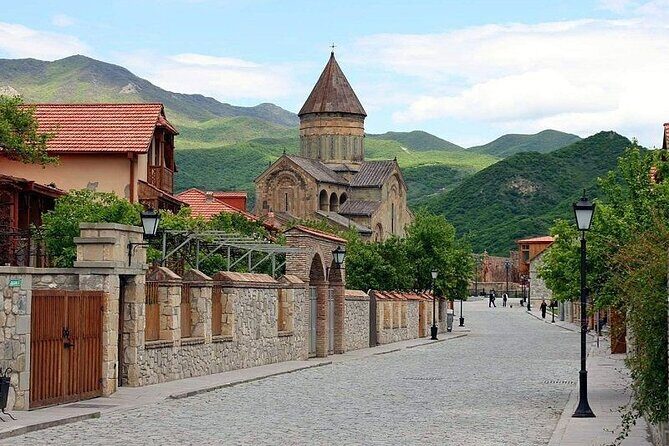
From Jvari, you move into Old Mtskheta and toward Svetitskhoveli Cathedral, which is often treated as the main “center” of the old city. If you want a clear sense of why Georgia is different from many other Christian traditions, this is where you feel it.
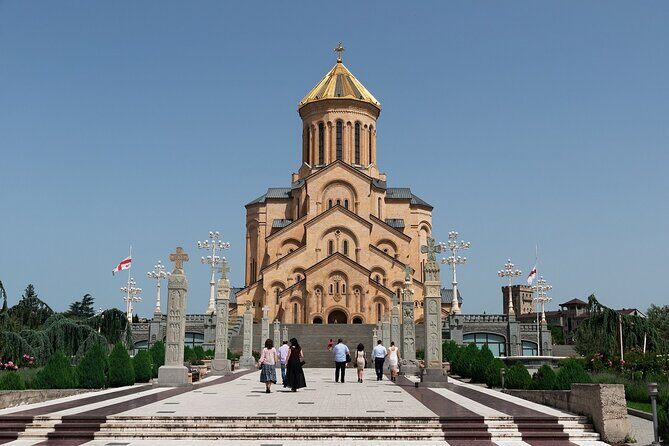
Svetitskhoveli is presented as even more historically significant than Jvari. The church tradition connects it to Saint Nino, who is said to have chosen the spot where it was erected. What pulls people in, though, are the specific relics. The cathedral includes (according to belief) Christ’s Mantle, a 4th-century baptismal font, and a piece of cedar wood saved from the original structure.
You’ll have around 30 minutes at this stop. That’s not long, but it’s enough time to:
- see the key areas without feeling rushed
- spend a moment with the relic stories your guide explains
- step back outside and get your bearings for photos
A big value here is how the tour frames this cathedral not just as a pretty building, but as a place where faith, memory, and national identity are tightly linked. You don’t need to be a deep church scholar to get something meaningful out of it.
Gori’s Stalin Museum: a short visit to a heavy chapter
Then the tour turns toward Gori, the town where Joseph Stalin was born. This is not “light travel.” The point isn’t to turn Stalin into a theme park character. The point is to understand how a world-changing figure—and the machinery built around him—shows up in everyday geography.
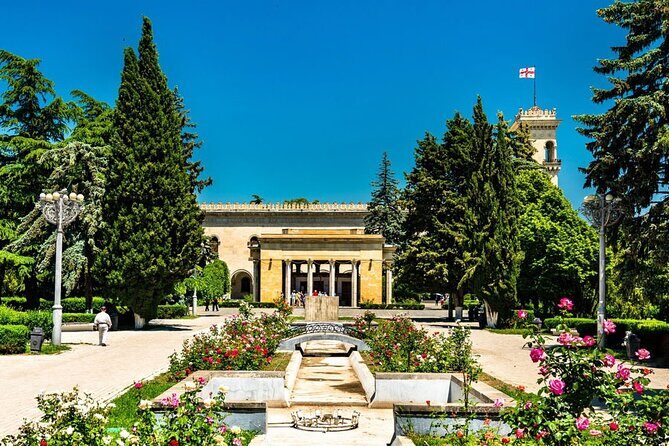
Your stop is the State Stalin Museum, opened in 1957, and it’s built around the birthplace house where a memorial museum opened earlier, in 1937 (during Stalin’s lifetime). That timeline matters. It tells you this was never just a later historical curiosity; it was curated, promoted, and protected while the regime still held power.
Plan for about 1 hour here, and budget for admission: it’s 15 GEL per person. This museum is also one of the spots where your guide’s narration really changes the experience. The rooms and exhibits can be dense, and you’ll get more out of your visit if you pay attention to how your guide ties the displays to Georgia’s 20th-century reality.
There’s a drawback to note: some setups don’t offer much beyond standard exhibit viewing, so you’ll want to rely on the guide for the deeper story. If you prefer audio-style self-guiding, you might wish there were more optional playback tools.
Uplistsikhe Cave Town: walking, rock-cut architecture, and pagan-to-Christian clues
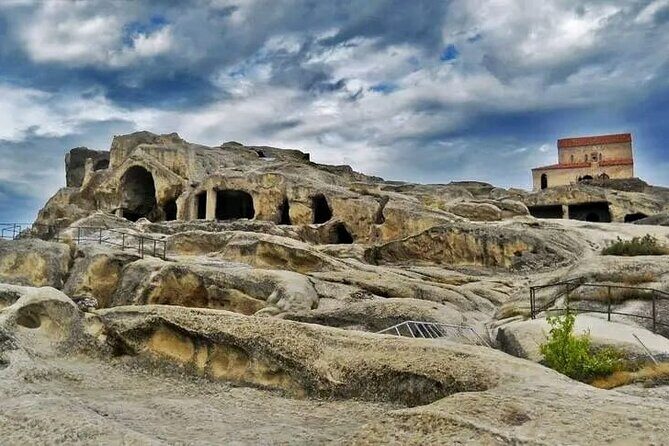
If Jvari gives you the view and Svetitskhoveli gives you the faith, Uplistsikhe gives you the “how did people live here?” shock. It’s a cave town built on a high rocky left bank of the Mtkvari River. What makes it especially interesting is the range of periods represented: structures spanning from the Early Iron Age to the Late Middle Ages.
The best description you can keep in mind is that Uplistsikhe is a mix. You’ll see styles connected to rock-cut cultures in Anatolia and Iran, and you’ll also see the co-existence of pagan and Christian architecture. That combination is the real “wow,” because it shows how cultures and beliefs didn’t simply replace each other—they overlapped, adapted, and left physical traces.
The day gives you about 2 hours related to Uplistsikhe: you’ll first have a lunch break at a local restaurant near the stop, then you’ll come back and explore the cave city.
The cave city itself involves a lot of climbing over uneven rock. It can be spectacular, but it’s not a casual stroll. One review note to take seriously: Uplistsikhe can feel treacherous on a wet day if your shoes don’t have good traction. If you’re choosing footwear, go grippy over stylish. If you have mobility limitations, consider whether you’ll want to commit to the climb—this is the stop most likely to limit people.
Admission is 15 GEL per person. It’s worth paying if you like history you can walk through, not just read about. Standing in a space carved into stone helps you grasp how people shaped their daily life around defense, water access, and survival.
The full day rhythm: how this tour keeps you moving (and where it can stretch)
This is a 9 to 10 hour group tour, starting at 9:00 am from 15 Abano St, Tbilisi, and returning to the same meeting point. The group size is capped at 15 travelers, which usually means you can actually hear your guide and find your place without playing bus-choreography roulette.
A key value of the schedule is the spacing: each site gets its own block of attention, not just a drive-by. You’ll typically do short-entry times at the churches (free admissions at Jvari and Svetitskhoveli) and one longer museum stop (Stalin) plus a more demanding walking stop (Uplistsikhe).
Where timing can surprise you is language and flow. Some people end up in a setup that includes more than one language format, which can stretch the day. If you want a strictly English-only narration experience, go in expecting it may vary by group.
Also: weather matters. The experience explicitly requires good weather. If conditions aren’t right, the tour provider may offer another date or a full refund.


What you pay: $24 value plus two ticket add-ons
The listed price is $24.00 per person, and that’s only part of the real cost picture. Here’s the practical math you should expect:
- Included in the tour price: air-conditioned vehicle and WiFi on board
- Not included:
- Stalin Museum admission: 15 GEL
- Uplistsikhe admission: 15 GEL
- Lunch (you stop at a restaurant near the end of the day, but it’s not included)
So you should plan to add 30 GEL total for the two paid entries, plus what you spend for lunch. Even with that, this tour often feels like value because you’re getting four major stops that span very different Georgia stories in a single day, with transportation handled.
If you’re budgeting, this tour can be a great choice when you don’t want the hassle of piecing together separate tickets and transit. Just don’t treat it like an all-in-one package: admissions at Stalin and Uplistsikhe are on you.
Comfort checklist: the small things that prevent big annoyances
This is the kind of tour where a little prep pays off.
Bring the right clothing
- For church visits, plan for covering. If you need it, you may be able to use scarves provided at sites. Still, it’s easier if you bring one. Long pants also help for men who need leg coverage.
- If you’re wearing something short or very light, you might feel uncomfortable once you’re inside.
Wear traction shoes
- Uplistsikhe is the climbing-heavy portion of the day. Shoes with grip matter, especially if the weather turns.
Plan for a long sitting-and-walking mix
- You’ll be in the vehicle for travel time (that’s included), but the day also demands walking time at multiple stops. It’s not one long hike—more like several focused bursts.
Expect guide narration to matter
- The strongest moments often come from how your guide connects each site to Georgia’s timeline. People give high marks to guides—examples named include David, Natalia, Lasha, Omar, and Tami—for staying organized, keeping the group engaged, and adjusting logistics smoothly.
Should you book this Ancient Georgia tour?
I’d book this tour if you want a single-day “greatest hits” of central Georgia that actually connects themes: early Christianity, deep local tradition, and a modern historical chapter that people still grapple with.
I’d think twice if:
- you have mobility limits or you know you struggle with steep, uneven climbing (Uplistsikhe is the main issue)
- you strongly prefer a single-language experience and hate sitting through repeated explanations
- you want a lighter pace, because this is built as a full day with multiple stops
For most people, the decision comes down to one question: do you want to trade comfort and control (doing this all on your own) for a guided story across key sites with the group handled? If yes, this is a solid pick.
FAQ
What stops are included on the Ancient Georgia group tour?
The tour includes Jvari Monastery, the Stalin Museum in Gori, a lunch stop at a local restaurant, Uplistsikhe Cave Town (exploration), and Svetitskhoveli Cathedral in Old Mtskheta.
Is the lunch included?
No. Lunch is at a local restaurant end of tour, but it is not included in the tour price.
Do I need to pay admission tickets during the tour?
Yes. Stalin Museum admission is 15 GEL per person, and Uplistsikhe admission is 15 GEL per person. Jvari Monastery and Svetitskhoveli Cathedral are listed as free admission.
How long is the tour and when does it start?
It starts at 9:00 am and runs about 9 to 10 hours including transportation time, ending back at the meeting point.
What’s included in the tour price?
The tour includes WiFi on board and an air-conditioned vehicle.
Are service animals allowed and what about weather?
Service animals are allowed. The experience requires good weather; if it’s canceled due to poor weather, you’ll be offered a different date or a full refund.