REVIEW · KUTAISI
Kutaisi: Bagrati & Motsameta Religious Heritage Tour
Book on Viator →Operated by Megobari Tours Georgia · Bookable on Viator
Kutaisi’s monasteries don’t feel like a checklist. They’re packed into a smooth route with sweeping views and clear, story-filled stops at three major spiritual sites. I love the small-group feel (max 7) and the way the guide connects church art, icons, and symbols to Georgian faith. One catch: Gelati is still under construction, so it may be closed on your day and replaced with another church in Kutaisi.
You’ll get pickup anywhere in Kutaisi and start at the Megobari Tours meeting point by the Colchis fountain. The whole tour runs about 2 to 4 hours, and you’ll use a mobile ticket in English, which makes it easier than hunting for paper receipts or translated notes.
Value is the big reason this works. The sites in this itinerary are listed with free admission, so you’re mostly paying for transport time, a real guide, and smart pacing. If you want a slow sit-down at every fresco, you may feel the tempo is quick, but the route is designed for seeing a lot without rushing you off the hill.
In This Review
- Key highlights to know before you go
- Why this Kutaisi monastery route is such a smart choice
- Pickup, meeting point, and pacing in Kutaisi
- Stop 1: Motsameta Monastery and why the views feel spiritual
- Stop 2: Bagrati Cathedral for a fast, satisfying Kutaisi panorama
- Stop 3: Gelati Monastery Complex—what to expect when it’s open or closed
- The guides: what good storytelling adds to your photos
- Price and value: $19.22 that actually adds up
- Who this tour fits best (and who might want something else)
- Should you book the Kutaisi Bagrati & Motsameta Religious Heritage Tour?
- FAQ
- How long is the Kutaisi Bagrati & Motsameta Religious Heritage Tour?
- What language is the tour offered in?
- Is admission included for the main sites?
- Where does the tour start and end?
- Does the tour include pickup in Kutaisi?
- How big is the group?
- What happens if Gelati Monastery Complex is closed?
- Is Gelati open every day?
- Do I get a ticket on my phone?
- Is free cancellation available?
Key highlights to know before you go
- Small group, big attention: Up to 7 people keeps questions in the same language and pace comfortable.
- Three stops that feel different: A monastery viewpoint, a central cathedral panorama, and Gelati’s complex atmosphere (when open).
- Free admissions across the main sites: You won’t get hit with entry fees at each scheduled stop.
- Gelati can swap on the fly: Construction closures mean your guide adjusts with another church stop in Kutaisi.
- Views are part of the “education”: You’ll get scenery on the way, plus view points at major stops.
- Guides bring the symbols to life: You’ll hear interpretations of icons and church artwork rather than dry dates only.
Why this Kutaisi monastery route is such a smart choice
Kutaisi is one of those Georgian cities where faith, art, and scenery overlap. What makes this tour especially useful is that it strings together three spiritual sites that don’t just repeat the same vibe. Motsameta feels like a dramatic hillside retreat. Bagrati Cathedral gives you a quick hit of church architecture plus an overview of the city. Gelati (when you can access it) adds the “big complex” feeling you don’t get from a single church.
The route also fits real travel days. You’re not committing half a week. You’re getting a guided circuit that lands you back at the same meeting point, so you can continue exploring Kutaisi afterward without needing a second plan.
Also, the guide component matters here. Georgia has a lot of layered meaning inside churches—icons, symbols, fresco themes, and the way different eras shaped what you see now. This tour is built around having someone explain what you’re looking at in plain language, and even when something is uncertain or still being studied, that’s treated as part of the story instead of a problem.
You can also read our reviews of more tours and experiences in Kutaisi.


Pickup, meeting point, and pacing in Kutaisi
This is a tour that starts with convenience. Pickup is offered anywhere in Kutaisi, so you’re not stuck figuring out how to reach a specific corner of town just to begin. The tour ends back at the meeting point, which keeps your logistics calm.
Your start point is the Megobari Tours meeting location by the Colchis fountain in Kutaisi 4600. It’s the kind of reference point you can aim for without getting lost in small street details.
Timing runs about 2 to 4 hours. That range isn’t random. It gives flexibility for driving time and for how long you want to stay at each place. The schedule lists roughly:
- Motsameta: 1 hour
- Bagrati Cathedral: 30 minutes
- Gelati: 1 hour (when open)
If Gelati is closed, the tour adjusts. One reason I like this structure is that you still get a full “three-part” experience even when a site is unavailable—so you don’t waste the day with only one or two locations.
Group size is small, with a maximum of 7 travelers. That’s not just comfort. It also means your guide can pause for questions, and the driver can keep the group together without the “herding cats” feeling that big groups bring.
Stop 1: Motsameta Monastery and why the views feel spiritual
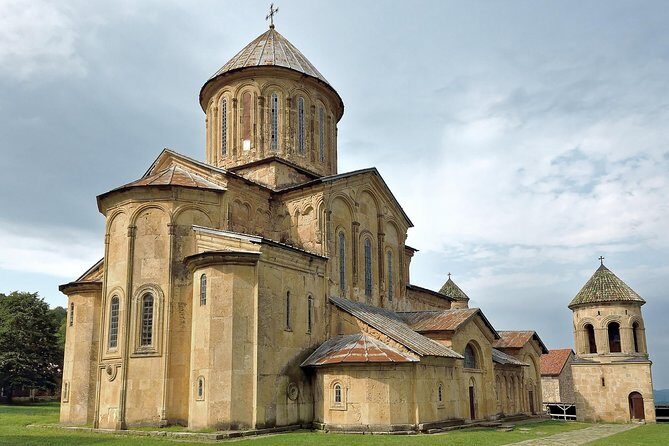
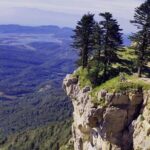
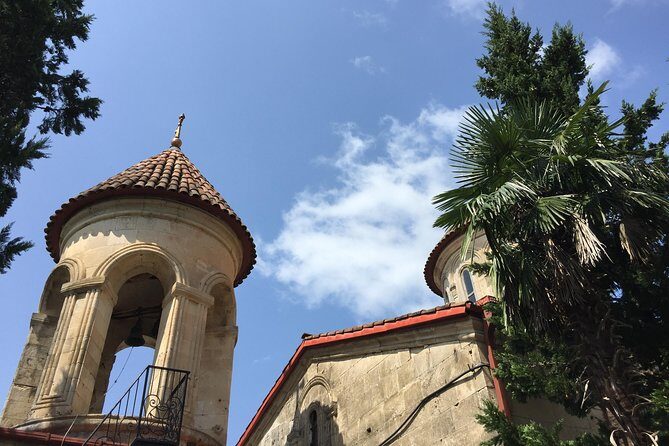
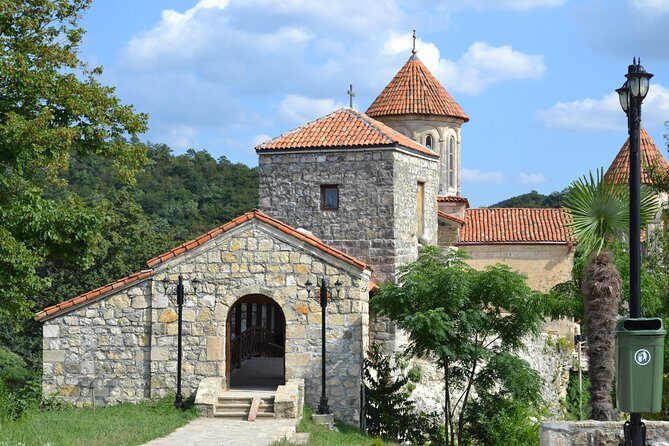
Motsameta Monastery is the kind of stop that works on two levels at once. First, it’s described as another major monastery in the Imereti region and a symbol of Georgian faith. Second, you get a strong sense of place: the location brings greenery and the river into view in a way that makes the monastery feel like it’s sitting inside the landscape rather than on the edge of it.
Plan for a full hour here. That’s long enough to slow down, look closely, and take in how the viewpoint changes when you move even a few steps. If you’re the type who reads a little, then looks again from a different angle, you’ll enjoy this stop more than a quick photo-and-go routine.
One practical note: since this is a monastery, you may want to show up respectfully. Even if the tour is relaxed, church rules tend to matter more when you’re in smaller spaces or sacred areas.
Stop 2: Bagrati Cathedral for a fast, satisfying Kutaisi panorama
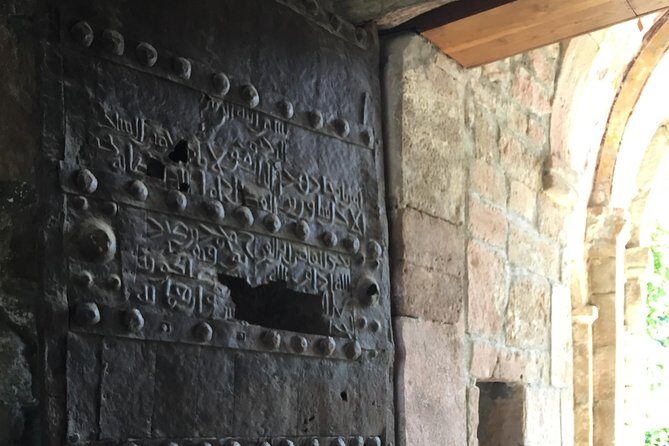
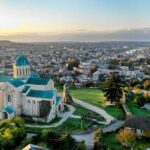
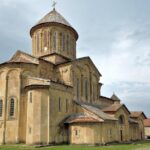
Bagrati Cathedral is scheduled as a shorter stop—about 30 minutes. That’s not a drawback if you use the time well. The cathedral is emblematic for Kutaisi, and this half-hour slot is designed to give you the main experience without dragging the day out.
You’ll also get a beautiful panorama of Kutaisi from here. I like this pairing: a viewpoint stop in the middle of the tour is a natural reset. You’ve been on the road, you’ve walked a bit, and then suddenly you get a wider view that helps you place everything else you’ve seen.
Because it’s a shorter stop, you’ll likely spend your time on two things:
1) understanding what makes Bagrati Cathedral distinctive in the bigger story of Georgian church architecture and faith, and
2) enjoying the view without feeling like you need to camp there.
If you have limited time in Kutaisi and want maximum “seeing per hour,” this is the stop that makes the whole tour feel efficient.
Stop 3: Gelati Monastery Complex—what to expect when it’s open or closed
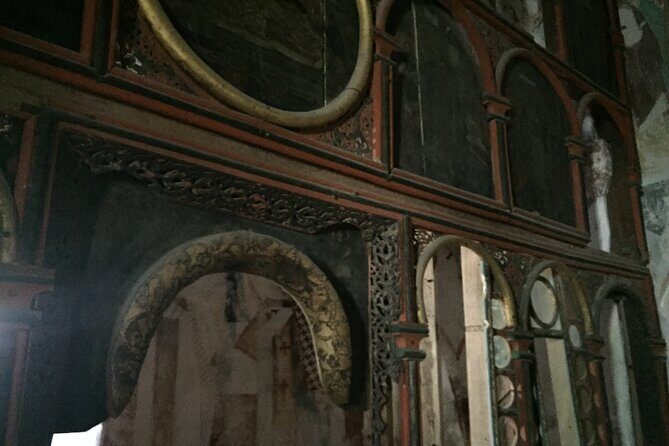
Gelati Monastery Complex is the headline for many people, but the tour is honest about a key reality: it’s currently under construction. The complex is open to visitors only on Sundays and on some occasional days.
So here’s what this means for you in real terms. If Gelati is open, you’ll get about an hour at the complex, which fits nicely with the rest of the route. If it’s closed, don’t assume the tour falls apart. The plan is to visit another church in Kutaisi instead.
In one example, when Gelati was closed during restoration work, the guide substituted with two churches and even included an old hospital viewpoint with a great look over the area. That’s the best-case scenario: your day still feels full, and the guide keeps the “views and context” theme going.
My advice: if Gelati is the main reason you booked, check your day of the week. Sundays have the best shot based on the tour info. Even if Gelati is closed, though, you’re still not buying a ticket to nothing. You’re buying time with a guide and a structured route that adapts.


The guides: what good storytelling adds to your photos
This tour’s biggest strength shows up in how the guides talk. The experience is built for more than walking between buildings. You’re getting explanations that make symbols and artwork less confusing and more meaningful.
Three guide names come up in the feedback: Teona, Michael, and Eva. Each one is described as informative, and in Eva’s case, also chatty in a positive way, with a lot of culture knowledge to share. You can also expect a human approach rather than a script. One traveler noted that there’s mystery and complexity around these ancient sites, especially because some findings and explanations aren’t widely available in languages beyond Georgian. That reality isn’t hidden. Guides will often share what they know, and they’ll even ask questions on your behalf to people working at the sites.
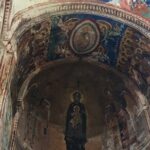
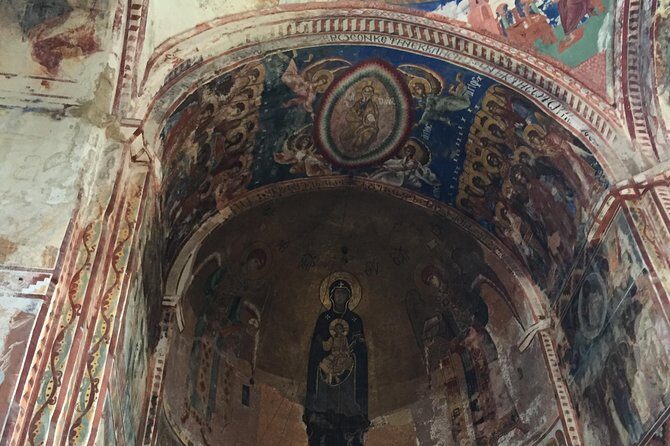
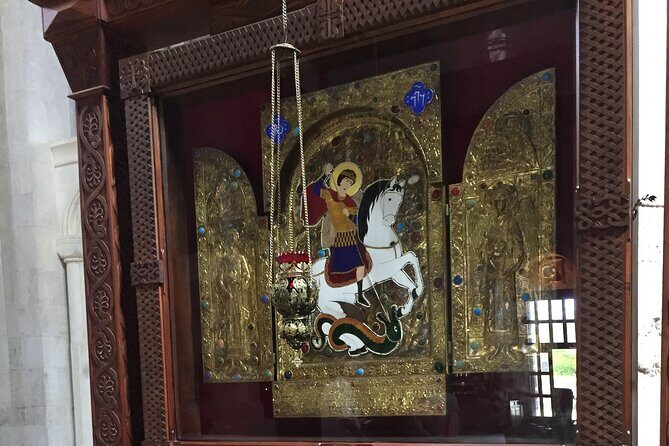
That’s the difference between seeing frescoes as decorative walls and reading them as a visual language. You’ll likely spend time thinking about icons and symbols while your guide points out details you might otherwise skip. It’s a good way to turn a church stop into an actual learning moment without feeling like you’re in a classroom.
Price and value: $19.22 that actually adds up
At $19.22 per person, this tour can be a standout value in Kutaisi. The math is simple: you’re paying for guided transport and interpretation, and the scheduled main stops are listed with free admission.
If you were to do the sites on your own, you’d still spend time and money on getting around, plus you’d need to figure out what each building means. Here, that work is handled for you. You also get a clear order to your day, so you aren’t zigzagging across the city and the nearby area wasting daylight.
The small group size also supports the price. A max of 7 people means the guide can actually interact, not just talk over your head while you listen from the back.
The only “value trade-off” is the tour duration range. If you want long, quiet, slow visits, you might feel slightly rushed at one or two stops. But if your goal is a focused religious heritage overview with great views, this price is hard to beat.
Who this tour fits best (and who might want something else)
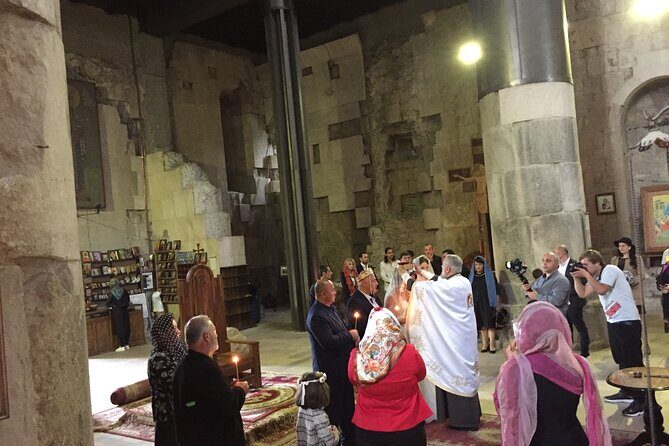
This is a good match if you want:
- a guided circuit that connects religious heritage, church art, and local context
- viewpoints included as part of the experience
- English-speaking interpretation
- a small group experience without a huge time commitment
It’s also a smart choice for first-timers to Kutaisi. Three major spiritual stops in one run gives you a mental map of the region’s faith landscape fast.
It may not be ideal if you want an unhurried, hour-by-hour museum-style approach at one single site. The structure is built for variety—monastery, cathedral, then Gelati or its replacement—so you’ll move through the day rather than linger in one place forever.
One more practical plus: service animals are allowed, and the tour info says most travelers can participate. If you have mobility needs, it’s worth communicating them ahead of time. The tour format here is designed to keep everyone together, but guides can often pace the experience in a way that reduces pressure.
Should you book the Kutaisi Bagrati & Motsameta Religious Heritage Tour?
If you’re looking for a concentrated Kutaisi experience with free admissions, a small group, and strong guide storytelling, I’d book this. The route makes sense even with the Gelati construction reality, because the tour is structured to swap in alternatives rather than leaving you stranded.
Book it when:
- you want the big three spiritual stops in a single guided day
- you care about understanding icons and symbols, not just taking photos
- you like the idea of great viewpoints built into the route
- you want an English-speaking guide and easy pickup around Kutaisi
Hold off or choose a different plan if:
- Gelati is your only “must-see” and you’re traveling during days when it’s likely closed
- you prefer long, silent visits where you don’t have to share time with a group
Overall, this tour is practical, thoughtfully paced, and good value for the number of meaningful stops you get.
FAQ
How long is the Kutaisi Bagrati & Motsameta Religious Heritage Tour?
The tour runs approximately 2 to 4 hours.
What language is the tour offered in?
The tour is offered in English.
Is admission included for the main sites?
The scheduled admission tickets are listed as free for each stop.
Where does the tour start and end?
It starts at the Megobari Tours meeting point by the Colchis fountain in Kutaisi 4600 and ends back at the same meeting point.
Does the tour include pickup in Kutaisi?
Yes, pickup is offered anywhere in Kutaisi to start the tour.
How big is the group?
The tour has a maximum of 7 travelers.
What happens if Gelati Monastery Complex is closed?
If Gelati is closed due to construction, the tour visits another church in Kutaisi instead.
Is Gelati open every day?
No. The Gelati Monastery Complex is currently under construction and is open to visitors only on Sundays and on some occasional days.
Do I get a ticket on my phone?
Yes, the tour offers a mobile ticket.
Is free cancellation available?
Yes. You can cancel for a full refund up to 24 hours in advance of the experience start time.