REVIEW · MESTIA
Mestia Ushguli private tour
Book on Viator →Operated by Tripify · Bookable on Viator
Mestia and Ushguli feel like another world on wheels. This private tour connects you with Svaneti’s big sights in a tight 4–5 hour run: the Love Tower legend site, an ethnographic museum in a centuries-old dwelling, and then the high village of Ushguli with the Lamaria chapel views. You get private transportation and a driver who can keep the logistics sane on the mountain road.
What I like most is the simple, practical pickup anywhere in Mestia—yes, even your hotel. I also love that several stops are low-friction: the Love Tower and the Lamaria religious complex are free to enter, while the museum is a focused, educational hour in a real Machub Hall building. One thing to consider: the ethnographic museum admission is not included, and the remote pricing (compared with easier day trips from bigger cities) may feel steep if you’re purely price-shopping.
Also, if you expect a lot of free time sitting around in Ushguli, you’ll want to mentally switch from relaxed to scheduled. The route is built to hit the main Svan highlights, so you’ll be moving at a steady pace—worth it for the sights, but not ideal if you hate timelines.
In This Review
- Key highlights you’ll care about
- Why the private drive from Mestia matters
- Love Tower: the legend stop with a free ticket
- Ushguli Ethnographic Museum in a Machub Hall
- Ushguli: high-altitude village and King Tamar towers
- Lamaria religious complex: chapel frescoes and hilltop views
- Lunch? You’ll manage it in Mestia
- Price and value: what $104.50 really buys you
- Who should book the Mestia to Ushguli private tour
- Should you book this Mestia Ushguli private tour?
- FAQ
- How long is the Mestia Ushguli private tour?
- Where does pickup happen?
- Is the tour only for my group?
- What’s included and what’s not included?
- Are tickets included for each stop?
- Is there free cancellation?
Key highlights you’ll care about
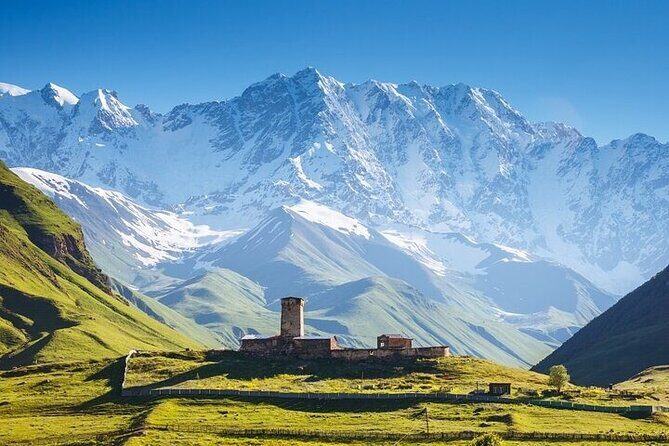
Private ride from any spot in Mestia for an easier, less stressful drive.
Ushguli’s UNESCO-listed village context and towers of King Tamar in a high-altitude setting.
Lamaria complex with 12th-century chapel frescoes and a hilltop view over the village.
Ethnographic museum in a Machub Hall with a close look at traditional Svan life and tools.
Multiple free entries (Love Tower and Lamaria) that help your budget.
Why the private drive from Mestia matters
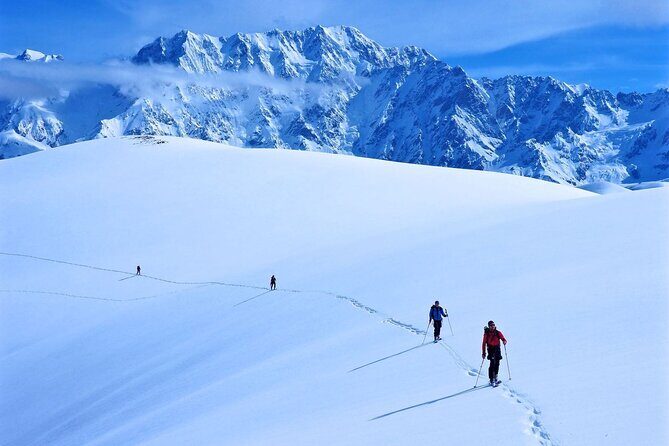
This is the kind of trip where the transportation is half the experience. The route climbs to one of Europe’s highest populated areas, and the road into the Ushguli area is not the kind you want to manage on your own after an early start. A private vehicle means you don’t have to worry about finding parking, timing a rental, or trying to read mountain traffic rules with a map app that may not love rural signal.
You also get the benefit of an English-speaking setup, and an experienced driver who can guide you while you’re traveling in Georgia. In one standout review, a driver named Leo was described as pleasant and professional—exactly the vibe you want when the drive includes some winding, mountain stretches. The tour also uses a mobile ticket, so you’re not fumbling with printed vouchers at the last moment.
The trip is listed as about 4 to 5 hours, which is a good length for a first time to Ushguli. It’s long enough to see real highlights (not just a quick photo stop), yet short enough that you’re not wiped out for the rest of your day in Mestia.
You can also read our reviews of more tours and experiences in Mestia.
Love Tower: the legend stop with a free ticket
Right after pickup, you’ll head to the Love Tower. This isn’t a museum with a ticket booth and a lecture. It’s a legend stop—fast, story-driven, and perfect as your first Svanite-style taste of folklore.
The story goes like this: long ago, a young man and a woman lived in upper and lower villages on the Enguri River. They fell in love, but both villagers didn’t consent to their marriage. The couple built their house—this tower—on the river bank between the villages, and their descendants are said to be connected to the Bogreshi village, in the Iphari Community.
Practically, that makes this stop more interesting than a random viewpoint. You’re not just looking at a structure; you’re getting local context for why people shaped the landscape where they did. The tour includes about 1 hour here, and it lists admission ticket free. That means you can spend time looking around without doing quick math in your head about what you’re getting for your money.
Possible drawback: since this stop is partly legend and partly scenery, if you’re the type who wants only ticketed, artifact-heavy stops, you might find it lighter than the museum and the chapel complex that come later.
Ushguli Ethnographic Museum in a Machub Hall
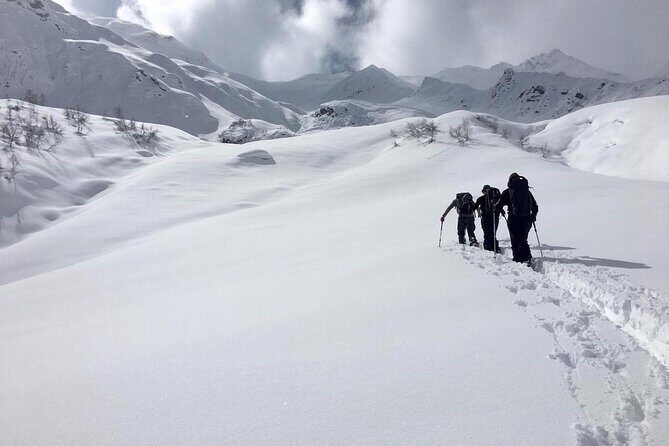
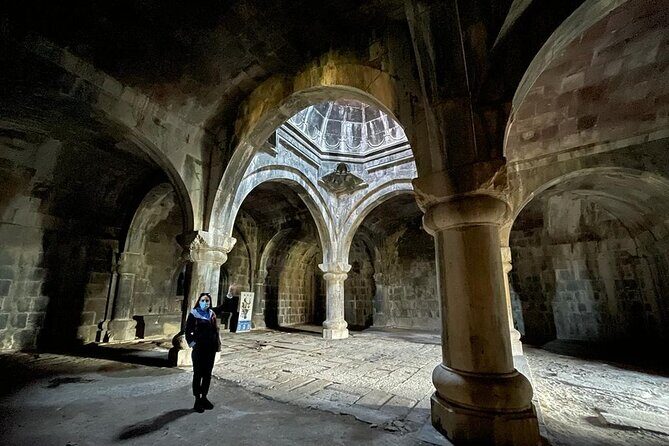
After the Love Tower, the itinerary shifts gears into something you can really sink your teeth into: the Ushguli Ethnographic Museum. The building itself matters. It’s a two-story residential structure from the 13th century, known as the Machub Hall.
This museum stop is valuable because it explains how Svan households worked—day-to-day survival mixed with tradition. On the first floor, you’ll see how storage and practical life were organized. The layout includes a carved wooden partition separating goods and people, so the building wasn’t just a residence; it was also a functioning system for winter needs. The museum describes things like agricultural and military tools, cult items, old wooden furniture, and iron and clay household pieces.
There are also specific items highlighted in the description, including a makhvshi chair, a carved treasure, and details of household life. On the second floor, the museum focuses more on living spaces and craft—two ancient wooden beds, an arched stall for goats and sheep, a kitchen, and the so-called bojar area. There’s even mention of a Swan cradle and a 17th-century horizontal weaving table with its attributes. If you love material culture—what people actually used—this hour gives you that “oh, that’s how it worked” feeling.
Timing is about 1 hour. The catch is budget clarity: the museum’s admission ticket is not included. That doesn’t make the stop bad—just plan for it. If you’re building your trip budget, treat this museum ticket as a separate line item.
Also, because the building is described as residential and old, the museum experience can feel less like a modern gallery and more like walking through layers of real domestic life. If you like that style, you’ll probably enjoy it more than generic “museum photos.”
Ushguli: high-altitude village and King Tamar towers
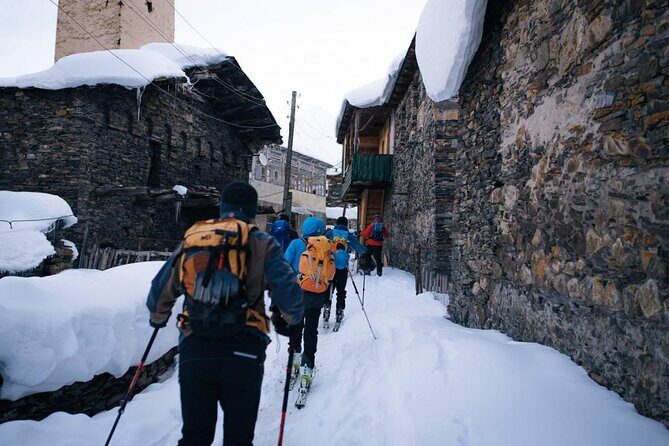
Then you arrive at Ushguli itself, and the whole mood changes. The tour positions Ushguli as the highest populated place in Europe, sitting around 2,100 meters above sea level. That altitude matters because it affects pacing. Even if you feel fine, you’ll likely move a little slower, notice the air a bit more, and take photos more often than you planned.
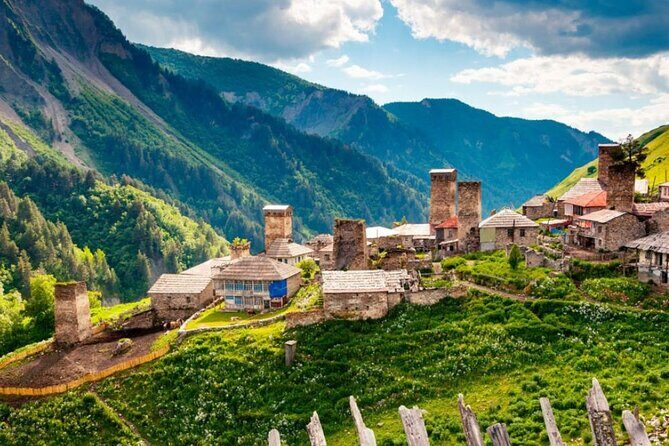
Ushguli is also connected to major cultural heritage context: it’s listed among world research by UNESCO in relation to the area. The stop focuses on Svan towers—especially the residential towers of King Tamar, built around the 12th–13th centuries. These towers are the core visual reason Ushguli is famous. They’re not just pretty buildings; they’re a snapshot of how families protected property and status in a tough environment.
The tour gives about 2 hours at Ushguli. That’s enough time to get the tower views, look around, and position yourself for the next religious complex on the hill. It’s also long enough to notice how the village layout works—how buildings relate to each other and to the terrain around the Enguri river area.
Practical consideration: the tour is a private run, but it still follows a schedule. So if you’re hoping to spend a long, slow afternoon wandering in silence, this one might feel “structured.” On the other hand, the structure is what keeps you from missing the chapel and frescoes later.
Lamaria religious complex: chapel frescoes and hilltop views
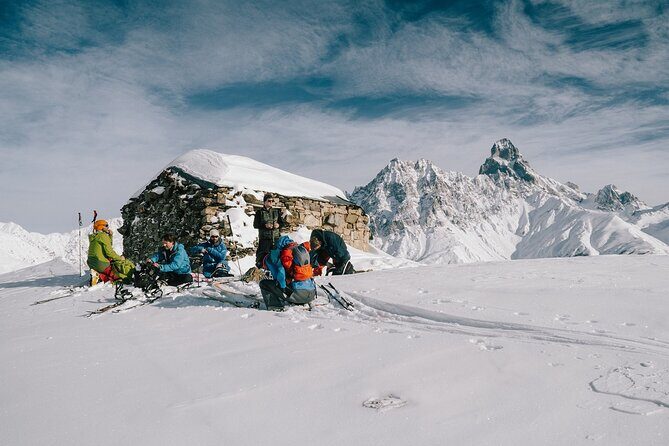
The highlight for many people is the Lamaria religious complex. Lamaria is named for a goddess in Svaneti mythology, so this isn’t just an architectural stop—it’s also an entry point into local belief systems tied to place.
The complex is on a hilltop above the village, which means you’re not only seeing a 12th-century chapel; you’re also getting a broader perspective over Ushguli. The tour lists the chapel dating back to the 12th century and specifically notes that it contains Georgian Golden Age-era frescoes. Even if you’re not a fresco expert, that detail signals why the chapel is worth your time: you’re looking at art from a period when Georgian culture had major artistic momentum.
Time-wise, it’s folded into the Ushguli portion, with the tour listing the Lamaria complex as part of the about 2-hour Ushguli time. It also lists admission free for this stop. That’s a strong value point, because you’re getting a top-tier cultural sight without another ticket layer on top.
One more practical tip: bring a layer. Mountain hills and chapel viewpoints can feel cooler than Mestia. Even if the day is warm, you may feel a chill when you stop for photos.
Lunch? You’ll manage it in Mestia
The tour does not include lunch. That’s not a dealbreaker. It actually gives you flexibility. Since the tour ends back in Mestia, you can decide where you want to eat based on what time it ends and what sounds good when you’re hungry.
The tour specifically says you’ll get recommendations for the best restaurants where traditional Georgian dishes are prepared. Because no restaurant names are listed in the details you provided, I’d treat this as an on-the-spot decision: ask your driver for their top picks for the day, then choose based on what your taste wants—something hearty, something simple, something quick.
If you’re the type who hates planning, this is a win. You’ll come back to the base town and then pick food without rushing.
Price and value: what $104.50 really buys you
At $104.50 per person, the pricing looks simple, but it’s worth unpacking what you’re paying for. The big value here is that you’re not taking on the stress of the remote drive yourself. You’re hiring private transportation and a driver who can handle the route and timing.
One review called the tour to expensive compared with trips from Tbilisi to Kazbegi, and that’s a fair comparison question. Here’s the reality check: Mestia to Ushguli is not the same kind of market as day trips from major cities. You’re dealing with a mountainous region and a smaller pool of qualified drivers and English-speaking support. That scarcity tends to show up in price.
So, is it worth it? If you’re traveling as a pair or small group who would otherwise rent a car or squeeze the trip into unreliable timing, paying for the private service is often the easiest way to protect your day. The trip also includes free entries at the Love Tower and the Lamaria complex, which helps your total out-of-pocket costs.
The one part to factor into true total cost is the Ushguli Ethnographic Museum ticket, since it’s not included. If you’re counting every cost, estimate that up front so there are no surprises when you arrive at the museum.
Who should book the Mestia to Ushguli private tour
This tour fits best if you want:
- A first-time Ushguli visit without driving yourself
- A mix of legends, culture, and major heritage sites
- A tight schedule that still includes a real museum stop
- English support and a private ride setup
It may not fit if:
- You want lots of free wandering with no plan
- You’re very price-sensitive and comparing it only against long-distance tours from bigger hubs
- You don’t want to pay a separate museum admission fee
If you like practical travel—show up, see the key sights, don’t stress—this is a solid match.
Should you book this Mestia Ushguli private tour?
Yes, if you’re coming to Svaneti for the big signatures: Ushguli towers, Lamaria frescoes, and a museum that explains daily life in a Machub Hall building. The private pickup from anywhere in Mestia is genuinely convenient, and the tour structure gives you more than just photos from a distance.
Book it if you’d rather spend your energy on the views and stories than on parking, driving fatigue, and timing. Skip it only if you strongly prefer self-guided flexibility or you’re trying to keep every cost to a minimum while touring from a city with more transport options.
FAQ
How long is the Mestia Ushguli private tour?
The tour duration is listed as approximately 4 to 5 hours.
Where does pickup happen?
Pickup is available from any place in Mestia, including hotels.
Is the tour only for my group?
Yes. It’s a private tour/activity, so only your group participates.
What’s included and what’s not included?
Included: private transportation. Not included: lunch.
Are tickets included for each stop?
Love Tower and the Lamaria religious complex are listed as admission free. The Ushguli Ethnographic Museum admission ticket is not included.
Is there free cancellation?
Yes. You can cancel up to 24 hours in advance for a full refund.